bluename
 How to Care for Fenestraria Rhopalophylla - Water Control to Prevent Leggy Growth

Have you ever admired a picture of a plump, compact Fenestraria rhopalophylla, only to find your own plant stretching awkwardly, its iconic "baby toes" becoming long and sparse? You're not alone. The most common and frustrating issue growers face with this unique succulent is etiolation, or leggy growth. This stretching is a desperate plea for more light, but surprisingly, the root cause often lies not just in lighting, but in a critical, misunderstood aspect of care: water control. Mastering how to water Fenestraria rhopalophylla is the single most important skill to prevent weak, elongated growth and maintain its charming, ground-hugging form.
Understanding the "Baby Toes" Plant
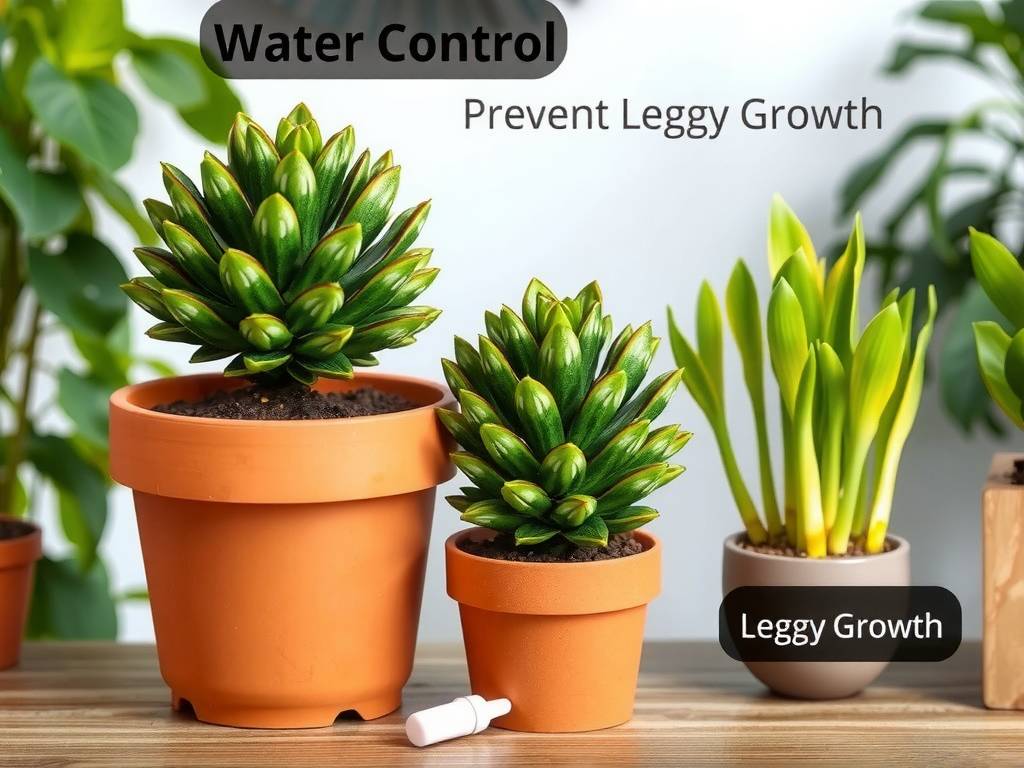
Before we dive into the specifics of irrigation, it's crucial to understand what makes Fenestraria rhopalophylla special. Native to the quartz fields of Namibia and South Africa, this plant survives in an environment with intense sunlight, minimal rainfall, and exceptional soil drainage. Its common name, "baby toes," comes from its cylindrical, windowed leaves. The translucent "windows" at the leaf tips are an evolutionary marvel, allowing light to penetrate deep into the leaf body while the plant remains mostly buried in the ground to reduce water loss. This anatomy is your first clue: this plant is engineered for drought. Any watering regimen that ignores this desert heritage will lead to problems, primarily soft growth that elongates rapidly in search of stability and light.
The Critical Link Between Water and Leggy Growth
Why does overwatering cause stretching? It's a chain reaction. When Fenestraria rhopalophylla receives too much water or is watered too frequently, its cells absorb excess moisture, leading to rapid but weak cellular growth. The plant's structure becomes less dense and more prone to elongation. This succulent, expecting a harsh, dry environment, interprets consistent moisture as an opportunity to grow quickly before a hypothetical drought returns. This fast, soft growth makes the stems and leaves longer and more fragile. Furthermore, overwatered soil can lead to reduced oxygen at the roots, stressing the plant. A stressed plant, coupled with even slightly insufficient light, will etiolate dramatically as it stretches toward any available light source to fuel its unsustainable growth spurt. Therefore, preventing leggy growth in Fenestraria is a dual mission: perfect lighting and impeccable water discipline.
Your Step-by-Step Guide to Perfect Watering
Achieving the ideal watering schedule is less about a calendar and more about observation and understanding soil science.
Reading the Plant's Signals
Forget watering every Tuesday. Fenestraria rhopalophylla tells you when it's thirsty. The primary signal is slight wrinkling or softness on the sides of the plump leaves. They should feel firm like a ripe grape; when they begin to feel like a slightly deflated balloon, it's time. The translucent "windows" may also appear slightly sunken. Never water when the leaves are rock-hard and full.
The "Soak and Desert" Method
When your plant signals thirst, employ the thorough "soak and desert" approach.
- Soak Deeply: Place your pot in a sink or tray. Water from the top until water runs freely from the drainage holes. This ensures the entire root ball is moistened, encouraging deep, strong root growth that supports compact form.
- Desert Completely: This is the non-negotiable phase. The soil must dry out completely and rapidly. Leave the pot in the sink until no more water drains, then return it to its bright spot. The soil should feel bone-dry to the touch deep into the pot within a few days.
This cycle mimics the natural desert downpours followed by long, dry periods the plant evolved for. According to the Royal Horticultural Society (RHS), this method for succulents "encourages a robust root system and prevents the stem and base rot associated with constant moisture."
Seasonal Watering Adjustments
Your watering frequency must change with the seasons, which dictate the plant's growth cycle.
- Spring and Fall (Active Growth): This is when you'll water most frequently, following the "soak and desert" signals. Growth is active, and water is utilized efficiently.
- Summer (Dormancy): Fenestraria often goes dormant in high heat. Water very sparingly, only if significant wrinkling occurs over many weeks. High heat + wet soil is a fatal combination.
- Winter (Rest): Watering should be almost entirely suspended. A tiny amount of water once a month may be needed if leaves severely shrivel, but the goal is to keep it dry and cool.
The Foundation: Soil and Pot for Optimal Drainage
Even perfect watering will fail if the soil holds moisture. The right soil mix for Fenestraria rhopalophylla is your insurance policy.
Creating the Ideal Gritty Mix
A standard potting mix or even "cactus soil" from a bag is often insufficient. Create a mix that is at least 70-80% inorganic, drainage material. A perfect blend could be:
- 2 parts coarse perlite or pumice
- 1 part horticultural grit or coarse sand
- 1 part regular cactus potting soil
This mix ensures water flows through instantly, leaving only a trace of moisture around the roots before drying out completely. The American Horticultural Society (AHS) notes that "sharp drainage is paramount for desert-dwelling succulents to prevent root rot and mimic native growing conditions."
Pot Selection Matters
Always use a pot with a drainage hole. Terracotta pots are excellent for Fenestraria as they are porous, allowing the soil to dry from the sides as well as the top. The pot should be just slightly wider than the plant cluster; too large a pot holds excess soil that stays wet for too long.
Complementary Care: Light for Compact Form
While water control is the star, light is its essential co-star. Providing adequate light for compact Baby Toes growth is non-negotiable.
- Ideal Light: Provide at least 4-6 hours of direct morning sunlight, with bright, indirect light for the rest of the day. An east-facing window is often ideal.
- Signs of Good Light: The plant will maintain a tight, compact form, and the leaves may develop a slight pink or purple blush on the sides.
- Grow Lights: If natural light is insufficient, a full-spectrum LED grow light placed 6-12 inches above the plant for 12-14 hours a day will prevent stretching.
Troubleshooting: What to Do If Your Plant Is Already Leggy
If your Fenestraria has already stretched, water control can prevent it from getting worse, but it won't shrink. The only solution for a severely etiolated plant is propagation.
- Behead: Using a sterile, sharp knife, cut the top compact part of the stem, leaving a short stub.
- Callous: Let the cutting dry in a shady spot for 5-7 days until the cut end forms a hard callous.
- Replant: Place the calloused cutting on top of your dry, gritty soil mix. Do not water.
- Root: After 2-3 weeks, gentle roots will emerge. Once you feel resistance with a gentle tug, begin a very light watering regimen, transitioning to the "soak and desert" method as the plant establishes.
This gives you a second chance to grow a compact plant with the proper water and light techniques from the start.
Common Questions Growers Ask
Can I save an overwatered, mushy Fenestraria? If the base is soft and brown, the main plant may be lost. However, you can try immediate surgery. Remove all mushy parts with a sterile tool. If any firm, healthy leaves remain, let them callous and attempt to propagate them as described above. The success rate depends on how far the rot has spread.
How often should I water in a humid climate? In high humidity, the soil takes much longer to dry. Extend the "desert" phase significantly. Water only when the leaves show clear, pronounced signs of thirst (wrinkling), and ensure your soil mix is extra gritty. Consider using a small fan to improve air circulation around the plant.
My plant is compact but has brown spots. Is this a watering issue? Brown, crispy spots are often sunburn from too-intense, sudden direct afternoon sun. Brown, soft, spreading spots can be rot from overwatering. Adjust the plant's location to avoid harsh midday sun and reassess your watering schedule, ensuring the soil dries completely between waterings.
Caring for Fenestraria rhopalophylla is a rewarding exercise in mimicry and restraint. By replicating the desert conditions of its native habitat—specifically through disciplined water control that emphasizes long, complete dry periods—you directly combat the primary cause of leggy, weak growth. Paired with a gritty, fast-draining soil and ample bright light, your "baby toes" will reward you with a stunning, compact, and healthy display that showcases its unique form for years to come. Remember, when in doubt, it's always safer to underwater.