bluename
 How to Care for Lithops - Water & Light Control for Smooth Molting & Growth
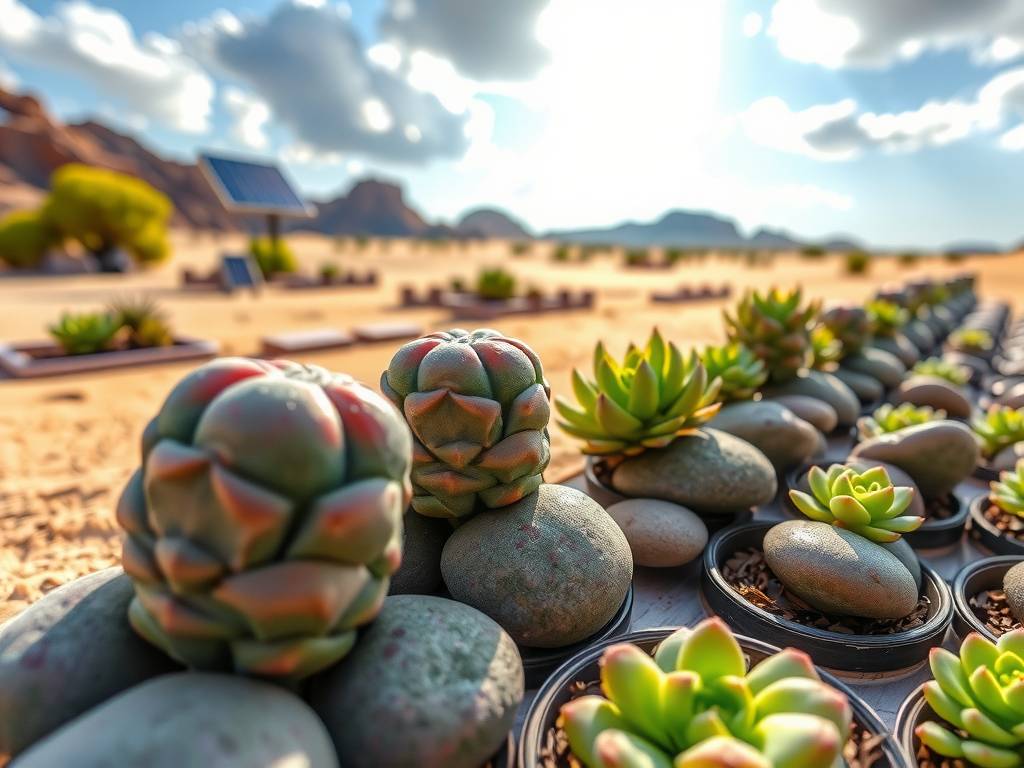
Have you ever lovingly watered your living stones, only to watch them turn to mush? Or perhaps you’ve anxiously waited for months, wondering why your lithops look shriveled and refuse to split. You’re not alone. The unique beauty of lithops, often called “living stones,” is matched only by the confusion surrounding their care. The two most critical, and most commonly misunderstood, aspects are water and light. Mastering the delicate balance between these elements is the absolute key to triggering their fascinating annual cycle of smooth molting and robust growth. This guide will demystify the process, transforming your anxiety into confidence.
Understanding the Lithops Lifecycle: The Why Behind the Care
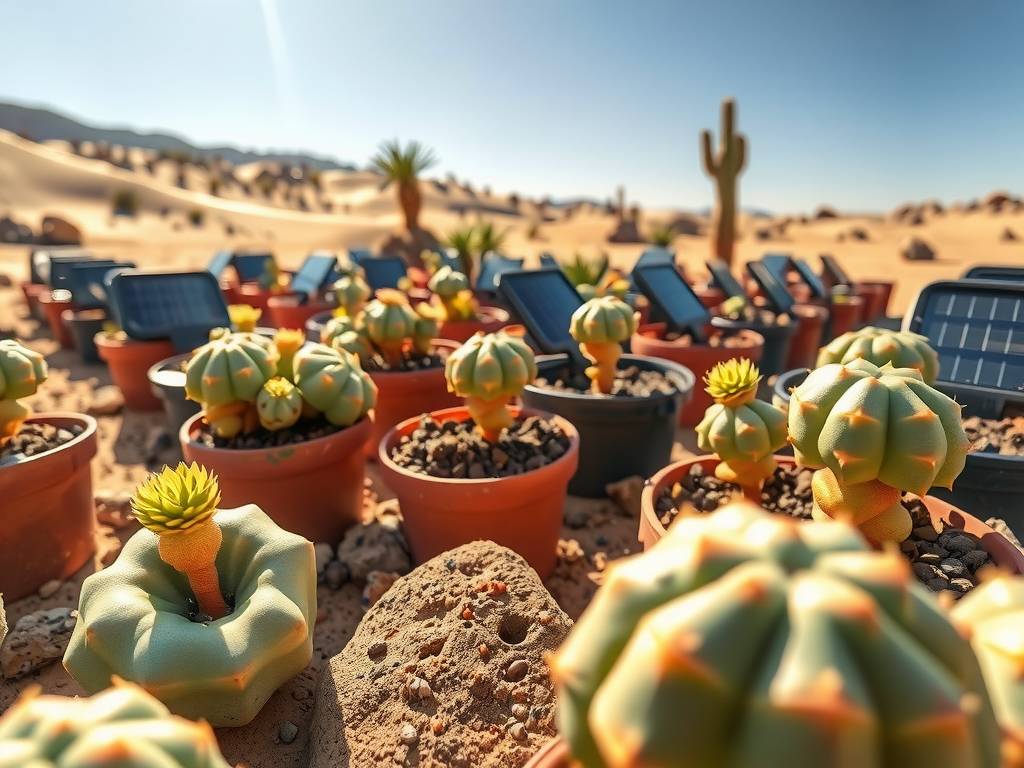
To care for lithops successfully, you must first understand what you’re trying to achieve. Their care routine isn’t arbitrary; it’s a direct mimicry of their native South African desert environment. Their yearly growth cycle is the roadmap for all your watering and lighting decisions.
The cycle begins after the summer dormancy. In late summer or fall, a flower bud emerges from the fissure between the leaf pair. Following flowering, the plant begins its most crucial phase: producing a new body. Inside the old “leaf” pair, a brand new pair develops, drawing moisture and nutrients from the old leaves. This is the molting process. The old leaves gradually shrivel into papery husks as the new ones enlarge. Successful molting is the ultimate sign of a healthy lithops.
Your goal is to support this internal renewal by providing conditions that signal to the plant exactly what season it is. Incorrect watering or insufficient light disrupts this signal, leading to failed splits, rot, or disfigured growth.
Mastering Light: The Non-Negotiable Foundation
Light is the primary driver of the lithops lifecycle. Without adequate light, all other care is futile.
Intensity and Duration: Mimicking the Desert Sun
Lithops require intense, direct light for the majority of the day. A minimum of 4-6 hours of direct sunlight is essential, with 6-8 hours being ideal for promoting compact, stress-colored growth and triggering flowering. An east, south, or west-facing window is typically required. As noted by the Alpine Garden Society (AGS), succulents like lithops that are adapted to high-altitude or desert plains demand maximum light exposure to maintain their natural, stress-induced pigmentation and compact form.
Signs of insufficient light are unmistakable: the plant will begin to stretch or “etiolate,” becoming taller and paler as it reaches for a light source. This weakens the plant’s structure, makes it more susceptible to rot, and often prevents flowering and proper molting.
Seasonal Light Adjustments
While they crave sun, be mindful of intense, magnified light through glass in peak summer, which can scorch them. A sheer curtain during the hottest afternoon hours can prevent burning. For growers using grow lights, full-spectrum LED or T5 fluorescent lights placed 6-12 inches above the plants for 12-14 hours a day can perfectly supplement or replace natural light, especially during dark winters.
The Art of Watering: Less is Always, Always More
If light is the director, watering is the carefully choreographed dance. The mantra for lithops water requirements is “when in doubt, don’t.” Overwatering is the fastest way to kill a lithops, while underwatering is a slow, correctable process.
The Seasonal Watering Schedule: A Year-Round Guide
Your watering can should remain in the cupboard for most of the year. Here’s the breakdown aligned with their growth cycle:
- Spring (Growth Period): Water very sparingly, if at all. Only water if the tops of the leaves become deeply concave and wrinkled, and the sides are puckered. A light watering then is sufficient.
- Summer (Dormancy): STOP WATERING COMPLETELY. This is a rest period. The plant is not actively growing and cannot use the water, making it prone to rot.
- Late Summer/Fall (Flowering & New Growth): This is the main, and often only, significant watering window. Resume watering only when you see the flower bud emerging or the old leaves begin to shrivel around the new pair forming inside. Water thoroughly, allowing the soil to dry completely before the next watering. This supports flowering and the internal development of the new leaves.
- Winter (Molting Phase): CEASE ALL WATERING. This is the most critical rule. The new leaves are drawing all needed moisture from the old leaves. Adding water at this stage can cause the old leaves to remain plump, physically trapping the new leaves and causing a distorted or ruptured molt. It can also lead the new leaves to absorb external water and burst.
How to Water Lithops Correctly
When it is time to water, use the “soak and dry” method. Water the soil thoroughly until it runs freely from the drainage holes. Then, allow the pot to drain completely. Never let the plant sit in a saucer of water. The potting medium must be bone-dry before the next watering. A moisture meter can be a helpful tool for beginners to confirm dryness deep in the pot.
Soil and Pot: The Supporting Cast for Moisture Control
Watering practices are only as good as the soil and pot they’re used in. The right setup prevents moisture retention that dooms lithops.
The Ideal Fast-Draining Mix
A standard cactus soil is not sufficient. It retains too much moisture. You must create a gritty, inorganic mix. A perfect blend is 80-90% mineral grit (like pumice, perlite, coarse sand, or crushed granite) to only 10-20% potting soil. This mix replicates their native rocky ground, ensuring water flashes through and roots never stay wet. The Royal Horticultural Society (RHS) advises for succulents requiring excellent drainage that “a loam-based compost with added extra grit or perlite (up to 50%) is suitable,” but for lithops, an even grittier ratio is recommended by specialists.
Pot Selection and Drainage
Always use a pot with a drainage hole. Terracotta clay pots are excellent as they are porous and help wick away moisture from the soil. The pot should be deep enough to accommodate the long taproot—aim for 3-5 inches deep. A shallow, wide pot is not ideal.
Troubleshooting: Solving Common Molting and Growth Problems
- The Old Leaves Won’t Shrivel: You are almost certainly watering during the molting period. Stop all water immediately. The plant will eventually use up the old leaves’ reserves.
- The New Leaves Are Emerging from the Side or Bottom: This is a sign of severe overwatering or watering at the wrong time, causing the new growth to rupture out abnormally. Correct your watering schedule immediately.
- Lithops Are Mushy or Discolored (Yellow/Brown): This is rot from overwatering. It is often fatal. You can attempt surgery by cutting away all soft tissue with a sterile knife, letting the wound callous, and replanting, but success is not guaranteed.
- Lithops Are Extremely Wrinkled and Shriveled: This is typically underwatering, but first check the season. If it’s during a natural dormancy (summer) or molting (winter), wrinkles are normal. If it’s during a growth period (spring/fall), a thorough soak may be needed.
How often should I water my lithops? There is no weekly schedule. Watering is dictated entirely by the plant’s seasonal cycle and physical signs. The main watering period is in fall during flowering/new growth initiation. Water only when the soil is completely dry and the plant shows signs of thirst (deep wrinkling on top during growth periods). Absolutely no water in summer and winter.
Can lithops get too much sun? While they need intense light, the magnifying effect of a window can cause sunburn, especially on plants not acclimated to direct sun. Signs are brown, crispy, or bleached patches. Introduce them to direct sun gradually and provide slight afternoon shade during heatwaves.
Why is my lithops not splitting? Failure to split is usually linked to incorrect watering. Watering during winter molting prevents the old leaves from transferring resources to the new pair. Alternatively, insufficient light can stall the plant’s entire growth cycle, delaying or preventing the molting process altogether. Ensure strict dry winter conditions and provide maximum light.
Caring for lithops is a lesson in observation and restraint. By providing relentless, bright light and applying water with an extreme seasonal discipline, you work in harmony with their innate desert rhythm. The reward is a fascinating, low-maintenance plant that performs its miraculous act of renewal year after year—splitting open to reveal a perfect, new pair of leaves. Success lies not in constant intervention, but in creating the right conditions and then having the patience to let nature take its course.