bluename
 How to Care for Conophytum - Mastering Ventilation for a High Survival Rate
You've carefully chosen your Conophytum, those charming "living stones" or "cone plants," and provided the perfect gritty soil and bright light. Yet, despite your best efforts, you might find them suddenly turning to mush, developing unsightly spots, or failing to thrive after watering. The culprit is often overlooked but critically important: inadequate ventilation. Proper air circulation is not just a minor detail; it's the cornerstone of achieving a high survival rate for your Conophytum collection. This guide will delve deep into the why and how of Conophytum ventilation care, transforming your approach and ensuring your succulent gems flourish.
Understanding the Critical Role of Airflow for Conophytum Health
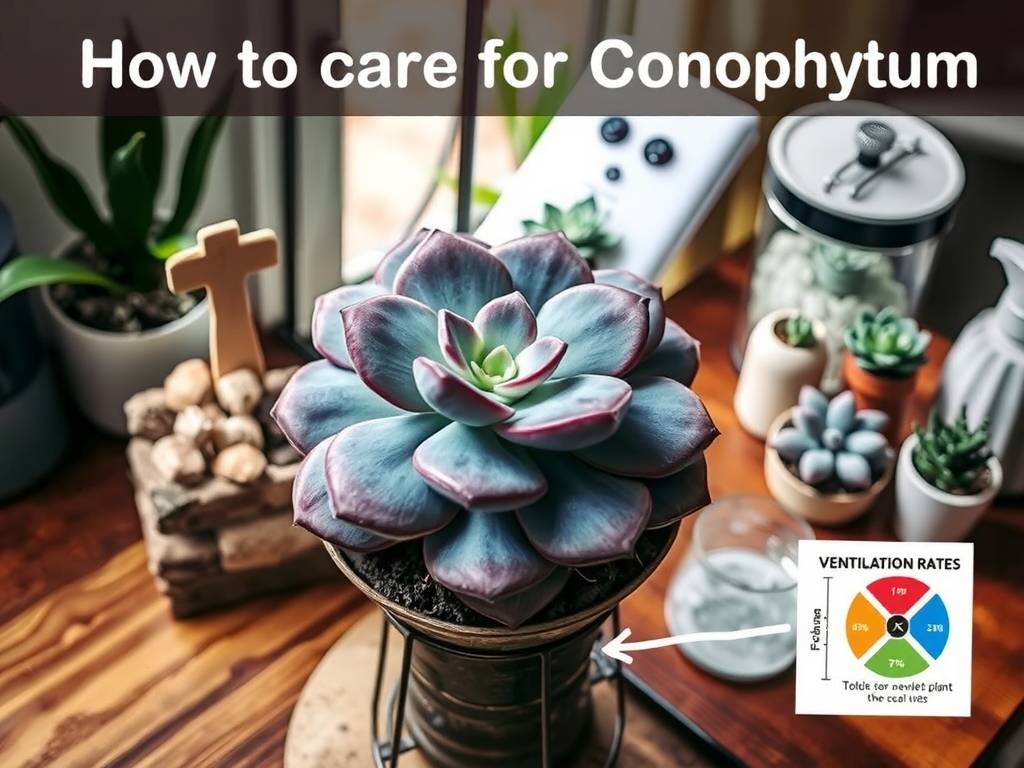
Conophytum species originate from the arid, windswept regions of South Africa and Namibia. In their natural habitat, they are accustomed to constant, gentle air movement across the rocky quartz fields where they grow. This environmental factor is baked into their very physiology. When we bring them into our homes or greenhouses, we often create a stagnant, humid microclimate that is completely foreign to them.
Stagnant air is the perfect breeding ground for fungal pathogens like Botrytis and various rot-causing organisms. After watering, moisture lingers on the plant's surface and in the soil medium for far too long. For a plant adapted to drying rapidly, this prolonged dampness is an invitation for disaster. Furthermore, good ventilation strengthens the plant's tissues, promotes robust growth, and is essential for regulating temperature, preventing heat buildup that can scorch or stress the plant. Expert succulent cultivators, including those contributing to the Cactus and Succulent Society of America (CSSA) resources, consistently rank proper airflow alongside light and watering as non-negotiable pillars of Conophytum care.
The Consequences of Poor Ventilation: What You Might Be Seeing
If your ventilation strategy is lacking, your Conophytum will send clear distress signals. The most common and devastating symptom is rot. This often starts at the base or between the old leaves and the new growth, appearing as soft, discolored, or translucent patches. Once rot sets in, it can be difficult to stop.
You may also notice mold growth on the soil surface or on the plant itself—a sure sign of excessive humidity and stagnation. Etiolation, or stretching, can be exacerbated by poor air circulation combined with insufficient light, as the plant weakens in its search for better conditions. Finally, a general failure to plump up properly after watering, or a persistent wrinkled appearance despite correct watering, can indicate that the roots are unhealthy due to a perpetually damp, oxygen-poor root zone.
Designing the Optimal Ventilation Setup
Creating the right environment for Conophytum ventilation care begins with your physical setup. Your goal is to simulate that gentle, consistent breeze of their native land.
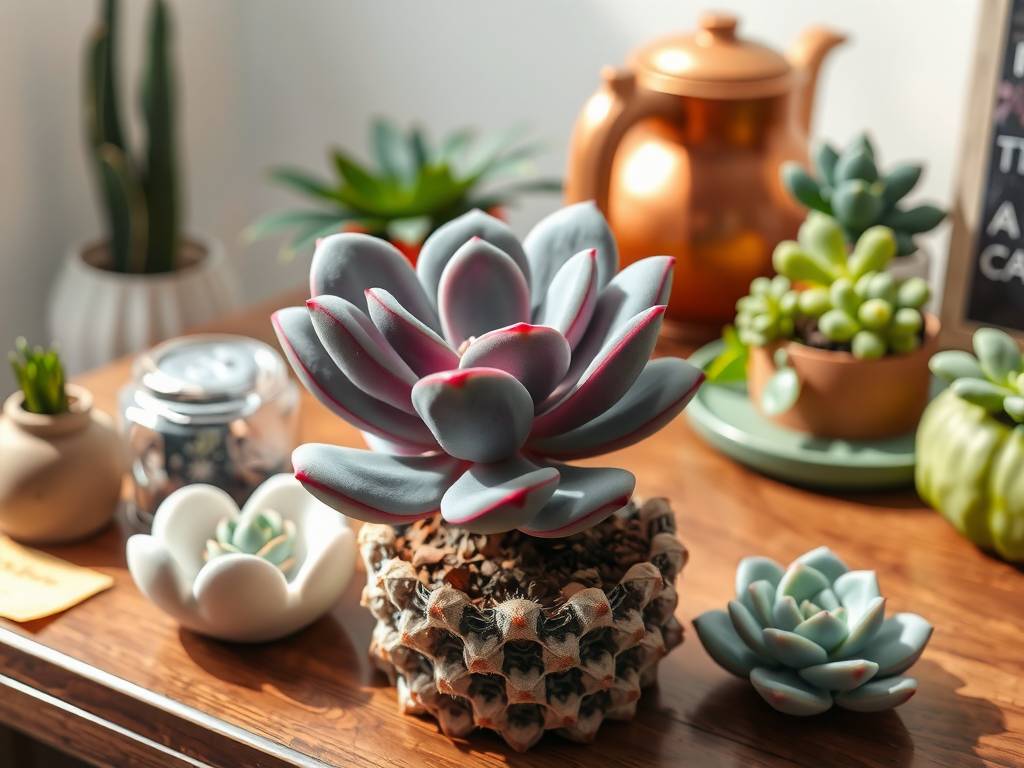
First, consider placement. Avoid enclosed terrariums or deep, solid-sided display cases. These are death traps for Conophytum, trapping moisture and preventing gas exchange. Instead, opt for open shelves, mesh-bottomed trays, or benches. Always use pots with ample drainage holes—this is non-negotiable. The pot material also plays a role; unglazed terracotta is excellent as it is porous, allowing water vapor and air to pass through the pot walls, aiding in drying the root ball from all sides.
The strategic use of fans is the single most effective tool for improving survival rates. A small, oscillating fan placed at a distance to provide indirect, gentle airflow across your plant collection works wonders. It should not be a strong, direct gust that dehydrates the plants, but a soft, continuous movement. Run the fan consistently, or at the very least, for several hours after watering and during the day. This moving air swiftly carries away excess moisture from leaves and soil surfaces, dramatically reducing the window of opportunity for pathogens.
Integrating Ventilation with Your Watering Routine
Ventilation and watering are intrinsically linked. Your watering practices can either support or undermine your airflow efforts. The golden rule is to always water when you can provide maximum ventilation afterward. This means watering in the morning on a day when you can run fans and perhaps even have a window open. Watering at night, when temperatures drop and air movement typically decreases, leaves plants wet for many hours, inviting rot.
The "soak and dry" method is ideal, but its success hinges on the "dry" part happening quickly. After thoroughly drenching the soil, the pot should begin to dry out from the top and sides within a few days. If it remains soggy for a week, your soil mix is too water-retentive and/or your ventilation is insufficient. A gritty, mineral-based soil mix (80% inorganic material like pumice, perlite, or coarse sand) is essential because it allows air to penetrate the root zone even when moist, preventing suffocation.
Seasonal Adjustments for Year-Round Success
Your Conophytum's ventilation needs change with its growth cycle and the seasons. During their active growth periods (typically autumn and spring), they can handle more frequent watering, but this makes good airflow even more critical. In the hot summer dormancy period, when most Conophytum are resting and very sensitive to moisture, ventilation becomes crucial for temperature control. Ensure they are in a spot with excellent air movement to dissipate heat, and water extremely sparingly, if at all.
Winter is often the flowering and growth period for many species. While they are active, maintain good airflow. However, be mindful of cold drafts from windows, which can be as harmful as stagnant air. The goal is cool, fresh, and moving air, not a freezing blast.
Troubleshooting Common Ventilation-Related Problems
Even with good practices, issues can arise. If you spot early signs of rot (a soft spot), immediately isolate the plant. Use a sterile knife to excise all affected tissue, dust the wound with sulfur or cinnamon, and place the plant in a spot with exceptional airflow to callous. Repot into a completely dry, gritty mix and withhold water for several weeks.
For persistent high humidity, a small dehumidifier in the plant room can be a worthwhile investment. If you notice dust accumulating on the fan blades or plants, clean it regularly, as dust can impede airflow and light penetration. Remember, ventilation works in concert with other factors. A plant getting insufficient light will be more susceptible to the negative effects of poor air circulation.
Why did my Conophytum rot even though I barely water it? This is a classic sign of poor ventilation combined with a moisture-retentive soil mix. "Barely watering" can still leave the lower soil and the area around the stem damp for weeks if the air is completely still. The water has no way to evaporate. Switching to a grittier soil and introducing constant, gentle airflow will create an environment where the roots can access water and then dry appropriately, preventing rot.
Can I use a fan on my seedlings and propagations? Yes, but with greater caution. Seedlings and leaf cuttings require higher humidity to establish roots. A direct, strong fan will dry them out too quickly. Instead, provide very gentle air movement in the room, ensure their propagation tray has ventilation holes, and gradually expose them to more airflow as they mature and are potted up. A fan set on low, pointed away from the trays to circulate air in the room indirectly, is a safe approach.
Is an open window enough for ventilation? An open window can be excellent, but it's inconsistent and season-dependent. It provides fresh air exchange, which is beneficial. However, on still days, it may not provide the consistent movement needed across the plant's surface. It can also introduce pests, sudden cold snaps, or rain. Using a small fan in conjunction with occasional open windows creates a more controlled and reliable environment, ensuring your Conophytum receive the steady breeze they need for a high survival rate, regardless of the weather outside.
Mastering Conophytum care is a rewarding journey of mimicking a harsh yet beautiful natural environment. By elevating ventilation from an afterthought to a central pillar of your routine, you address the primary cause of loss for these fascinating succulents. Consistent, gentle airflow mimics their native habitat, keeps pathogens at bay, strengthens growth, and works hand-in-hand with your watering schedule. When you see your Conophytum plump up healthily, bloom reliably, and multiply year after year without issue, you'll know the invisible current of air you provided was the key to unlocking their long-term vitality.