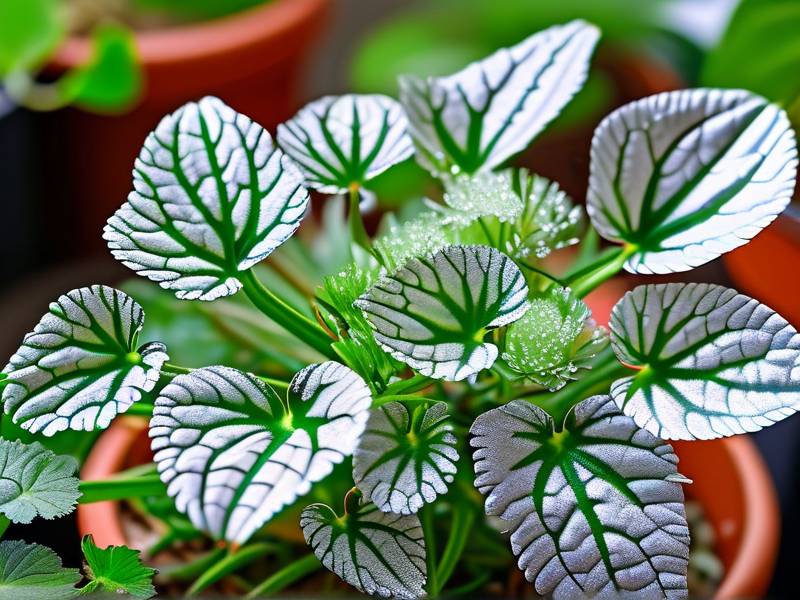
bluename
 How to Care for Ceropegia Woodii - Strong Light & Drought Tolerant for Plump Leaves
You’ve brought home a String of Hearts, captivated by its delicate, heart-shaped leaves and elegant trailing vines. But now, those charming leaves look thin, sparse, or are dropping, and the long stems seem stretched and weak. The lush, plump specimen you envisioned feels out of reach. This common frustration often stems from one core misunderstanding: while Ceropegia woodii is famously resilient, achieving those coveted, thick, succulent-like leaves requires mastering its specific love for strong light and calculated drought.
This guide cuts through the guesswork. We’ll detail exactly how to leverage bright light and strategic watering to transform your plant into a vigorous, glossy-leaved showstopper. By emulating its native rocky, sun-drenched habitats, you’ll unlock its full potential for lush, compact growth.
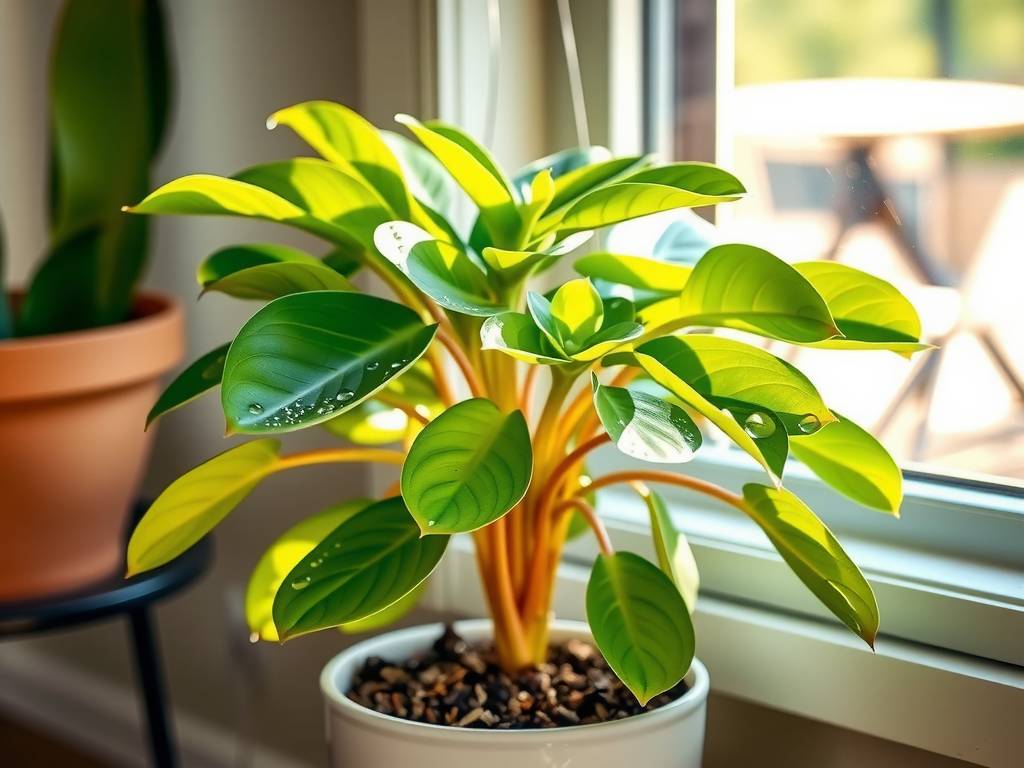
Understanding Your Ceropegia Woodii: A Natural Born Sun Lover
To care for it effectively, think of its origin. Ceropegia woodii hails from South Africa, Swaziland, and Zimbabwe, where it scrambles over sun-baked rocks and in well-draining crevices. The Royal Horticultural Society (RHS) classifies it as a tender succulent, emphasizing its need for excellent drainage and bright light. Its plump leaves and tuberous roots are evolutionary adaptations to store water through periods of intense drought. In your home, replicating these conditions of abundant light and infrequent, deep watering is the non-negotiable key to success.
The #1 Rule for Plump Leaves: Providing Strong, Direct Light
Light is the primary driver of photosynthesis and leaf development. Insufficient light is the main culprit behind leggy growth, large gaps between leaves (internodal stretching), and pale, thin foliage.
Ideal Light Conditions for Maximum Health Aim for very bright, indirect light with several hours of gentle direct sun. An east-facing window is often perfect, offering strong morning light. A south or west-facing window can also work, but you may need to diffuse the harsh afternoon sun with a sheer curtain to prevent leaf scorch during peak summer months. According to the American Horticultural Society’s (AHS) light exposure guidelines, Ceropegia woodii thrives in "Full Sun to Partial Shade," where "Full Sun" equates to 6+ hours of direct light daily. Indoors, this translates to the brightest spot you can provide.
Signs Your Plant Needs More Light
- Leggy Growth: Vines grow long with several inches between each pair of leaves.
- Leaf Pale: Leaves lose their rich green and variegation, becoming washed-out.
- Leaf Thinness: New leaves grow small and flat, lacking a plump, succulent texture.
- Slow Growth: The plant produces very few new leaves or stems.
Supplementing with Grow Lights For homes with limited natural light, full-spectrum LED grow lights are a game-changer. Position the light 6-12 inches above the plant for 12-14 hours a day. This artificial "sun" will ensure compact growth and leaf plumpness year-round, especially in winter.
Mastering the Drought: A Watering Strategy for Succulent Leaves
Watering is where most enthusiasts err. "Drought tolerant" does not mean "likes to be constantly moist." Its watering needs are seasonal and directly tied to light exposure.
The "Soak and Dry" Method Explained Water deeply only when the soil is completely dry. Insert your finger into the top 1-2 inches of soil, or lift the pot—if it feels light, it’s time. When watering, drench the soil until water flows freely from the drainage holes. This ensures the roots and tubers get a full drink. Then, let all excess water drain away completely. Never let the plant sit in a saucer of water.
Seasonal Watering Adjustments
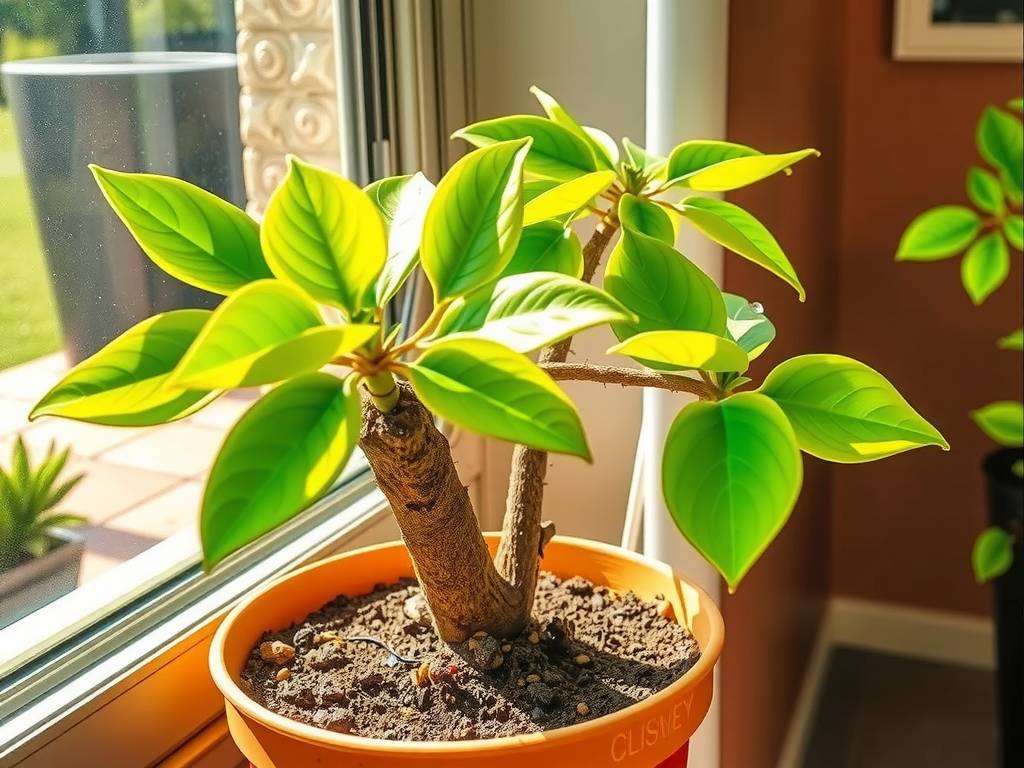
- Spring & Summer (Growth Season): With stronger light and active growth, watering frequency will increase. You may water every 7-10 days, always checking soil dryness first.
- Autumn & Winter (Dormancy): Growth slows. Water much more sparingly, potentially only once every 3-4 weeks. The soil should stay dry for significantly longer periods.
The Critical Role of Potting Mix and Drainage Even perfect watering will fail in the wrong soil. A well-draining, gritty mix is essential to prevent root rot. Use a commercial cactus/succulent mix, or make your own with 2 parts potting soil, 1 part perlite, and 1 part coarse sand or pumice. Always plant in a container with ample drainage holes. Terracotta pots are excellent as they wick away excess moisture.
Essential Care Practices to Support Lush Growth
Feeding for Strength and Shine During the active growing season (spring and summer), feed monthly with a balanced, water-soluble fertilizer diluted to half-strength. A formula like 10-10-10 or one slightly higher in phosphorus (e.g., 5-10-5) can support root and leaf development. Avoid fertilizing in fall and winter when the plant is resting.
Pruning and Propagation for a Fuller Plant Don’t be afraid to trim long vines! Pruning encourages branching, leading to a bushier plant. You can propagate these cuttings effortlessly in water or soil to create new plants or add back to the mother pot for density. The small aerial tubers that form along the stems (looking like little beads) are also perfect for propagation.
When and How to Repot Repot only when the plant is root-bound, typically every 2-3 years. Choose a pot only one size larger, as too much soil retains unwanted moisture. The best time to repot is at the start of the growing season in spring.
Troubleshooting Common Issues
- Yellowing, Mushy Leaves: This is a classic sign of overwatering. Immediately stop watering, check for root rot, and repot into dry, fresh succulent mix if necessary.
- Dry, Crispy Brown Leaves: Usually indicates severe underwatering or very low humidity. While drought-tolerant, it still needs water. Give it a thorough soak.
- Pests: Mealybugs and aphids can occasionally appear. Wipe leaves with a cotton swab dipped in rubbing alcohol or use insecticidal soap.
Frequently Asked Questions
Can my String of Hearts get too much direct sun? Yes, in extreme conditions. While it loves bright light, the intense, scorching afternoon sun through a south or west window in summer can burn the leaves, causing brown, crispy patches. If you notice this, filter the light with a sheer curtain or move the plant slightly back from the window.
How can I make my plant more bushy instead of long and stringy? Regular pruning is the answer. Snip back long vines to your desired length. The plant will respond by producing new growth points at the nodes below the cut, creating a fuller appearance. You can also coil healthy, long vines back on top of the soil and pin them down; they may root at the nodes, creating a denser base.
Why are the little tuber beads on my vines? Those are aerial tubers, a natural storage organ and a fantastic propagation feature. You can snip a section of vine with a tuber, lay it on moist soil, and it will readily root and form a new plant. They are a sign of a healthy, mature Ceropegia woodii.
Achieving a thriving Ceropegia woodii with plump, glossy leaves is a simple matter of respecting its natural preferences. By prioritizing strong, bright light and adhering to a disciplined "soak and dry" watering routine in a well-draining mix, you provide the foundation for resilient, beautiful growth. Observe your plant closely—it will tell you what it needs. With these principles in hand, you can confidently cultivate a stunning, drought-tolerant display that showcases the true succulent nature of this beloved trailing houseplant.