 bluename
 How to Care for Senecio Rowleyanus - Hanging Care for Better Trailing Effect
You’ve fallen in love with the charming, bead-like leaves of the String of Pearls plant, scientifically known as Senecio rowleyanus. Its unique trailing vines promise a stunning cascading display, perfect for hanging baskets and high shelves. Yet, achieving that lush, full, and healthy trailing effect often feels elusive. Many plant enthusiasts struggle with sparse vines, mushy pearls, or a plant that simply refuses to cascade gracefully. The secret to unlocking its full potential lies not just in basic care, but in mastering the specific techniques of hanging care. This guide is dedicated to transforming your approach, providing you with expert-backed strategies to cultivate a thriving, spectacularly trailing Senecio rowleyanus.
Understanding Your Senecio Rowleyanus
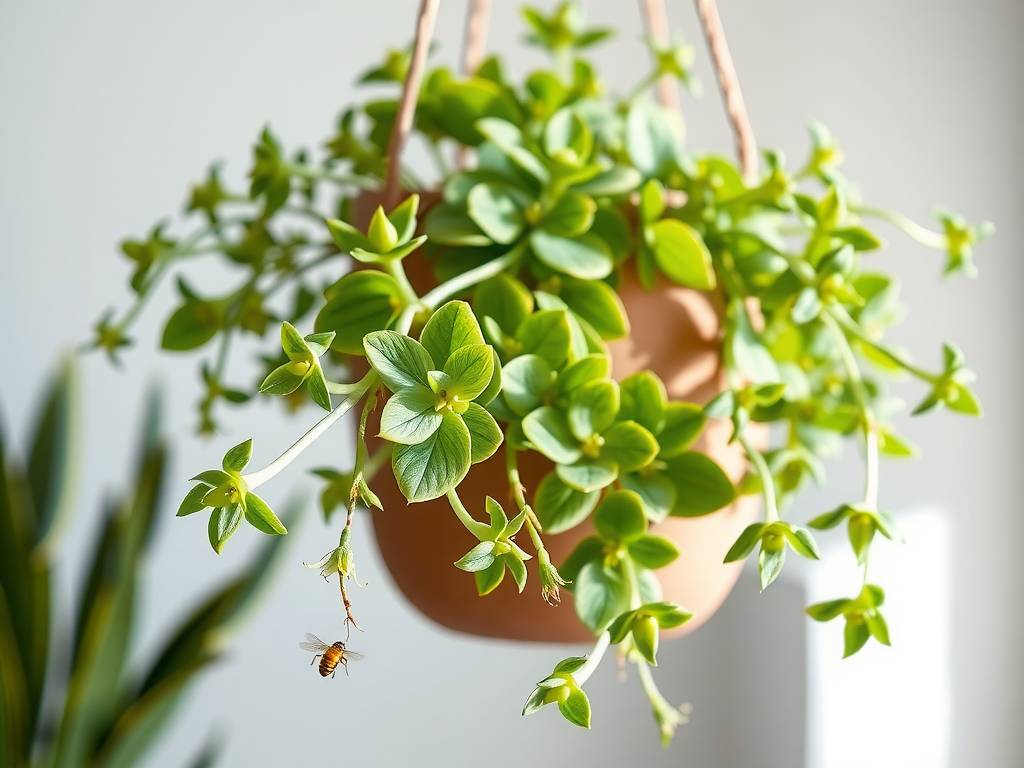
Before diving into specialized care, it’s crucial to understand its origins. Native to the arid regions of southwest Africa, Senecio rowleyanus is a succulent adapted to store water in its spherical leaves. This evolutionary trait is the key to its care: it thrives on neglectful watering and bright light. Its trailing habit is a natural adaptation for spreading across rocky ground. When hung, we mimic this environment, allowing its stems to grow unimpeded and seek light, which encourages longer, more vigorous trails. Recognizing this helps us avoid the most common pitfall—treating it like a typical tropical houseplant.
The Perfect Hanging Environment: Light, Location, and Setup
Creating the ideal environment is the first critical step for better trailing growth.
Optimal Light for Lush Growth Bright, indirect light is non-negotiable for a dense, trailing Senecio rowleyanus. A spot near a south or east-facing window is ideal, where it receives several hours of gentle sunlight. According to the Royal Horticultural Society (RHS), succulents like Senecio rowleyanus require high light levels to maintain compact growth and prevent etiolation—the stretching and weakening of stems. Direct afternoon sun can scorch the pearls, causing discoloration, so filtered light is best. If natural light is limited, consider supplementing with a grow light placed 6-12 inches above the plant for 12-14 hours a day. This consistent light source encourages even growth along the entire vine, preventing a lopsided appearance.
Choosing and Preparing the Right Hanging Planter The container is more than a home; it’s a foundation for growth. Select a hanging pot with ample drainage holes. Terracotta or unglazed ceramic pots are excellent choices as they are porous, allowing the soil to dry more evenly and reducing the risk of root rot. The size matters: a pot that is too large will hold excess moisture, while one too small will constrict the roots. A pot 1-2 inches wider than the root ball is sufficient. For the iconic trailing effect, choose a planter with a wide, open top or a shallow, wide bowl style. This allows the pearls to spill over the edges from multiple points, creating a fuller cascade from the very beginning.
Mastering the Art of Watering for Hanging Succulents
Watering is where most Senecio rowleyanus care goes awry, especially in hanging setups where air circulation can dry the top soil faster.
The "Soak and Dry" Method Explained Abandon a fixed watering schedule. Instead, adopt the "soak and dry" method recommended by succulent experts. Insert your finger into the soil up to the first knuckle. If the soil is completely dry, it’s time to water. Thoroughly soak the soil until water runs freely from the drainage holes. This ensures the entire root ball is hydrated. Then, allow the soil to dry out completely before the next watering. In a hanging basket, the entire pot may feel lighter when dry—this is a good physical cue. During winter dormancy, reduce watering frequency significantly, perhaps once a month, as growth slows.
Signs of Overwatering and Underwatering Recognizing distress signals is key. Overwatering, the primary killer, leads to soft, mushy, translucent, or burst pearls and blackened stems. If you see this, stop watering immediately, remove any affected parts, and check the roots for rot. Underwatering shows as shriveled, dry, and crispy pearls. The plant is using its internal water reserves. A thorough soak will typically plump them back up within a day or two.
Soil and Fertilization: The Support System for Trailing Vines
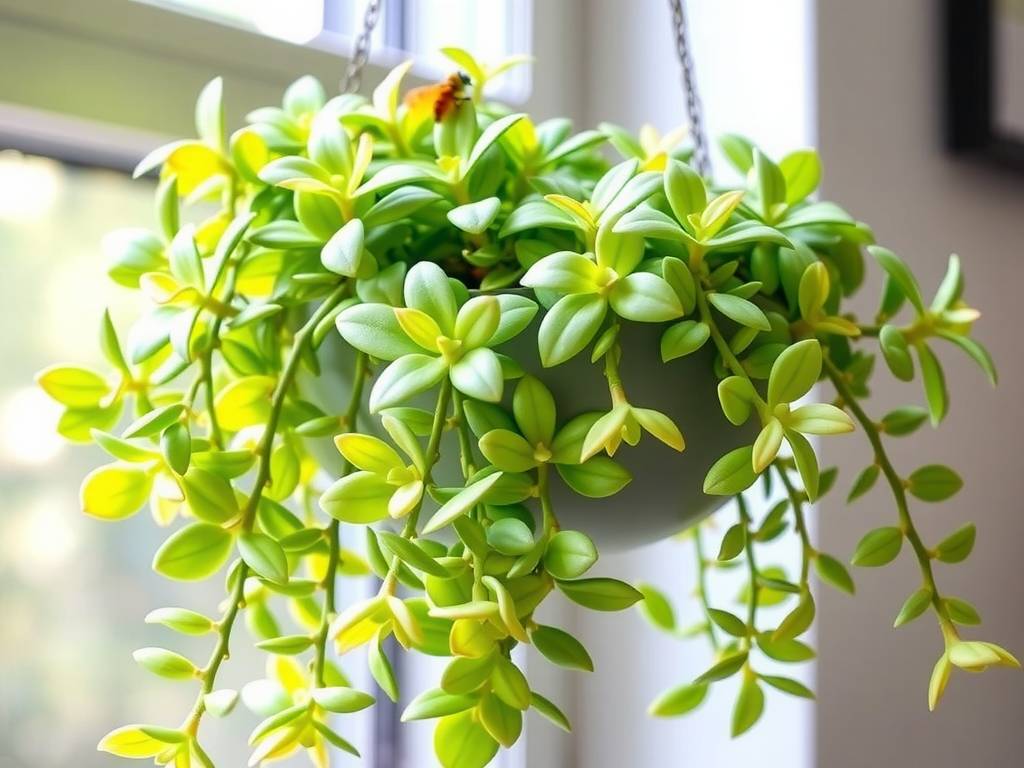
The right soil mix provides stability and nutrition for those long, heavy vines.
Creating the Ideal Well-Draining Mix Standard potting soil is a death sentence for Senecio rowleyanus. It retains too much moisture. You need a gritty, exceptionally well-draining mix. A proven recipe is a combination of 50% succulent/cactus potting mix and 50% perlite or pumice. Some growers add coarse sand or small gravel for extra drainage. The American Horticultural Society (AHS) emphasizes that a fast-draining medium is critical for preventing root rot in container-grown succulents. This mix ensures water flows through quickly, providing moisture to the roots without waterlogging them, which is essential for sustaining long, healthy trails.
Strategic Fertilization for Vigorous Growth Senecio rowleyanus is not a heavy feeder, but light feeding supports vigorous trailing growth. During the active growing season (spring and summer), feed once a month with a balanced, water-soluble fertilizer diluted to half-strength. A fertilizer with a low nitrogen content (e.g., 5-10-10) is ideal, as too much nitrogen can promote weak, leggy growth. Do not fertilize in fall and winter when the plant is dormant. Over-fertilization can lead to salt buildup in the soil and damage the delicate roots.
Pruning and Propagation for a Fuller, Longer Cascade
Strategic pruning doesn’t harm your plant; it invigorates it.
How to Prune for Bushiness and Length To encourage a fuller, bushier plant with more trailing points, practice tip-pruning. Using clean, sharp scissors, snip off the last few pearls at the end of a vine. This removes the apical meristem (the primary growth point) and signals the plant to produce new growth from the nodes further back along the stem, resulting in branching. For length, simply allow the vines to grow unimpeded. You can gently guide new growth over the edge of the pot to encourage a downward trajectory.
Propagating to Enhance Your Display Propagation is the ultimate trick for a luxuriously full hanging basket. The easiest method is stem cuttings. Take a healthy cutting a few inches long, remove a few pearls from the base to expose the stem, and let it callous over for a day. Then, lay the cutting on top of moist succulent soil or lightly bury the exposed stem. Roots will form at the nodes. Instead of starting a new pot, you can coil these cuttings back into the top of the mother plant’s pot. As they root, they will add immediate volume and density to the center, creating a lush "fountain" of pearls that then trails over. This method directly addresses the common problem of a sparse center with only a few long vines.
Troubleshooting Common Hanging Basket Issues
Even with perfect care, issues can arise. Quick identification and action are key.
Pest Management in a Trailing Plant Mealybugs and aphids can occasionally bother Senecio rowleyanus. Their hiding spots within the dense trailing vines can make them hard to spot. Regularly inspect your plant, especially where leaves join the stem. If you find pests, isolate the plant. Treat with a cotton swab dipped in 70% isopropyl alcohol to dab the insects directly, or use an insecticidal soap or neem oil spray, ensuring you cover the undersides and junctions of the vines.
Dealing with Leggy Growth and Sparse Vines Leggy growth, with large gaps between pearls, is a sure sign of insufficient light. The plant is stretching to find a brighter source. The solution is to gradually move it to a brighter location. You can also prune back the leggy vines to a denser point and use the cuttings for propagation. Sparse vines often result from a lack of pruning or a single point of origin. Use the propagation-in-place technique described above to fill in the base.
Seasonal Adjustments for Year-Round Health Your plant’s needs change with the seasons. In summer, protect it from intense heat waves and monitor watering more closely. In winter, reduce watering drastically, ensure it gets as much light as possible, and keep it away from cold drafts and heating vents. A slight slowdown in growth or a less plump appearance in winter is normal.
Frequently Asked Questions
Why are the pearls on my String of Pearls plant shriveling? Shriveling pearls are a classic sign of underwatering. The plant has used up the water stored in its leaves. Check the soil; if it's bone dry, give the plant a thorough soak until water drains from the bottom. The pearls should plump up within 24-48 hours. If the soil is wet and pearls are shriveled, you may be dealing with root rot from overwatering, which prevents water uptake.
Can I grow Senecio rowleyanus in a terrarium? It is strongly not recommended. Terrariums create a closed, humid environment with minimal air circulation and slow soil drying—conditions that are the exact opposite of what this succulent needs. Senecio rowleyanus will almost certainly succumb to rot in a terrarium. It thrives in open, dry air and fast-draining soil.
How fast does String of Pearls grow, and how long can the trails get? With optimal care, Senecio rowleyanus has a moderate growth rate. You can expect several inches of new growth per month during the spring and summer growing seasons. Trails can eventually reach 2-3 feet in length indoors, and even longer in perfect greenhouse conditions. Regular pruning and propagation can create the illusion of a much fuller, faster-growing plant.
Achieving the breathtaking trailing effect with your Senecio rowleyanus is a rewarding journey that hinges on understanding and replicating its natural preferences. By prioritizing intense, indirect light, mastering the soak-and-dry watering rhythm in a well-draining setup, and using strategic pruning and propagation to encourage density, you transform simple survival into spectacular growth. Remember, patience is key. Each perfectly plump pearl and each new inch of vigorous trail is a testament to your care. Embrace these techniques, and your hanging String of Pearls will not just live but will thrive, becoming a stunning, cascading centerpiece in your home.





