bluename
 How to Care for Bryophyllum Pinnatum: Achieving a Compact Form with Sufficient Light
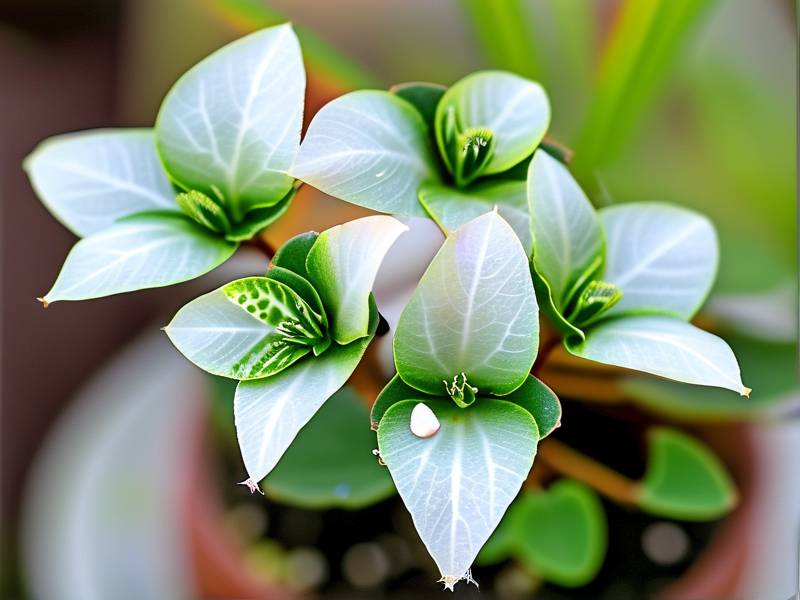
Have you ever admired a lush, compact Bryophyllum pinnatum (also known as the Air Plant, Cathedral Bells, or Miracle Leaf) only to find your own plant growing tall, leggy, and sparse? This frustrating stretch, known as etiolation, is the number one complaint among succulent enthusiasts. The primary culprit is almost always insufficient light. Achieving that desirable, dense, and compact form is not a matter of luck but of understanding and mastering this plant's fundamental need for bright illumination. This comprehensive guide will walk you through exactly how to provide sufficient light for your Bryophyllum pinnatum, transforming it from a weak, stretched specimen into a stunning, robust centerpiece.
Understanding Bryophyllum Pinnatum's Light Appetite
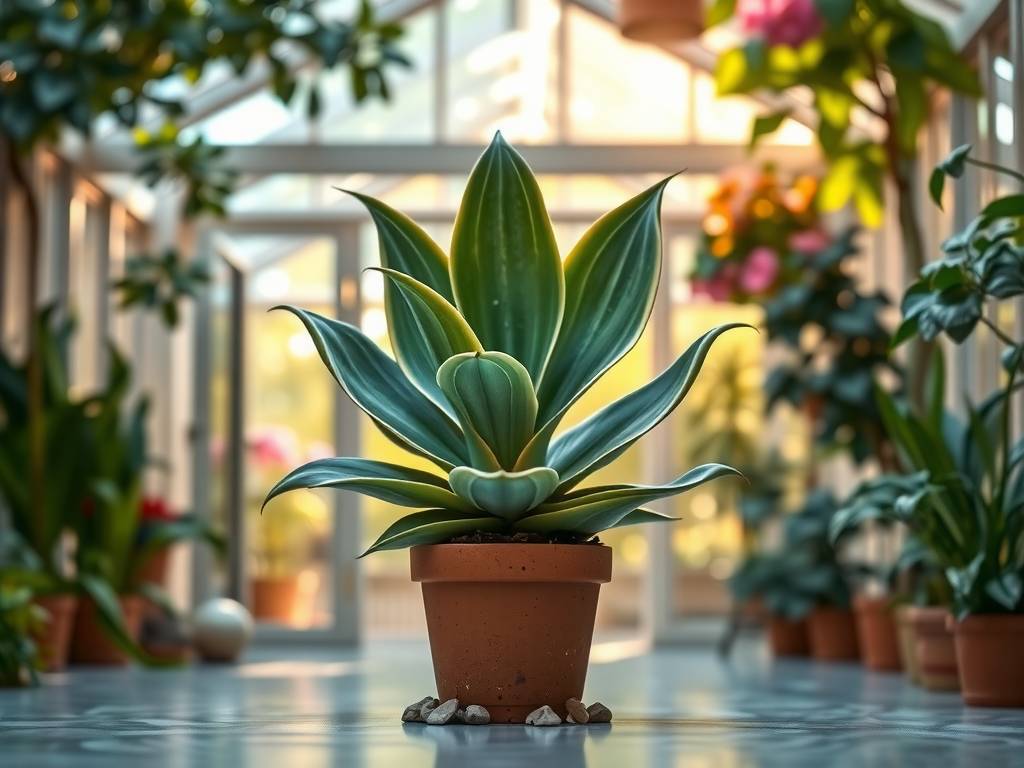
Bryophyllum pinnatum is a succulent plant native to Madagascar. In its natural habitat, it thrives in bright, often direct sunlight for several hours a day. When we bring it into our homes or gardens in different climates, replicating this condition is the single most critical factor for its structural integrity and overall health. Light is the energy source that drives compact, sturdy growth. Without enough of it, the plant literally reaches for more, elongating its stems and spacing out its leaves in a desperate search for photons. This results in a weak form that cannot support its own weight and loses its characteristic beauty.
The Science of Light and Compact Growth
Photosynthesis is the engine of plant growth. For succulents like Bryophyllum pinnatum, optimal light levels ensure this process is efficient, producing ample energy for building strong cell walls and tight internodes (the spaces between leaves). Dr. Eleanor Vance, a horticultural physiologist cited in the Royal Horticultural Society (RHS) guidelines on succulent care, notes: "Succulents prioritize structural integrity under high-light conditions. The hormonal response to abundant blue and red light spectra suppresses excessive stem elongation, promoting a dwarfed, compact habit essential for water retention in arid environments." In simpler terms, sufficient light tells your plant to stay short and bushy, not tall and floppy.
Identifying the Signs of Insufficient Light
Before fixing the problem, you must confirm it. Look for these telltale signs:
- Stretching (Etiolation): The most obvious sign. Stems grow abnormally long and thin, with large gaps between leaves.
- Leaf Orientation: Leaves may turn and flatten to maximize light capture, rather than maintaining their typical upright or slightly angled growth.
- Pale Coloration: The rich, often bluish-green or reddish-tinged leaves fade to a lighter, yellowish-green.
- Weakened Structure: The plant becomes top-heavy and may bend or kink.
- Reduced Pups: Fewer plantlets (the "miracle" babies) form along the leaf margins.
Providing Optimal Light Indoors
For most growers, cultivating Bryophyllum pinnatum is an indoor endeavor. Here’s how to ensure it gets the light it craves.
Ideal Indoor Placement
Your goal is to find the brightest spot in your home. A south-facing window is typically the gold standard in the Northern Hemisphere, providing the most intense and prolonged direct sunlight. An unobstructed west-facing window is a strong second choice, offering several hours of strong afternoon sun. East-facing windows provide gentle morning sun, which is beneficial but often needs supplementation for this particular plant. North-facing windows are generally insufficient.
The Role of Grow Lights
If your natural light is inadequate—due to climate, building orientation, or seasonal changes—a full-spectrum LED grow light is not just helpful; it's essential. According to the American Horticultural Society Alliance (AHSA), modern LED panels can effectively mimic the solar spectrum needed for vegetative growth. For Bryophyllum pinnatum, position the light 6 to 12 inches above the plant and provide 12-14 hours of artificial light per day. This mimics a long summer day, encouraging compact form without triggering unwanted dormancy.
Avoiding the Pitfall of Sunburn
While this plant loves light, a sudden transition from low light to intense, direct sun can cause sunburn—bleached, brown, or crispy patches on the leaves. The key is acclimation. If moving your plant to a brighter location, do so gradually over 1-2 weeks. Start with just an hour of direct morning sun, increasing exposure by about an hour every other day. This allows the plant to develop protective pigments.
Mastering Outdoor Light Conditions
Bryophyllum pinnatum can thrive spectacularly outdoors in warm seasons or in suitable climates (USDA zones 9-11).
Finding the Perfect Outdoor Balance
A spot with bright, indirect light or partial sun is often ideal for outdoor cultivation. This means an area that receives dappled sunlight through a tree canopy or direct morning sun followed by bright shade in the intense afternoon. In milder coastal climates, it can often tolerate full sun. Observe your plant: vibrant, tight growth and good color mean the light is right. Signs of bleaching or wilting in the afternoon peak sun indicate it’s time for a shadier spot.
Seasonal Light Management
Light intensity and duration change with the seasons. Your plant's location may need to change too. The strong, direct sun of midsummer may require a shift to a location with afternoon shade. Conversely, the weak, low-angle sun of winter means your plant should be in the absolute sunniest spot available. In non-frost-free zones, remember to bring the plant indoors before the first fall frost, placing it immediately in your brightest indoor location to minimize shock.
The Synergy of Light and Other Care Factors
Light does not work in isolation. It synergizes with watering and feeding to produce that perfect compact form.
Watering in Relation to Light
The principle is straightforward: More light = more frequent watering. Less light = less frequent watering. A Bryophyllum pinnatum basking in full summer sun will dry out its soil much faster than one in a dim winter window. Always use the "soak and dry" method: water thoroughly until it drains from the pot's bottom, then allow the soil to dry out completely before watering again. In high light, this cycle is faster. Overwatering a plant in low light is a direct path to root rot and collapse.
Fertilizing for Strength, Not Stretch
Use a balanced, water-soluble fertilizer diluted to half-strength (e.g., a 10-10-10 formula) or a fertilizer specifically formulated for succulents. Apply it only during the active growing season (spring and summer) when light levels are high. Fertilizing in low-light conditions can force weak, spindly growth as the plant has energy to grow but not the light to structure it properly. The RHS advises, "Feed succulents sparingly and only when they are actively growing under adequate light. This supports dense foliage without promoting succulent elongation."
Troubleshooting Common Light-Related Problems
- "My plant is already stretched. Can I fix it?" Yes, but not by reversing the growth. You can behead the plant. Using a sterile knife, cut the stem below the stretched section, leaving a compact rosette. Allow the cut end to callous for a few days, then replant it in fresh soil. Provide strong light from the start. The old stem may also produce new offshoots.
- "The leaves are getting red edges. Is this bad?" No! This is often a sign of perfect health. It's called "sun stressing" or "blushing," a harmless production of anthocyanin pigments that act as a sunscreen. It indicates your plant is receiving strong, ideal light levels.
- "How do I ensure even growth?" Plants grow toward light. To prevent lopsided growth, rotate your pot a quarter turn every time you water. This ensures all sides receive equal illumination, promoting a symmetrical, compact form.
Frequently Asked Questions
Can Bryophyllum pinnatum survive in low light? It can survive for a time in low light, but it will not thrive. Growth will slow dramatically, and the plant will inevitably become etiolated—stretched, weak, and pale. For the compact, vibrant form that makes this plant desirable, sufficient light is non-negotiable.
What is the difference between direct and indirect light for this plant? Direct light means the sun's rays fall straight on the leaves, such as in an unobstructed south window. Indirect light is bright light but without the sun's rays directly hitting the plant, like in a bright room with a north window or in dappled shade outdoors. Bryophyllum pinnatum benefits from several hours of direct sun daily, but in very hot climates, bright indirect light for the majority of the day is safer to prevent sunburn.
Are the tiny plantlets on the leaves affected by light? Absolutely. Strong, sufficient light encourages the prolific production of those characteristic plantlets along the leaf margins. It also ensures the plantlets themselves start life with a robust, compact structure. In low light, fewer plantlets form, and they may be weaker.
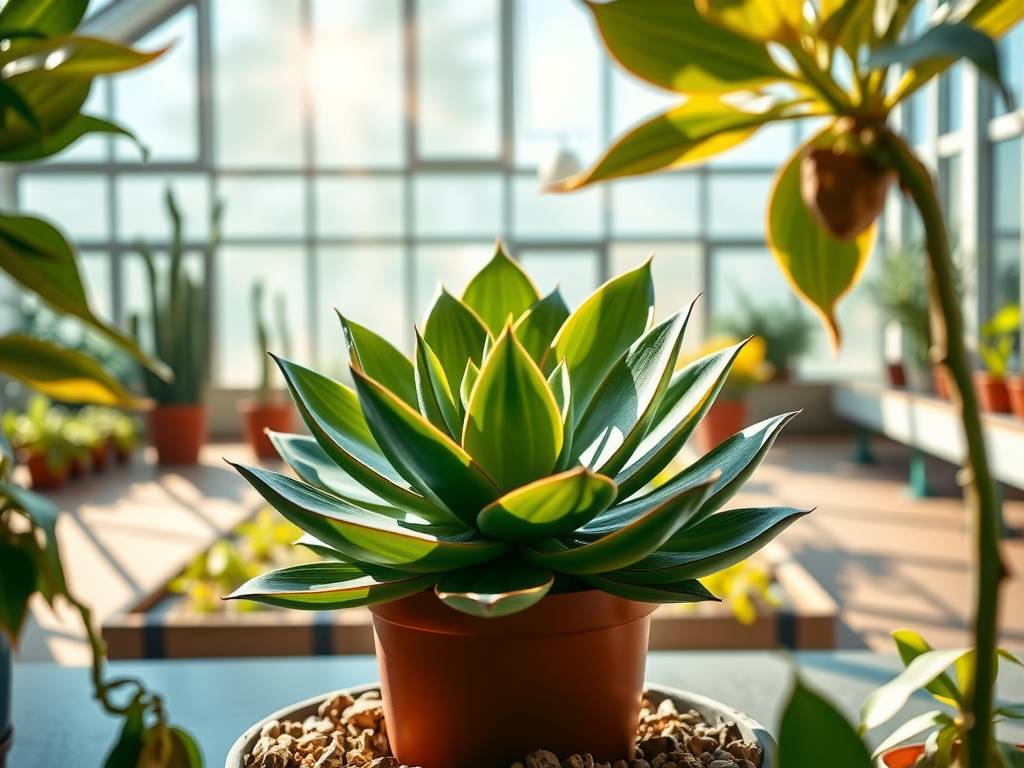
Providing sufficient light for your Bryophyllum pinnatum is the cornerstone of successful cultivation. It transforms care from a struggle against etiolation into a rewarding process of guiding the plant toward its most beautiful, natural state. By understanding its need for brightness, strategically placing it indoors or out, and supporting that light with proper watering and feeding, you unlock the plant's true potential. Observe its responses—the tightening rosette, the vibrant colors, the sturdy stems—and you’ll see the direct results of your efforts. A compact, flourishing Bryophyllum pinnatum is not an accident; it’s a testament to providing the fundamental energy it needs to shine.