bluename
 How to Care for Kalanchoe Daigremontiana - Low-Maintenance for Fast Clumping
You've brought home a fascinating Kalanchoe daigremontiana, also known as the Mother of Thousands. Its serrated leaves lined with tiny plantlets are mesmerizing. Yet, you might be wondering how to turn that single curious plant into a lush, full clump without complicated routines. The good news is that achieving fast clumping growth is surprisingly straightforward. This guide will walk you through the simple, low-maintenance care secrets that encourage your Kalanchoe daigremontiana to multiply rapidly and thrive.
Understanding Your Plant's Unique Nature
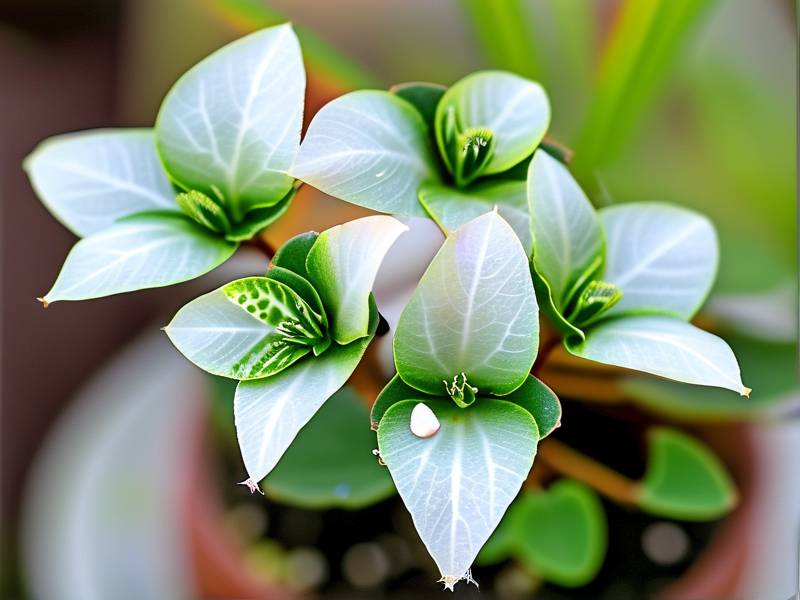
Before diving into care, it's helpful to know what makes this plant special. Kalanchoe daigremontiana is a succulent bryophyllum, famous for its prolific reproduction. The plantlets that form along the leaf edges are complete clones. They drop readily and root wherever they land. Your goal in care is to create an environment that supports the mother plant's health, which in turn supercharges the production and success of these plantlets for a dense, clustered appearance.
The Foundation: Perfect Light for Prolific Growth
Light is the most critical factor for a fast-clumping Mother of Thousands. This plant craves bright, direct light.
Aim for at least 4 to 6 hours of direct sunlight daily, preferably from a south or west-facing window. Insufficient light is the primary reason these plants become leggy, stretched, and produce fewer plantlets. The stems elongate, reaching weakly for any light source, and the iconic leaf serrations become less pronounced. According to the Royal Horticultural Society (RHS), succulents like Kalanchoe daigremontiana require high light levels to maintain compact, sturdy growth and vibrant coloration.
If you're growing indoors and lack strong natural light, consider supplementing with a grow light. 12-14 hours under a full-spectrum LED bulb can mimic ideal conditions and dramatically increase plantlet production.
Mastering the Art of Neglectful Watering
Overwatering is the fastest way to harm your plant. As a drought-adapted succulent, Kalanchoe daigremontiana stores water in its thick leaves and stems.
Adopt the "soak and dry" method thoroughly. Water the plant deeply until excess water drains from the pot's bottom. Then, let the soil dry out completely before even thinking about watering again. Stick your finger into the top 2 inches of soil; if it feels dry, it's time to water. In winter, when growth slows, you may only need to water once a month or less.
This cycle of deep drought followed by a thorough soak encourages strong, deep root growth. A robust root system supports a healthier, larger plant that can sustain more plantlets. The American Horticultural Society emphasizes that for most succulents, "the single most important practice is to avoid keeping the soil constantly moist."
The Right Soil Mix for Rapid Clumping
Fast drainage is non-negotiable. Your plant's roots need oxygen and must never sit in soggy soil.
Use a specialized cactus and succulent potting mix. For even better results, create your own blend by amending a standard succulent mix with extra perlite or pumice (up to 50% of the total volume). This creates an airy, gritty medium that replicates the plant's native, well-draining habitat and prevents root rot.
A well-draining mix works hand-in-hand with your watering routine. It allows you to water deeply without fear, ensuring the roots get the moisture they need while the excess disappears quickly. This stable foundation is key for low-maintenance care that still promotes vigorous growth.
Feeding for Fast and Healthy Multiplication
While not heavy feeders, a little nutrition goes a long way in boosting growth and plantlet formation.
During the active growing season (spring and summer), feed your Mother of Thousands once a month. Use a balanced, water-soluble fertilizer diluted to half the recommended strength. A formula like 10-10-10 or one slightly higher in phosphorus (the middle number) can encourage stronger root and shoot development.
Avoid fertilizing in fall and winter. The plant is largely dormant then, and extra nutrients can harm the roots. This minimal feeding approach provides the extra energy needed for the plant to produce its thousands of offspring without the risk of chemical burn or forced, weak growth.
Potting and Space: Encouraging a Dense Clump
Your choice of pot and how you handle the plantlets directly influences the "clumping" effect.
Choose a pot that is only slightly wider than the root ball, with excellent drainage holes. A shallow, wide pot can be ideal as it gives the falling plantlets space to root around the mother plant, creating a natural colony. When you repot—only necessary every 2-3 years—you can gently transplant rooted plantlets that have fallen into the same container back around the main stem to instantly create a fuller look.
This practice of allowing the plantlets to self-sow in the container is the secret to fast clumping growth. Don't be too quick to remove every tiny plant. Let nature take its course in the pot.
Temperature and Humidity Preferences
Kalanchoe daigremontiana enjoys average room temperatures between 65°F and 75°F (18°C - 24°C). It can tolerate temperatures down to 50°F (10°C) but is not frost-hardy.
Average household humidity is perfectly fine. There's no need to mist this plant; in fact, keeping the leaves dry helps prevent fungal issues. Good air circulation around the plant is beneficial.
Troubleshooting Common Issues
Even with easy care, you might encounter a couple of problems.
Leggy, stretched growth is a sure sign of insufficient light. The solution is to gradually move the plant to a brighter location. You can also behead the tall stem, let the cut end callous for a few days, and replant it in bright light to start a more compact plant.
Soft, mushy leaves or black stems indicate overwatering and root rot. If caught early, stop watering immediately. Remove the plant from its pot, cut away any black, mushy roots with a sterile tool, and repot it in fresh, dry succulent mix. Wait a week before resuming a careful watering schedule.
Is Kalanchoe daigremontiana toxic? Yes. The plant contains cardiac glycosides which are toxic to humans, dogs, cats, and other animals if ingested. The American Society for the Prevention of Cruelty to Animals (ASPCA) lists Kalanchoe species as toxic to pets. Always place your plant out of reach of curious children and pets.
Propagation: The Ultimate Clumping Shortcut
You don't need to do anything to propagate this plant—it does it itself. However, you can guide the process.
To intentionally create new plants or fill out your clump, simply collect the tiny plantlets that fall from the leaves. Place them on the surface of a pot filled with moist succulent mix. Do not bury them. Lightly press them into contact with the soil and provide bright, indirect light. They will root themselves within a week or two. This effortless propagation is what makes cultivating a dense cluster so simple.
What is the best way to start a new colony of Mother of Thousands? The simplest method is to allow the plantlets to naturally fall and root in the soil around the parent plant. For a new pot, gently collect dozens of plantlets and scatter them on the surface of a prepared pot with fast-draining soil. Keep the soil lightly moist until they establish, creating an instant, dense colony.
Why are the edges of my plant's leaves not producing many plantlets? This is typically due to inadequate light or insufficient maturity. Ensure the plant receives several hours of direct sunlight daily. Also, remember that very young plants or those under stress (from overwatering, incorrect temperature) will focus energy on survival rather than reproduction. Once conditions are optimized, plantlet production will explode.
Can I grow Kalanchoe daigremontiana outdoors year-round? You can in USDA hardiness zones 9b through 11, where frost is rare. In these climates, it can thrive outdoors in a spot with partial to full sun and excellent drainage. In cooler zones, it makes an excellent patio plant during the warm summer months but must be brought indoors before the first frost. Outdoor growth often leads to even faster and more prolific clumping due to ideal light and air flow.
Caring for Kalanchoe daigremontiana to achieve a rapidly clumping specimen is a lesson in benevolent neglect. By providing a foundation of intense light, infrequent but deep watering, and gritty soil, you create the perfect conditions for the plant to do what it does best: multiply. The journey from a single specimen to a lush, crowded pot of fascinating foliage is a rewarding process that requires more observation than effort. Embrace its unique reproductive strategy, and you'll be gifted with a captivating display of natural abundance that truly lives up to its name.