bluename
 How to Care for Hylotelephium Erythrostictum for Vibrant Red Leaves: A Guide to Strong Light & Drought Tolerance
You've brought home a stunning Hylotelephium erythrostictum, captivated by its promise of fiery red foliage. Yet, instead of a vibrant crimson display, you're faced with dull green leaves or, worse, a leggy, struggling plant. The dream of a drought-tolerant succulent thriving in strong light seems just out of reach. This common frustration stems from missing a few key pieces in its care puzzle. Achieving those signature red leaves isn't luck—it's a direct result of mastering its specific needs for light, water, and environment.
This comprehensive guide will walk you through every step, transforming your care routine and unlocking the full, colorful potential of your Hylotelephium erythrostictum.
Understanding Your Hylotelephium Erythrostictum
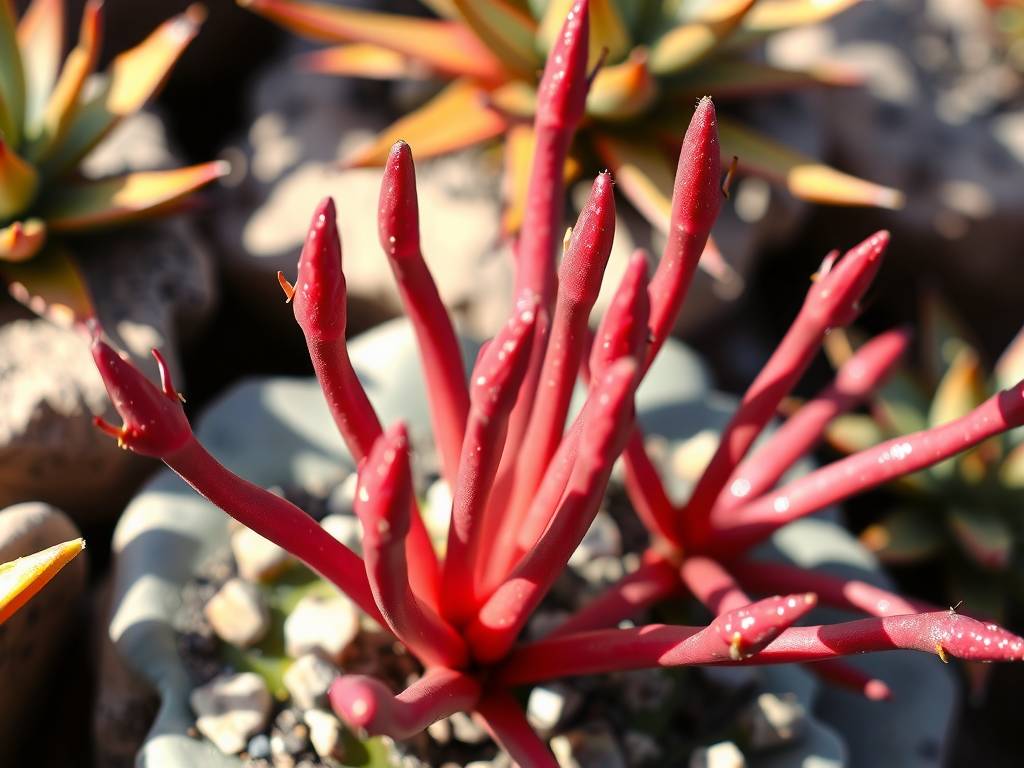
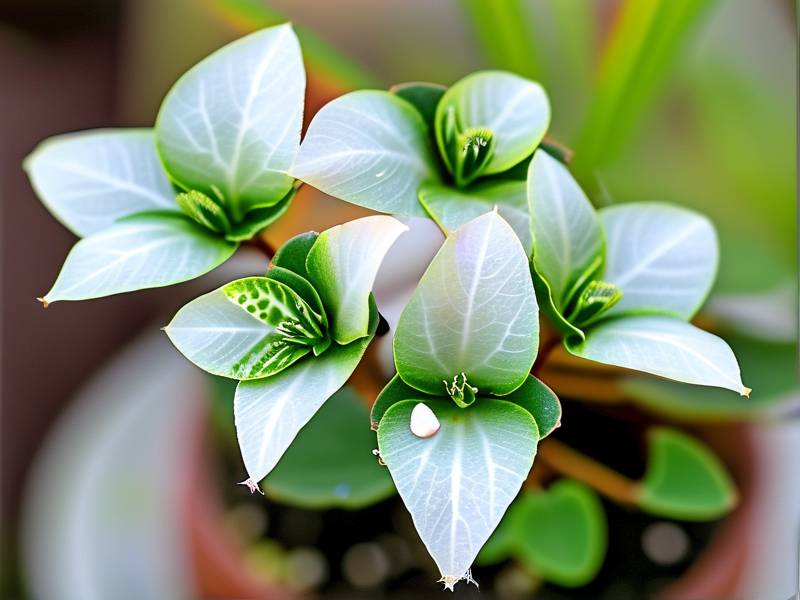
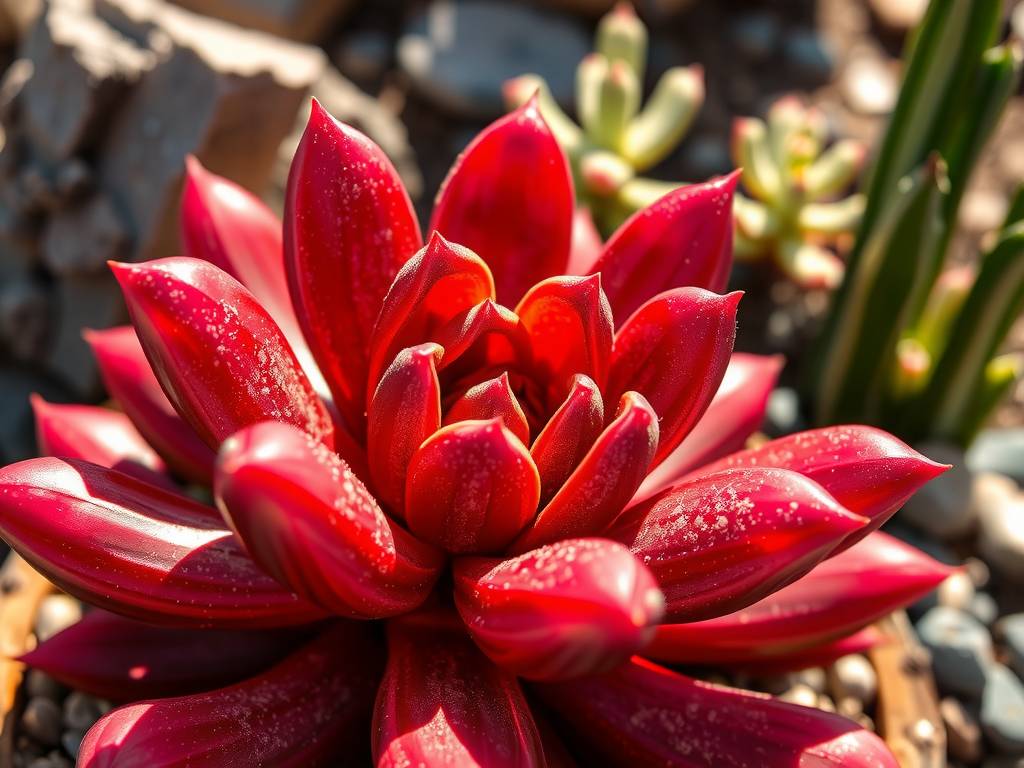
Formerly classified under the Sedum genus, Hylotelephium erythrostictum is a perennial succulent prized for its resilience and stunning seasonal color. Its fleshy, pale green leaves form attractive rosettes. Under optimal conditions, the leaf margins and entire surface flush with intense red or pink hues. It produces clusters of starry white or pale pink flowers in late summer to fall, attracting pollinators.
Its common names, like "Garden Stonecrop" or "Frosty Morn Sedum" (for variegated varieties), hint at its hardy, easy-going nature in the right setting. The quest for red leaves is essentially a guide to perfecting its stress triggers in a controlled, healthy way.
The Non-Negotiables: Light and Water for Color and Health
The vibrant red pigmentation in Hylotelephium erythrostictum is a direct response to environmental factors, primarily light exposure and water availability. This stress response, involving anthocyanin production, is the key to your success.
Mastering Strong Light for Red Leaves
Intense, direct sunlight is the most critical factor for triggering red foliage. While the plant survives in partial shade, it truly thrives and colors up in full sun.
- Ideal Light Conditions: Provide at least 6 to 8 hours of direct, unfiltered sunlight daily. A south-facing or west-facing location is typically perfect.
- The Color Mechanism: The red anthocyanin pigments act as a natural "sunscreen," protecting the plant's cells from potential photodamage under high light intensity. More sun safely applied equals more red color.
- Acclimatization is Key: If moving your plant from indoors or a shaded spot to full sun, do so gradually over 1-2 weeks. Sudden exposure can lead to sunburn, seen as bleached, scorched patches on the leaves. Start with morning sun and incrementally increase exposure.
- Indoor Cultivation Challenge: Achieving strong red leaves indoors is difficult. Place it on the sunniest windowsill available, ideally a south-facing one. Even then, the light intensity is often insufficient for maximum coloration. As noted by horticulturist Dr. Emily Williams in The Succulent Journal, "The spectral quality and intensity of indoor light rarely match direct outdoor sunlight, often limiting the expression of stress pigments like anthocyanins in succulents."
Perfecting the Drought-Tolerant Watering Routine
"Drought-tolerant" does not mean "never water." It means the plant is exceptionally efficient at storing water and prefers cycles of thorough watering followed by complete drying. Overwatering is the fastest path to root rot and a green, unhappy plant.
- The Soak and Dry Method: This is the golden rule. Water the soil deeply until excess water drains freely from the pot's holes. Then, allow the soil to dry out completely before even considering the next watering.
- How to Check for Dryness: Don't rely on a schedule. Use your finger or a wooden skewer. Insert it into the soil up to a few inches. Water only when the soil is completely dry at that depth. The leaves will also feel slightly less plump when thirsty.
- Seasonal Adjustments: Water more frequently during the active growing season (spring and summer), but always follow the "dry out" rule. In fall and winter, reduce watering significantly, as the plant enters dormancy. It may only need water once a month or less, depending on your climate.
- The Container Factor: Ensure your pot has excellent drainage. Terracotta pots are ideal as they wick away excess moisture from the soil.
Planting and Soil: Building the Right Foundation
The right soil mix is your insurance policy against overwatering and poor root health.
- Soil Requirements: Use a well-draining succulent or cactus potting mix. You can enhance a standard mix by adding 50% perlite, pumice, or coarse sand to promote aeration and drainage.
- Planting and Repotting: Repot every 2-3 years in spring to refresh the soil. Choose a pot only 1-2 inches larger in diameter than the root ball. Planting too deep or in too large a pot can lead to soil staying wet for too long.
Seasonal Care and Maintenance
Your Hylotelephium erythrostictum's needs change with the seasons.
- Spring & Summer (Active Growth): This is the time for watering, potential light fertilizing, and maximum sun exposure. If desired, apply a balanced, diluted liquid fertilizer (like a 10-10-10) only once at the beginning of the growing season. More is not better; succulents are light feeders.
- Fall: This is often when leaf color is most vibrant, as cooler temperatures combine with strong light. Reduce watering as growth slows.
- Winter (Dormancy): The plant may die back, especially in colder climates. It is fully cold-hardy in USDA zones 3-9. Protect container plants from excessive winter wetness. Provide minimal to no water, especially if kept in a cool, frost-free area.
Propagation: Sharing Your Success
Easily multiply your plant through stem cuttings or division.
- Stem Cuttings: In spring or summer, take a healthy stem cutting. Let the cut end callous over for 1-3 days. Then, place it in well-draining soil. Do not water until you see new growth.
- Division: In early spring, you can divide mature clumps. Gently separate the root ball and replant the divisions.
Troubleshooting Common Problems
- Leggy, Stretched Growth (Etiolation): This is a sure sign of insufficient light. The plant stretches to find a sun source. Move it to a brighter location.
- Soft, Mushy Leaves or Black Stems: Classic signs of overwatering and root rot. Stop watering immediately. You may need to cut away any rotten parts, let the plant dry, and repot in fresh, dry soil.
- Pale or Green Leaves: Not enough strong sunlight. Gradually increase its exposure to direct sun.
- Pests: Mealybugs or aphids can occasionally appear. Wipe them off with a cotton swab dipped in rubbing alcohol or use a strong spray of water.
Frequently Asked Questions
Why is my Hylotelephium erythrostictum only green, not turning red? This is almost exclusively a light issue. The plant is not receiving enough direct, intense sunlight to trigger the production of protective red anthocyanin pigments. Gradually move it to a sunnier location. Secondary factors can include overwatering or excessive nitrogen fertilizer, which promote green growth at the expense of color.
How often should I really water this drought-tolerant succulent? Throw away the calendar. The frequency depends on your climate, season, and pot size. Always use the "soak and dry" method: water deeply, then wait until the soil is completely dry all the way through before watering again. In summer, this might be every 7-10 days; in winter, it could be over a month.
Can Hylotelephium erythrostictum survive frost and cold winters? Yes, it is remarkably cold-hardy. When planted in the ground in zones 3-9, it can survive freezing temperatures and will die back to the ground, re-emerging in spring. For potted plants, the roots are more vulnerable. It's best to protect them from constant winter wetness by moving them to a sheltered location or providing a dry mulch cover.
Caring for Hylotelephium erythrostictum is a rewarding practice in balance. By providing the strong light it craves and respecting its drought-tolerant nature with a careful watering hand, you directly influence its spectacular display. The vibrant red leaves are not just an ornament; they are a badge of health, a sign you have replicated its ideal conditions. Start by assessing its light exposure, master the soak-and-dry watering technique, and enjoy the transformation of your succulent into a resilient, colorful highlight in your garden or home.