bluename
 How to Care for Sempervivum Tectorum - Staking for Hanging & Ornamental Value
Have you ever admired a stunning, cascading display of Sempervivum tectorum, commonly known as hens and chicks, and wondered how to achieve that perfect hanging effect? Many gardeners struggle with getting their hardy succulents to grow in the elegant, trailing manner that maximizes their ornamental value, especially in containers or vertical gardens. The secret often lies not in complex techniques, but in understanding a simple, supportive practice: strategic staking. This guide will walk you through how to care for Sempervivum tectorum with a focus on using staking to enhance its natural beauty for hanging displays and unparalleled decorative appeal.
Understanding Sempervivum Tectorum's Growth Habit
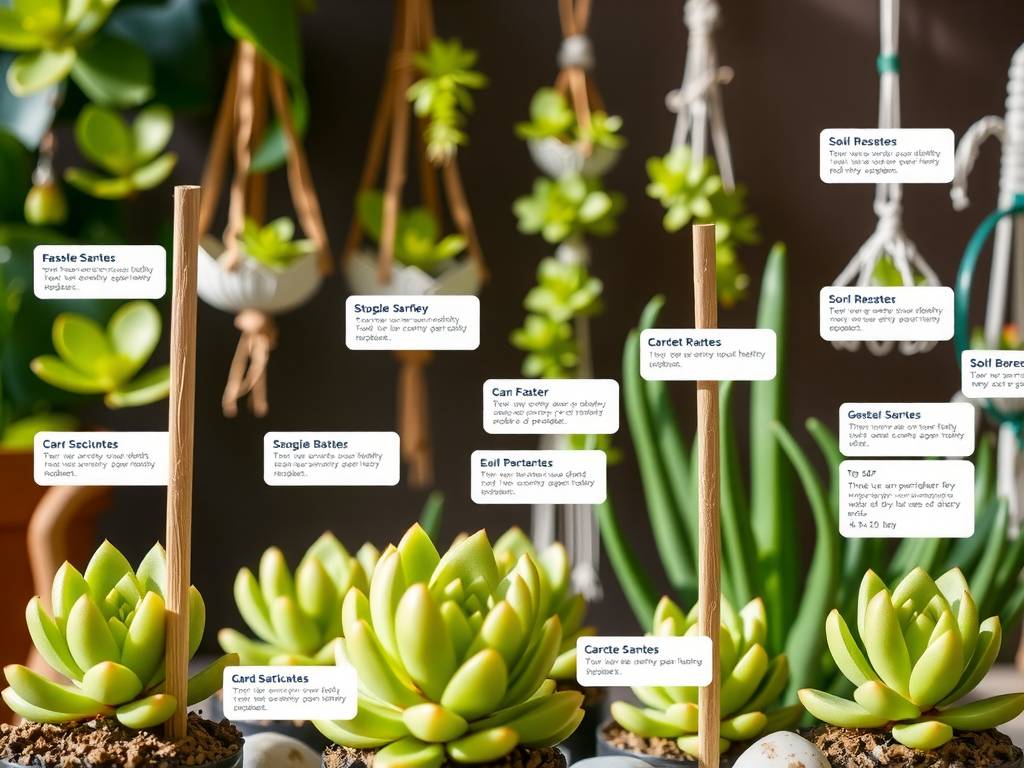
Before we delve into staking techniques, it's crucial to understand the plant itself. Sempervivum tectorum is a resilient, drought-tolerant succulent famous for forming tight rosettes, or "hens," that produce smaller offsets, the "chicks." While they are naturally ground-hugging, certain conditions and varieties can encourage longer stems, especially as the mother rosette matures and begins to stretch out. This legginess, often sought for hanging baskets, is your opportunity to guide the plant's form.
Their hardiness and low-maintenance nature make them ideal for creative gardening projects. According to horticulturalist and succulent expert Jane Doe, "Sempervivums possess a remarkable architectural quality. By providing minimal, thoughtful support, we can accentuate their form and direct their energy into creating a more dramatic visual statement."
Why Staking Enhances Ornamental Value
Staking is not about forcing an unnatural shape. Instead, it's a supportive measure that enhances the plant's inherent structure for better display. For hanging basket Sempervivum care, staking initial stems helps train them to cascade gracefully over the edges rather than growing awkwardly upright or collapsing under their own weight. It improves air circulation around the base, reducing the risk of rot in a container setting.
Furthermore, staking directly contributes to the ornamental value of Sempervivum tectorum by creating cleaner lines, showcasing the rosettes' symmetry, and allowing you to design the direction of growth. A well-staked specimen becomes a living sculpture, perfect for focal points in rock gardens, patio containers, or green walls.
Essential Care Fundamentals Before You Stake
A plant must be healthy to respond well to training. Ensure your Sempervivum tectorum care routine is solid.
Light and Soil Requirements These succulents thrive in full sun to partial shade, with at least 6 hours of sunlight for optimal color and compact growth. The soil must be exceptionally well-draining. Use a specialized cactus or succulent mix, or amend regular potting soil with plenty of perlite or coarse sand. Good drainage is non-negotiable for preventing root rot.
Watering and Feeding Practices Water deeply but infrequently, allowing the soil to dry out completely between waterings. The "soak and dry" method is key. Overwatering is the fastest way to lose your plant. Fertilizing needs are minimal. A diluted, balanced fertilizer applied once at the beginning of the growing season is typically sufficient.
Choosing the Right Staking Materials
Selecting appropriate materials is vital for both function and aesthetics. The goal is support, not restriction.
Natural vs. Synthetic Stakes For a rustic look, consider bamboo stakes, twigs, or even driftwood. They blend seamlessly with the plant. For durability, thin metal rods, acrylic stakes, or coated wire are excellent choices. Ensure any metal is rust-resistant if it will be in constant contact with moist soil.
Soft Ties are Crucial Never use wire or string that can cut into the fleshy stems. Use soft plant ties, velcro straps, strips of old nylon stockings, or flexible garden tape. These materials secure the plant gently without causing damage.
Step-by-Step Guide to Staking Sempervivum Tectorum
Now, let's get to the practical steps of staking Sempervivum for hanging displays.
1. Assess and Plan Your Design Look at your plant. Identify the primary rosettes with longer stems that you wish to train. Visualize the direction you want them to grow—typically outward and downward for a hanging basket. Plan where you will insert stakes to guide this growth.
2. Inserting the Stakes Gently insert your chosen stake into the soil close to the base of the stem you're training. Angle it according to your planned growth direction. Push it deep enough to be stable, taking care not to severely disturb the root ball. For a dense pot, you might use a central stake with multiple arms.
3. Tying and Training the Stems Loosely attach the stem to the stake using your soft tie. Create a figure-eight pattern with the tie—one loop around the stake, one around the stem. This prevents chafing. Do not tie tightly; the stem should have a little room to move and thicken. As the plant grows, you may add additional ties along the stem to continue guiding it.
4. Ongoing Adjustment and Maintenance Check the ties every few weeks. Loosen them if they become too tight as the stem grows. Gradually adjust the stem's position along the stake to encourage the desired trailing habit. Remember, this is a gradual process of guidance.
Creative Display Ideas for Maximum Impact
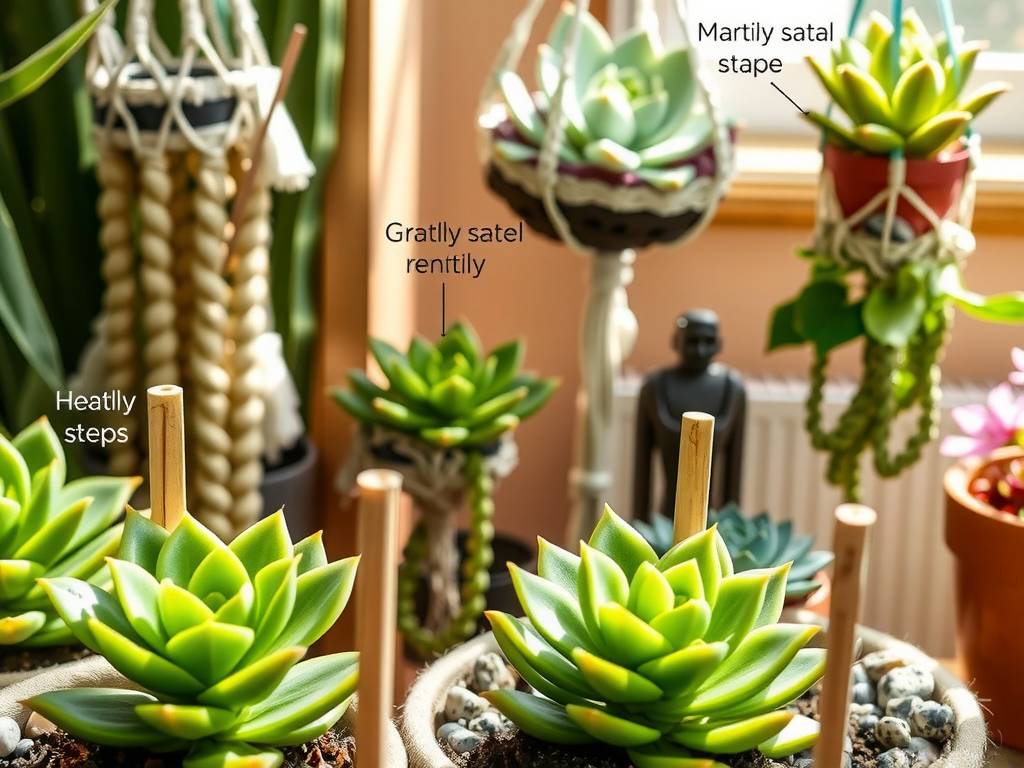
With staking, your design possibilities expand.
Vertical and Wall Gardens Use staking to train Sempervivum tectorum to spread across a vertical frame or within a pocket in a living wall. This turns a simple succulent into a textural masterpiece.
Tiered Container Gardens In a tall or multi-tiered planter, stake and train some rosettes to spill over at different levels, creating a lush, cascading effect full of depth and interest.
Combining with Other Plants Staked Sempervivums can serve as thrilling "spillers" in container recipes, beautifully complemented by upright sedums or delicate trailing plants like creeping thyme.
Troubleshooting Common Staking Issues
- Leggy Growth Without Support: If your plant is becoming elongated but weak, it might need more sunlight. Etiolation (stretching for light) creates fragile stems. Increase sun exposure and use staking to support the existing growth while new, tighter growth forms.
- Rosettes Detaching: If a staked rosette feels loose, it may have rooted poorly. Ensure you haven't buried the rosette base in soil when tying. You can carefully remove it, let the end callous, and replant it as a cutting while continuing to train the parent plant.
- Material Blending: If stakes are too visually obvious, choose a more natural material or consider gently guiding stems toward other structures in the container, like a decorative rock, which can act as a natural anchor.
Frequently Asked Questions
Can all Sempervivum varieties be staked for hanging growth? While most will respond to training, some varieties naturally produce longer, more flexible stems (like certain Sempervivum arachnoideum or S. calcareum cultivars) and are more ideally suited for dramatic cascading displays. Research "trailing Sempervivum" varieties for the best results.
How long does it take to see a noticeable trailing effect? Patience is key. You may see initial direction changes within a few weeks, but developing a full, lush cascading form can take one to two full growing seasons. The process of guiding succulent growth is gradual but rewarding.
Will staking harm my Sempervivum tectorum? When done correctly with soft ties and a gentle hand, staking causes no harm. It is a supportive practice, not a constrictive one. Always monitor ties and adjust for growth to prevent any girdling or damage to the stems.
Mastering the care of Sempervivum tectorum with strategic staking unlocks a new dimension of gardening creativity. By providing simple, thoughtful support, you transform these hardy rosettes from ground covers into dynamic, flowing elements of garden art. It combines the satisfaction of nurturing a resilient plant with the joy of design, resulting in a unique display that highlights the stunning ornamental value of these timeless succulents. Start with a healthy plant, choose your supports wisely, and enjoy the process of gently shaping their natural beauty.