bluename
 How to Care for Balcony Succulents - Rain Protection to Prevent Root Rot
You’ve lovingly arranged your balcony succulents, only to watch a summer downpour turn your vibrant collection into a soggy, wilting mess. The fear of root rot is real for any balcony gardener. This guide is your ultimate resource for mastering rain protection to keep your succulents thriving, not just surviving.
Understanding the Succulent’s Dilemma: Water vs. Drainage
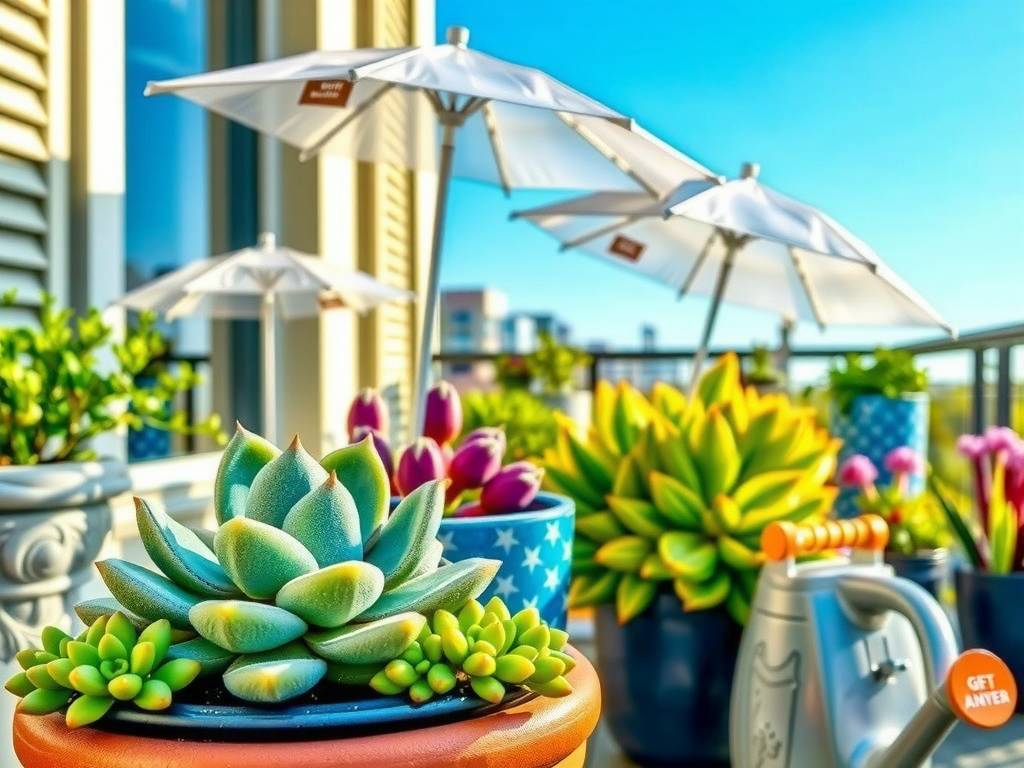
Succulents are drought-adapted champions. Their plump leaves and stems store water, making them incredibly efficient in arid conditions. However, this very adaptation makes them vulnerable to excess moisture. Their roots are not designed to sit in wet soil. Prolonged exposure to rain, especially on a balcony where drainage might be less than ideal, creates a perfect storm for fungal growth and root decay. Preventing root rot in balcony succulents starts with acknowledging this fundamental mismatch between their needs and a rainy environment.
Essential Rain Protection Strategies for Your Balcony
The goal isn’t to eliminate all water—rainwater can be beneficial—but to control the amount and duration of exposure. Here’s how to build your defense.
Choose the Right Armor: Pots and Soil
Your first line of defense is the container and what’s inside it.
- Pots with Unblocked Drainage Holes: This is non-negotiable. Every pot must have at least one large drainage hole. Elevate pots using feet or a rack to ensure water flows freely out the bottom, preventing a pool from forming underneath.
- The Perfect Well-Draining Soil Mix: Standard potting soil retains too much moisture. Opt for a specialized cactus and succulent mix. For even better protection, create your own blend: mix 2 parts potting soil with 1 part perlite and 1 part coarse sand. This gritty mix replicates their natural habitat and allows water to flash through, leaving roots moist but not waterlogged.
Create Physical Rain Shields
When the forecast predicts heavy rain, temporary covers are a lifesaver.
- Transparent Covers: Use clear plastic sheeting, acrylic panels, or even repurposed shower curtains. Support them above your plants with stakes or a frame to create a “roof.” Transparency ensures your plants still receive light.
- Strategic Relocation: For potted succulents, simply moving them against the wall under the balcony’s eaves or into a sheltered corner can provide significant protection during a brief storm.
- Balcony Screen Solutions: Installing a removable clear vinyl balcony screen can shield plants from wind-driven rain while still offering a view.
Master the Art of Post-Rain Care
What you do after the rain stops is as crucial as protection during it.
- Tilt and Drain: Gently tilt your pots to shed any pooled water from the saucers or from the rosettes of plants like Echeverias.
- Promote Airflow: Increase circulation around your plants by spacing them out. A small fan on a low setting can help evaporate moisture from leaves and soil surfaces, a key step in protecting succulents from overwatering.
- Hold Back on Watering: After a good rain, your watering schedule should pause. Check the soil moisture by sticking your finger an inch deep. Only water again when the soil is completely dry.
Advanced Tips for Damp Climates
If you live in a consistently humid or rainy region, consider these proactive measures.
- Select Rain-Resilient Varieties: Some succulents handle moisture better. Sempervivums (Hens and Chicks), some Sedums, and certain Aloes are slightly more tolerant than, for instance, delicate Echeverias.
- Incorporate Moisture-Absorbing Materials: A top dressing of pea gravel or crushed granite not only looks attractive but also prevents the soil surface from staying wet and reduces splash-back onto lower leaves.
- Monitor Relentlessly: After any wet period, inspect your plants. Signs of trouble include leaves turning translucent yellow or brown, feeling mushy, or dropping off at a touch. Early detection is key to saving a plant from root rot.
What should I do if my succulent gets too much rain? Immediately remove it from any standing water. Tilt the pot to drain excess moisture. Place the plant in a bright, airy spot with good circulation and withhold all water until the soil is bone dry. If you suspect early root rot (soft, discolored lower stem), unpot the plant, remove any black/mushy roots with sterile tools, let it dry for a few days, and repot in fresh, dry soil.
Can succulents recover from root rot? They can, if caught early. The recovery process involves removing all affected roots and tissue, allowing the plant to callus over, and replanting in dry, well-draining soil. The success rate depends on the extent of the rot; sometimes, saving healthy leaves for propagation is the best option.
How do I water balcony succulents after it rains? Always check the soil first. Insert a finger or a moisture meter into the potting mix. Even if the top looks dry, the deeper soil may still be moist from the rain. Water only when the entire soil volume is completely dry. This method of “deep but infrequent” watering is the golden rule for succulent health in any condition.
Balcony gardening with succulents is a rewarding pursuit that requires a shift in mindset from fighting the elements to working with them. By implementing smart rain protection strategies—starting with impeccable drainage, employing physical covers when needed, and mastering post-rain care—you transform your balcony from a hazard zone into a sanctuary. Your succulents will reward your vigilance with robust growth, vibrant colors, and the resilience to enjoy the fresh air, come rain or shine.