bluename
 How to Care for Succulent Arrangements - Variety Matching for Coordinated Growth
You've brought home a stunning succulent arrangement, a beautiful tapestry of shapes and colors. But within weeks, the picture-perfect harmony starts to fade. One plant stretches awkwardly towards the light, another rots at the base, while a third seems to have stopped growing altogether. This frustrating scenario is a common pain point for many plant lovers. The secret to a thriving, long-lasting succulent display isn't just about watering and sunlight—it starts with intelligent variety matching for coordinated growth. This foundational principle ensures all plants in your arrangement share similar needs, allowing them to flourish together rather than compete.
Understanding the "Coordinated Growth" Philosophy
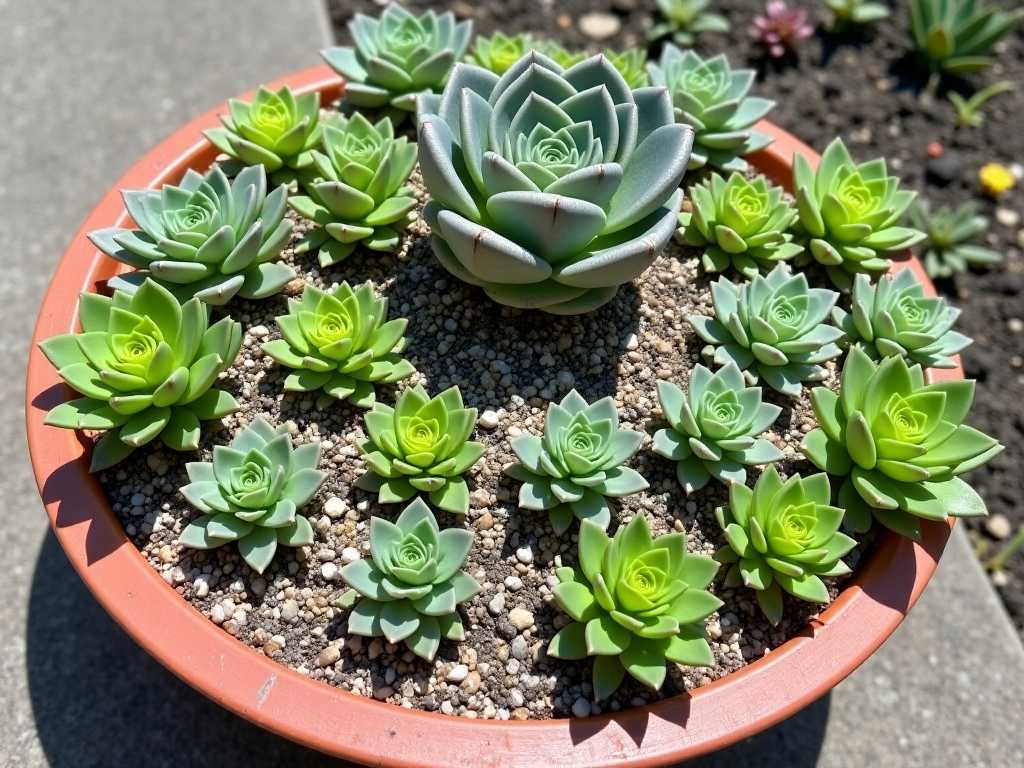
A successful succulent arrangement is more than an aesthetic grouping; it's a miniature ecosystem. The goal of coordinated growth is to select species that coexist harmoniously, sharing requirements for light, water, soil, and growth pace. When varieties are mismatched, you're forced to care for the arrangement in a way that benefits one plant at the expense of another. By mastering variety matching, you create a low-maintenance display where every succulent can thrive under a single, unified care routine.
Core Principles for Matching Succulent Varieties
To achieve coordinated growth, you need to consider several key plant characteristics. Aligning these factors is the cornerstone of a sustainable arrangement.
Growth Rate and HabitThis is perhaps the most critical factor. Pairing fast-growing, sprawling succulents like many Sedum species with slow-growing, compact varieties like Echeveria ‘Lola’ or Haworthia will quickly lead to imbalance. The faster grower will overshadow and smother its neighbor, blocking light and airflow. For a stable arrangement, group plants with similar growth speeds and habits. Combine low-growing, clumping varieties together, and place taller, upright growers like Aeoniums or certain Crassulas with others of similar stature.
Light Requirements: The Non-Negotiable FactorAll succulents need light, but their intensity preferences vary dramatically. High-light lovers such as Echeverias, Graptopetalums, and most Sempervivums need several hours of direct sun to maintain their compact form and vibrant stress colors. In contrast, Gasteria, Sansevieria, and some Haworthia species tolerate or even prefer bright, indirect light. Placing a shade-tolerant succulent in a blazing south-facing window will scorch it, while putting a sun-worshipper in a dim spot will cause etiolation—that stretched, weak growth. For a harmonious arrangement, match light needs first.
Watering Needs and Drought ToleranceWhile succulents are drought-tolerant, their watering frequencies differ. Plump-leaved varieties like Pachyphytum or Graptoveria hold more water and require less frequent watering than thinner-leaved types like Sedum burrito (Burro’s Tail). More importantly, some species are highly susceptible to rot from excess moisture. A Lithops (Living Stone), which needs water only a few times a year, will quickly perish if potted with a Senecio rowleyanus (String of Pearls) that prefers slightly more regular moisture. Group plants with similar hydration cycles.
Seasonal Dormancy CyclesMany succulents have active growing seasons and dormant periods, often dictated by temperature. Summer-dormant varieties like Aeoniums and some Aloes slow down in peak heat, while winter-dormant types like Echeverias and Crassulas grow actively in summer. Watering an arrangement uniformly year-round can harm a dormant plant. Ideally, match plants with similar dormancy patterns (e.g., grouping winter growers together) to simplify seasonal care adjustments.
A Practical Guide to Building Your Arrangement
Now, let's apply these principles. Start by choosing a focal point, often a larger or uniquely shaped succulent. Then, select companions that complement it in form, color, and—most importantly—care profile.
Example 1: The Sunny, Drought-Tolerant Bowl
Focal Plant: Echeveria agavoides (compact, rosette form, high light).
Companions: Sedum pachyphyllum (Jelly Beans), Graptopetalum paraguayense (Ghost Plant), and Sempervivum arachnoideum (Cobweb Houseleek).
Why it Works: All these plants thrive in full sun, have low to moderate water needs, and share a summer-growing/winter-dormant cycle. Their varied textures (rosettes, chubby leaves, fuzzy webs) create visual interest without care conflict.
Example 2: The Bright, Indirect Light Tray
Focal Plant: Haworthia fasciata (Zebra Plant).
Companions: Gasteria ‘Little Warty’, Sansevieria cylindrica (boncel), and Peperomia graveolens.
Why it Works: This group prefers bright but filtered light and slightly more frequent watering than the sun-loving bowl. Their slow growth and similar hydration needs prevent one from outcompeting another.
Ongoing Care for a Harmonious Display
Even with perfectly matched varieties, proper care is essential to maintain coordinated growth in succulent pots.
The Right Soil and DrainageUse a well-draining succulent/cactus mix. For extra insurance against rot, especially in deep containers, amend with additional perlite or pumice (a 50/50 mix is common). Ensure your container has at least one drainage hole. This universal setup supports the "less is more" watering approach that all matched succulents will appreciate.
Watering as a UnitWater deeply only when the soil is completely dry throughout the pot. Pour water evenly until it runs out the drainage hole, then let the pot drain thoroughly. This "soak and dry" method works for virtually all succulent groupings when their needs are aligned. The frequency will depend on your climate and the group's shared preference (e.g., the sunny bowl will dry out faster than the indirect light tray).
Pruning and MaintenanceEven with matched growth rates, occasional pruning maintains balance. Gently remove any dead leaves from the base to prevent pests and rot. If one plant grows slightly faster, you can trim it back to maintain the arrangement's composition. This is far easier than dealing with a plant that is fundamentally mismatched and struggling.
Expert Insight for Long-Term SuccessRenowned horticulturist and author Debra Lee Baldwin emphasizes, "The most successful succulent compositions treat plants not as individual specimens, but as a community. Success lies in choosing community members who get along." This underscores the importance of viewing your arrangement holistically from the start.
Addressing Your Top Concerns
Can I really not put a cactus with my other succulents?While both are drought-tolerant, most cacti (especially desert types) require even more intense, direct sun and significantly less water than many leafy succulents. They also have different soil preferences, often needing more grit. For true coordinated succulent growth, it's generally best to keep cacti in their own dedicated pots where their extreme needs can be met without compromising other plants.
What should I do if one plant in my arrangement starts to rot?Act immediately. Remove the entire arrangement from its pot. Carefully unpot and isolate the rotting plant, cutting away any mushy tissue with a sterile tool. Let the healthy plants' roots air dry for a day. Replace all the old soil with fresh, dry mix, and replant the healthy survivors. This prevents the rot from spreading through the shared soil.
How often should I fertilize my mixed succulent arrangement?Fertilize sparingly, only during the active growing season (typically spring and summer). Use a balanced, diluted liquid fertilizer (half-strength is safe) once a month at most. Since you've matched growth cycles, all plants in the pot should be active and able to use the nutrients simultaneously, avoiding a situation where fertilizer stimulates a dormant plant.
Creating a lasting succulent arrangement is an exercise in foresight and harmony. By prioritizing variety matching for coordinated growth, you move from constantly troubleshooting problems to simply enjoying a stable, beautiful living sculpture. It transforms care from a chore into a seamless routine, where the right plant choices lead to resilient, synchronized growth. Start with compatibility, and both you and your succulents will thrive together.