bluename
 How to Care for Succulent Old Stalks - Control & Prune for Thick & Elegant Stems
You've nurtured your succulent for years, watching it grow from a tiny rosette into a mature plant. But now, that once-compact beauty is sporting long, bare, and often wobbly stems. Instead of the plump, elegant form you envisioned, you're left with what many call "leggy" or old stalks. This is a common frustration for succulent enthusiasts. The good news? This isn't the end of your plant's story. With proper care focused on how to care for succulent old stalks, you can transform those awkward stems into features of thick, elegant, and sculptural beauty. This guide will walk you through the precise control and pruning techniques to achieve just that.
Understanding Why Succulents Develop Old Stalks
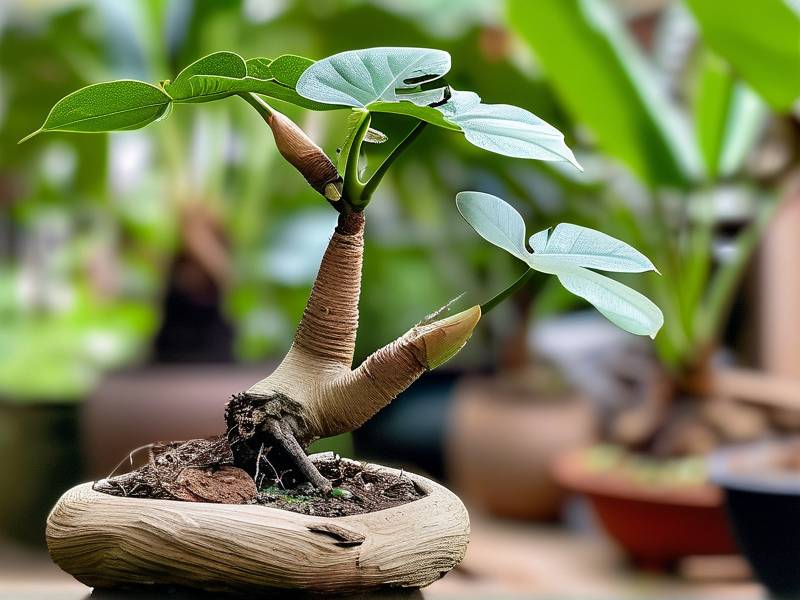
Before we reach for the pruning shears, it's crucial to understand why this happens. An elongated stem, or etiolation, is primarily a survival response to insufficient light. The plant stretches towards the nearest light source, creating large gaps between leaves. However, a truly "old stalk" is also a natural part of aging for many succulent varieties. As lower leaves are naturally reabsorbed for nutrients or drop off, they reveal a mature, woody stem. This process isn't inherently bad; it's an opportunity to cultivate a tree-like or trailing form, often seen in prized specimens.
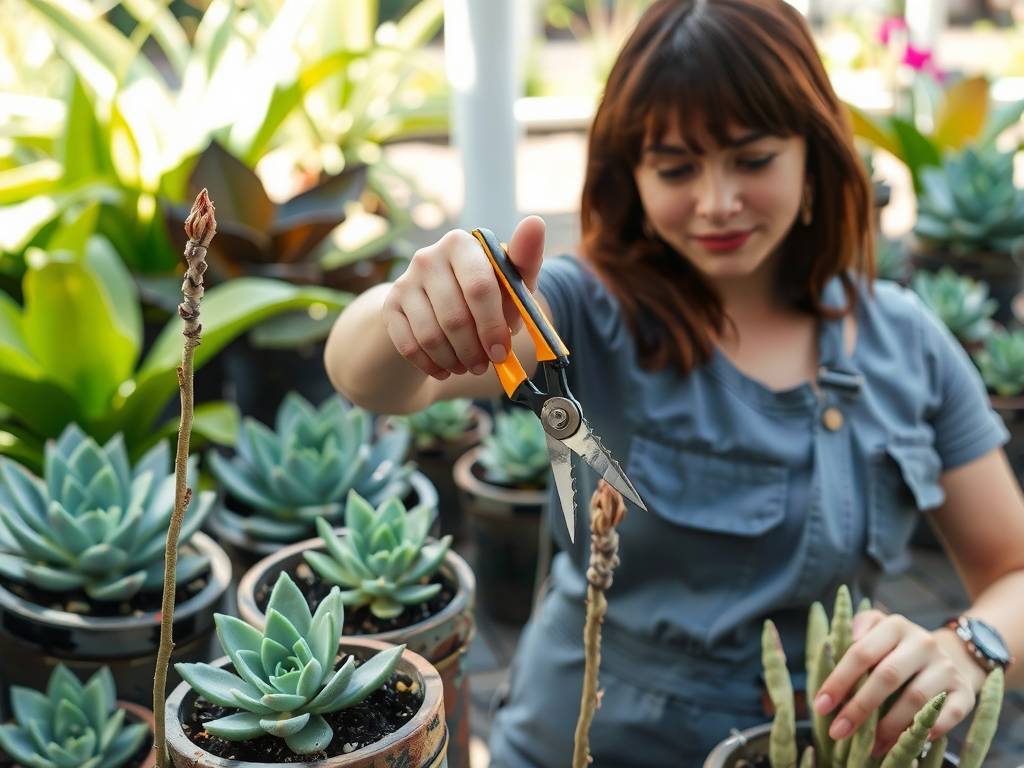
The key distinction is between unhealthy etiolation and healthy maturation. An etiolated stalk is typically pale, weak, and overly flexible. A healthy, mature old stalk tends to be firmer, may show some lignification (woodiness), and supports robust growth at its tip. Our goal is to correct the former and strategically manage the latter for optimal aesthetics and plant health.
Essential Pre-Pruning Care: Setting the Stage for Success
Pruning is a stressor for plants. To ensure your succulent responds with vigorous new growth rather than shock, its basic needs must be met first. Think of this as prepping a patient for surgery.
Light is Non-Negotiable Succulents crave bright, direct light for most of the day. A south or west-facing window is ideal indoors. If natural light is limited, especially during winter, a full-spectrum grow light is an excellent investment. According to a study on plant photomorphogenesis, adequate light intensity promotes compact growth by triggering hormones that inhibit excessive stem elongation. Providing strong light before and after pruning ensures the new growth emerges thick and sturdy, not leggy again.
Master the Watering Cycle The "soak and dry" method is paramount. Water thoroughly only when the soil is completely dry, and ensure your pot has excellent drainage. A thick stem is built on turgor pressure and stored water, but consistent overwatering leads to rot, especially in cut stems. Underwatering, on the other hand, can cause excessive leaf reabsorption, further baring the stalk. The right balance promotes firm, healthy tissue.
The Right Soil Mix Your succulent needs a gritty, fast-draining mix. A standard potting soil will retain too much moisture around the old stalk and root zone. Use a specialized cactus/succulent mix or create your own with 50-60% inorganic material like perlite, pumice, or coarse sand. This environment encourages strong roots and prevents stem rot, providing a stable foundation for your pruned plant.
Step-by-Step Guide to Pruning Succulent Old Stalks
Now, with your plant in good health, we move to the transformative stage: pruning. This process allows you to control and prune for thick stems, encouraging branching and a more compact, elegant form.
1. Tools & Sterilization You'll need a sharp, clean tool. Micro-tip pruning snips or a sterile utility knife work best for precise cuts. Blunt tools can crush the stem. Sterilize your tool with isopropyl alcohol before and between cuts to prevent introducing pathogens. This is a critical step often emphasized by horticultural experts to maintain plant health.
2. Identifying the Cut Point Look for a point on the old stalk where you'd like new growth to emerge. This is typically a few inches below the last healthy, compact rosette or leaf set. Ensure the remaining stump has at least a few leaves or areoles (the small bumps where leaves emerge) if possible, as these are growth points. For completely bare stalks, you can still cut; new "adventitious" buds may form from the callused tissue.
3. Making the Cut Execute a clean, swift cut straight across the stem. Avoid jagged edges. Immediately after cutting, you may notice sap; this is normal. Gently blot it away. The goal is to remove the leggy growth, leaving a stable base.
4. Caring for the Cuttings (Propagation) Don't discard the top you just cut off! This is your new plant. Let the cut end dry and callus over in a shady spot for 3-7 days. This callus is a protective barrier against rot. Once callused, place it on top of dry succulent soil. Mist lightly every few days only once you see tiny new roots forming, then transition to normal watering. This technique of pruning for thick and elegant stems simultaneously propagates new plants.
5. Caring for the Original Stump Leave the original plant, now a stump, in its pot. Place it in bright, indirect light. Hold off on watering for at least a week to allow the cut to callus over completely. Then, resume your normal care routine. In a few weeks to months, you should see one or more new rosettes or branches sprouting from the nodes below the cut, effectively making the stem thicker and bushier.
Advanced Techniques for Thickening and Shaping Mature Stalks
For those who want to cultivate a true "specimen" plant with a thick, elegant trunk, simple pruning isn't the only tool.
Strategic Leaf Stripping For older, woody stalks that are healthy but bare, you can encourage thickening through careful leaf management. As lower leaves naturally wither, you can gently remove them to expose the stalk. This directs the plant's energy into strengthening the stem rather than sustaining old leaves. Never strip all leaves at once.
Controlled Stress and Growth Cycles Allowing your succulent to experience mild, controlled stress can stimulate stem thickening. This involves slightly increasing the time between waterings (without causing severe dehydration) and ensuring ample light. The plant responds by storing more water and nutrients in its stem, strengthening its structure. As noted by veteran growers, plants grown with strong light and infrequent water often develop denser, tougher stems than those coddled in constant moisture and low light.
Directional Light for Even Growth Rotate your pot a quarter turn every time you water. This ensures all sides of the stalk and rosette receive equal light, preventing lopsided growth and promoting a uniformly thick, straight, or evenly curved stem.
Post-Pruning Care and Long-Term Maintenance
Your work after the cut determines the final outcome. The freshly cut stump and the drying cuttings need specific attention.
Watering Adjustments As mentioned, withhold water from the base plant until the cut calluses. For the cuttings, no water until roots appear. Once new growth is established on both, return to the deep-but-infrequent watering schedule. A plump stem is a well-hydrated one, but only when the roots are active and healthy.
Fertilizing for Strength During the active growing season (spring and summer), a light feeding can support new growth. Use a balanced, diluted fertilizer (like a 10-10-10 formula) or one low in nitrogen. A study on succulent mineral nutrition suggests that excess nitrogen can promote soft, weak growth. A fertilizer higher in phosphorus can support strong root and stem development. Apply at half strength no more than once a month.
Monitoring for Pests and Disease Fresh cuts, while callusing, can be entry points for pests like mealybugs or fungal gnats. Keep the plant in a well-ventilated area and inspect regularly. Treat any infestations early with insecticidal soap or neem oil.
How often should I prune my succulent's old stalks? Prune only as needed for shape or to correct legginess, not on a calendar schedule. For most succulents, one major pruning per growing season is sufficient. Always allow the plant to recover fully and show robust new growth before considering another cut.
Can any succulent with an old stalk be saved this way? Virtually all succulents with a discernible stem can be propagated from cuttings and rejuvenated through pruning. However, monocarpic succulents (like some Sempervivums and Agaves) that die after flowering cannot be saved once the flowering process begins. For the vast majority, pruning is a highly effective revival technique.
My pruned stump isn't sprouting new growth. What did I do wrong? Patience is key. Some species take several months to produce new offshoots. Ensure the plant is getting enough light and that you haven't overwatered the unrooted stump. If the stump feels mushy, it may have rotted, often due to premature watering. If it's firm, simply give it more time. Growth often happens quietly beneath the soil line first.
Transforming a leggy succulent into a plant with thick, elegant stems is a rewarding journey that blends art with horticulture. It requires understanding your plant's signals, providing unwavering core care, and having the courage to make a strategic cut. By mastering the cycle of providing intense light, perfecting your watering technique, and applying precise pruning methods, you don't just salvage a plant—you guide it into a more beautiful and resilient form. That old stalk isn't a failure; it's the foundation for your succulent's second act, a testament to your skilled care.