bluename
 How to Care for Crested Succulents: Water & Light Control to Maintain Crested Form
You’ve finally found one—a rare, fascinating crested succulent with its mesmerizing, fan-shaped growth. It looks like a living sculpture. But now, a nagging worry sets in. How do you keep this unique form from reverting to normal growth or, worse, rotting away? The secret lies in mastering two fundamental elements: water and light. Proper care for crested succulents isn’t just about keeping them alive; it’s about understanding their unique physiology to preserve that coveted crested form. This guide will walk you through the precise balance needed to ensure your botanical treasure thrives for years to come.
Understanding the Crested Mutation
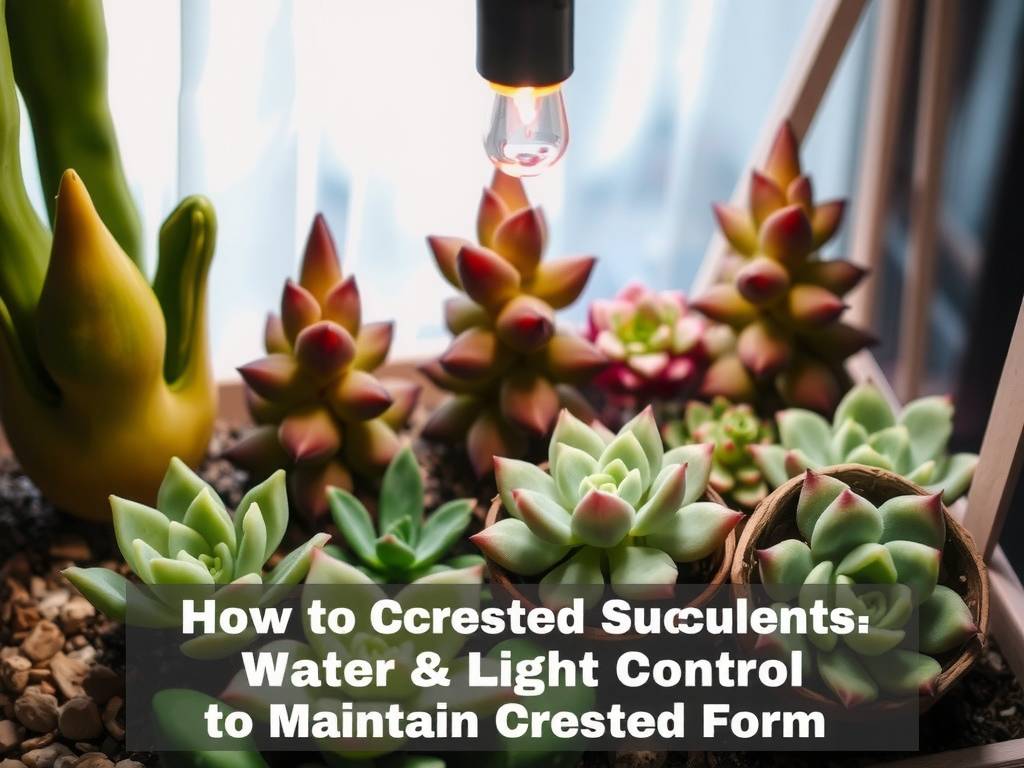
Before diving into care, it’s crucial to understand what you’re dealing with. Cresting, or fasciation, is a rare genetic mutation where the plant’s growing point (the apical meristem) elongates into a line or crest instead of a single point. This causes the unique, wavy, brain-like, or fan-shaped growth. This mutation doesn’t make the plant weaker, but it does change its needs and vulnerabilities. The dense, compact growth pattern affects how it uses water and absorbs light, making our two key care factors even more critical.
The Golden Rule: Watering Crested Succulents
Watering is the most common point of failure for all succulents, and crested varieties are even more sensitive. Their dense, often convoluted form creates microclimates and tight spaces where moisture can linger, inviting rot.
Mastering the Soak and Dry Method Forget calendar-based watering. The only reliable method is the “soak and dry” approach. This means you must thoroughly drench the soil until water runs freely from the drainage holes, then allow it to dry out completely before even thinking about watering again. For a crested succulent, “completely dry” is non-negotiable. Use your finger or a moisture meter to check the soil at least an inch below the surface. In cooler months, this drying period could take three to four weeks or longer.
Signs of Overwatering and Underwatering Overwatering is the silent killer. Early signs include translucent, mushy leaves, particularly at the base of the crest. The crest itself may feel soft or look discolored. If you see this, stop watering immediately, remove any affected tissue with a sterile tool, and check the roots. Underwatering is less dangerous but can stress the plant. Look for excessive leaf wrinkling, thinning, or leaves that feel crispy. A thirsty crested succulent will often prioritize its crest, so the outer or lower leaves may show distress first. A good soak will usually plump it back up within a day or two.
Pot and Soil: The Foundation of Water Control Your watering success hinges on your pot and soil choice. Always use a pot with a drainage hole. Unglazed terracotta is ideal because it’s porous and helps wick away excess moisture. Soil is paramount. A standard potting mix is a death sentence. You need a gritty, fast-draining succulent or cactus mix. For crested succulents, many experts recommend amending a commercial mix with additional perlite or pumice—aim for a ratio of 50% soil to 50% grit. This ensures rapid drainage and prevents the roots from sitting in dampness, which is essential for maintaining a healthy crested form.
Harnessing Light to Sustain Crestation
Light is the energy source that fuels growth, but for crested succulents, it must be carefully moderated to support their unusual structure without causing harm.
Finding the Bright, Indirect Sweet Spot Crested succulents generally need bright light but are often more susceptible to sunburn than their normal counterparts. The crest’s unique, folded tissues can have thinner epidermis in spots, making them vulnerable. The goal is providing adequate light for compact growth without scorching. Bright, indirect light is perfect. An east-facing window is often ideal. A few hours of gentle morning sun can be beneficial, but harsh afternoon sun should be avoided. If using grow lights, LED full-spectrum lights placed 6-12 inches above the plant for 10-12 hours a day work well.
Preventing Reversion with Proper Light Insufficient light is a primary cause of reversion—where the plant starts producing normal, non-crested growth from the crest. This is the plant’s survival mechanism, seeking a more efficient way to photosynthesize. If you see a single, typical rosette emerging from your crest, it’s a clear signal your plant needs more light. Carefully prune this normal growth back to the crest with a sterile knife to encourage the crested form to continue. Adjusting your light setup is crucial to maintain the crested mutation long-term.
Monitoring and Adjusting for Seasons Light needs change with the seasons. The weak light of winter may require moving your plant to a brighter spot or supplementing with a grow light to prevent etiolation (stretching) and reversion. In the intense summer, you may need to pull it back from the window or use a sheer curtain to diffuse the light. Observe your plant’s color; a slight stress blush (pinks or reds) is okay, but white or brown scorch marks mean it’s getting too much direct sun.
Troubleshooting Common Crested Succulent Issues
Even with perfect care, issues can arise. Here’s how to tackle them.
Dealing with Rot in the Crest If you spot rot in the dense center of the crest, act fast. Using sterilized tweezers or a knife, carefully remove all soft, discolored tissue. Allow the wound to callus over in a dry, airy spot for several days before returning it to soil and resuming very cautious watering. Improving air circulation around the plant can help prevent recurrence.
Managing Pests in Tight Spaces Mealybugs love to hide in the nooks of a crested succulent. Use a cotton swab dipped in isopropyl alcohol to dab directly on any visible pests. For broader infestations, a spray of diluted neem oil or insecticidal soap, applied carefully, can help. Ensure good airflow after treatment to dry the crevices.
When to Fertilize (and When Not To) Fertilize sparingly, if at all. A diluted, balanced succulent fertilizer applied once at the beginning of the growing season (spring) is sufficient. Over-fertilization can force weak, rapid growth that is more prone to distortion and rot. The goal is steady, sustained health, not explosive growth.

Frequently Asked Questions
Can a reverted crested succulent become crested again? Once a section reverts and produces normal growth, that specific growth point will not become crested again. You can prune the normal growth off to allow the remaining crested portion to continue developing. The new growth from the cut crested edge should remain crested if light conditions are correct.
How often should I really water my crested succulent? There is no set schedule. Frequency depends on your climate, season, pot, and soil. The rule is always to water only when the soil is 100% dry. In summer, this might be every 10-14 days; in winter, it could be once a month or less. Always check, don’t guess.
Are crested succulents more difficult to care for than regular ones? They require more attentive, precise care regarding water and light. Their tolerance for error is lower. However, by understanding their specific needs—fast-draining soil, infrequent deep watering, and bright but indirect light—you can successfully care for crested succulent plants and enjoy their unique beauty for many years.
Crested succulents are captivating examples of nature’s artistry. Their care is a rewarding practice in observation and precision. By prioritizing impeccable drainage, disciplined watering, and providing bright, gentle light, you create the stable environment needed to support their unusual growth. Remember, the crest is a testament to the plant’s unique journey. Your role is not to force it, but to skillfully manage its environment, allowing that fascinating form to flourish and mature gracefully over time. With patience and these tailored techniques, your crested specimen will remain a stunning centerpiece in your collection.