bluename
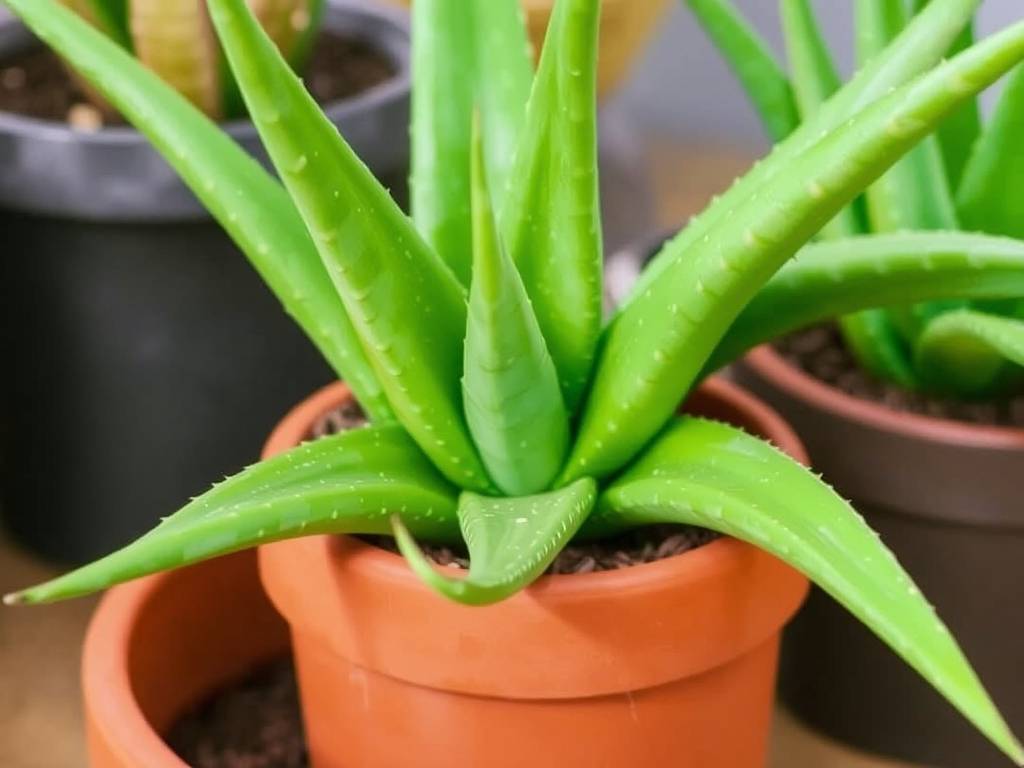
 Aloe vera is a popular succulent loved for its low-maintenance nature and healing gel, but even the most resilient plants can run into trouble. Yellow leaves, mushy roots, and leggy growth are common issues that leave plant parents frustrated—yet most of these problems stem from simple care mistakes that are easy to fix. Whether you’re new to growing aloe or struggling to revive a struggling plant, this guide will walk you through everything you need to know: from daily care to troubleshooting the trickiest issues like root rot and yellowing foliage. By the end, you’ll have the tools to keep your aloe vera thriving for years.
### Foundational Aloe Vera Care: Prevent Problems Before They Start
The best way to deal with aloe vera problems is to prevent them in the first place. Aloe’s desert origins mean it has specific needs—ignoring these can lead to stress, which makes the plant vulnerable to issues like yellow leaves or rot. Let’s start with the basics of healthy aloe care.
#### 1. Light: Give Your Aloe Bright, Indirect Sun
Aloe vera needs plenty of light to photosynthesize and stay compact, but too much direct sun can scorch its leaves.
- **Indoor aloe**: Place near a **south-facing or west-facing window** for bright, filtered light. If midday sun is intense, use a sheer curtain to soften it—this prevents brown, crispy leaf edges. Avoid dark corners; low light causes leggy growth (stretching toward light) and pale leaves.
- **Outdoor aloe** (zones 9–11): Plant in a spot with **partial shade** (e.g., under a patio or next to a wall). Too much direct sun will damage leaves, while too little light leads to weakness.
- **Pro tip**: Rotate your aloe every week so all sides get even light—this stops it from leaning to one side.
#### 2. Watering: Less Is Always Better
Overwatering is the #1 cause of aloe vera problems, including root rot and yellow leaves. Aloe stores water in its thick leaves, so it needs far less moisture than typical houseplants.
- **Rule of thumb**: Let the soil dry out completely between waterings. Stick your finger 2–3 inches into the soil—if it’s dry all the way down, it’s time to water.
- **Frequency**: Indoor aloe needs water every 2–4 weeks (more in warm, dry rooms; less in cool, humid spaces). Outdoor aloe may need water every 1–2 weeks in hot weather, but only if rain is scarce.
- **How to water**: Pour slowly until water drains out the bottom of the pot. Never let the pot sit in a saucer of standing water—this drowns roots. In winter, cut back watering to every 6–8 weeks, as aloe goes dormant.
#### 3. Soil & Pot: Prioritize Drainage
Aloe vera’s roots hate sitting in damp soil, so the right soil and pot are non-negotiable.
- **Soil**: Use a **well-draining succulent or cactus mix**. These blends contain perlite, pumice, or coarse sand to let water flow through. If you make your own, mix 1 part potting soil + 1 part perlite + 1 part coarse sand. Avoid regular potting soil—it’s too dense.
- **Pot**: Choose a pot with drainage holes (critical!) made of terra cotta or clay—these materials absorb excess moisture. The pot should be 1–2 inches larger than the root ball; too much extra space means more soil that stays wet longer.
### Fixing Common Aloe Vera Problems: Step-by-Step Solutions
Even with good care, aloe vera can develop issues. Below are the most common problems, their causes, and how to fix them—starting with the two most frustrating: yellow leaves and root rot.
#### Problem 1: Yellow Leaves on Aloe Vera
Yellow leaves are a warning sign that your aloe is stressed. The cause is usually easy to identify once you know what to look for.
##### What Causes Yellow Leaves?
- **Overwatering**: The most common culprit. When soil stays wet, roots can’t breathe, and the plant starts to rot—yellow, mushy leaves are an early sign.
- **Underwatering**: If leaves are yellow *and* wrinkled or dry, your aloe is thirsty. This happens when soil dries out for too long, and the plant uses up stored water in its leaves.
- **Too Much Sun**: Direct, intense sunlight can burn aloe leaves, starting with yellow or brown spots that spread.
- **Nutrient Deficiency**: Rare, but if your aloe hasn’t been fertilized in years and is in old soil, yellow leaves may signal a lack of nutrients (usually nitrogen).
##### How to Fix Yellow Leaves
1. **Identify the cause first**:
- If leaves are yellow and mushy: Overwatering. Stop watering immediately.
- If leaves are yellow and wrinkled: Underwatering. Water thoroughly and adjust your schedule.
- If leaves have yellow spots with crispy edges: Too much sun. Move to a shadier spot.
- If leaves are pale yellow all over (no mushing/wrinkling): Nutrient deficiency. Fertilize lightly.
2. **Treat overwatering (the most common cause)**:
- Gently remove the aloe from its pot. Check the roots—if they’re brown and mushy (not white/tan and firm), you have early root rot (we’ll cover this next).
- Trim off any yellow, mushy leaves with clean scissors (sterilize with rubbing alcohol first to prevent infection).
- Repot in fresh succulent soil and a terra cotta pot. Water lightly only after the soil has been dry for 1 week.
3. **Treat underwatering**:
- Water the aloe slowly until water drains out the bottom. Let the soil dry completely before watering again.
- If leaves don’t plump up within a week, check for root damage (dry soil can cause roots to shrink—repot in fresh soil to help recovery).
4. **Treat sun damage**:
- Move the aloe to a spot with filtered light (e.g., near a window with a sheer curtain).
- Trim off severely damaged leaves (only if they’re mostly brown) to let the plant focus on new growth.
5. **Treat nutrient deficiency**:
- Feed with a diluted, balanced liquid fertilizer (10-10-10) or succulent fertilizer—use half the strength on the label.
- Fertilize once, then wait 4 weeks. If leaves improve, fertilize once every 4–6 weeks during spring/summer (stop in fall/winter).
#### Problem 2: Root Rot in Aloe Vera
Root rot is the most serious aloe vera problem, but it’s fixable if caught early. It happens when roots sit in waterlogged soil for too long, leading to fungal growth that destroys the roots.
##### Signs of Root Rot
- Yellow, mushy leaves (often starting at the base of the plant).
- A foul, rotting smell coming from the soil.
- Roots that are brown, soft, and slimy (healthy roots are white/tan and firm).
- The plant feels loose in the pot (roots have decayed and can’t hold it in place).
##### How to Fix Root Rot
1. **Act fast**: Root rot spreads quickly—waiting too long will kill the plant.
2. **Remove the plant from the pot**: Gently tap the pot to loosen the soil, then pull the aloe out by the base of the leaves. If soil is stuck to the roots, rinse them under lukewarm water to see the damage clearly.
3. **Trim rotted roots**: Use clean, sterilized scissors or pruning shears to cut off all brown, mushy roots. Leave only white/tan, firm roots—these are still healthy.
4. **Trim damaged leaves**: Cut off any yellow, mushy leaves (they won’t recover, and removing them prevents the fungus from spreading).
5. **Let the plant dry**: Place the aloe in a dry, bright spot (not direct sun) for 1–2 days. This “calluses” the cut roots, stopping fungal growth.
6. **Repot in fresh soil**: Use a clean terra cotta pot (wash with soap and water if reusing) and fresh succulent soil. Don’t pack the soil too tightly—airflow is key for new root growth.
7. **Water sparingly**: Wait 1 week after repotting to water. When you do, water lightly—just enough to moisten the soil. Keep the soil slightly dry for the next month to let roots heal.
8. **Monitor recovery**: In 2–3 weeks, new growth (small green leaves at the center) means the plant is recovering. If leaves continue to get mushy, repeat the process—you may need to trim more roots.
#### Problem 3: Leggy (Stretched) Aloe Vera
Leggy aloe has long, thin stems that lean toward light, with leaves spaced far apart. It’s unsightly but easy to fix.
##### Cause of Leggy Growth
- **Not enough light**: Aloe stretches to reach light, which weakens the plant and makes it prone to breaking. This is common with indoor aloe placed in dark rooms or north-facing windows.
##### How to Fix Leggy Aloe
1. **Move to a brighter spot**: Place the aloe near a south-facing or west-facing window for bright, indirect light. If outdoor conditions allow (zones 9–11), acclimate it to partial sun (start with 1 hour a day, then increase over 2 weeks).
2. **Trim the leggy stems**: Use clean scissors to cut the stretched stems just above a healthy leaf node (the spot where a leaf grows from the stem). You can propagate these cuttings to grow new plants (see below!).
3. **Encourage bushier growth**: Rotate the aloe weekly to ensure all sides get light. If natural light is limited, use a LED grow light (place 6–12 inches above the plant, on for 12 hours a day).
#### Problem 4: Brown, Crispy Leaf Edges
Brown, crispy edges are a common issue that’s usually easy to resolve.
##### Causes
- **Too much direct sun**: Sunburn causes leaves to dry out and turn brown at the edges.
- **Underwatering**: Dry soil means the plant can’t get enough moisture, so leaves lose water and crisp up.
- **Dry air**: Indoor heating or AC can dry out the air, leading to leaf dehydration.
##### How to Fix
- **Sunburn**: Move the aloe to filtered light. Trim off the crispy edges (use clean scissors) to improve appearance—leave the healthy part of the leaf, as it still photosynthesizes.
- **Underwatering**: Water thoroughly until water drains out the bottom. Adjust your schedule to water when the soil is completely dry.
- **Dry air**: Place a tray of water and pebbles near the aloe (don’t let the pot sit in water). As the water evaporates, it adds humidity. You can also mist the air around the plant (not the leaves—misting leaves can cause rot).
#### Problem 5: Pests (Mealybugs & Aphids)
Aloe vera is relatively pest-resistant, but mealybugs and aphids can infest stressed plants (e.g., overwatered or low-light aloe).
##### Signs of Pests
- **Mealybugs**: Small, white, cottony insects that cluster on leaf undersides or at the base of the plant. They suck sap, causing leaves to yellow and weaken.
- **Aphids**: Tiny green, black, or brown bugs that gather on new growth. They leave a sticky residue (honeydew) that can attract mold.
##### How to Fix Pest Infestations
1. **Isolate the plant**: Move the infested aloe away from other plants to prevent spread.
2. **Remove pests manually**: For mealybugs, use a cotton swab dipped in rubbing alcohol to wipe them off. For aphids, rinse the plant under lukewarm water (avoid getting soil too wet) to knock them off.
3. **Treat with insecticidal soap**: If pests remain, spray the plant with a mild insecticidal soap (or make your own: 1 teaspoon mild dish soap + 1 quart water). Be sure to spray leaf undersides and the base of the plant—this is where pests hide.
4. **Repeat**: Treat every 3 days for 2 weeks to kill any remaining pests or eggs.
5. **Prevent future infestations**: Keep your aloe healthy (bright light, proper watering) and inspect new plants before bringing them indoors.
### Bonus: Propagate Aloe Vera from Cuttings (Turn Leggy Stems into New Plants!)
If you trimmed leggy stems or have a damaged aloe, you can turn those cuttings into new plants—here’s how:
1. **Prepare the cutting**: Cut a healthy stem (or leaf) from the parent plant, making a clean cut just above a leaf node. Let the cutting sit in a dry, bright spot for 2–3 days—this calluses the end, preventing rot.
2. **Plant in soil**: Fill a small pot with succulent soil. Stick the callused end of the cutting 1–2 inches into the soil. Don’t water yet.
3. **Wait for roots**: Place the pot in filtered light. After 1 week, water lightly. Roots will start to grow in 2–4 weeks (you’ll see new growth if it’s successful).
4. **Care for the new plant**: Once roots are established (the cutting won’t wiggle when gently tugged), water as you would a mature aloe—let the soil dry completely between waterings.
### Final Tips for Long-Term Aloe Vera Health
- **Repot every 1–2 years**: Aloe grows slowly, but root-bound plants (roots growing out of drainage holes) need more space. Repot in spring using fresh succulent soil and a pot 1–2 inches larger.
- **Avoid cold temperatures**: Aloe can’t tolerate frost—keep indoor aloe away from cold drafts, and bring outdoor aloe inside if temperatures drop below 20°F (-6°C).
- **Don’t overfertilize**: Too many nutrients burn roots. Fertilize only during spring/summer with diluted succulent fertilizer, once every 4–6 weeks.
By following these care tips and fixing problems early, your aloe vera will stay healthy, compact, and full of vibrant green leaves. Remember: aloe is forgiving—even if you make a mistake, with a little adjustment, it can bounce back.