bluename
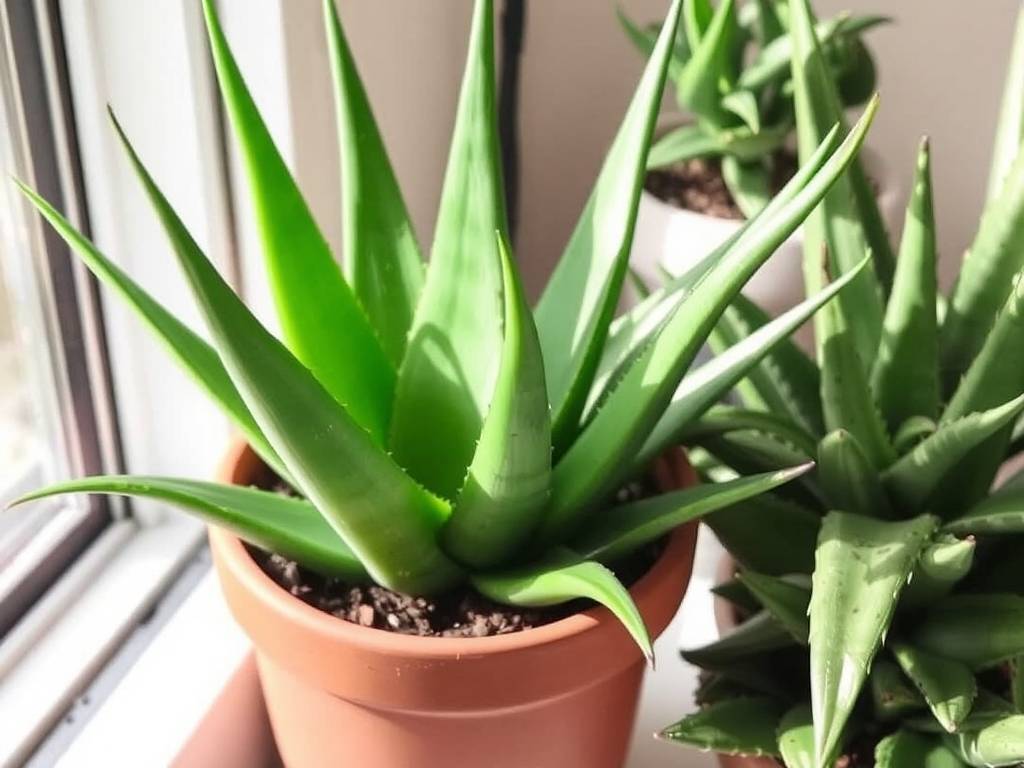
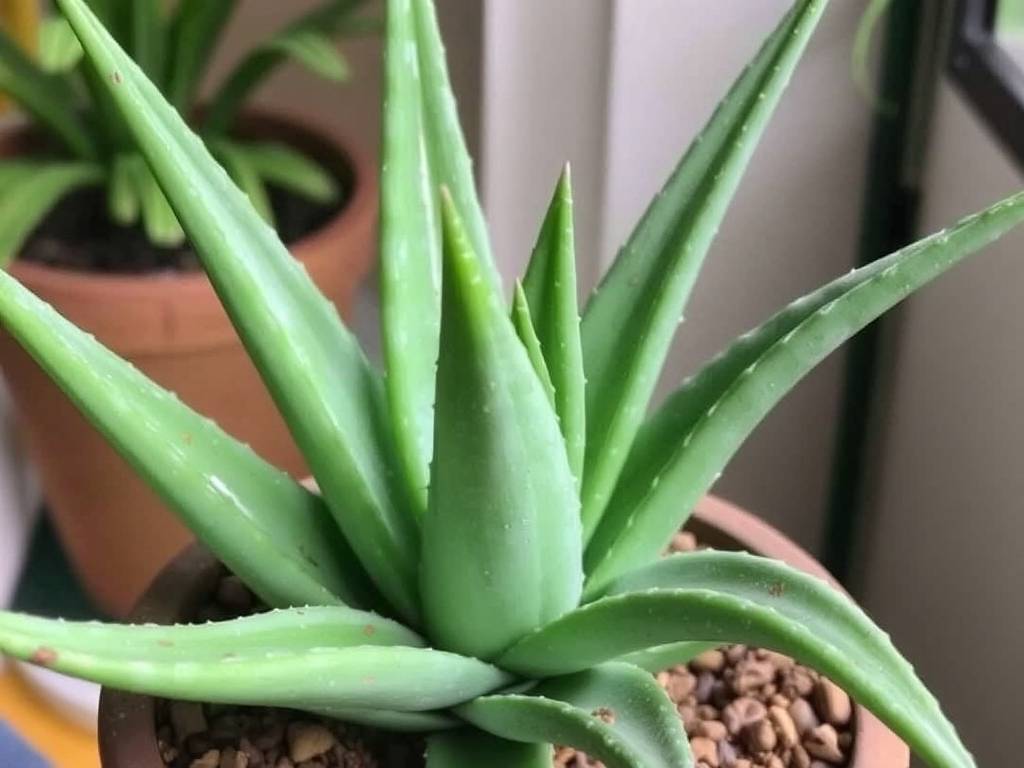
 Aloe vera is a fantastic indoor plant—its striking, sword-like leaves add a touch of greenery to any room, and its gel offers natural relief for minor burns or skin irritations. But while it’s often called “low-maintenance,” caring for aloe vera indoors requires understanding how to adapt its desert origins to the unique conditions of your home: less sunlight than the outdoors, drier air from heaters or AC, and pots that limit root spread. Whether you’re a new plant parent or struggling to keep your existing aloe healthy, this complete guide breaks down everything you need to know—from perfecting your watering schedule to choosing the right soil—so your indoor aloe thrives year-round.
### Understanding Indoor Aloe Vera’s Unique Needs
First, it’s helpful to remember that aloe vera is a succulent native to arid regions of Africa. In the wild, it soaks up bright sun, endures dry soil, and benefits from good airflow—conditions that don’t always match our homes. Indoor spaces often have:
- Less intense, filtered sunlight (especially in rooms without south-facing windows).
- Fluctuating humidity (dry in winter from heating, more humid in summer).
- Pots that trap moisture (if not chosen carefully), increasing the risk of root rot.
The good news? With a few simple adjustments, you can replicate its natural habitat indoors. The core pillars of indoor aloe care are **proper lighting**, **sparse watering**, and **well-draining soil**—and we’ll dive deep into each of these, plus troubleshooting common issues.
### 1. Lighting for Indoor Aloe Vera: Find the Brightest Spot (Without Scorching)
Light is the most critical factor for indoor aloe vera—without enough, your plant will become leggy (stretching toward light), develop pale leaves, and stop growing. But too much direct sunlight (like through a uncovered south window in summer) can scorch its leaves, leaving brown, crispy edges.
#### The Best Indoor Light Spots:
- **South-facing windows**: These are ideal for indoor aloe vera, as they provide bright, indirect light for most of the day. If your south window gets intense midday sun (especially in summer), place a sheer curtain over it to filter the light—this prevents leaf burn while still giving your aloe the brightness it needs.
- **West-facing windows**: These work too, but they get stronger afternoon sun. Position your aloe a foot or two back from the window, or use a curtain, to avoid harsh rays.
- **East-facing windows**: Morning sun here is gentle, so your aloe will get light without the risk of scorching. However, east windows have less light overall, so growth may be slower—you may need to rotate the pot weekly to ensure all sides get even light.
#### What to Avoid:
- **North-facing windows**: These rarely get enough light for aloe vera. If this is your only option, supplement with a **grow light** (a LED full-spectrum grow light works best). Place the light 6–12 inches above the plant, and keep it on for 12–14 hours a day—this mimics natural sunlight and prevents leggy growth.
- **Dark corners or hallways**: Even a few weeks in low light can cause your aloe to decline. If you notice stems stretching or leaves turning pale, move the plant to a brighter spot immediately.
### 2. Watering Indoor Aloe Vera: Less Is Almost Always More
Overwatering is the #1 killer of indoor aloe vera. Because aloe stores water in its thick leaves, it can survive weeks without water—and sitting in damp soil will quickly lead to root rot (a fungal issue that turns roots mushy and brown).
#### The Golden Rule for Indoor Aloe Watering:
**Let the soil dry out completely between waterings.** How often this happens depends on your home’s conditions:
- In warm, dry rooms (e.g., near a heater or AC vent) with lots of light: Water every 2–3 weeks.
- In cool, humid rooms (e.g., a bathroom with a shower): Water every 4–6 weeks.
- In winter (when aloe goes dormant): Cut back to every 6–8 weeks—growth slows, so the plant needs even less water.
#### How to Check If Your Aloe Needs Water:
- Stick your finger 2–3 inches into the soil. If it feels dry all the way down, it’s time to water.
- Lift the pot: Dry soil is much lighter than wet soil. Once you get used to the weight, you’ll know when it’s time to water just by lifting.
#### How to Water Indoor Aloe Vera Correctly:
1. Use room-temperature water (cold water can shock the roots).
2. Pour water slowly over the soil, not the leaves, until it drains out the bottom of the pot. This ensures the roots get enough moisture without leaving standing water.
3. Empty the saucer under the pot after 10–15 minutes—never let the pot sit in water, as this causes root rot.
#### Signs You’re Watering Wrong:
- **Overwatering**: Leaves turn yellow, soft, or mushy; the base of the plant may smell like rot. Fix this by stopping watering, removing any mushy leaves, and repotting in fresh, dry soil (see soil tips below).
- **Underwatering**: Leaves become thin, wrinkled, or wilted; the soil pulls away from the edges of the pot. Fix this by watering thoroughly (don’t just “sip” water—soak the soil until it drains).
### 3. Soil for Indoor Aloe Vera: Well-Draining Is Non-Negotiable
Indoor aloe vera needs soil that drains quickly—regular potting soil is too dense and retains moisture, which suffocates roots. The right soil mix will mimic the sandy, gravelly soil aloe grows in the wild.
#### The Best Soil for Indoor Aloe Vera:
- **Pre-made succulent/cactus soil mix**: This is the easiest option. Look for mixes that include perlite, pumice, or coarse sand—these ingredients create air pockets and let water flow through. Avoid mixes with large amounts of peat moss or compost, as these hold onto moisture.
- **DIY soil mix**: If you can’t find succulent soil, make your own by combining:
- 1 part regular potting soil (use a high-quality, well-aerated mix, not heavy garden soil).
- 1 part perlite (or pumice—both lighten the soil and improve drainage).
- 1 part coarse sand (not fine beach sand, which compacts easily; use horticultural sand or builder’s sand).
#### How to Plant/Repot with the Right Soil:
When planting or repotting your indoor aloe:
1. Choose a pot with drainage holes (more on pots below) and fill the bottom 1–2 inches with soil.
2. Gently place the aloe in the pot, making sure the base of the leaves is **just above the soil line**—burying leaves causes them to rot.
3. Fill in around the roots with soil, and gently pat it down to remove air pockets (don’t pack it too tightly—airflow is key).
### 4. Choosing the Right Pot for Indoor Aloe Vera
The pot you use affects how well your indoor aloe drains—and thus, how healthy it is. Here’s what to look for:
#### Pot Material:
- **Terra cotta or clay pots**: These are the best choice for indoor aloe. They’re porous, so they absorb excess moisture from the soil, reducing the risk of overwatering. Terra cotta also dries out faster, which aligns with aloe’s need for dry soil.
- **Plastic pots**: These are cheaper and lighter, but they retain moisture longer. If you use plastic, be extra careful with watering—wait until the soil is *completely* dry, and avoid pots with thick walls (which trap more moisture).
- **Ceramic or glazed pots**: These are non-porous, so they hold water like plastic. Only use them if they have large drainage holes, and pair them with a well-draining soil mix.
#### Pot Size:
Aloe vera likes to be “root-bound”—meaning its roots fill the pot without much extra space. A pot that’s too large will have excess soil, which stays wet longer and causes root rot.
- Choose a pot that’s **1–2 inches larger in diameter** than the aloe’s root ball. For example, if your aloe’s roots are 3 inches wide, use a 4–5 inch pot.
- If your aloe has pups (small baby plants growing at the base), you can repot them in 2–3 inch pots once they have their own roots.
### 5. Temperature and Humidity for Indoor Aloe Vera
Aloe vera is adaptable to most indoor temperatures, but it doesn’t like extremes. Here’s how to keep it comfortable:
#### Temperature:
- Ideal range: **60–80°F (15–27°C)**. This matches most home temperatures, so you won’t need to adjust much.
- Avoid cold drafts: Keep your aloe away from windows that get cold in winter, doorways, or vents blowing cold air. Temperatures below 50°F (10°C) can damage the plant, causing leaves to turn brown and mushy.
- Avoid heat sources: Don’t place your aloe directly next to a heater, radiator, or stove—dry, hot air will make the soil dry out too fast and can scorch leaves.
#### Humidity:
- Aloe vera thrives in **low to moderate humidity** (30–50%), which is typical of most homes. You don’t need to mist it—misting adds moisture to the leaves, which can lead to fungal growth (especially if the plant doesn’t get enough light).
- In very dry rooms (e.g., winter with the heater on), you can place a tray of water and pebbles near the plant (don’t let the pot sit in water). As the water evaporates, it adds a small amount of humidity without overwatering the aloe.
### 6. Fertilizing Indoor Aloe Vera: Light Feeding Only
Indoor aloe vera doesn’t need much fertilizer—too many nutrients can burn its roots or cause leggy growth. But a light feeding during its growing season (spring and summer) can boost health and growth.
#### What to Use:
- **Diluted liquid fertilizer**: Choose a balanced fertilizer (like 10-10-10 or 20-20-20) or a fertilizer made specifically for succulents. Dilute it to **half the strength** recommended on the label—aloe is sensitive to strong chemicals.
- **Organic options**: Worm castings or diluted fish emulsion (1 part emulsion to 10 parts water) are gentle, natural choices. They provide slow-release nutrients without risking root burn.
#### When to Fertilize:
- Feed once every 4–6 weeks during spring and summer (the growing season).
- Stop fertilizing in fall and winter—aloe goes dormant, so it won’t use the nutrients, and excess fertilizer can build up in the soil.
#### What to Avoid:
- Don’t fertilize a newly repotted aloe (wait 1–2 months until it’s established).
- Don’t fertilize a sick aloe (e.g., one with yellow leaves or root rot)—focus on fixing the underlying issue first.
### 7. Troubleshooting Common Indoor Aloe Vera Problems
Even with good care, indoor aloe vera can run into issues. Here’s how to identify and fix the most common problems:
#### Leggy, Stretched Growth:
- Cause: Not enough light (the most common indoor aloe issue).
- Fix: Move the plant to a brighter spot (south or west window) or add a grow light. Trim off the leggy stems (use clean scissors) to encourage bushier growth—you can even propagate the trimmings (see below!).
#### Brown, Crispy Leaf Edges:
- Cause: Too much direct sunlight, underwatering, or dry air from heaters/AC.
- Fix: Move the plant to a spot with filtered light, water thoroughly if the soil is dry, and add a humidity tray if the air is too dry.
#### Yellow, Mushy Leaves:
- Cause: Overwatering (the #1 killer of indoor aloe).
- Fix: Stop watering immediately. Remove the plant from the pot, trim any brown, mushy roots with clean scissors, and repot in fresh succulent soil. Use a terra cotta pot to help the soil dry faster.
#### Pests (Mealybugs, Aphids):
- Cause: Indoor plants are prone to pests if they’re stressed (e.g., too much water, not enough light) or near infested plants.
- Fix: Wipe mealybugs (white, cottony insects) off leaves with a cotton swab dipped in rubbing alcohol. For aphids (tiny green/black bugs), spray the plant with a solution of 1 teaspoon mild dish soap and 1 quart water, then rinse with clean water. Repeat every 3 days until pests are gone.
#### Pups Not Growing:
- Cause: Pups (baby aloes) need light and space to grow. If they’re crowded by the mother plant, they may stay small.
- Fix: Once pups have their own roots (you’ll see them growing from the base), gently separate them from the mother plant and repot in small pots with succulent soil. Place them in a bright spot, and water sparingly.
### Bonus: Propagating Indoor Aloe Vera (Grow More Plants for Free!)
If your indoor aloe grows pups or you want to propagate from a leaf, it’s easy to do—here’s how:
#### Propagating from Pups:
1. Wait until pups are 2–3 inches tall and have their own small roots (you may need to gently brush soil away from the base to check).
2. Gently pull the pup away from the mother plant—if it resists, use a clean knife to separate it.
3. Let the pup sit in a dry, bright spot for 1–2 days (this “calluses” the cut end, preventing rot).
4. Plant the pup in a small pot with succulent soil, water lightly, and place in filtered light. Wait 1–2 weeks before watering again.
#### Propagating from Leaves:
1. Cut a healthy leaf from the mother plant at the base (use clean scissors).
2. Let the leaf sit in a dry, bright spot for 3–5 days until the cut end calluses.
3. Place the callused end 1–2 inches deep in succulent soil. Water lightly, and keep the soil slightly moist (not wet) until roots grow (this takes 2–4 weeks).
4. Once roots form, water sparingly like a mature aloe.
### Final Tips for Happy Indoor Aloe Vera
Caring for aloe vera indoors doesn’t have to be complicated—just remember its desert roots: bright light, dry soil, and minimal water. Here’s a quick checklist to keep your plant healthy:
- Check soil moisture every week (stick your finger in!).
- Rotate the pot weekly for even light.
- Repot every 1–2 years (when roots fill the pot).
- Keep it away from cold drafts and heat sources.
With these tips, your indoor aloe vera will not only survive but thrive—providing you with lush greenery and healing gel for years to come.