bluename
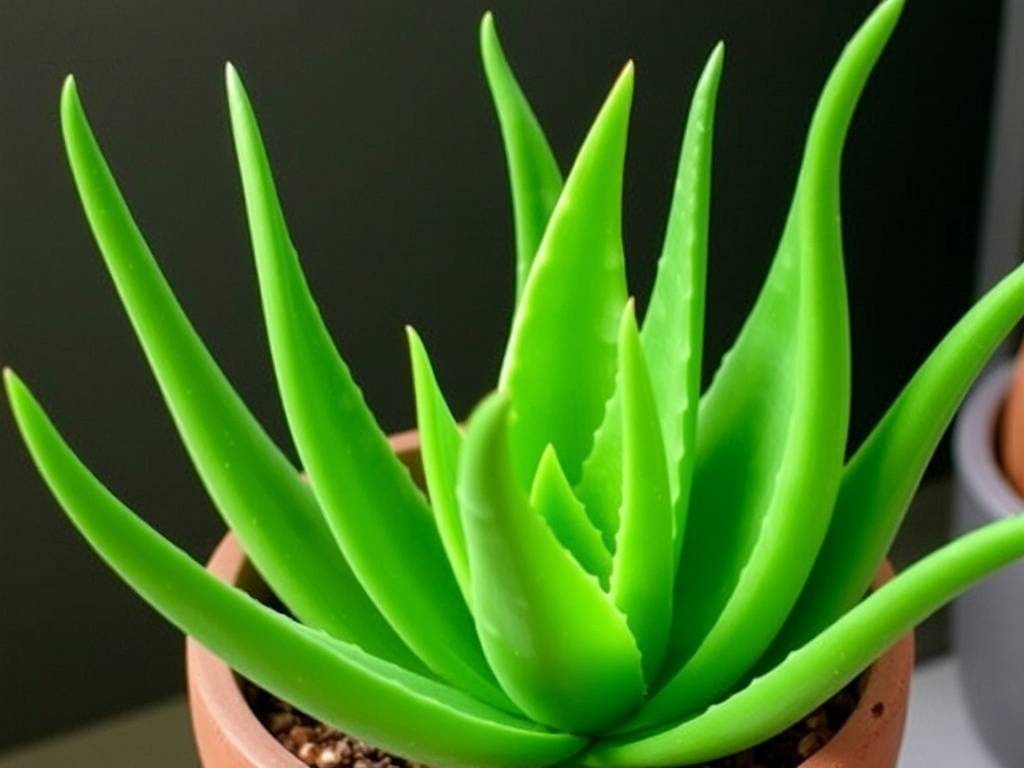
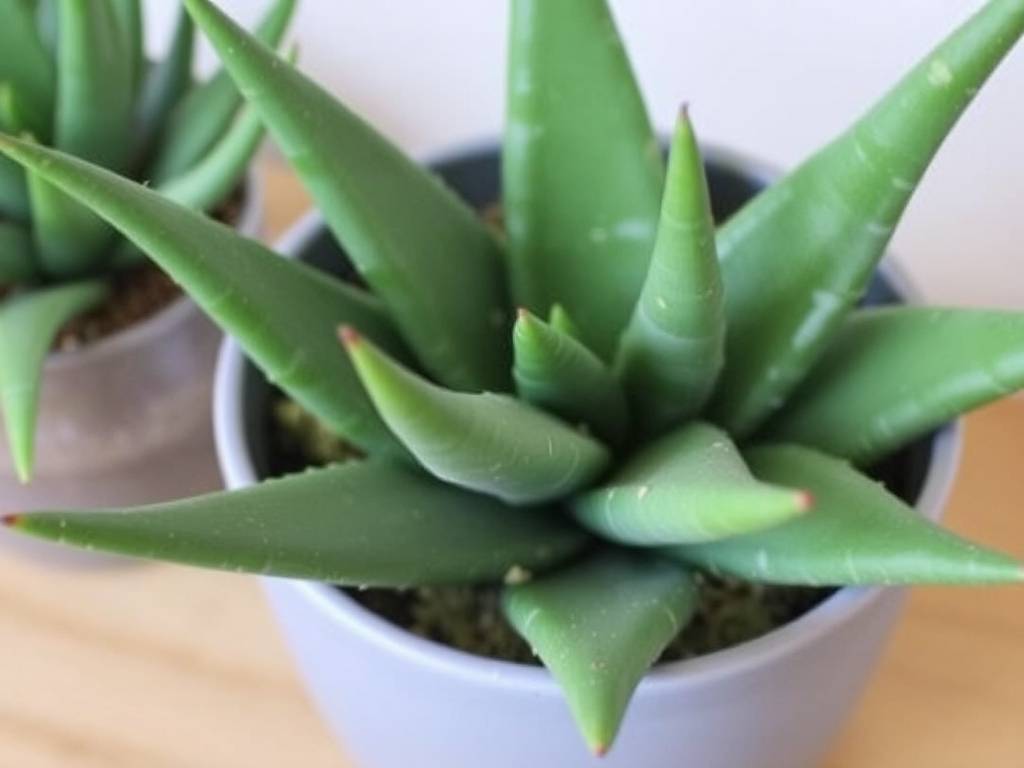
 Aloe vera is a beloved succulent known for its thick, fleshy leaves and healing gel, making it a popular choice for both beginner and experienced plant parents. But while it’s often labeled “low-maintenance,” keeping your aloe vera plant healthy and thriving still requires understanding its unique needs. From proper sunlight to the right watering schedule, small missteps can lead to wilting, root rot, or leggy growth. To help you avoid common pitfalls and nurture a vibrant aloe, here are 7 essential tips that cover everything you need to know—whether you’re growing it indoors on a windowsill or outdoors in a sunny garden.
### 1. Give Your Aloe Vera the Right Amount of Sunlight (Not Too Much, Not Too Little)
Sunlight is crucial for aloe vera, as it’s a desert plant that thrives in bright, indirect light. However, striking the right balance is key: too little light will make your aloe vera plant stretch (a problem called “etiolation”), while too much direct sunlight can scorch its leaves.
For indoor aloe vera plants, place them near a **south-facing or west-facing window**—these spots get plenty of bright light without the harsh midday sun that can cause brown, crispy leaf edges. If your window only gets morning sun (east-facing), that’s also acceptable, but you may notice slower growth. Avoid dark corners or rooms with minimal natural light, as this will lead to weak, leggy stems and pale leaves.
Outdoor aloe vera (in zones 9–11, where temperatures don’t drop below 20°F) should be planted in a spot with **filtered sunlight**—think under a patio cover or next to a wall that blocks intense afternoon rays. If you’re moving an indoor aloe outside for the first time, acclimate it gradually: start with 1–2 hours of morning sun daily, then increase over 1–2 weeks to prevent shock.
### 2. Water Sparingly (Aloe Vera Hates Wet Feet!)
One of the biggest mistakes new aloe parents make is overwatering—and it’s also the most common cause of aloe vera plant death. Aloe is a succulent, meaning it stores water in its leaves, so it needs far less water than typical houseplants.
The golden rule for watering aloe vera: **let the soil dry out completely between waterings**. How often that happens depends on your environment: in a warm, dry room with lots of sun, you might water every 2–3 weeks; in a cool, humid space, every 4–6 weeks. To check if your aloe needs water, stick your finger 2–3 inches into the soil—if it feels dry all the way down, it’s time to water.
When you do water, water thoroughly: pour until water drains out the bottom of the pot. This ensures the roots get enough moisture without leaving standing water (which causes root rot). Avoid “sip watering” (just adding a little water to the top of the soil), as this can lead to dry, undernourished roots. In winter, cut back on watering even more—aloe goes dormant in cooler temperatures, so it needs only enough water to keep its leaves from shriveling.
Pro tip: If you notice your aloe vera’s leaves are soft, mushy, or turning yellow, that’s a sign of overwatering. Stop watering immediately, and if the soil is waterlogged, repot the plant in fresh, dry soil (more on repotting later!).
### 3. Choose the Right Soil (Well-Draining Is Non-Negotiable)
Aloe vera’s roots are prone to rot if they sit in damp soil, so choosing a well-draining soil mix is essential. Regular potting soil is too dense—it retains moisture, which can suffocate the roots. Instead, use a **succulent or cactus soil mix**—these are specially formulated with ingredients like perlite, pumice, or coarse sand to improve drainage.
If you can’t find a pre-made succulent mix, you can make your own: combine 1 part regular potting soil with 1 part perlite (or pumice) and 1 part coarse sand. This mix will let water flow through quickly, keeping the roots dry and healthy. Avoid adding organic matter like peat moss or compost in large quantities—while these add nutrients, they also hold onto moisture, which is bad for aloe.
When planting or repotting, fill the pot with the soil mix, then gently place the aloe in the center. Make sure the base of the leaves is just above the soil line—burying the leaves can cause them to rot.
### 4. Pick the Perfect Pot (Size and Material Matter)
The pot you choose for your aloe vera can impact its health just as much as soil or water. Here’s what to look for:
- **Size**: Aloe vera likes to be “root-bound,” meaning its roots should fill the pot without too much extra space. If the pot is too large, the soil will stay wet longer, increasing the risk of root rot. Choose a pot that’s **1–2 inches larger in diameter** than the current root ball. For example, if your aloe’s roots are 4 inches wide, use a 5–6 inch pot.
- **Material**: Terra cotta or clay pots are ideal for aloe vera. These materials are porous, so they absorb excess moisture from the soil—helping to prevent overwatering. Plastic pots are okay too, but they retain more water, so you’ll need to be extra careful with your watering schedule. Avoid glass pots or containers without drainage holes—these trap water, which is a death sentence for aloe.
- **Drainage Holes**: Always, always choose a pot with drainage holes in the bottom. If you fall in love with a pot that doesn’t have holes, you can drill them yourself (use a masonry bit for clay pots) or place a layer of gravel at the bottom to catch excess water (though drainage holes are still better).
### 5. Fertilize Occasionally (But Don’t Overdo It)
Aloe vera doesn’t need much fertilizer—too many nutrients can burn its roots or cause leggy growth. But a light feeding during its growing season (spring and summer) can help it thrive.
Use a **diluted, balanced liquid fertilizer** (like a 10-10-10 or 20-20-20 formula) or a fertilizer specifically made for succulents. Dilute the fertilizer to half the strength recommended on the label—aloe is sensitive to strong chemicals. Feed your aloe once every 4–6 weeks during spring and summer, and stop fertilizing entirely in fall and winter (when growth slows down).
If you prefer organic options, you can use a diluted fish emulsion or worm castings—these are gentle and provide slow-release nutrients. Avoid fertilizing a newly repotted aloe or a sickly aloe (e.g., one with yellow leaves or soft roots)—wait until it’s established and healthy.
### 6. Repot When Necessary (Signs Your Aloe Needs More Space)
As your aloe vera grows, its roots will fill the pot, and it may start to outgrow its home. Repotting helps give the roots room to spread and prevents the plant from becoming too root-bound (which can slow growth and make it more prone to overwatering).
Here are the signs your aloe vera needs repotting:
- Roots are growing out of the drainage holes or circling the bottom of the pot.
- The plant is top-heavy and tips over easily.
- Growth has slowed significantly, even during the growing season.
- The soil dries out extremely quickly (within a day or two of watering).
The best time to repot aloe vera is in **spring**—this is when it’s entering its active growth phase, so it will recover faster. To repot:
1. Gently remove the aloe from its current pot. Tap the pot or loosen the soil with a fork to avoid damaging the roots.
2. Inspect the roots: if you see any brown, mushy roots (a sign of rot), trim them off with clean, sharp scissors or pruning shears.
3. Fill the new pot (1–2 inches larger than the old one) with succulent soil mix, leaving enough space for the root ball.
4. Place the aloe in the new pot, making sure the base of the leaves is just above the soil. Fill in around the roots with more soil, and gently pat it down to remove air pockets.
5. Water the plant lightly (just enough to moisten the soil) and place it in a bright, indirect light spot. Wait 1–2 weeks before watering again to let the roots settle.
### 7. Troubleshoot Common Aloe Vera Problems (How to Fix and Prevent Issues)
Even with the best care, aloe vera can run into problems. Here are the most common issues and how to solve them:
- **Brown, crispy leaf edges**: This is usually a sign of too much direct sunlight or underwatering. Move the plant to a spot with filtered light, and check the soil—if it’s bone dry, water thoroughly.
- **Yellow, mushy leaves**: Overwatering is the culprit here. Stop watering, and if the soil is waterlogged, repot the aloe in fresh, dry succulent soil. Trim any mushy leaves to prevent the rot from spreading.
- **Leggy, stretched growth**: This happens when the aloe doesn’t get enough light. Move it to a brighter spot (like a south-facing window), and trim off the leggy stems if you want to encourage bushier growth. You can even propagate the trimmed stems (see below!) to grow new plants.
- **Pests (mealybugs, aphids)**: Aloe vera is relatively pest-resistant, but mealybugs (small, white, cottony insects) and aphids (tiny green or black bugs) can sometimes infest the leaves or roots. Wipe mealybugs off with a cotton swab dipped in rubbing alcohol. For aphids, spray the plant with a solution of water and mild dish soap (1 teaspoon soap per 1 quart water), then rinse with clean water.
- **Leaf drop**: If your aloe is losing leaves, it could be due to overwatering, underwatering, or too little light. Check the soil first—if it’s wet, stop watering; if it’s dry, water. If the soil is fine, move the plant to a brighter spot.
Bonus: Propagating Aloe Vera
If your aloe vera grows pups (small baby plants) around its base, you can propagate them to grow new plants! Simply gently separate the pups from the mother plant (make sure each pup has its own roots), plant them in small succulent pots with well-draining soil, and care for them like mature aloe plants. This is a great way to expand your aloe collection or share plants with friends!
### Final Thoughts: Keep It Simple
The key to keeping your aloe vera plant healthy and thriving is to mimic its natural desert habitat: lots of bright light, well-draining soil, and minimal water. Don’t overcomplicate it—aloe is forgiving, and even if you make a mistake (like overwatering once), it can often recover with a little adjustments to its care. By following these 7 essential tips, you’ll have a lush, vibrant aloe vera plant that not only looks great but also provides you with its healing gel for years to come.