bluename
 How to Care for Indoor Cymbidium Sinense: Admire Slender Elegant Foliage and Subtle Fragrant Blooms
1. Choosing the Right Cymbidium Sinense Variety for Indoors
‘Ballerina’: A popular variety with graceful, narrow leaves and soft pink blooms that emit a gentle scent. It’s compact and adapts well to indoor light.
‘Winter Beauty’: As its name suggests, it blooms in winter, producing creamy white flowers with a subtle citrus-like fragrance. Its leaves are slightly broader but still maintain an elegant arch.
‘Midnight Blue’: Features deep purple blooms that contrast beautifully with its dark green foliage. It’s a bit more compact, making it ideal for small spaces like desks or shelves.
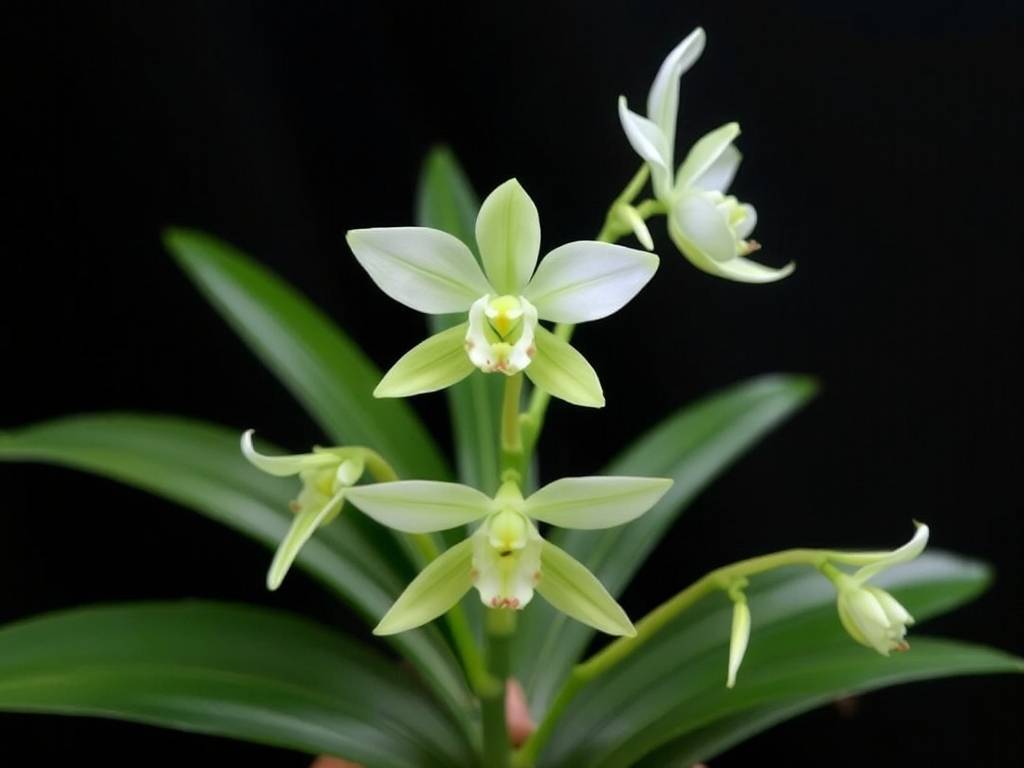
‘Spring Breeze’: Blooms in early spring with light lavender flowers and has particularly slender leaves, highlighting the “slender elegant foliage” trait that Cymbidium sinense is loved for.
2. Light: Gentle, Filtered Light for Healthy Foliage and Blooms
Best windows: East-facing windows are ideal—they get soft morning sun (which is not too intense) and shade in the afternoon. North-facing windows also work, as they provide consistent, indirect light all day, though you may need to supplement with a grow light in winter if the light is too dim.
Avoid direct sun: South-facing or west-facing windows have intense midday or afternoon sun. If you only have these, place the plant 2-3 feet away from the window, or use a sheer curtain to filter the light. Direct sun will cause leaf burn (brown, crispy spots) and can stress the plant, preventing blooming.
Grow light supplement: In winter, when daylight hours are shorter, or if your home has low light, use a full-spectrum LED grow light. Hang it 12-18 inches above the plant and keep it on for 10-12 hours a day. This mimics natural light and helps the plant maintain its energy for blooming.
3. Watering: Keep Roots Moist but Not Waterlogged
Check the medium first: Before watering, stick your finger 1-2 inches into the growing medium (or lift the pot—if it feels very light, it’s time to water). For orchids potted in bark (a common medium), water when the top 1/2 of the bark feels dry. For those in sphagnum moss, water when the moss feels slightly dry to the touch.
Water thoroughly: When watering, pour room-temperature water slowly over the medium until it drains out of the bottom of the pot. This ensures that the entire root system gets hydrated, not just the top layer. Avoid using cold water, as it can shock the roots.
Drain excess water: Empty the saucer under the pot immediately after watering—never let the pot sit in standing water. Standing water leads to root rot, which is fatal for Cymbidium sinense.
Adjust for seasons: In spring and summer (growing season), the plant uses more water, so you may need to water every 7-10 days. In fall and winter (when growth slows and it may bloom), reduce watering to every 10-14 days, as the medium dries out more slowly.
4. Growing Medium and Potting: Let Roots Breathe
Choosing the right medium:
Orchid bark mix: This is the most popular choice. Look for a mix designed for Cymbidiums (it usually has larger bark pieces, around 1/2-1 inch, which hold moisture without staying wet). Bark allows good air circulation around the roots and breaks down slowly (lasts 2-3 years).
Sphagnum moss: Organic sphagnum moss retains moisture well, making it a good option if your home is very dry. However, it can hold too much water if overwatered, so be extra careful with watering.
Bark + perlite mix: For even better drainage, mix 3 parts orchid bark with 1 part perlite. This is great for growers who tend to overwater.
Pot selection:
Material: Clay or terracotta pots are ideal—they’re porous, so excess moisture evaporates through the sides, preventing root rot. Plastic pots can work too, but make sure they have plenty of drainage holes (at least 3-4) and water less frequently, as plastic holds moisture longer.
Size: Choose a pot that’s just slightly larger than the root ball. Cymbidium sinense likes to be a bit root-bound—if the pot is too big, the medium will stay wet too long, leading to rot. A pot that’s 1-2 inches wider than the root ball is perfect.
Drainage holes: Always choose a pot with multiple drainage holes—this is non-negotiable for preventing root rot.
Repotting:
Gently remove the plant from its old pot, tapping the sides to loosen the medium.
Carefully shake off old medium from the roots, and inspect the roots for rot. Healthy roots are white or greenish-white and firm; rotted roots are brown, mushy, and smell bad. Trim off any rotted roots with clean, sharp scissors (sterilize the scissors with rubbing alcohol first to prevent disease spread).
Fill the new pot with a layer of fresh medium (1-2 inches deep).
Place the plant in the pot, positioning the pseudobulbs just above the medium (don’t bury them—this can cause rot).
Fill in around the roots with more medium, gently pressing it down to hold the plant in place.
Water thoroughly and place the plant in a shaded spot for 1-2 weeks to let the roots recover before moving it back to its usual light spot.
5. Temperature and Humidity: Mimic Its Tropical Habitat
Temperature:
Daytime: Ideal daytime temperatures are between 65°F (18°C) and 75°F (24°C). This is comfortable for most homes, so it’s easy to maintain.
Nighttime: Cymbidium sinense needs a 10-15°F (5-8°C) drop in temperature at night to trigger blooming. For example, if daytime temps are 70°F (21°C), nighttime temps should be 55°F (13°C) to 60°F (16°C). In winter, when the plant is setting flower buds, this temperature drop is especially important.
Avoid extremes: Never let the temperature drop below 50°F (10°C)—cold temperatures can damage the leaves and kill the plant. Also, keep it away from heat sources like radiators, heaters, or fireplaces (hot, dry air dries out the leaves) and cold drafts (like open windows in winter).
Humidity:
Ideal humidity: Cymbidium sinense thrives in humidity levels between 50% and 70%. Most homes have lower humidity (especially in winter, when heaters are on), so you’ll likely need to boost it.
How to increase humidity:
Pebble tray: Fill a tray with pebbles, add water until it reaches just below the top of the pebbles, and place the pot on top (make sure the pot doesn’t sit in the water). As the water evaporates, it increases the humidity around the plant.
Room humidifier: A small humidifier near the plant is one of the most effective ways to maintain consistent humidity, especially in winter.
Group plants: Grouping Cymbidium sinense with other houseplants creates a microclimate with higher humidity, as plants release moisture through their leaves (transpiration).
Mist leaves: Mist the leaves with room-temperature water 2-3 times a week, especially in dry weather. Avoid misting the flowers (it can cause spots) and make sure the leaves dry by evening to prevent fungal growth.
6. Fertilizing: Feed for Lush Foliage and Blooms
Fertilizer type: Choose a fertilizer with a balanced N-P-K ratio (nitrogen-phosphorus-potassium) like 20-20-20, or a formula slightly higher in phosphorus (like 10-30-20) to encourage blooming. Look for fertilizers labeled “for orchids” or “for epiphytes” (plants that grow on other plants, like orchids).
Growing season (spring to early fall): Fertilize every 2-3 weeks. Dilute the fertilizer to half the strength recommended on the label—orchids are sensitive to strong fertilizer. Water the plant first, then apply the diluted fertilizer to avoid burning dry roots.
Blooming season (late fall to winter): Reduce fertilizing to once a month, or stop altogether if the plant is blooming heavily. Too much fertilizer during blooming can cause the flowers to drop prematurely.
After blooming: After the blooms fade (late spring), give the plant a “rest” from fertilizing for 2-3 weeks, then resume regular fertilizing for the growing season.
Flush the medium: Every 2-3 months, water the plant thoroughly with plain water (no fertilizer) to flush out any fertilizer buildup in the medium. Buildup can cause salt deposits on the leaves or roots, leading to damage.
7. Pruning: Keep Foliage Tidy and Encourage New Growth
Dead or yellow leaves: Use clean, sharp scissors to cut off any dead, yellow, or brown leaves at the base (near the pseudobulb). This keeps the plant looking tidy and prevents the spread of disease.
Spent flower spikes: After the blooms fade, cut the flower spike down to the base of the plant. This redirects the plant’s energy to growing new foliage and pseudobulbs (which will produce next year’s blooms) instead of producing seeds.
Overcrowded pseudobulbs: Every few years, if the plant has too many pseudobulbs (they’re crowded and overlapping), you can divide the plant when repotting. Gently separate the clump into smaller sections, each with 3-4 pseudobulbs and healthy roots, then repot each section in its own pot. This not only tidies the plant but also encourages new growth.
8. Troubleshooting Common Indoor Cymbidium Sinense Problems
Yellow Leaves
Causes: Overwatering (most common), underwatering, too much direct sun, or nutrient deficiency.
Fix: Check the roots—if they’re mushy and brown, it’s overwatering. Stop watering, let the medium dry out, and trim rotted roots. If roots are white and firm, check if the plant is getting too much sun (move to a shadier spot) or if it needs fertilizer (feed with diluted orchid fertilizer). For underwatering, water thoroughly and adjust your watering schedule.
Brown Leaf Tips
Causes: Low humidity, overfertilizing, or dry air from heat sources.
Fix: Increase humidity (use a pebble tray or humidifier), flush the medium to remove fertilizer buildup, and move the plant away from heaters or radiators. Trim the brown tips with scissors (cut just above the brown part, following the leaf’s natural shape) to tidy the plant.
No Blooms
Causes: Lack of temperature drop at night (most common), not enough light, overfertilizing (too much nitrogen), or the plant is too young (Cymbidium sinense needs 2-3 years to mature before blooming).
Fix: Ensure a 10-15°F nighttime temperature drop (especially in winter). Move the plant to a brighter spot (filtered light) if needed. Use a fertilizer higher in phosphorus (10-30-20) to encourage blooming, and avoid overfertilizing. If the plant is young, be patient—it will bloom when it’s ready.
Root Rot
Causes: Overwatering, poor drainage, or using a medium that holds too much water.
Fix: Remove the plant from the pot, trim all rotted roots (brown, mushy) with sterilized scissors. Repot in fresh, well-draining orchid bark mix in a pot with drainage holes. Water less frequently, and make sure the medium dries out slightly between waterings.
Pests
Common pests: Aphids, mealybugs, scale, and spider mites. These pests feed on the plant’s sap, causing yellow leaves, sticky residue (honeydew), or webbing (spider mites).
Fix: For small infestations, wipe the leaves and pseudobulbs with a damp cloth dipped in soapy water (mild dish soap). For larger infestations, use an insecticidal soap or neem oil spray (follow the label instructions—neem oil is safe for orchids). Repeat every 7-10 days until pests are gone. Isolate the plant from other houseplants to prevent spread.
9. Enjoying Your Indoor Cymbidium Sinense
Display tips: Place it on a windowsill, side table, or shelf where its arching leaves can be seen—avoid crowd
- ing it with other plants that might block its light or crowd its leaves. A simple ceramic or wooden stand can elevate it, making its arching foliage a focal point.
Scent enjoyment: Place the plant in a room where you spend time relaxing, like a living room or bedroom—its subtle fragrance is not overpowering, so it won’t cause discomfort, but it will add a calming ambiance. Avoid placing it in drafty areas, as this can cause the scent to dissipate quickly.
Long-term care: As your Cymbidium sinense grows, it will produce new pseudobulbs at the base. These new pseudobulbs are the key to future blooms, so be careful not to damage them when watering or repotting. Over time, the older pseudobulbs may turn brown and shrivel—this is normal, as they’ve transferred their energy to the new growth. You can leave them in place (they provide support to the plant) or gently remove them if they look unsightly.
10. Special Considerations for Winter Care
- Winter is a crucial time for indoor Cymbidium sinense, as it’s often the blooming season and the time when the plant needs that important temperature drop to set buds. Here’s how to care for it during the colder months:
Temperature control: Stick to the 10-15°F nighttime temperature drop. If your home is kept very warm at night (above 65°F/18°C), try moving the plant to a cooler room like a guest bedroom or a room with a programmable thermostat that can lower the temperature at night. Avoid placing it near windows that get cold drafts—use a draft stopper if needed to protect the leaves from cold air.
Light adjustment: Winter days are shorter, so your Cymbidium sinense may not get enough natural light. Supplement with a full-spectrum LED grow light, keeping it on for 10-12 hours a day. Position the light so it’s not too close to the leaves (12-18 inches away) to prevent burning.
Watering caution: The medium dries out much slower in winter, so reduce watering to every 10-14 days. Always check the medium first—if it’s still moist, wait a few more days. Cold water can shock the roots, so let tap water sit at room temperature for a few hours before using it.
Humidity boost: Winter heating systems dry out the air, so humidity levels can drop below 30%—way too low for Cymbidium sinense. Use a room humidifier near the plant, or place it on a pebble tray with water. Misting the leaves 2-3 times a week can also help, but make sure the leaves dry before nightfall to prevent fungal growth.
Fertilizer reduction: Cut back on fertilizer to once a month, using a diluted (half-strength) fertilizer with a higher phosphorus ratio (like 10-30-20) to support blooming. If the plant is already blooming, stop fertilizing until the blooms fade to avoid premature dropping.
11. Propagating Indoor Cymbidium Sinense (For Advanced Growers)
- If you want to expand your collection of Cymbidium sinense, you can propagate it by dividing the plant—this is the most reliable method for orchids. Propagating from seeds is very difficult (it requires sterile conditions and takes years to grow a mature plant), so division is the way to go.
- Here’s how to propagate via division:
Timing: The best time to divide is after blooming (late spring or early summer), when the plant is entering its growing season and has new growth.
Prepare tools: You’ll need clean, sharp pruning shears or a knife (sterilized with rubbing alcohol), fresh orchid bark mix, and small pots (4-6 inches in diameter) with drainage holes.
Remove the plant: Gently take the Cymbidium sinense out of its pot and shake off excess medium from the roots.
Separate the clump: Look for natural divisions in the plant—clumps of 3-4 pseudobulbs with their own set of healthy roots. Use the shears to cut through the rhizome (the thick stem that connects the pseudobulbs) between the clumps. Make sure each new division has at least 2-3 healthy pseudobulbs and a good network of white, firm roots.
Trim and clean: Trim any dead or rotted roots from each division, and remove any yellow or dead leaves.
Repot the divisions: Fill each small pot with fresh orchid bark mix. Place a division in the center of the pot, positioning the pseudobulbs just above the medium. Fill in around the roots with more medium, gently pressing it down to hold the plant in place.
Care for new divisions: Water each division thoroughly and place them in a shaded, warm spot (65°F-75°F/18°C-24°C) for 2-3 weeks. This lets the roots recover from the division. After the recovery period, move them to their usual light spot and care for them like mature plants.
- It may take 1-2 years for the new divisions to mature and bloom, but with proper care, they will eventually produce the same beautiful foliage and fragrant flowers as the parent plant.
Final Thoughts on Indoor Cymbidium Sinense Care
- Caring for indoor Cymbidium sinense may seem like a bit of a commitment, but it’s well worth the effort. Its slender, elegant foliage adds a touch of sophistication to your home year-round, and its subtle, fragrant blooms in winter or early spring are a delightful reward for your care. The key to success is understanding its needs—gentle filtered light, consistent moisture without waterlogging, the right temperature drop for blooming, and moderate to high humidity.
- Remember, every plant is unique—pay attention to the signs your Cymbidium sinense gives you. If the leaves are lush and green, and it blooms regularly, you’re on the right track. If you run into problems like yellow leaves or no blooms, use the troubleshooting tips to adjust your care routine. With a little patience and practice, you’ll become a pro at growing this beautiful orchid, and it will bring joy to your home for years to come.
- Whether you’re a beginner looking to try your hand at orchid care or an experienced grower adding to your collection, indoor Cymbidium sinense is a wonderful choice. It’s not just a plant—it’s a living piece of decor that combines elegance, fragrance, and natural beauty.