bluename
 Understanding When Your Aloe Vera Needs Repotting
Signs It’s Time to Repot Aloe Vera
Roots are visible outside the pot: If roots are growing through the drainage holes or circling the top of the soil, your aloe needs more space.
The plant is top-heavy: If your aloe tips over easily or the pot feels unstable, the root system is too big for the container.
Soil dries out too quickly: If you’re watering more often than usual (e.g., every 1–2 weeks instead of 2–4) and the soil still feels dry, the roots are using up moisture faster than the pot can hold it.
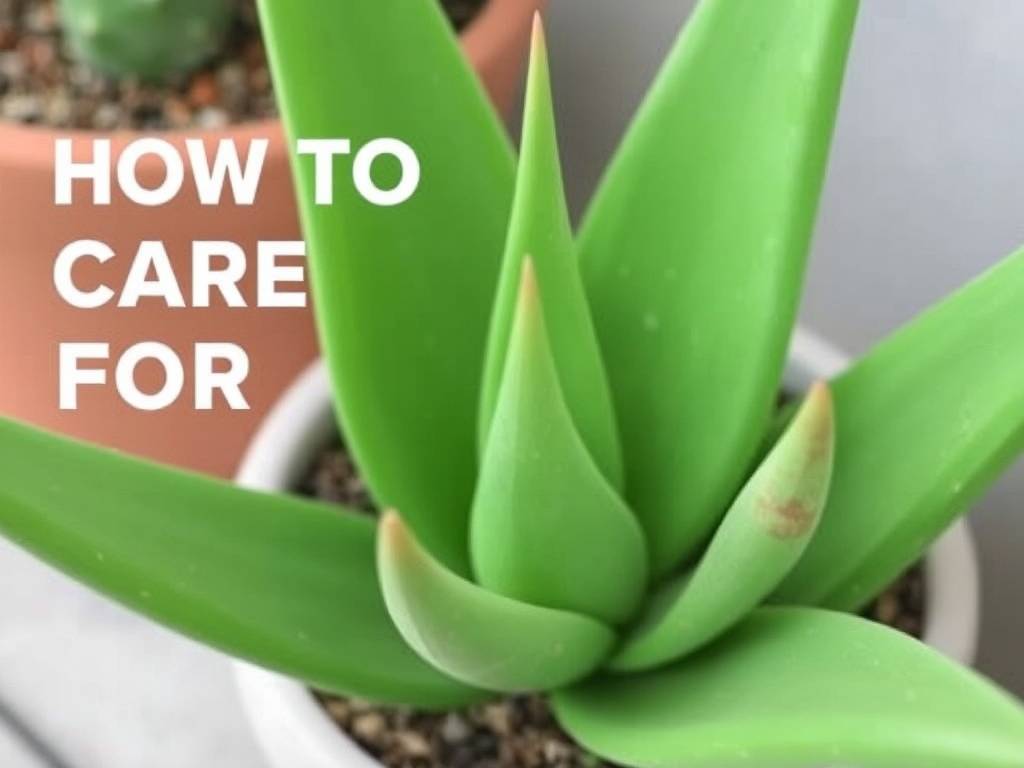
Growth has stalled: If your aloe hasn’t produced new leaves in 6+ months (and it’s not winter, when growth slows), cramped roots are likely the issue.
The Best Time to Repot Aloe Vera
Step-by-Step Guide to Repotting Aloe Vera (Without Damaging Roots)
A new pot (1–2 inches larger in diameter than the current one, with drainage holes—terra cotta is best for moisture control).
Well-draining succulent or cactus soil (or a DIY mix: 1 part potting soil + 1 part perlite + 1 part coarse sand).
Gloves (optional, but aloe sap can irritate sensitive skin).
Clean scissors or pruning shears (for trimming damaged roots).
A trowel or spoon (to loosen soil).
Prepare the new pot: Fill the bottom 1–2 inches with succulent soil. This creates a base for the roots and ensures good drainage.
Remove the aloe from its old pot: Gently tap the sides of the pot to loosen the soil. If the aloe is stuck, slide a trowel or spoon along the edges to separate the soil from the pot. Once loose, hold the plant by the base of its leaves (not the stems, which are fragile) and pull upward gently. If it still won’t come out, don’t yank—cut the pot if necessary (plastic pots are easy to snip with scissors).
Inspect and trim the roots: Once the aloe is out, shake off excess soil to see the root system. Healthy roots are white or tan, firm, and plump. If you see brown, mushy roots (a sign of rot), use clean scissors to trim them off—cut all the way back to healthy tissue. Also, remove any dead or yellow leaves at the base (this reduces stress on the plant).
Let the plant “callus” (if needed): If you trimmed a lot of roots or noticed rot, set the aloe in a dry, bright spot (not direct sun) for 1–2 days. This dries out the cut ends of the roots, preventing fungal growth when you repot. Skip this step if the roots are healthy and undamaged.
Plant the aloe in the new pot: Place the aloe in the center of the new pot. The base of the leaves should sit just above the soil line—burying leaves will cause them to rot. Fill in around the roots with succulent soil, gently patting it down to remove air pockets (don’t pack it too tight—roots need airflow).
Water lightly (or wait): If the soil is dry, water the aloe just enough to moisten the soil (not soak it). If you trimmed roots, wait 1 week before watering—this gives the roots time to heal. After repotting, place the aloe in a bright, indirect light spot for 1–2 weeks to let it adjust before moving it back to its usual location.
When and How to Prune Aloe Vera (Trim for Health, Not Just Looks)
Signs It’s Time to Prune Aloe Vera
Dead or brown leaves: Leaves that are completely brown, crispy, or shriveled won’t recover—prune them to free up space.
Yellow or mushy leaves: These are often a sign of overwatering or rot. Trimming them prevents the issue from spreading to healthy leaves.
Leggy or stretched stems: If your aloe is leaning toward light and has long, thin stems, pruning the top can encourage bushier growth.
Pups (baby aloes) overcrowding the parent: If pups are growing too close to the mother plant and competing for light, pruning (or separating) them helps both thrive.
The Best Time to Prune Aloe Vera
Step-by-Step Guide to Pruning Aloe Vera (Safely and Effectively)
Clean scissors, pruning shears, or a sharp knife (sterilize with rubbing alcohol first).
Gloves (to protect your hands from aloe sap).
A paper towel (to wipe up sap).
Identify what to prune: Focus on dead, yellow, or mushy leaves first. These are usually at the bottom of the plant (older leaves die naturally over time). For leggy aloe, look for stems that are thin and stretched—you’ll trim the top of these to encourage new growth.
Cut leaves at the base: For dead or damaged leaves, hold the leaf near its base (where it meets the stem) and cut it off cleanly with your tool. Make the cut as close to the stem as possible without damaging the healthy tissue. If the leaf is only partially brown (e.g., crispy edges), you can trim just the damaged part—cut along the natural curve of the leaf to keep it looking neat.
Trim leggy stems: For stretched stems, decide how much to cut—aim to remove 1/3 to 1/2 of the stem, cutting just above a leaf node (the small bump where a leaf grows). This node will sprout new leaves. After cutting, you can propagate the stem cutting to grow a new aloe (see below!).
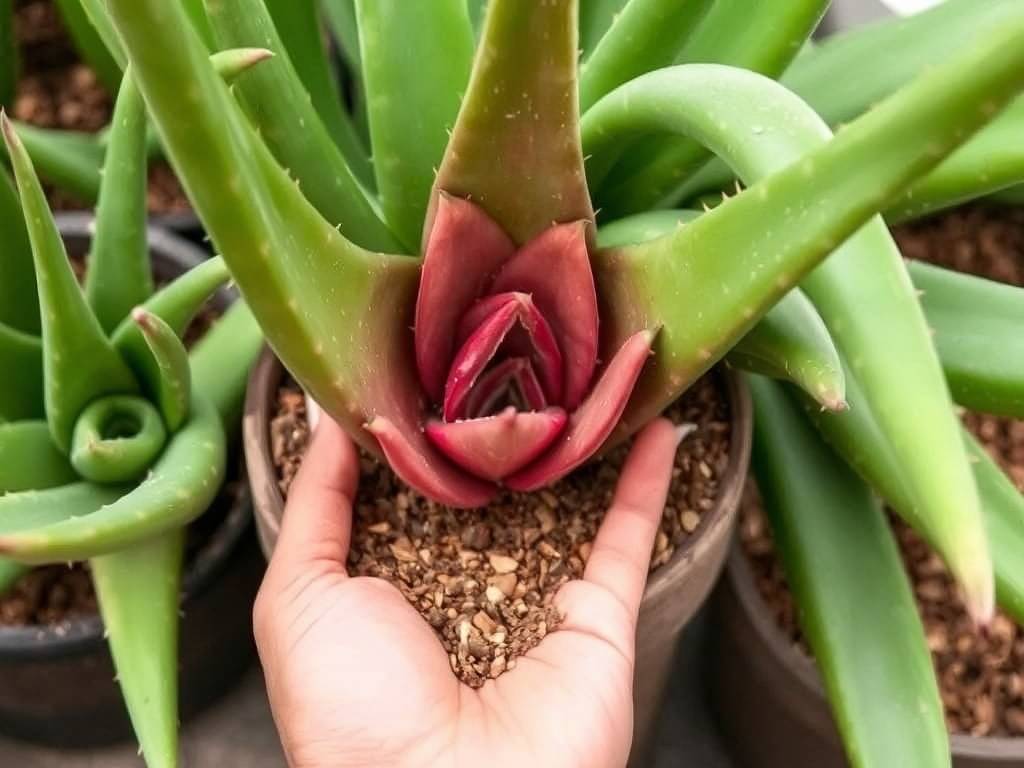
Handle sap carefully: Aloe sap is clear and can be sticky. Wipe it off with a paper towel—avoid getting it in your eyes or on sensitive skin (it can cause irritation). If you do get sap on your skin, rinse with water immediately.
Let cuts heal: After pruning, place the aloe in a bright, dry spot for 1–2 days. This lets the cut ends callus over, preventing rot. Don’t water the plant during this time—moisture can seep into the cuts.
Resume normal care: Once the cuts are healed, water the aloe as usual (let soil dry completely between waterings) and return it to its regular light spot. You’ll see new growth in 2–4 weeks if the plant is healthy.
Propagating Aloe Vera from Pruned Cuttings (Turn Trimmings into New Plants)
Propagating from Stem Cuttings (for Leggy Aloe)
Prepare the cutting: After pruning the leggy stem, let it sit in a dry, bright spot for 2–3 days. This calluses the cut end, which is crucial for preventing rot.
Plant the cutting: Fill a small pot (3–4 inches in diameter) with succulent soil. Stick the callused end of the stem 1–2 inches into the soil. Gently pat the soil around it to hold it upright.
Water sparingly: Wait 1 week, then water lightly (just enough to moisten the soil). After that, let the soil dry completely between waterings.
Wait for roots: Roots will start to grow in 3–4 weeks. You’ll know it’s rooted if the cutting doesn’t wiggle when you gently tug it. Once rooted, care for it like a mature aloe—bright light, sparse watering.
Propagating from Leaf Cuttings
Take a healthy leaf: Choose a plump, green leaf (not yellow or damaged) and cut it off at the base. Let the leaf sit for 3–5 days to callus.
Plant the leaf: Lay the leaf on top of succulent soil, or stick the cut end 1 inch into the soil. Don’t bury the entire leaf—only the cut end needs contact with soil.
Keep soil slightly moist: Unlike mature aloe, leaf cuttings need a little moisture to root. Mist the soil lightly every 2–3 days to keep it damp but not wet.
Wait for roots and pups: Roots will grow first (in 4–6 weeks), followed by small pups at the base of the leaf. Once the pups are 2–3 inches tall, you can separate them from the leaf and repot them into their own pots.
Daily and Weekly Aloe Vera Care (To Keep It Healthy Between Repotting and Pruning)
Light: Keep It Bright (But Not Scorching)
Watering: Less Is More (Avoid Overwatering!)
Soil: Keep It Well-Draining
Fertilizing: Light Feeding Only
Troubleshooting Common Aloe Vera Issues (Even After Repotting/Pruning)
Yellow leaves after repotting: This is normal stress—give the aloe 1–2 weeks to adjust, and avoid overwatering. If leaves stay yellow, check for root rot (trim damaged roots and repot again).
Pruned cuts turning mushy: You didn’t let the cuts callus—move the aloe to a dry spot, and trim any mushy tissue with clean scissors.
New growth is small or pale: Not enough light—move the aloe to a brighter spot, or add a grow light.
Soil staying wet after repotting: The pot is too big or the soil isn’t well-draining—repot into a smaller pot with succulent soil.
Final Tips for Long-Lasting Aloe Vera Health
Rotate your aloe weekly: This ensures all sides get even light, preventing leaning or leggy growth.
Avoid cold drafts: Aloe can’t tolerate temperatures below 50°F (10°C)—keep indoor aloe away from windows that get cold in winter, and bring outdoor aloe inside if frost is expected.
Don’t overhandle the leaves: Aloe leaves are fragile—too much touching can damage them, leading to brown spots.