bluename
 How to Care for Indoor Hyacinths: Enjoy a Rainbow of Vibrant Blooms
1. Choosing Healthy Hyacinth Bulbs: The First Step to Beautiful Blooms
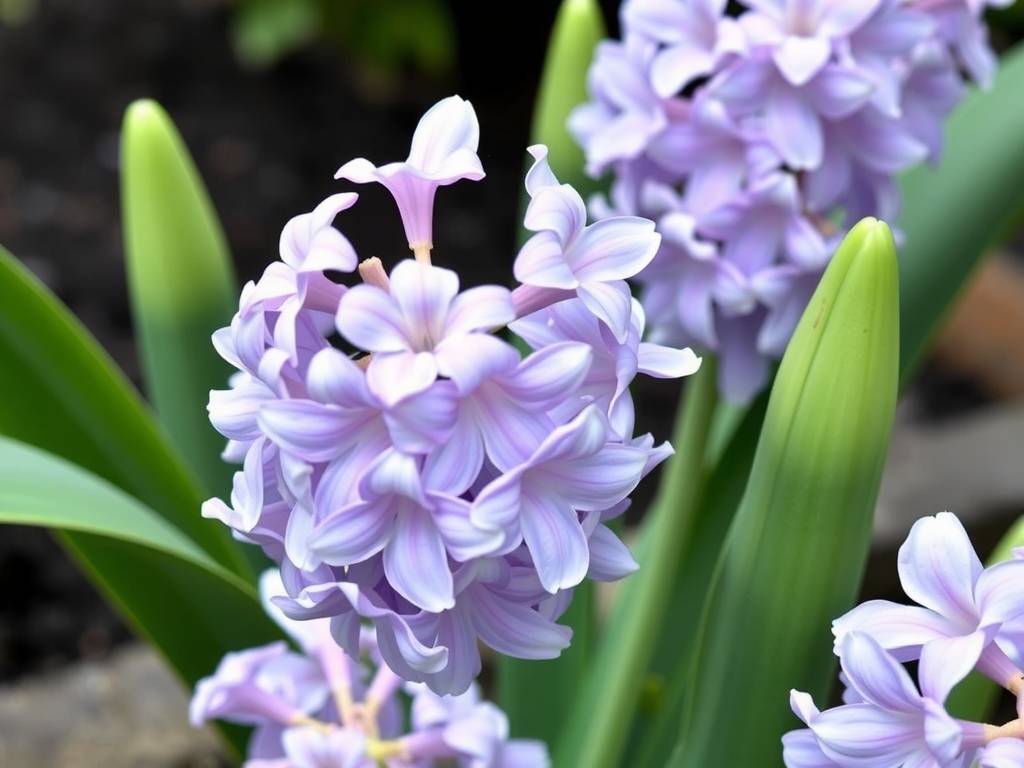
‘Delft Blue’: A classic variety with deep blue flowers and a strong fragrance.
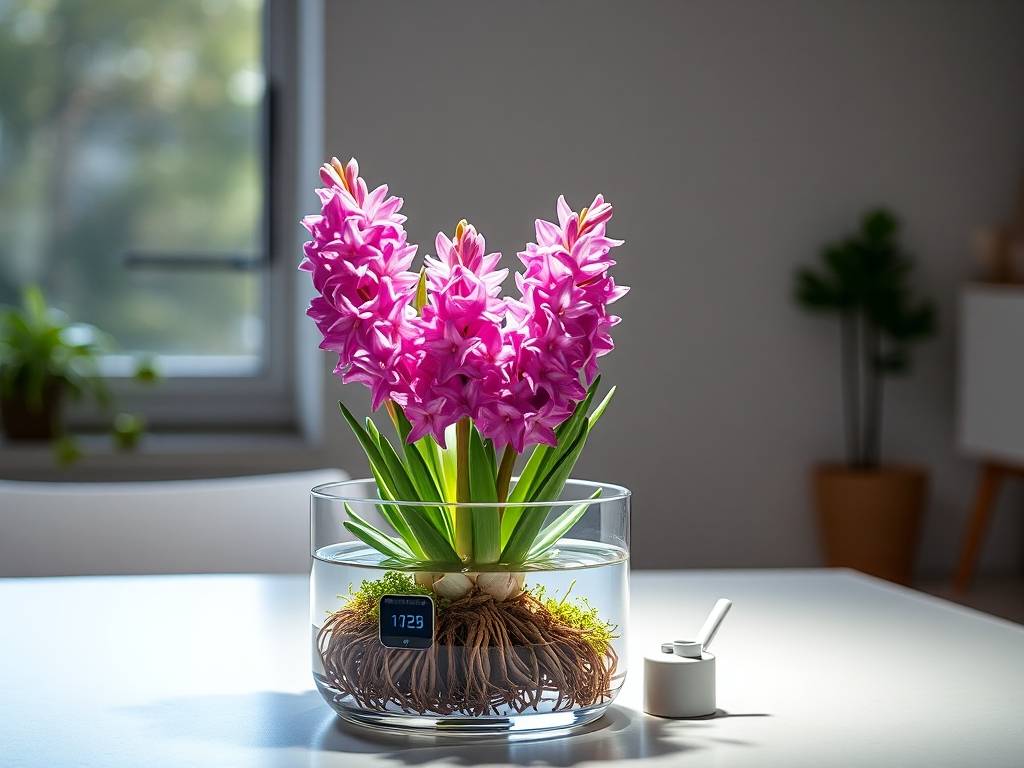
‘Pink Pearl’: Produces soft pink blooms that add a romantic touch to any space.
‘White Pearl’: Pure white flowers that look elegant and fresh, perfect for minimalist decor.
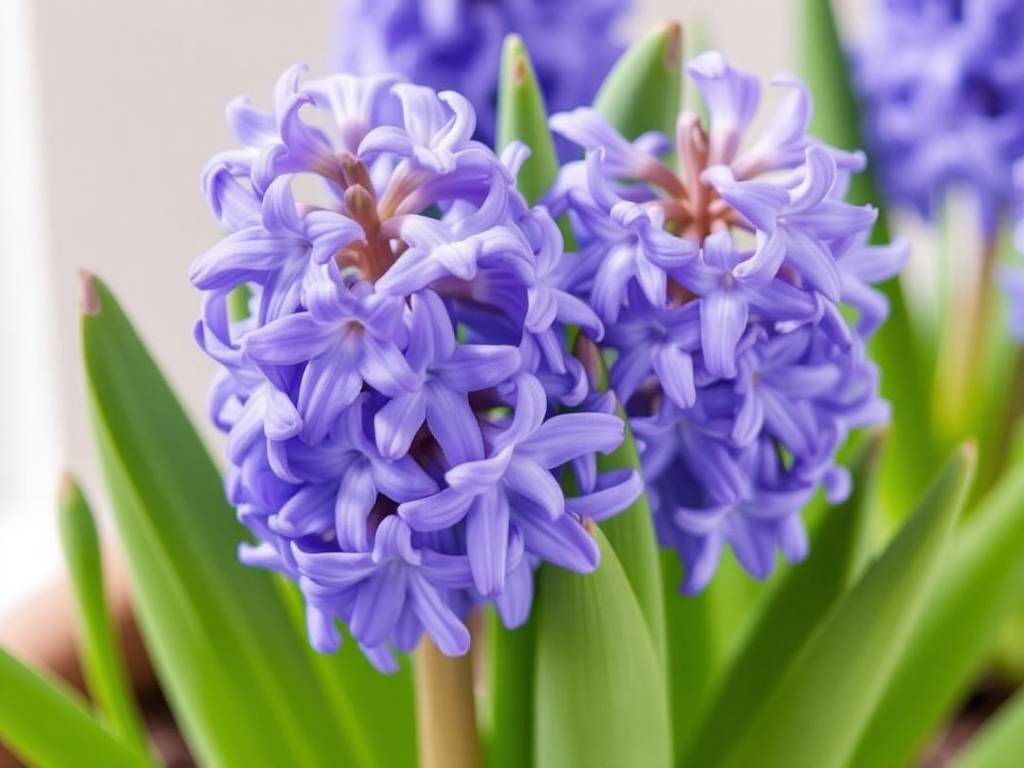
‘City of Haarlem’: Bright yellow blooms that bring warmth and cheer, especially during the cooler months.
2. Preparing Hyacinth Bulbs: Chilling is Key
Place the bulbs in a paper bag (not plastic, which can trap moisture and cause rot) and store them in a cool, dark place with temperatures between 35°F (2°C) and 45°F (7°C). A refrigerator is a great option—just make sure it’s not near fruits like apples or bananas. These fruits release ethylene gas, which can damage the bulbs and prevent them from blooming.
Let the bulbs chill for 8-12 weeks. The exact time depends on the variety, but 10 weeks is a safe average. If you want blooms by Christmas, start chilling the bulbs in early September; for Valentine’s Day, chill them in late October.
3. Planting Indoor Hyacinths: Soil vs. Water Methods
Planting in Soil
Choose a pot with drainage holes (this prevents waterlogging, which can rot the bulbs). The pot should be 4-6 inches in diameter—large enough to fit 2-3 bulbs (space them about 1 inch apart) or 1 bulb for a smaller pot.
Use a well-draining potting mix. A good choice is a mix of 2 parts potting soil, 1 part perlite, and 1 part peat moss. This mix holds enough moisture to keep the bulbs hydrated but drains excess water quickly.
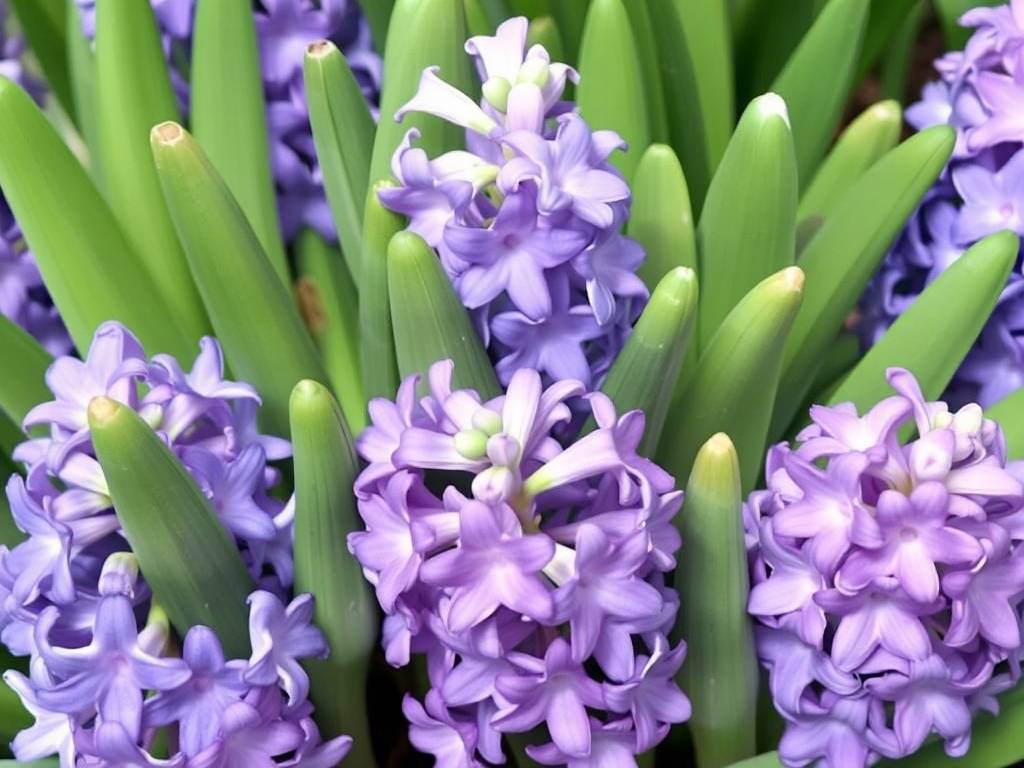
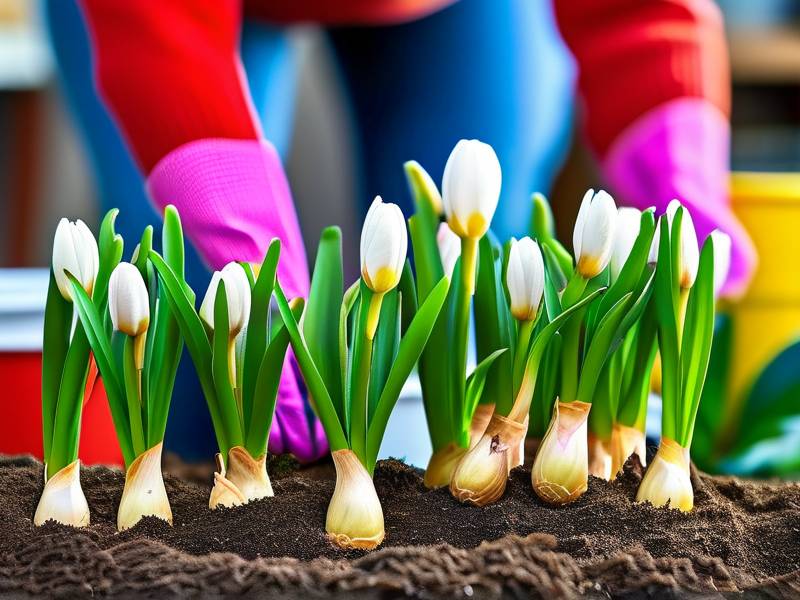
Fill the pot with the potting mix until it’s about 1/3 full. Place the chilled bulbs on top, with the pointed end facing up (the flat end is where the roots will grow).
Cover the bulbs with more potting mix, leaving the top 1/4 of the bulb exposed. Don’t bury the bulb completely—exposing the top helps prevent rot and allows the shoot to grow easily.
Water the soil thoroughly until water drains out of the bottom of the pot. The soil should be moist but not soggy.
Growing in Water (Hydroponics)
A hyacinth vase (these are narrow at the top to hold the bulb above the water) or a tall glass jar.
Clean water (room temperature is best—cold water can shock the bulbs).
Place the chilled bulb in the vase or jar so that the bottom of the bulb is just touching the water. Don’t submerge the bulb in water—only the roots need to be in contact with water. If the bulb is too low, it may rot; if it’s too high, the roots won’t grow.
Put the vase in a cool, dark place (like a closet or basement) for 2-3 weeks. This gives the roots time to grow without being exposed to light (light can cause the bulb to start growing leaves too early, before the roots are established).
After 2-3 weeks, check for roots—you should see white, thread-like roots growing down into the water. Once the roots are 1-2 inches long, move the vase to a bright, cool spot (we’ll cover light requirements next).
4. Light: Give Your Hyacinths Bright, Indirect Light
Place the pot or vase near a north-facing or east-facing window. These windows get gentle, indirect light throughout the day, which is perfect for hyacinths.
If you only have south-facing or west-facing windows (which get more direct sun), place the hyacinth a few feet away from the window, or use a sheer curtain to filter the light. This way, the plant gets bright light without being exposed to the intense midday or afternoon sun.
Avoid placing hyacinths in dark corners or rooms with little natural light. Without enough light, the stems will become leggy (long and weak) and may not be able to support the weight of the blooms. The flowers may also be smaller and less colorful.
5. Watering: Keep Soil Moist (or Water Fresh)
Watering Hyacinths in Soil
Keep the soil consistently moist but not soggy. Check the soil every 2-3 days by sticking your finger into the top 1 inch—if it feels dry, it’s time to water.
Water thoroughly until water drains out of the bottom of the pot. This ensures that the entire root system gets hydrated. Don’t just water the top layer of soil, as the roots may not get enough moisture.
Empty the saucer under the pot after watering to prevent the roots from sitting in standing water. Standing water is a common cause of bulb rot.
During the blooming period, you may need to water more often (every 1-2 days) because the plant is using more energy. After the blooms fade, reduce watering—let the soil dry out slightly between waterings to help the bulb go dormant.
Watering Hyacinths in Water
Keep the water level consistent so that the bottom of the bulb is always just touching the water. Check the water every 1-2 days—if it evaporates, add more room-temperature water.
Change the water completely every 5-7 days. Stagnant water can develop algae or bacteria, which can harm the roots. When changing the water, gently rinse the roots with clean water to remove any buildup.
Avoid using tap water that has been treated with chlorine, or let the water sit out overnight to allow the chlorine to evaporate. Chlorine can be harmful to the roots.
6. Temperature and Humidity: Cool Conditions for Longer Blooms
Place a tray of water and pebbles near the plant (don’t let the pot sit in the water). As the water evaporates, it will increase the humidity around the plant.
Mist the leaves lightly once a week with room-temperature water. Avoid misting the flowers directly, as this can cause spots or rot.
7. Fertilizing: Do You Need to Feed Indoor Hyacinths?
If you’re growing hyacinths in soil, you can add a small amount of slow-release bulb fertilizer to the potting mix when planting. This will provide a steady supply of nutrients throughout the growing season. Avoid using liquid fertilizer, especially during the blooming period—this can burn the roots.
If you’re growing hyacinths in water, you don’t need to fertilize at all. The bulb has enough energy to support the plant until it blooms.
8. Troubleshooting Common Indoor Hyacinth Problems
Leggy Stems
No Blooms
Rotting Bulbs
Faded Blooms
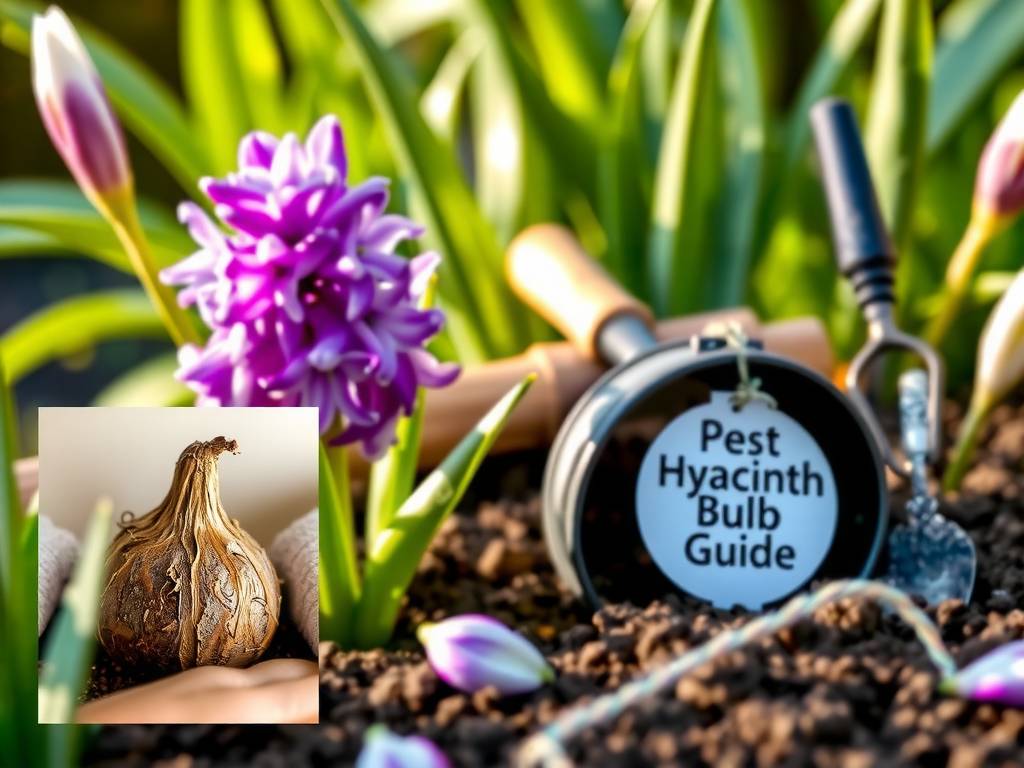
Pests
9. After Blooming: What to Do with Indoor Hyacinths
If growing in soil: Continue watering the plant until the leaves start to turn yellow and die back. This allows the bulb to absorb nutrients from the leaves and store them for next year. Once the leaves are completely yellow, stop watering and let the bulb dry out for a few days. Then, carefully dig up the bulb, remove any dead leaves, and store it in a cool, dry place until fall. In fall, replant the bulb outdoors in a sunny spot with well-draining soil (plant it 4-6 inches deep, pointed end up). It should bloom again in spring.
If growing in water: Once the blooms fade, remove the bulb from the water and let it dry out for a few days. Then, store it in a cool, dry place until fall, and replant it outdoors as described above.