How to Care for Indoor Bougainvillea: Bloom Abundantly with Vibrant Colors for Over Half a Year
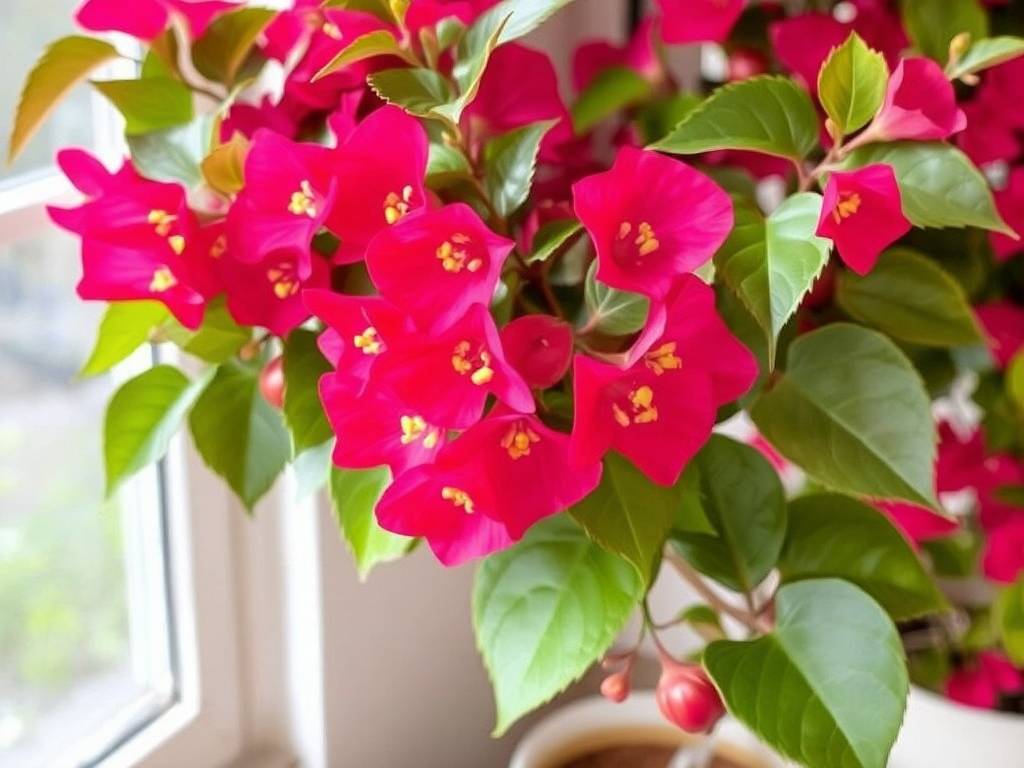
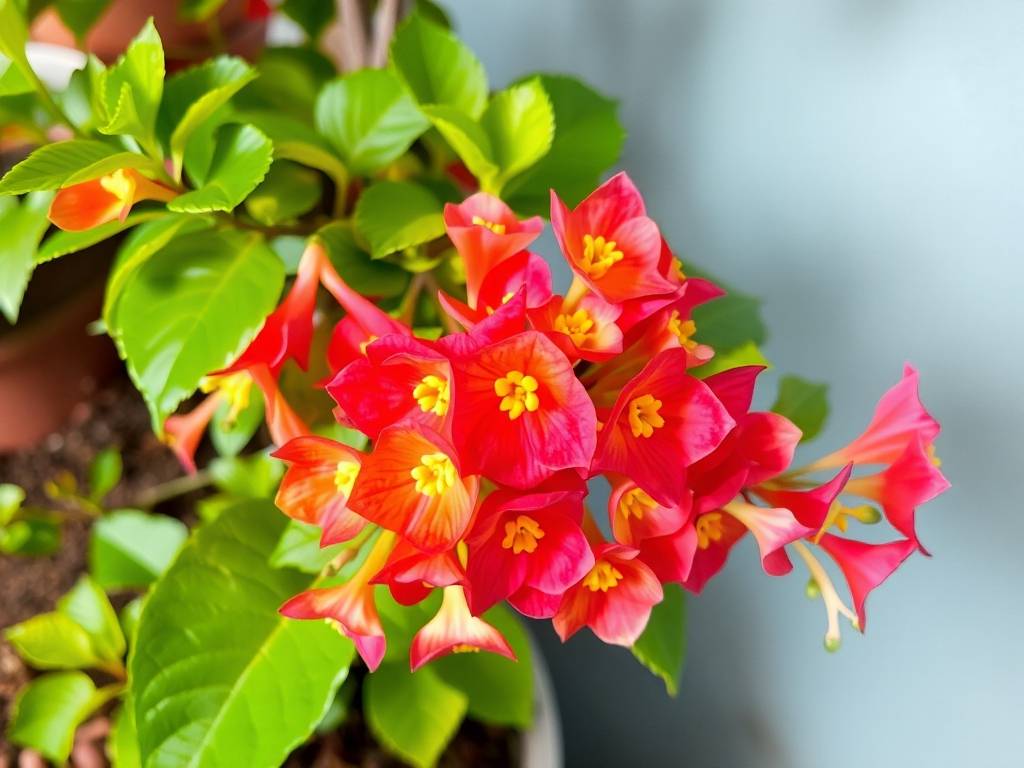
If you’ve ever walked past a bougainvillea in full bloom—its papery bracts in shades of magenta, pink, orange, or white cascading like a burst of sunlight—you might have dreamed of bringing that vibrancy indoors. The good news? With the right care, indoor bougainvillea can bloom profusely, showcase vivid colors, and even keep flowering for more than six months a year. But unlike some low-maintenance houseplants, bougainvillea has specific needs that, when met, turn it from a finicky guest into a long-lasting star. Let’s break down everything you need to know to grow a healthy, blooming indoor bougainvillea, from choosing the right spot to troubleshooting common issues.
1. Light: The Non-Negotiable Ingredient for Big, Colorful Blooms
Bougainvillea is a sun-loving plant, and indoors, providing enough bright light is the single most important step to get it to bloom heavily and keep its colors vibrant. In its native tropical and subtropical regions (like South America), it soaks up 6-8 hours of direct sunlight daily—so your indoor plant will crave something similar.
Ideally, place your bougainvillea near a south-facing window. South-facing windows get the most consistent, bright light throughout the day, which mimics its natural habitat. If you don’t have a south-facing window, a west-facing window works too, as it gets strong afternoon sun. East-facing windows may provide morning light, but it’s often too weak to support heavy blooming; you might notice fewer flowers or paler bracts if this is your only option.
If natural light is scarce, don’t worry—you can supplement with grow lights. Choose a full-spectrum LED grow light and hang it 12-18 inches above the plant. Keep the light on for 10-12 hours a day, matching the length of a sunny day. This will help your bougainvillea maintain its energy for flowering. Avoid placing it in dark corners or near windows with sheer curtains that filter out too much light; without enough sun, the plant will focus on growing leaves instead of flowers, and its stems may become leggy (long and sparse).
2. Watering: Balance is Key to Avoid Root Rot and Drooping Blooms
One of the biggest mistakes new bougainvillea owners make is overwatering. This plant is drought-tolerant—its roots hate sitting in wet soil, which can lead to root rot, yellowing leaves, and even death. On the other hand, underwatering for too long will cause the leaves to wilt and the blooms to drop prematurely. So, how do you strike the right balance?
The rule of thumb is: water your indoor bougainvillea only when the top 1-2 inches of soil feel dry to the touch. To check, stick your finger into the soil—if it’s still moist below the surface, hold off. When you do water, water thoroughly until it drains out of the bottom of the pot. This ensures that the entire root ball gets hydrated, not just the top layer. Empty the saucer under the pot after watering to prevent the roots from soaking in standing water.
During the growing and blooming season (usually spring to fall), your bougainvillea will need more water because it’s using energy to produce flowers. You might water it once every 5-7 days, depending on how quickly the soil dries out (factors like light intensity and temperature affect this). In winter, when the plant goes into a semi-dormant state (growth slows, and flowering may pause), cut back on watering—you might only need to water once every 2-3 weeks.
Pro tip: If you notice the leaves starting to wilt slightly, that’s a sign the plant is thirsty—but don’t wait until it’s severely wilted, as this can stress the plant and cause blooms to drop. Also, use room-temperature water; cold water can shock the roots, especially in winter.
3. Temperature and Humidity: Keep It Warm (But Not Too Hot)
Bougainvillea thrives in warm temperatures, which is why it’s such a popular outdoor plant in zones 9-11. Indoors, maintaining a consistent temperature between 60°F (15°C) and 85°F (29°C) will keep it happy and encourage blooming.
Avoid placing your bougainvillea near cold drafts, like open windows in winter, air conditioning vents, or doors that lead outside. Temperatures below 50°F (10°C) can damage the plant—you might see leaves turn yellow and drop, and the plant may stop flowering until it warms up. In winter, keep it in a room that stays above 55°F (13°C) to protect it from cold stress.
Humidity is another factor to consider, but bougainvillea is more forgiving here than some tropical plants (like ferns or calatheas). It prefers moderate humidity (around 40-50%), but it can tolerate drier indoor air (common in winter when heaters are on). If the air is too dry, you might notice the leaf edges turning brown. To boost humidity, you can:
4. Soil and Potting: Drainage First
The right soil mix is crucial for preventing root rot and keeping your bougainvillea healthy. Choose a well-draining, slightly acidic to neutral soil (pH 5.5-7.0). A good mix is 2 parts potting soil, 1 part perlite (to improve drainage), and 1 part peat moss or coconut coir (to retain some moisture without waterlogging). You can also buy a pre-made cactus or succulent potting mix—these are designed to drain well, which is perfect for bougainvillea.
When it comes to pots, always choose one with drainage holes. Terra cotta pots are a great option because they’re porous, allowing excess moisture to evaporate through the sides—this helps keep the soil from staying too wet. The size of the pot matters too: bougainvillea blooms best when it’s slightly root-bound. That means don’t repot it into a pot that’s too big. If your current pot is 6 inches in diameter, the next one should be 8 inches at most. Repotting into a much larger pot will cause the plant to focus on growing roots instead of flowers.
Repot your bougainvillea in spring, right before the growing season starts. Gently remove it from the old pot, shake off any excess soil, and check for rotted roots (they’ll be brown and mushy—trim those off with clean, sharp scissors). Place it in the new pot with fresh soil, and water thoroughly. You won’t need to repot again for 2-3 years, or until you see roots growing out of the drainage holes.
5. Fertilizing: Feed for Big Blooms
To get your indoor bougainvillea to produce lots of vibrant flowers, you need to fertilize it regularly during the growing season. Use a balanced, water-soluble fertilizer with a higher ratio of phosphorus (the middle number on the fertilizer label), as phosphorus promotes flowering. Look for a fertilizer like 10-20-10 or 5-10-5—these have more phosphorus than nitrogen (which encourages leaf growth) and potassium (which supports overall plant health).
Fertilize your bougainvillea every 2-3 weeks from spring to early fall. Follow the instructions on the fertilizer label—overfertilizing can burn the roots and cause the leaves to turn brown. In late fall, stop fertilizing, and don’t fertilize at all in winter—this allows the plant to rest during its semi-dormant period.
A quick tip: If you notice that your bougainvillea isn’t blooming even though it’s getting enough light, try a fertilizer with a higher phosphorus content, or add a small amount of bone meal (a natural source of phosphorus) to the soil. This can give it the boost it needs to start flowering.
6. Pruning: Shape It and Encourage More Blooms
Pruning is essential for keeping your indoor bougainvillea looking neat and encouraging more blooms. Bougainvillea flowers on new growth, so pruning helps stimulate new branches, which means more flowers.
The best time to prune is in late winter or early spring, right before the growing season starts. Use clean, sharp pruning shears to:
Shape the plant to your liking. If you want a bushy plant, prune the tips of the branches. If you want it to climb (you can use a small trellis indoors), leave the longer stems and train them up the trellis.
During the growing season, you can do light pruning to remove spent blooms (called “deadheading”). This prevents the plant from putting energy into producing seeds and instead directs it to making new flowers. Simply pinch off the faded bracts and the small white flower inside them.
Be careful not to overprune—cutting back too much can stress the plant and reduce blooming. Aim to remove no more than 1/3 of the plant at a time.
7. Troubleshooting Common Indoor Bougainvillea Problems
Even with the best care, you might run into a few issues with your indoor bougainvillea. Here’s how to identify and fix the most common problems:
No Blooms
The most common reason for a bougainvillea not blooming is lack of light. If it’s not near a bright window or getting enough grow light, move it to a sunnier spot. Other reasons could be overwatering (roots are too wet to take up nutrients), too much nitrogen fertilizer (promotes leaves over flowers), or the pot is too big (plant is focused on roots). Fix these issues, and you should see blooms within a few weeks.
Yellow Leaves
Yellow leaves can be a sign of overwatering (check the soil—if it’s wet, let it dry out completely before watering again) or underwatering (soil is bone dry—water thoroughly). It can also mean the plant is getting too much cold (move it away from drafts) or not enough nutrients (fertilize if it’s the growing season).
Dropping Blooms
Blooms drop prematurely usually due to stress: underwatering, overwatering, sudden temperature changes (like moving it from a warm room to a cold one), or lack of light. Identify the stressor and fix it—for example, if you just moved the plant, give it time to adjust to its new spot.
Pests
Indoor bougainvillea can attract pests like aphids, mealybugs, and spider mites. These pests feed on the sap of the plant, causing leaves to yellow and curl. To get rid of them, wipe the leaves with a damp cloth (for small infestations) or use an insecticidal soap (follow the label instructions). Keep the plant away from other infested plants to prevent spread.
8. Choosing the Right Bougainvillea Variety for Indoors
Not all bougainvillea varieties are ideal for indoor growing. Some are large and vining, which can be hard to manage indoors, while others are more compact. Here are a few varieties that work well inside:
When buying a bougainvillea, look for a plant with healthy green leaves and a few buds or blooms—this means it’s already acclimated to indoor conditions (or close to it). Avoid plants with yellow leaves or wilted stems, as these are signs of stress.
Final Thoughts
Growing indoor bougainvillea takes a little patience and attention to its needs, but the reward—abundant, colorful blooms for over half a year—is well worth it. Remember: bright light, well-draining soil, moderate watering, and regular fertilizing are the keys to success. Don’t get discouraged if it takes a few months for your plant to start blooming—once it adjusts to its indoor home and gets the care it needs, it will reward you with a spectacular display.
Whether you place it on a sunny windowsill, train it up a small trellis, or use it as a statement piece in your living room, a healthy indoor bougainvillea will bring a touch of tropical beauty to your home year after year.
 bluename