bluename
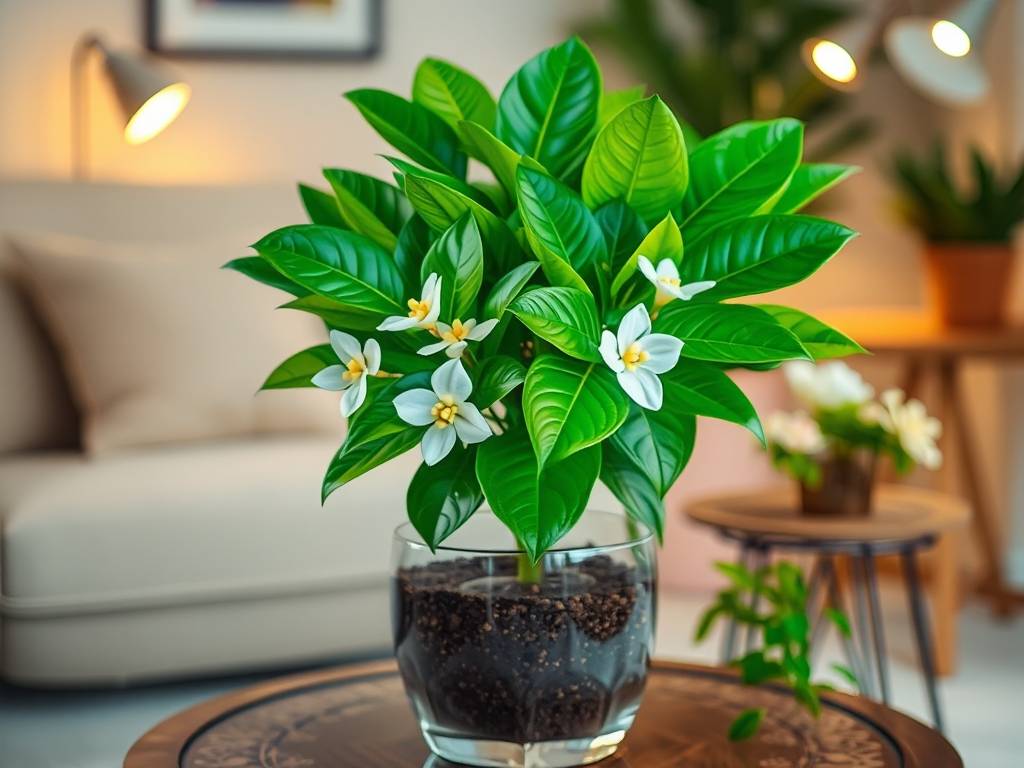
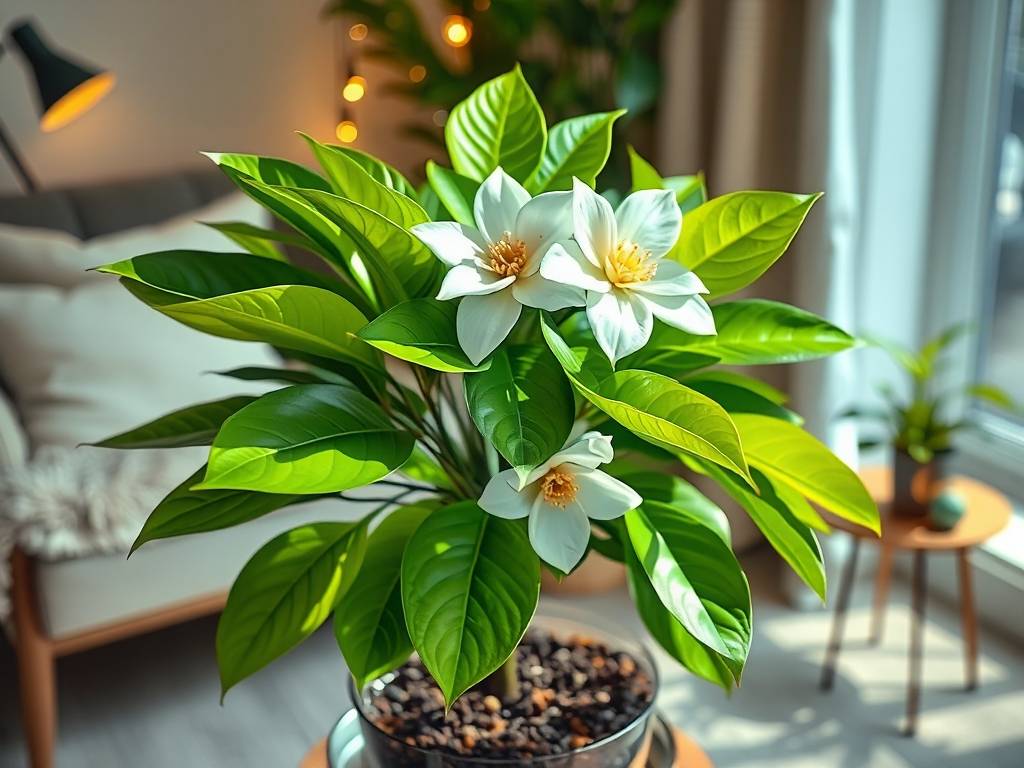
 # How to Grow Indoor Gardenias Well: Lush Green Leaves and Fragrant Blooms, Acidic Soil Preferred Gardenias are beloved for their glossy evergreen foliage and intoxicatingly fragrant white blooms, but they can be a bit fussy when grown indoors. To keep them thriving with lush leaves and abundant, aromatic flowers, paying close attention to their soil needs—especially their preference for acidic conditions—is key. Here’s a detailed guide: ### 1. Prioritize Acidic Soil: The Foundation of Healthy Growth Gardenias are "acid-loving plants" (ericaceous plants), meaning they require soil with a **pH level between 5.0 and 6.0** to absorb nutrients like iron, magnesium, and nitrogen effectively. Without acidic soil, they may suffer from "chlorosis" (yellowing leaves with green veins) and fail to bloom. - **Soil Mix Recipe**: Use a commercial acidic potting mix (labeled for azaleas, camellias, or gardenias) as a base. For extra nutrition and drainage, amend it with 1 part peat moss (lowers pH and retains moisture) and 1 part perlite (prevents waterlogging). - **Avoid Alkaline Additives**: Never use lime, wood ash, or alkaline fertilizers—these will raise the soil pH and harm the plant. ### 2. Light: Bright, Indirect Sunlight for Foliage and Blooms Gardenias need plenty of light to produce flowers, but direct sunlight (especially midday sun through glass) can scorch their leaves. - **Ideal Spot**: Place them near an east or north-facing window where they get 4–6 hours of soft, filtered sunlight daily. If using a south or west window, use a sheer curtain to diffuse the light. - **Signs of Poor Lighting**: Leggy growth (long, sparse stems) or no flower buds indicate insufficient light; brown leaf edges mean too much direct sun. ### 3. Watering: Keep Soil Moist, Not Soggy Consistent moisture is crucial, but overwatering leads to root rot—one of the biggest killers of indoor gardenias. - **Watering Frequency**: Check the top 1–2 inches of soil; water thoroughly when it feels slightly dry to the touch. Ensure excess water drains out of the pot’s drainage holes (never let the pot sit in a saucer of standing water). - **Water Type**: Use room-temperature, distilled water, rainwater, or tap water that’s been left out overnight (to let chlorine evaporate). Tap water with high alkalinity (hard water) can gradually raise soil pH—if this is an issue, add a few drops of lemon juice to the water monthly (1 teaspoon per gallon) to maintain acidity. ### 4. Humidity: Mimic Their Tropical Habitat Gardenias are native to warm, humid regions (like Southeast Asia), so dry indoor air (common in winter with heaters) causes browning leaf tips, bud drop, and poor growth. - **Boost Humidity**: - Place a tray filled with pebbles and water under the pot (ensure the pot doesn’t touch the water). - Use a room humidifier, aiming for 50–60% humidity. - Mist the leaves lightly with room-temperature water 2–3 times a week (avoid misting when buds are open, as this can cause fungal spots). ### 5. Temperature: Stable, Moderate Conditions Gardenias hate temperature fluctuations. Keep them in a room with consistent temperatures: - **Daytime**: 65–75°F (18–24°C) - **Nighttime**: 60–65°F (15–18°C) - **Avoid Drafts**: Keep them away from cold windows, air conditioners, heaters, or doorways where cold/hot air blasts—sudden temperature changes cause bud drop. ### 6. Fertilizing: Feed for Acidic Needs Fertilize regularly during the growing season (spring to early fall) to support foliage growth and blooming, but use a fertilizer formulated for acid-loving plants. - **Type of Fertilizer**: Choose a water-soluble, balanced fertilizer (e.g., 10-10-10 or 12-4-8) labeled for azaleas/gardenias, or one with extra iron (to prevent chlorosis). - **Frequency**: Fertilize every 2–4 weeks at half the recommended strength (over-fertilizing burns roots and causes leaf drop). - **Stop in Fall/Winter**: Cease fertilizing when growth slows in late fall—this helps the plant enter a rest period before blooming in spring. ### 7. Pruning: Shape and Encourage New Growth Prune after blooming (usually late summer) to maintain a compact shape and promote new branches (which bear next year’s flowers). - **How to Prune**: Use clean, sharp pruning shears to trim back overgrown stems, remove dead or yellowing leaves, and cut off spent flower heads (snip just above a leaf node). - **Avoid Over-Pruning**: Never remove more than 1/3 of the plant at once, as this stresses it. ### 8. Repotting: Refresh Soil Every 1–2 Years As gardenias grow, their roots fill the pot, and the soil loses acidity over time. Repotting refreshes the soil and gives roots more space. - **When to Repot**: Repot in spring, before new growth starts, if the plant is root-bound (roots growing out of drainage holes or circling the pot). - **Pot Choice**: Use a pot 1–2 inches larger in diameter than the current one, with drainage holes (terracotta pots are ideal—they breathe and prevent waterlogging). - **Repotting Steps**: Gently remove the plant from its old pot, loosen the root ball (trim any rotted roots), place it in the new pot with fresh acidic potting mix, and water thoroughly. ### 9. Pest & Disease Control Indoor gardenias are prone to a few pests and diseases—catch them early to avoid damage: - **Pests**: Aphids, mealybugs, scale, and spider mites (common in dry air). Wipe leaves with a damp cloth to remove pests, or treat with insecticidal soap (follow label instructions). - **Diseases**: Root rot (from overwatering) and powdery mildew (from high humidity and poor air circulation). Prevent root rot with well-draining soil; treat powdery mildew with a fungicide labeled for houseplants. By following these steps—especially ensuring acidic soil, proper humidity, and stable conditions—your indoor gardenia will reward you with lush, glossy leaves and clusters of sweetly scented blooms for years to come!