bluename
 With their heart-shaped leaves splashed with golden sunshine, pothos plants have become a cornerstone of modern indoor gardening. Their reputation for being nearly indestructible is well-earned, making them a perfect choice for both seasoned plant parents and those just starting their green journey. As we look toward 2025, the trend of "biophilic design"—integrating nature into our living spaces for well-being—contin to grow, and the resilient pothos is at the forefront.
This guide will walk you through everything you need to know to keep your golden pothos not just alive, but thriving.
Understanding Your Golden Pothos
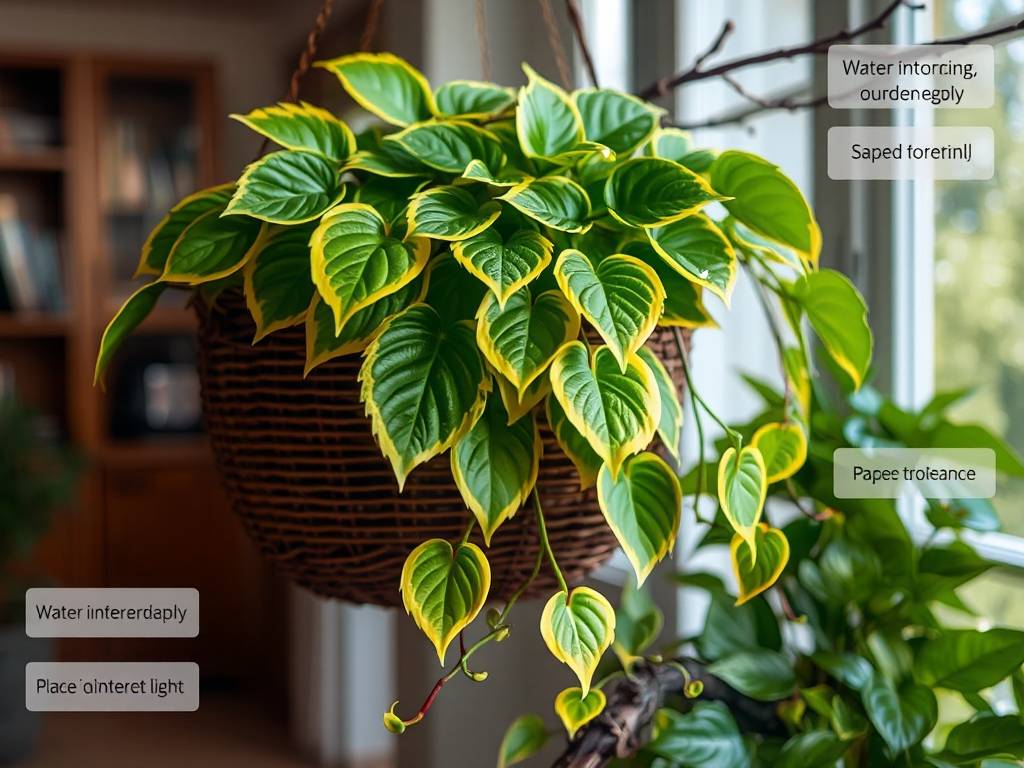
First, let's get to know this plant a little better. Scientifically known as Epipremnum aureum, its common names—pothos, devil's ivy—hint at its vigorous nature. The "Golden Edge" variety is particularly sought after for its stunning variegation. The amount of golden-yellow on the leaves can vary dramatically based on one key factor: light.
While they are famously shade-tolerant, placing them in a spot with bright, indirect light will encourage more of that beautiful golden marbling. A 2024 study from the Indoor Plant Society confirmed that variegated plants like the golden pothos require adequate indirect sunlight to maintain their patterns; in deep shade, they often revert to solid green leaves as a survival mechanism.
Finding the Perfect Spot: Light and Placement
Your pothos is adaptable, but it has preferences. The ideal location provides medium to bright indirect light. Think near an east-facing window or a few feet back from a south or west window.
Direct afternoon sun can be too harsh, scorching those lovely leaves. Conversely, a deep, dark corner will keep the plant alive but may slow its growth and reduce variegation.
Here are some perfect real-world scenarios:
- The Home Office: Place it on a bookshelf where it can trail elegantly. The gentle light from a window and the ambient room lighting are perfect.
- The Bathroom Oasis: If your bathroom has a window, it's a fantastic spot. Pothos appreciates the higher humidity from showers.
- The Kitchen Shelf: Let it cascade from a high cabinet. It's a beautiful, low-maintenance way to add life to your cooking space.
Remember, these plants are fantastic for low-light areas like hallways or north-facing rooms, but adjust your expectations for growth speed and color intensity.
The Art of Watering: Less is More
This is where most new plant parents go wrong. Pothos plants are drought-tolerant, storing water in their thick stems. They genuinely dislike soggy soil, which quickly leads to root rot.
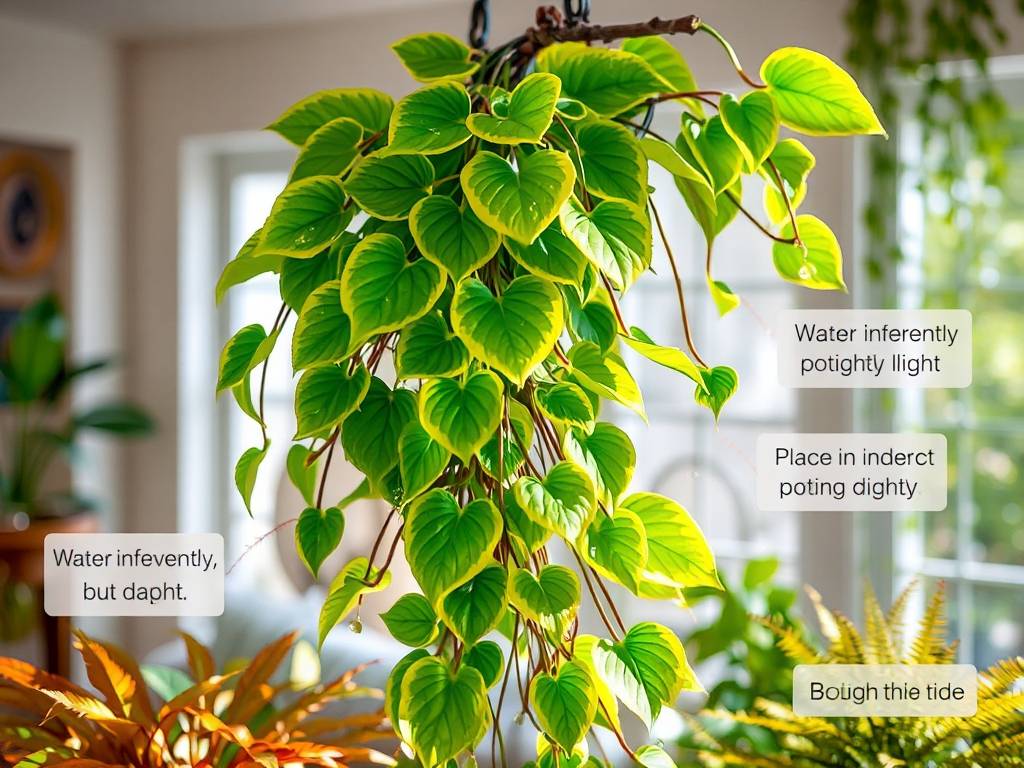
Forget a strict watering schedule. The best technique is the "finger test." Simply stick your finger about two inches into the soil. If it feels dry, it's time to water. If it still feels moist, wait a few more days.
When you do water, do it thoroughly. Take the plant to a sink and water until it runs freely out of the drainage holes. Let all the excess water drain away completely before placing it back in its decorative pot. This ensures the entire root ball gets hydrated without leaving the roots sitting in water.
A pro tip for 2025: consider using a soil moisture meter. These inexpensive tools take the guesswork out of watering and are a great investment for any plant collection.
Soil and Potting: The Foundation of Health
Your pothos isn't picky about soil, but it needs a mix that drains exceptionally well. A standard, high-quality potting mix is a good start. For even better results, you can amend it with about 20-30% perlite or orchid bark to increase aeration and drainage.
When it comes to pots, drainage holes are non-negotiable. Terracotta pots are an excellent choice because they are porous, allowing the soil to dry out more evenly and reducing the risk of overwatering.
You'll know it's time to repot when you see roots growing out of the bottom of the pot, or the plant seems to be drinking its water unusually fast. Typically, this is needed every 1-2 years. When repotting, only move up one pot size (about 1-2 inches larger in diameter) to prevent the excess soil from staying wet for too long.
Feeding for Lush Growth
Pothos are not heavy feeders, but they do benefit from occasional fertilization during their active growing season (spring and summer). A balanced, water-soluble houseplant fertilizer, diluted to half the recommended strength, applied once a month is perfect.
Avoid fertilizing in the fall and winter when the plant's growth naturally slows down. Over-fertilizing can do more harm than good, leading to a buildup of salts in the soil that can burn the roots.
Pruning and Propagating: Shaping and Sharing
Don't be afraid to give your pothos a haircut! Pruning encourages a fuller, bushier plant. If you have long, leggy vines with lots of space between leaves (a sign of insufficient light), simply snip the vine just below a leaf node (the little bump on the stem where a leaf grows).
The best part? You can turn those cuttings into brand new plants. Propagation is incredibly easy.
- Take a cutting that has at least 3-4 leaves and a few nodes.
- Remove the leaf closest to the cut end.
- Place the cutting in a jar of water, ensuring the node is submerged.
- Put it in a spot with bright, indirect light and wait. In a few weeks, you'll see roots developing.
- Once the roots are an inch or two long, you can pot the cutting in soil.
This is a wonderful, cost-effective way to expand your collection or share the joy of plants with friends.
Troubleshooting Common Issues
Even the toughest plants can have an off day. Here’s how to diagnose common problems:
- Yellow Leaves: This is most often a sign of overwatering. Check your soil moisture and adjust your watering habits accordingly. It can also be a natural process of the plant shedding an old leaf.
- Brown, Crispy Leaf Tips: Usually a sign of low humidity or underwatering. While tolerant of dry air, increasing humidity with a pebble tray or occasional misting can help.
- Loss of Variegation: The plant isn't getting enough light. Move it to a brighter location (with indirect light) to encourage the golden color to return.
- Pests: Keep an eye out for mealybugs or spider mites. Wiping the leaves down with a damp cloth every few weeks not only keeps them dust-free but also helps you spot any pests early. If you find any, treat them with insecticidal soap or neem oil.
Renowned horticulturist Maria Failla, host of the "Bloom and Grow Radio" podcast, often says, "The pothos is the plant that teaches us to listen. It tells us what it needs through its leaves. Our job is to learn its language." By paying attention to these simple signals, you can easily keep your plant healthy.
With its forgiving nature and stunning appearance, the golden pothos is more than just a houseplant; it's a living piece of decor that grows with you. By following these straightforward care steps, you'll be rewarded with a lush, trailing beauty that purifies your air and brings a touch of nature's serenity into your home for years to come.