bluename
 Geraniums bring such vibrant energy to any space with their cheerful clusters of flowers and aromatic foliage. Whether you're growing them in containers on your balcony, adding pops of color to garden beds, or cultivating a sunny windowsill collection, these plants are wonderfully adaptable. Their reputation for being tough and low-maintenance is well-deserved, but understanding a few key principles will transform your geranium care from basic survival to spectacular blooming success. Let's explore how you can help these beauties thrive.
Light: The Essential Fuel for Growth
Geraniums are true sun worshippers. They crave strong, direct light to produce their signature bright blooms. When we talk about strong light for geraniums, we mean a minimum of 4-6 hours of direct sunlight daily, though they will be even happier with 6-8 hours.
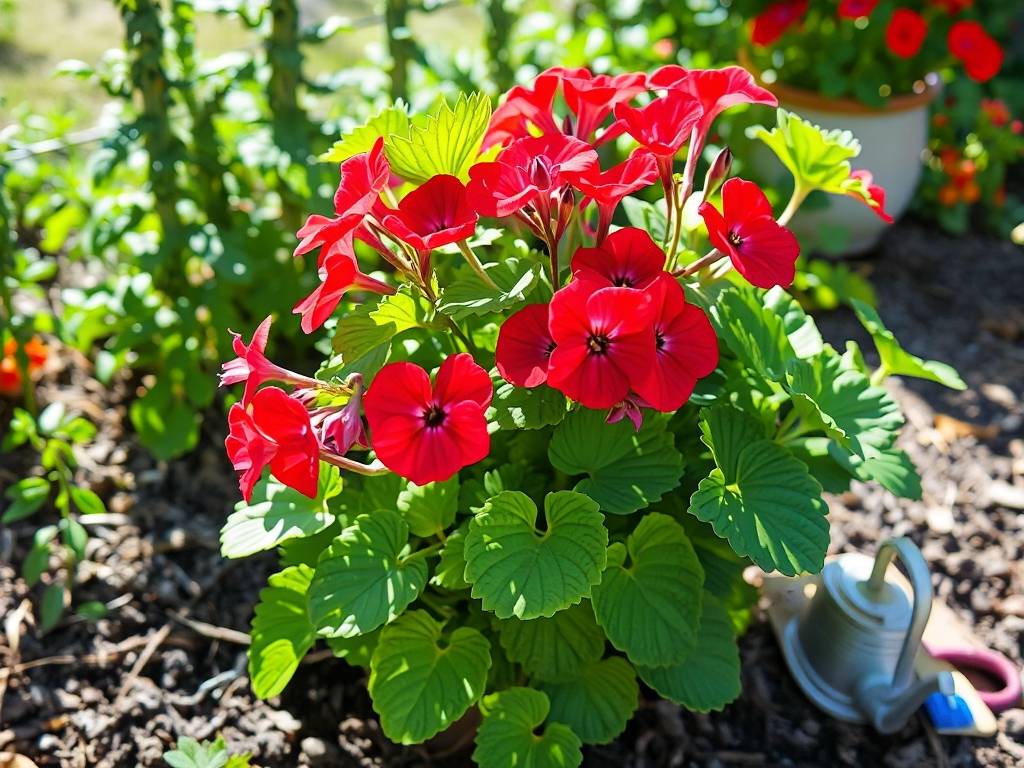
A south-facing or west-facing location is typically ideal. You'll know your plant is getting sufficient light when it maintains a compact, bushy form and continuously produces new flower buds.
What happens if the light isn't strong enough? The plant will tell you. You might notice leggy geranium growth with elongated stems and large gaps between leaves. Flowering will become sparse or stop altogether as the plant stretches desperately for more light. The leaves may also turn a lighter, yellowish-green color.
For indoor geranium care, don't rely on ambient room light. Place them directly in a sunny window. As we move into 2025, advancements in full-spectrum LED grow lights offer excellent solutions for light-challenged spaces. Modern units are more energy-efficient and produce less heat, making them a viable option for supplementing natural light, especially during short winter days.
Mastering the Art of Watering
The "dry-tolerant" description for geraniums is a key to their care, not a challenge to test their limits. These plants prefer a cycle of thorough watering followed by a period of drying out. The goal is to mimic the conditions of their native South African habitats.
The best watering technique for geraniums is the "soak and dry" method. Water the plant deeply until water runs freely from the drainage holes. Then, allow the top inch or two of soil to dry out completely before watering again. You can check this simply by sticking your finger into the soil.
Overwatering is the most common cause of problems. Soggy soil leads to root rot, a fungal condition that can quickly kill the plant. Signs of overwatering include yellowing lower leaves, a wilted appearance despite wet soil, and black, mushy stems at the base.
Your watering schedule will change with the seasons. During the hot, active growing season (late spring through summer), you might need to water every 2-5 days. In the cooler, dimmer months, the plant's growth slows, and it may only need water every 1-2 weeks. Always let the soil condition, not the calendar, be your guide.
Encouraging a Spectacular Floral Display
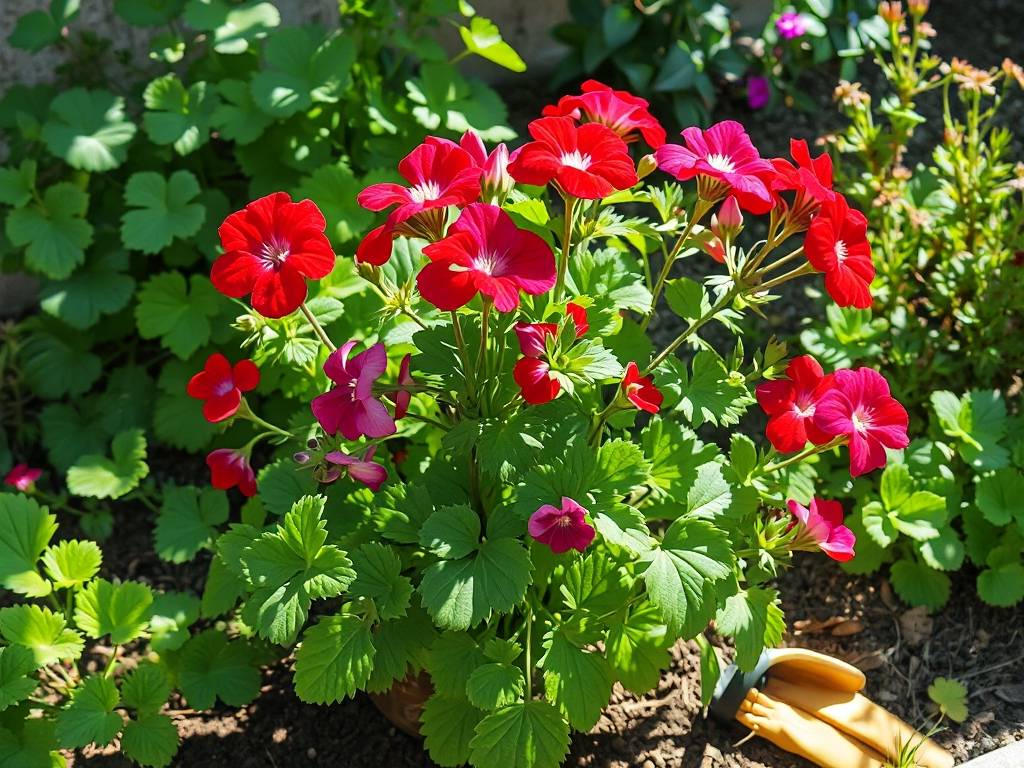
The ultimate reward for proper geranium care is a profusion of upright, bright flowers. These colorful clusters, known as umbels, stand proudly above the foliage, creating that classic geranium look.
To encourage continuous blooming, deadheading is your most important task. This simply means removing spent flower clusters. Use clean scissors or your fingers to snap off the entire flower stalk at its base, right down to where it meets the main stem. This prevents the plant from wasting energy on seed production and redirects it into creating new blooms.
Feeding your geraniums is also crucial for flower power. Use a balanced, water-soluble fertilizer or one that is slightly higher in phosphorus (the middle number on the fertilizer package). Phosphorus promotes strong root development and prolific flowering. A good rule of thumb is to fertilize every 2-4 weeks during the active growing season. In 2025, look for new slow-release fertilizer formulations that are being developed for container plants, which can provide steady nutrition for months with a single application.
Selecting the Right Soil and Container
Geraniums require well-draining soil above all else. A standard, high-quality potting mix is a good start, but you can improve drainage by mixing in perlite, coarse sand, or peat moss. A heavy, clay-based garden soil will hold too much water and should be avoided, especially in containers.
The choice of container is equally important. Always use a pot with adequate drainage holes. Terracotta pots are an excellent choice for geraniums because they are porous, allowing the soil to dry out more evenly and reducing the risk of overwatering.
When repotting, which is typically needed every year or two, choose a new pot that is only 1-2 inches larger in diameter than the old one. Geraniums tend to bloom best when slightly root-bound.
Troubleshooting Common Issues
Even with the best care, you might encounter a few challenges.
- Yellowing Leaves: This can have several causes. Lower leaves turning yellow is often a natural part of aging. Widespread yellowing usually points to overwatering or, sometimes, under-watering.
- No Flowers: The most likely culprit is insufficient light. Re-evaluate your plant's location. Other causes can be over-fertilizing with a high-nitrogen fertilizer (which promotes leaves at the expense of flowers) or a lack of deadheading.
- Pests: Geraniums can occasionally attract whiteflies, aphids, and spider mites. A strong spray of water or an application of insecticidal soap or horticultural oil (like neem oil) is usually effective. The 2025 Integrated Pest Management (IPM) guidelines emphasize these eco-friendly controls as a first line of defense before considering stronger chemicals.
Expert Tips for Specific Scenarios
- For Lush Hanging Baskets: Choose ivy geranium varieties, which are specifically bred for their trailing habit. They require the same care but may need more frequent watering as baskets dry out faster.
- For Overwintering in Cold Climates: Before the first frost, you can bring container-grown geraniums indoors. Place them in your sunniest window and water very sparingly through the winter. They may become leggy, but you can prune them back hard in early spring to encourage new, bushy growth.
- The Zonal Geranium Secret: The dark patterns on "zonal" geranium leaves are not just for show. Research from leading horticultural institutions suggests these pigments may help the plant tolerate intense sunlight more efficiently, a built-in sun protection mechanism.
By providing strong light, respecting their dry-tolerant nature, and performing simple maintenance like deadheading, you will be rewarded with a stunning display of upright, bright flowers season after season. Embrace the process of learning what your specific plants need, and don't be afraid to adjust your care based on their responses. Happy growing