bluename
 With their vibrant papery bracts in shades of magenta, purple, orange, and white, bougainvilleas are the ultimate showstoppers in warm-climate gardens. These tropical-looking beauties are surprisingly tough, drought-tolerant, and can provide a spectacular floral display for most of the year. If you've ever wondered how to get your bougainvillea to flourish and bloom abundantly, you're in the right place. This comprehensive guide will walk you through everything you need to know, from sunlight and watering to advanced training techniques.
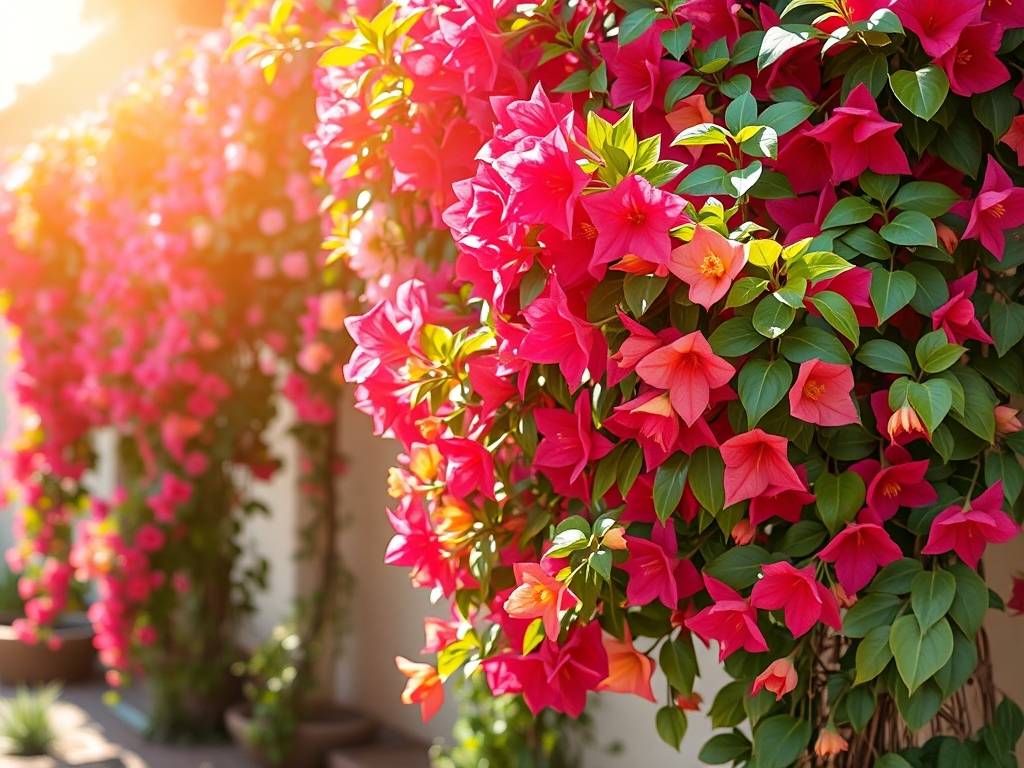
Let's start with the absolute non-negotiable for a happy bougainvillea: sunlight. These plants are sun worshippers in the truest sense. To achieve that legendary, wall-covering blanket of color, your bougainvillea needs a minimum of six hours of direct, unfiltered sunlight each day. More is even better. A full sun location with eight or more hours of sun is ideal for maximum flower production.
Why is this so critical? Bougainvilleas are heat-tolerant plants that originate from South America. Their flowering is directly triggered and sustained by intense light and warmth. In shady or even partially shaded spots, the plant will focus its energy on growing long, thorny vines with sparse leaves and very few, if any, flowers. This is the number one reason people struggle with a lack of blooms. If your plant isn't flowering, assess its sun exposure first. Even a location that gets morning shade and afternoon sun is better than the reverse, as the intense afternoon rays are what it craves most.
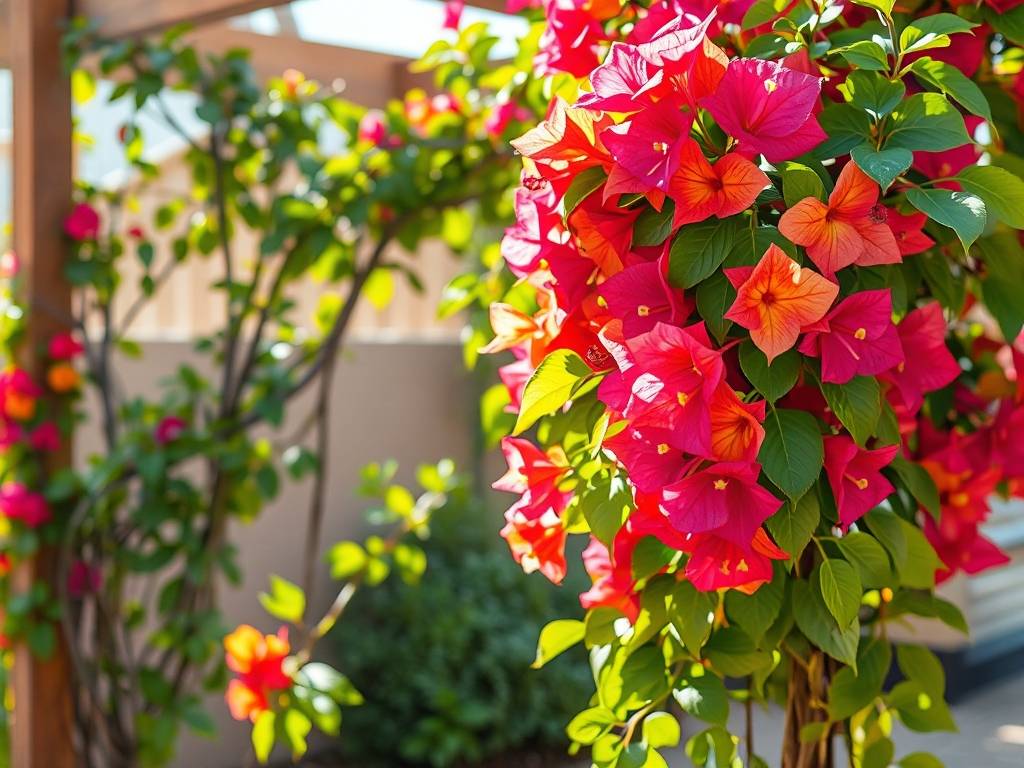
When we talk about heat tolerance, we're referring to a plant's ability to thrive in high temperatures without significant stress. Bougainvilleas excel in this department. They can handle temperatures well into the 90s and 100s Fahrenheit (above 35°C) without breaking a sweat, provided they have adequate water. Their love for heat makes them perfect for challenging, sun-baked areas of the garden where other flowering plants might wither.
According to a 2024 horticultural report from the Global Gardening Institute, heat-tolerant and drought-resistant landscaping, known as xeriscaping, is one of the fastest-growing trends heading into 2025. Bougainvilleas are frequently highlighted as a cornerstone plant for this movement, especially in the American Sun Belt and Mediterranean climates. Their ability to provide vibrant color with lower water requirements aligns perfectly with evolving water conservation efforts.
Watering is where many gardeners, especially those new to bougainvillea, can go wrong. The golden rule is: deep but infrequent watering. These plants prefer to dry out almost completely between waterings. A good way to check is to stick your finger about two inches into the soil. If it feels dry, it's time to water. If it's still moist, wait a few more days.
Overwatering is a far greater danger than underwatering. Constantly soggy soil can lead to root rot, a fungal condition that will quickly kill the plant. Symptoms of overwatering include yellowing leaves and leaf drop. On the other hand, a slightly stressed bougainvillea—one that is allowed to get properly dry—is often triggered to produce more of its brilliant bracts. When you do water, do so deeply, allowing water to run out of the bottom of the pot or to penetrate deeply into the ground. This encourages the roots to grow downward, creating a stronger, more resilient plant.
For container-grown bougainvilleas, excellent drainage is non-negotiable. Ensure your pot has large drainage holes. A lightweight, well-draining potting mix is also essential. Consider adding extra perlite or coarse sand to a standard potting mix to improve drainage further.
While bougainvilleas aren't heavy feeders, they do benefit from the right kind of nutrition. The key is to use a fertilizer that promotes blooming rather than excessive leafy growth. Look for a fertilizer with a high phosphorus content (the middle number in the N-P-K ratio). A formula like 6-8-10 or something similar is excellent.
A common mistake is using a high-nitrogen fertilizer, which will give you a lush, green bush with very few flowers. Feed your bougainvillea every four to six weeks during its primary growing season (spring through summer). In the fall and winter, you can reduce or stop fertilizing altogether as growth slows down. Some experts, like renowned horticulturist Dr. Maria Rodriguez, recommend supplementing with a water-soluble bloom booster fertilizer every two weeks during the peak flowering season for an extra spectacular show. "The combination of a balanced slow-release fertilizer in the soil and a phosphorus-rich liquid feed," she notes in her recent book, "Tropical Blooms for Modern Gardens," "creates the perfect nutritional environment for a non-stop floral display."
One of the most exciting aspects of bougainvillea care is training these vigorous climbing vines. Their natural habit is to scramble and climb, and with a little guidance, you can create stunning visual effects. They are perfect for covering fences, trellises, arbors, and walls. You can even train them as standards (tree-like forms) or as dramatic, cascading plants in hanging baskets.
To train a bougainvillea, you need to provide support and gently tie the young, flexible canes to the structure. Use soft plant ties or cloth strips to avoid damaging the stems. As the plant grows, continue to weave and secure the new growth. Don't be afraid to prune to direct the plant's energy. If you want coverage in a specific direction, prune back the vines that are growing away from the support. Regular tip-pruning throughout the growing season will also encourage the plant to branch out, becoming bushier and producing even more flowering points.
For a truly unique look, consider the increasingly popular "bougainvillea tree" or standard. This involves selecting a single, strong central stem and staking it upright. You'll need to remove all the side shoots from the bottom portion as it grows, allowing a canopy to form at the top. This process requires patience but results in a magnificent, flowering focal point.
Pruning is essential for maintaining the shape and health of your bougainvillea. The best time for major pruning is in late winter or early spring, just before the new growth flush begins. At this time, you can safely cut the plant back by a third or even half to control its size and shape. Don't be timid; bougainvilleas are vigorous growers and can handle hard pruning.
Throughout the blooming season, you can do light pruning to encourage more flowers. After a flush of blooms fades, lightly trim the branches back. This will stimulate new growth, and since bougainvilleas flower on new wood, this new growth will soon be covered in color. Always wear thick gloves when pruning, as the thorns can be quite sharp.
Bougainvilleas are generally pest-resistant, but they can occasionally be bothered by aphids, caterpillars, or leaf miners. A strong spray of water from a hose is often enough to dislodge aphids. For caterpillars, you can pick them off by hand or use an organic biological control like Bacillus thuringiensis (Bt). Leaf miners create squiggly lines on the leaves; simply prune off and dispose of the affected leaves.
The most common problems are typically related to cultural conditions. Lack of blooms, as discussed, is usually due to insufficient sun, overwatering, or over-fertilizing with nitrogen. Yellowing leaves often point to overwatering. Leaf drop can occur after a sudden change in temperature or if the plant is moved to a new location. This is usually temporary, and the plant will recover once it acclimates.
Whether you're growing it in the ground or in a container, your bougainvillea has the potential to be the star of your garden. By providing plenty of sun, practicing mindful watering, feeding it the right fertilizer, and guiding its growth with confident pruning, you'll be rewarded with a breathtaking display of color. These resilient and heat-tolerant climbing vines are a testament to the fact that the most stunning garden performers aren't always the most demanding. With these tips, you're well on your way to mastering the art of bougainvillea care and enjoying its abundant flowers for years to come.