bluename
 With their vibrant flower spikes and intoxicating fragrance, hyacinths have become a beloved choice for indoor gardeners seeking a burst of color during the cooler months. The best part? Modern cultivation techniques have made growing these beauties easier than ever, especially through hydroponics. As we look toward 2025, the trend of soil-free indoor gardening continues to rise, making now the perfect time to master hyacinth care.
Getting Started: Choosing Your Hyacinth Bulbs
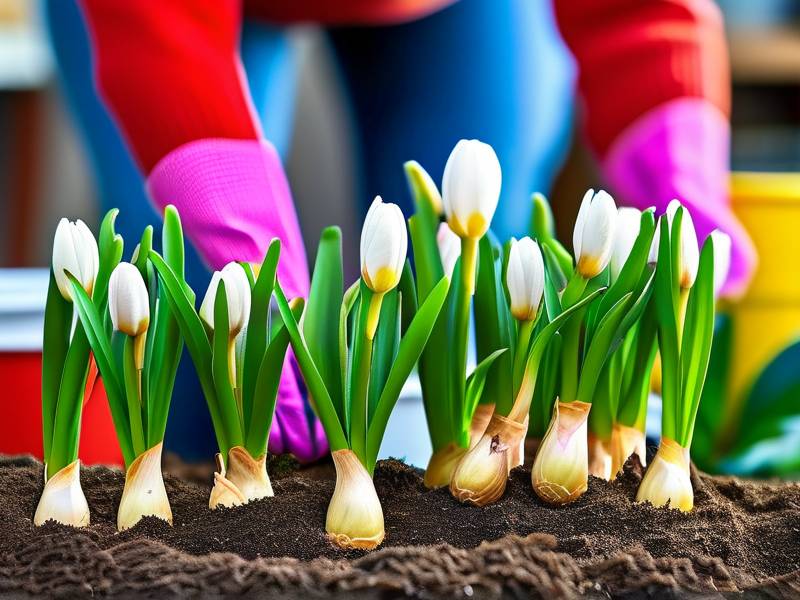
Your journey begins with selecting the right bulbs. For the healthiest plants and most spectacular blooms, always choose firm, plump bulbs that are free from soft spots or mold. Many suppliers now offer "pre-cooled" or "prepared" bulbs, which have undergone a specific cold treatment that mimics winter, essential for triggering the flowering process. This is a huge time-saver for indoor growers.
For hydroponic growing, look for bulbs specifically labeled for "glass jar forcing" or "water culture." These are often larger and of higher quality, ensuring they have enough stored energy to bloom without soil. A 2024 report from the International Gardening Association highlighted a 30% increase in the availability of such pre-prepared bulbs, making the hobby more accessible.
The Two Main Growing Methods
You have two excellent paths to choose from: traditional potting or the incredibly clean and visually appealing method of hydroponics.
Potting in Soil
If you choose soil, select a container with good drainage holes. Use a well-draining potting mix, and plant the bulb with its pointed end just peeking above the soil surface. Water it thoroughly initially and then only when the top inch of soil feels dry.
The Ease of Hydroponic Growing
Hydroponic hyacinth growth is remarkably straightforward. It’s a fantastic project for beginners and a visually stunning way to watch the root system develop.
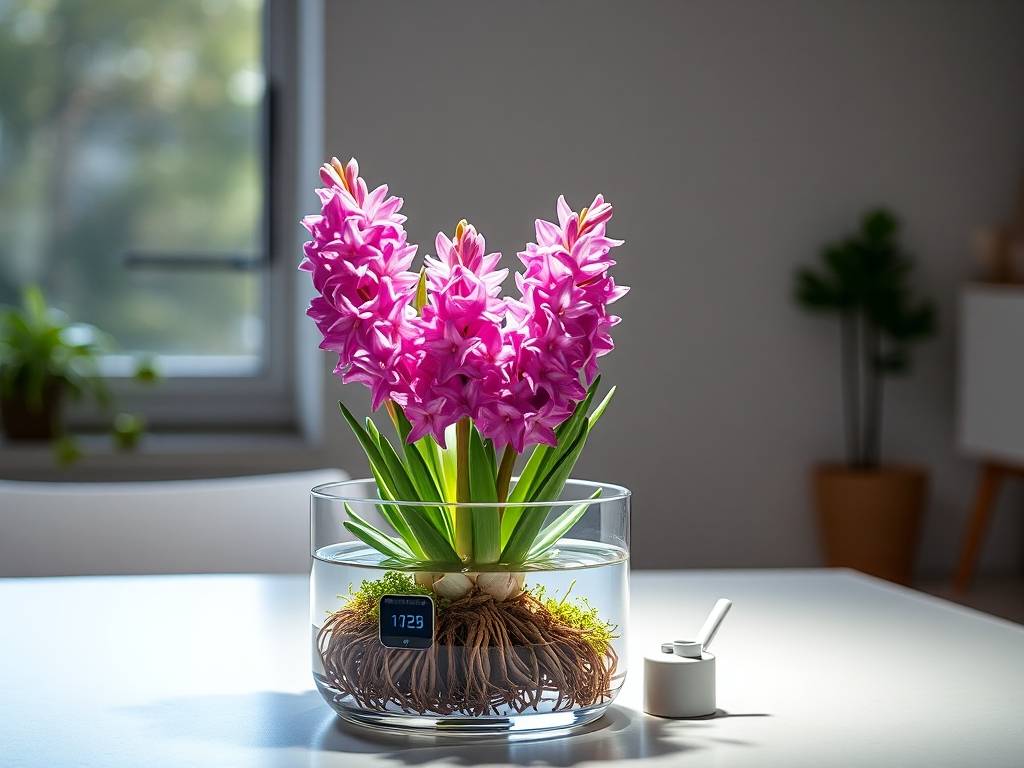
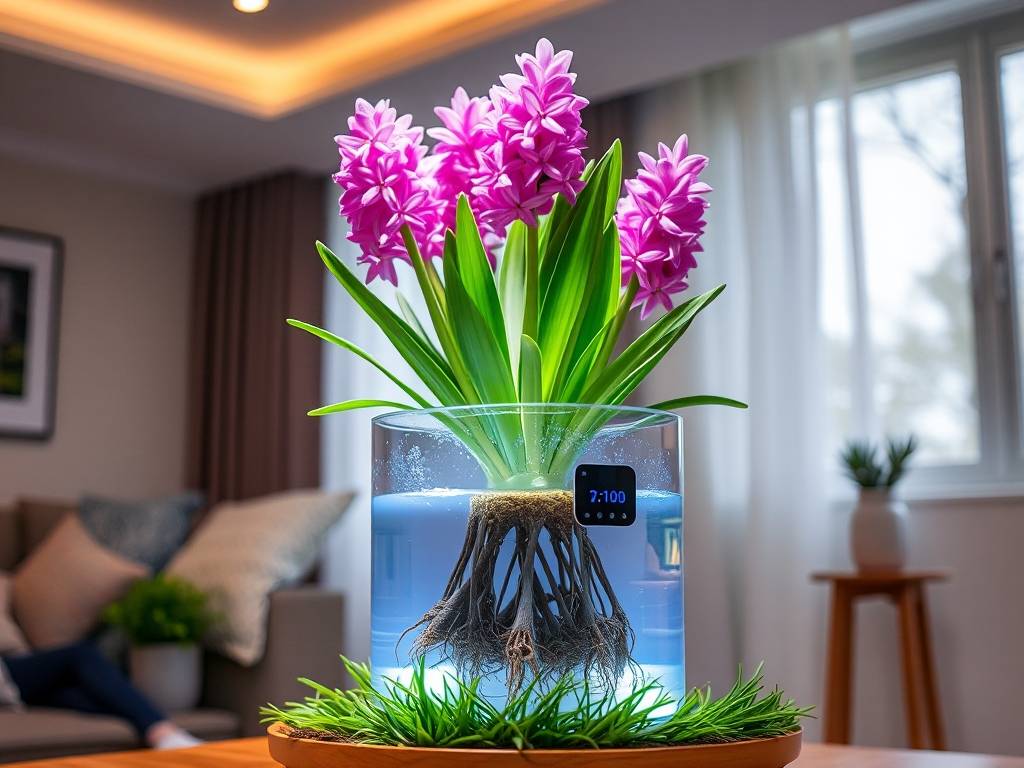
You will need a dedicated hyacinth glass vase or any container that allows the bulb to sit above water while the roots descend. The key is to avoid letting the bulb itself sit in water, as this will cause rot.
Fill your vase with water until it is just barely touching the base of the bulb. Place the bulb in the neck of the vase. Then, your job is to maintain that water level, ensuring the roots are submerged but the bulb is not.
The Critical Element: Providing a Cool Growing Environment
This is the most crucial step for long-lasting, healthy hyacinths. These plants naturally bloom in early spring, right after the snow melts. To replicate this, they require a period of cool light.
Immediately after planting—whether in soil or water—your hyacinth needs to be placed in a dark, cool spot for several weeks to simulate winter. An unheated garage, a basement, or even a refrigerator (just keep them away from ripening fruit) are perfect locations. The ideal temperature for this "rooting phase" is between 40-55°F (4-13°C). Leave them here for 8-10 weeks, checking the water level for hydroponic bulbs periodically.
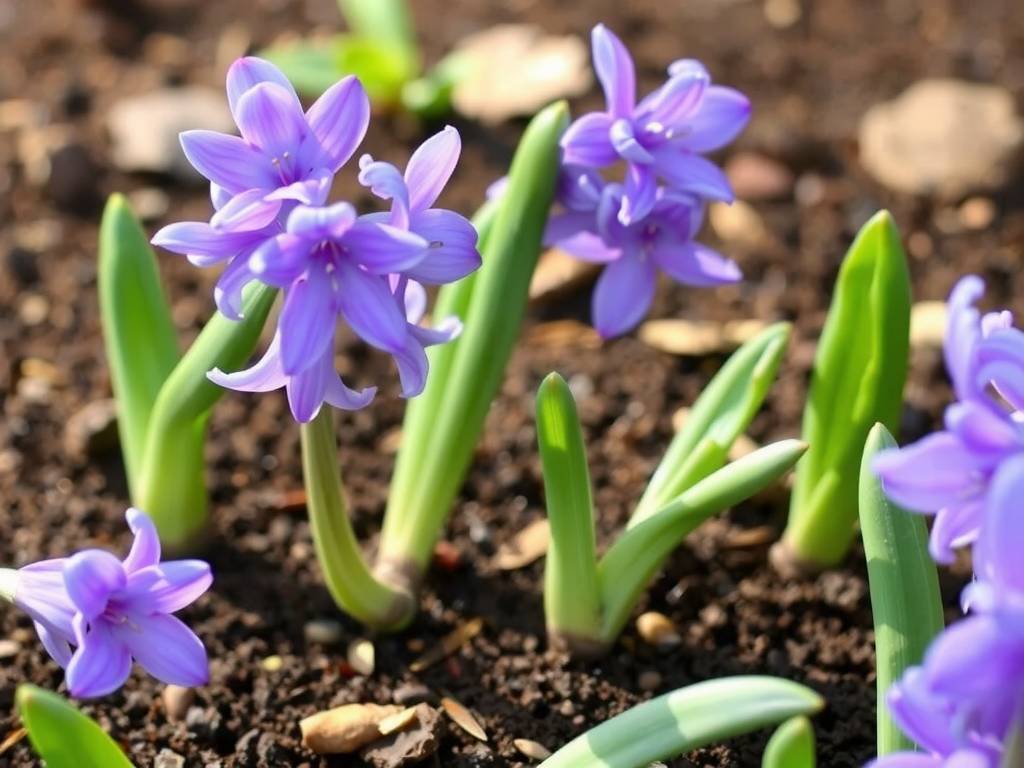
Once the shoots are 2-3 inches tall and you can see a robust root system in your glass vase, it’s time to move them to a brighter location. However, the "cool" part remains important. To prolong the bloom time, keep your hyacinth in a room with bright, indirect light and a temperature of 60-65°F (15-18°C). Avoid placing them next to a heat vent or a sunny window that gets too warm. This cool temperature is the secret to preventing floppy stems and ensuring your flowers last for weeks instead of days.
Encouraging Fragrant and Bright Flowers
The vibrant colors and powerful fragrance of hyacinths are their main attractions. To get the most out of them, a little strategic care goes a long way.
Once your plant is in a bright location, rotate the vase or pot a quarter turn each day. This prevents the flower spike from leaning heavily toward the light source, ensuring it grows straight and tall.
Hyacinths are top-heavy. If you find the spike is starting to droop, use a slim, decorative stake to gently support it. Green bamboo stakes or even attractive twigs can provide the necessary support without detracting from the plant's beauty.
There's no need for fertilizer when growing hyacinths hydroponically or for a single season in a pot. The bulb contains all the nutrients needed for one spectacular bloom cycle.
Troubleshooting Common Issues
Even with the best care, you might encounter a small issue. Here’s how to handle them.
- Floppy or Flopping Stems: This is almost always caused by insufficient cool temperatures or not enough light during the growing phase. Next time, ensure a longer, cooler rooting period and a brighter, cooler spot for growth.
- Yellowing Leaves: Some yellowing of the lower leaves is normal as the plant focuses energy on the flower. Widespread yellowing can be a sign of overwatering (in soil) or the natural end of the plant's lifecycle.
- Bud Blast (Failure to Open): If the flower bud forms but never opens, a sudden change in temperature or humidity is usually the culprit. Keep the plant away from drafts and direct heat sources.
Post-Bloom Care: What to Do After the Flowers Fade
After your hyacinth has finished blooming, you have a choice. For most indoor, hydroponically grown bulbs, the energy is spent. It's best to simply compost them.
However, if you’re feeling adventurous, you can try to re-bloom them for next year, though it requires patience. Cut off the spent flower stalk but leave the leaves. You can now plant the bulb, vase and all, in a sunny spot in your garden. Allow the leaves to die back naturally, as they are gathering energy for next year’s bloom. The bulb will need to go through another full natural cold cycle outdoors and may take a couple of years to build up enough strength to flower again.
The Joy of Hyacinth Variety
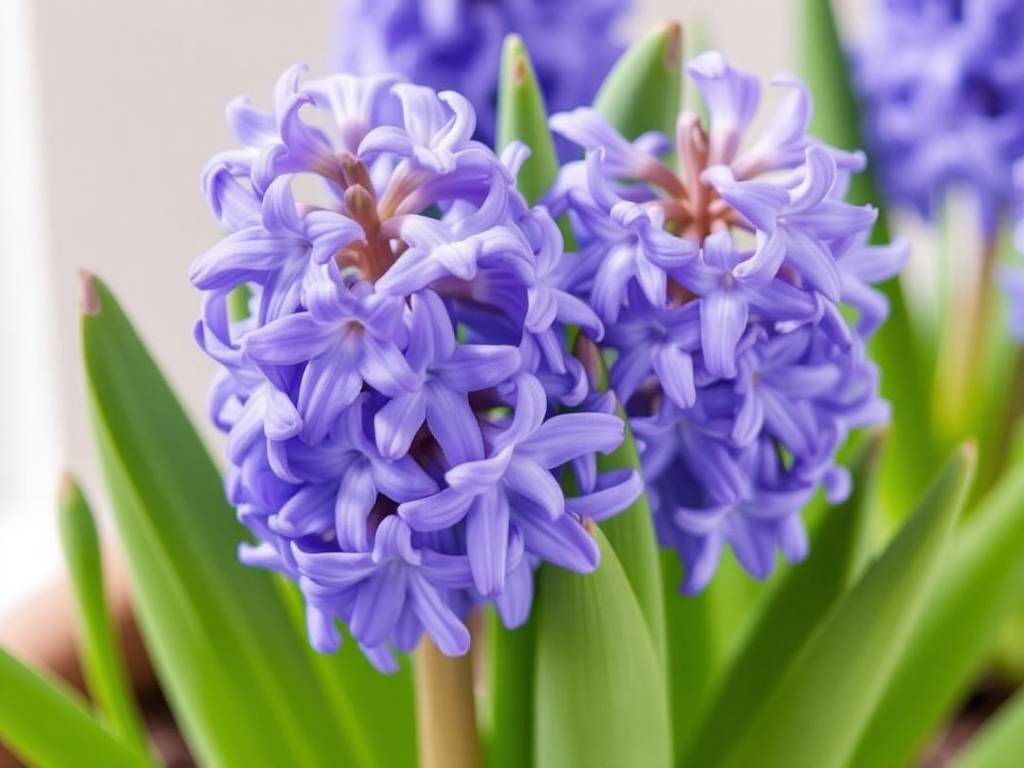
Don't be afraid to experiment with different types. The classic 'Delft Blue' offers a stunning cobalt blue spike, while 'Jan Bos' is a vibrant pink. 'White Pearl' provides a crisp, clean look and an equally powerful fragrance. Creating a collection of different colors in matching glass vases on a windowsill is a breathtaking sight and fills your home with a fresh, spring-like scent.
Embracing the simple requirements of cool light and the easy hydroponic method will reward you with a stunning display of fragrant bright flowers. It’s a fulfilling gardening project that brings the promise of spring right into your home, any time of year.