bluename
 Nothing brightens up a space quite like the vibrant, cheerful presence of tulips. Often seen as a herald of spring, these iconic flowers are surprisingly adaptable and can thrive as stunning potted plants in your home. With the right approach, you can enjoy their full-color flowers for weeks on end. This guide for 2025 will walk you through every step, from selecting your bulbs to encouraging re-blooming, ensuring you have all the tulip care knowledge you need in one place.
Let's start at the very beginning: choosing your bulbs. For the best results, always select firm, plump bulbs that are free from mold, soft spots, or significant damage. A larger bulb typically stores more energy, which translates into a bigger, more robust flower. Look for bulbs labeled as "pre-cooled" or "ready for forcing" if you're planting them in pots for indoor enjoyment. This means they've already undergone the essential cold period that mimics winter, a crucial step for triggering bloom.
When it comes to tulip varieties for pots, some perform better than others. Shorter, sturdier varieties like the Darwin Hybrids, Triumph, and Greigii tulips are excellent choices for container gardening as they are less likely to topple over. For a truly spectacular 2025 display, consider the new 'Sunset Mixture' series, which offers a gradient of warm colors perfect for a modern interior.
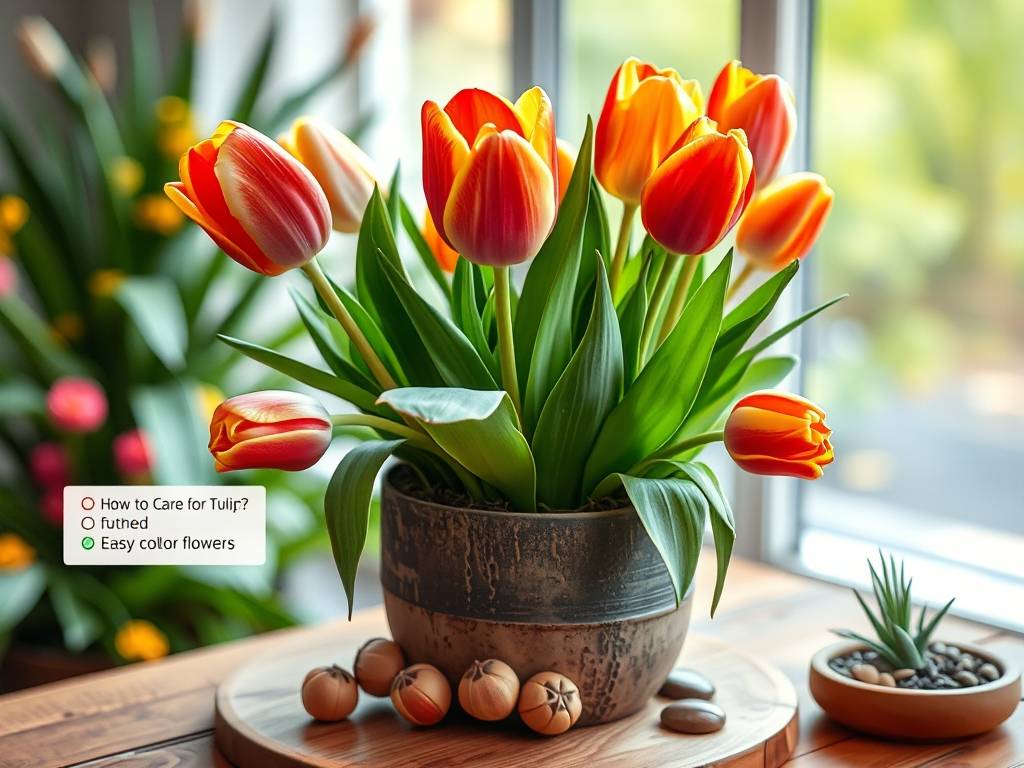
The foundation of healthy tulips is the pot and the soil. Choose a pot with adequate drainage holes; tulips despise sitting in waterlogged soil. A depth of at least 8 to 12 inches is ideal to give the roots plenty of room to establish themselves. For soil, a well-draining potting mix is non-negotiable. You can use a standard all-purpose mix, but for optimal results, amend it with some perlite or coarse sand to improve drainage further. Avoid using heavy garden soil, as it compacts in containers and leads to bulb rot.
Now, for the planting process. A good rule of thumb is to plant bulbs about three times as deep as the bulb is tall. For most tulips, this means a depth of 6 to 8 inches in the pot, with the pointed end facing up. You can plant bulbs closer together in a pot than you would in the ground—about an inch or two apart—to create a lush, full look. After planting, give them a thorough watering to settle the soil around the bulbs.
Here comes the most critical step in the tulip care process: the cooling period. Tulips require a sustained period of cold to simulate winter and initiate their biochemical processes for flowering. Place your potted bulbs in a cool, dark place with temperatures consistently between 35°F and 48°F (2°C and 9°C). An unheated garage, a cold frame, or your refrigerator (just keep them away from ripening fruit, which emits ethylene gas) are perfect spots. This chilling period should last for 12 to 16 weeks. Check the soil occasionally and water lightly if it feels completely dry.
Once the cooling period is complete and you see shoots emerging from the soil a few inches tall, it's time to transition your tulips to their growing spot. Don't move them directly into bright light. Instead, start them in a location with indirect light and cool temperatures for about a week. This gradual acclimation, known as hardening off, prevents shock and encourages strong stem growth.
Light and temperature are the twin pillars of post-sprout tulip care. Tulips flourish in cool conditions with adequate light. Place your pot in a spot that receives bright, but indirect, sunlight for at least 6 hours a day. A north or east-facing windowsill is often ideal. According to a 2024 study by the International Horticultural Society, tulips grown in consistent, cool temperatures (around 60-65°F or 15-18°C) significantly extended their blooming period compared to those in warmer rooms. Direct, hot sun and heat from radiators or vents will cause the flowers to wilt and fade rapidly. The key is to think "spring morning"—plenty of light, but still crisp and cool.
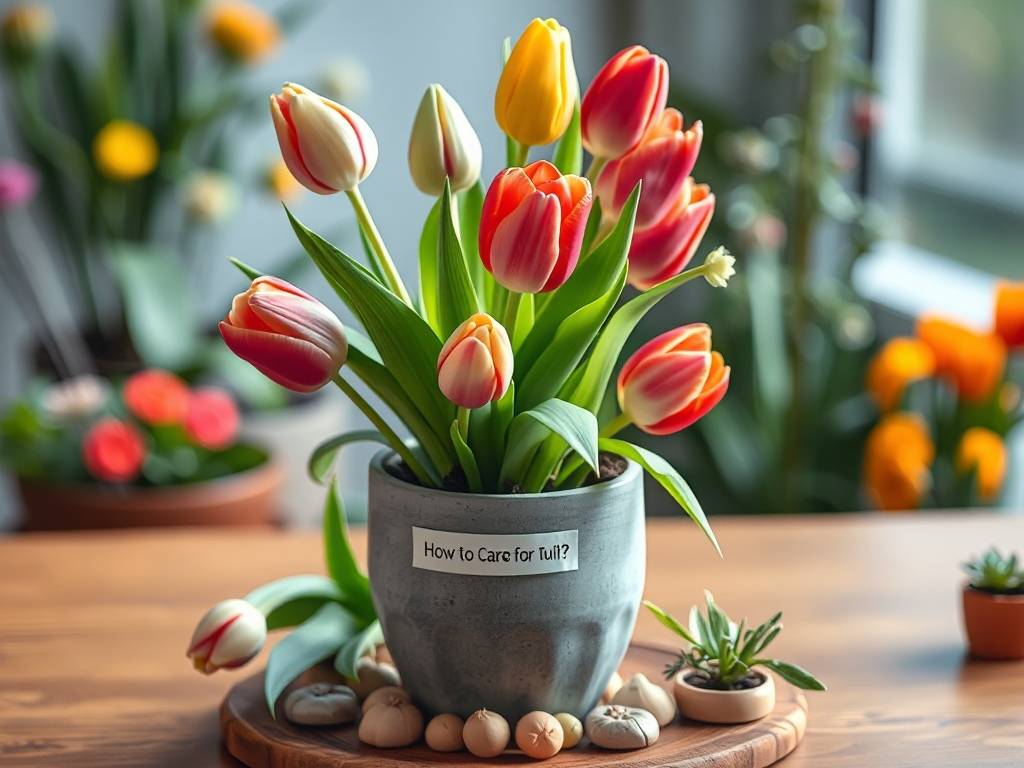
Watering your potted tulips correctly is simple but vital. The goal is to keep the soil lightly moist, but never soggy. A common mistake is overwatering. Before you water, stick your finger an inch into the soil. If it feels dry, it's time to water. Apply water directly to the soil, not over the leaves or buds, until it just begins to drain out of the bottom of the pot. Always empty the saucer underneath to prevent the pot from sitting in water.
You've put in the work, and now you're rewarded with those magnificent full-color flowers. To make the display last as long as possible, a simple trick is to move the pot to a cooler spot at night. Even relocating it to a cooler room can add several days to the bloom's life. While fertilizing during the growth phase isn't strictly necessary, a half-strength balanced liquid fertilizer applied once when the leaves are emerging can give them a boost. Do not fertilize while the plant is in bloom.
After the spectacular show is over and the petals have dropped, the foliage will begin to yellow and die back. This is a natural process. The plant is now channeling energy back into the bulb for next year's growth. Resist the urge to cut off the green leaves immediately. Allow them to die back naturally while continuing to provide water and adequate light. Once they are completely yellow and withered, you can gently remove them.
For those wondering about getting your tulips to bloom again next year, it is possible but can be challenging with indoor-potted bulbs. The most reliable method for tulip reblooming is to plant the bulbs in your garden after the foliage has died back. They will naturally go through the necessary cold cycle outdoors. For dedicated indoor gardeners, you can simulate this by repeating the cooling process: dig up the bulbs, store them in a cool, dark, and dry place over the summer, and then re-chill them in the pot in the refrigerator for another 12-16 weeks in the fall before starting the cycle again.
Tulips are generally trouble-free, but keep an eye out for a few common issues. If your flower stems are weak and floppy, the likely culprit is insufficient cooling time or temperatures that were too warm during the growing phase. Ensure you meet the full 16-week chilling requirement next time. Yellowing leaves before flowering usually indicate overwatering. Let the soil dry out more between waterings. If you notice gray mold (Botrytis) on leaves or flowers, improve air circulation and remove affected parts immediately.
Whether you're creating a vibrant centerpiece for your dining table, adding a pop of color to your home office, or lining your apartment balcony with cheerful pots, tulips are a wonderfully versatile choice. Their straightforward needs—a good chill, cool adequate light, and mindful watering—make them an accessible and deeply rewarding project for any plant lover. By following these steps, you're not just growing a plant; you're orchestrating a beautiful, living piece of springtime art.