bluename
 Caring for Cymbidium Sinense, particularly the stunning Golden Edge variety, can be a deeply rewarding experience. These elegant orchids, with their graceful arching leaves and delicate blooms, bring a touch of sophistication to any space. While they have a reputation for being somewhat particular, understanding their core needs makes the process straightforward and enjoyable. Let's walk through the essential steps to ensure your orchid thrives, incorporating some of the latest insights for 2025.
The Foundation: Filtered Light is Key
Imagine the dappled sunlight filtering through a forest canopy. This is the ideal light condition for your Golden Edge Cymbidium. Direct, harsh sunlight, especially the intense afternoon sun, will quickly scorch its beautiful leaves, leaving unsightly yellow or brown marks.
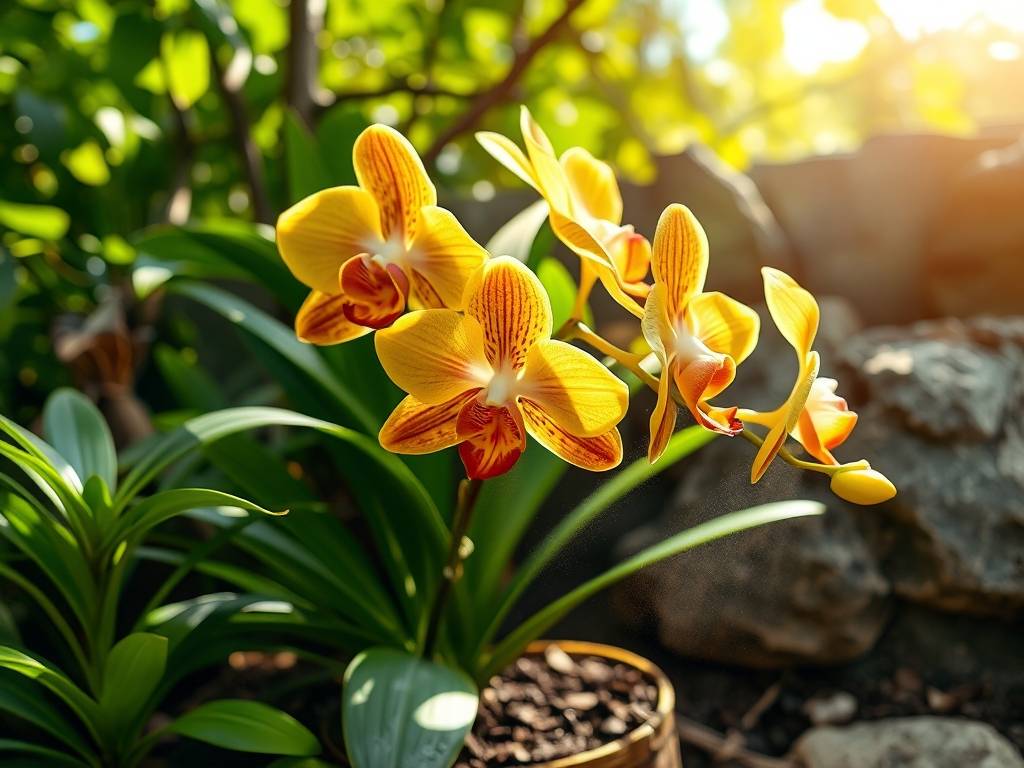
A perfect spot is near an east or north-facing window where it receives gentle morning light or bright, indirect light throughout the day. If you only have a south or west-facing window, using a sheer curtain is an excellent solution to diffuse the strong rays.
A modern tip for 2025 involves using a simple light meter app on your smartphone. Experts at the Royal Horticultural Society now suggest aiming for a light intensity between 1,500 and 2,500 foot-candles for optimal growth without the risk of leaf burn. Observing the leaf color is also a great indicator; a rich, golden-edged green signifies perfect light, while a dark green often means it needs a bit more.
Creating a Breezy Oasis: The Need for Good Ventilation
Stagnant, stuffy air is a recipe for trouble, inviting fungal diseases and pest infestations. Your Cymbidium Sinense loves a fresh, well-ventilated environment. This doesn't mean placing it in a windy corridor, but rather ensuring a gentle air circulation around it.
You can achieve this by occasionally opening a window in a room away from the direct draft. For indoor growers, a small, oscillating fan set on low and placed at a distance can work wonders. This mimics the natural breezes of its native habitat and strengthens the plant's overall health.
When considering ventilation for Cymbidium orchids, also think about the potting mix. A coarse, open mix not only prevents waterlogging but also allows air to reach the roots, creating a mini-ventilation system within the pot itself.
Mastering Moisture: The Art of Watering Correctly
This is perhaps the most crucial aspect of Cymbidium Sinense care. The mantra "moist, but no waterlogging" is your guiding principle. These orchids dislike having constantly soggy roots, but they also shouldn't be allowed to dry out completely.
The best way to water is the "drench and drain" method. Take your plant to a sink and thoroughly water it until water runs freely out of the drainage holes. This ensures the entire root ball is hydrated. Let all the excess water drain away completely before returning it to its decorative pot or saucer.
How do you know when to water? Don't rely on a strict schedule. Instead, perform the finger test. Insert your finger about an inch into the potting mix. If it feels dry, it's time to water. If it still feels cool and slightly moist, wait another day or two. The weight of the pot is another good indicator; a light pot needs water, a heavy one does not.
For tech-savvy plant parents in 2025, affordable soil moisture probes are becoming a popular tool. They take the guesswork out of watering and provide a precise digital reading of the moisture level at the root zone.
Choosing the Right Potting Mix and Container
The right potting medium is your primary defense against waterlogging. A standard garden soil is a death sentence for these orchids. They need a very coarse, fast-draining mix that allows for both moisture retention and ample air pockets.
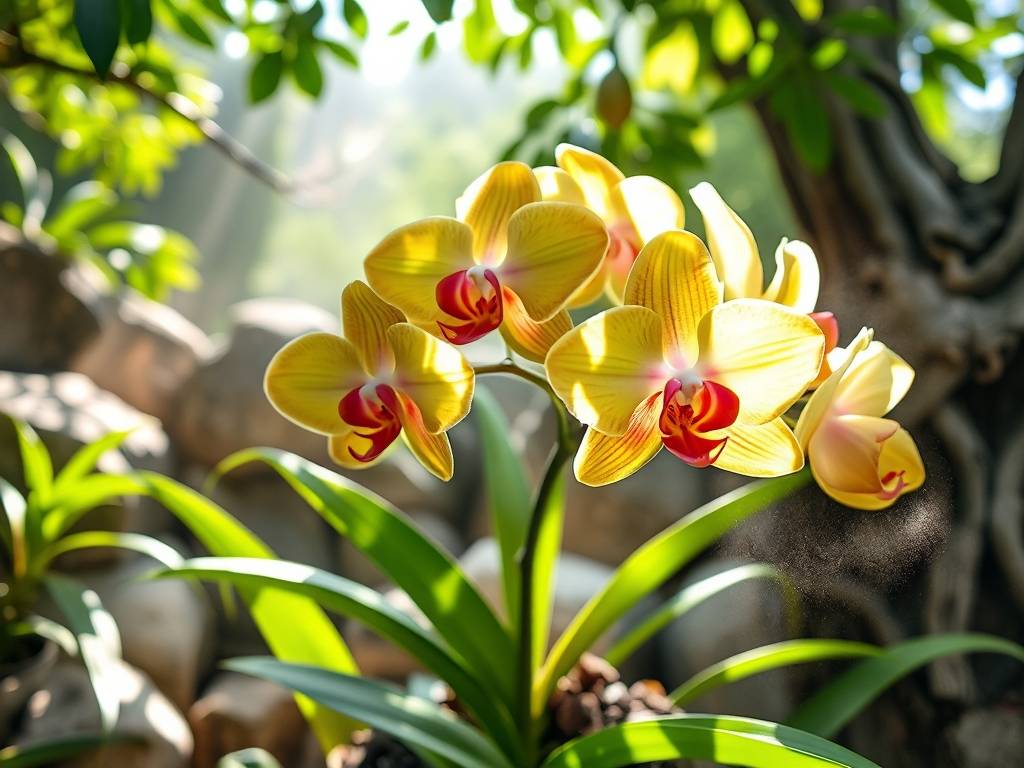
A classic mix for Cymbidium Sinense includes orchid bark, perlite, and charcoal. Some growers also add sphagnum moss to help retain a bit of moisture, especially in drier climates. Re-potting is typically needed every two to three years, or when the potting medium starts to break down and become too compact.
When selecting a pot, always choose one with multiple drainage holes. Terracotta pots are an excellent choice because they are porous, allowing the potting mix to dry out more evenly than in plastic pots.
Feeding for Strength and Blooms
To support its growth and magnificent flowering potential, your Golden Edge Cymbidium will appreciate regular feeding. During the active growing season (spring and summer), use a balanced, water-soluble orchid fertilizer. A common and effective method is the "weekly, weakly" approach—applying a diluted, half-strength fertilizer solution once a week.
As we move into late summer and autumn, switching to a fertilizer with a higher phosphorus content (the middle number in the N-P-K ratio) can help encourage the development of flower spikes. Always water your plant lightly with plain water before applying fertilizer to prevent root burn.
Seasonal Considerations and Troubleshooting
Your care routine should adapt with the seasons. In the warmer months, watering will be more frequent. During winter, when growth slows, you should reduce watering significantly, allowing the potting mix to become almost dry between waterings.
Cymbidium Sinense also benefits from a distinct temperature drop at night in the autumn to initiate its blooming cycle. If you can provide cooler nights (around 50-60°F or 10-15°C) for several weeks, you'll be rewarded with a spectacular flower spike.
Common issues like brown leaf tips often point to low humidity or a buildup of salts from fertilizer. Yellowing leaves can signal overwatering. If you encounter pests like scale or spider mites, a gentle wipe with insecticidal soap or neem oil is a safe and effective treatment.
By following these steps and paying close attention to your plant's signals, you'll create the perfect environment for your Cymbidium Sinense (Golden Edge) to not just survive, but to flourish and become a stunning centerpiece in your home for years to come.