bluename
 With their delicate clusters of bright, cheerful flowers, Rieger begonias bring a splash of color to any indoor space. These charming plants, a hybrid of wax and tuberous begonias, are particularly popular for their long-lasting blooms that can brighten up your home from late fall well into spring. Caring for them might seem intricate, but by understanding a few key principles, you can enjoy their vibrant display for months.
Let's talk about light first. These plants thrive in bright, filtered light. A spot near an east or north-facing window is often perfect. The gentle morning sun from an east window provides the ideal intensity. If you only have a south or west window, don't worry. Simply use a sheer curtain to diffuse the strong afternoon rays. Direct sunlight can be too harsh, scorching the leaves and causing the flower colors to fade. In 2025, we're seeing a rise in smart light sensors that can help you monitor light levels. These small devices can alert you if your plant is receiving too much or too little light, taking the guesswork out of plant placement.
Watering is where many plant enthusiasts face a challenge. The goal is to keep the soil consistently moist but never soggy. Think of a well-wrung-out sponge. Before you water, do the simple finger test. Stick your index finger about an inch into the soil. If it feels dry, it's time to water. If it still feels moist, wait another day or two. When you do water, do so thoroughly until water runs out of the drainage holes at the bottom of the pot. This ensures the entire root ball gets hydrated. However, and this is crucial, never let your Rieger begonia sit in a saucer of water. Empty the saucer about 15-20 minutes after watering to prevent root rot, which is a primary cause of plant failure. This "moist but no waterlogging" balance is the secret to a happy plant.
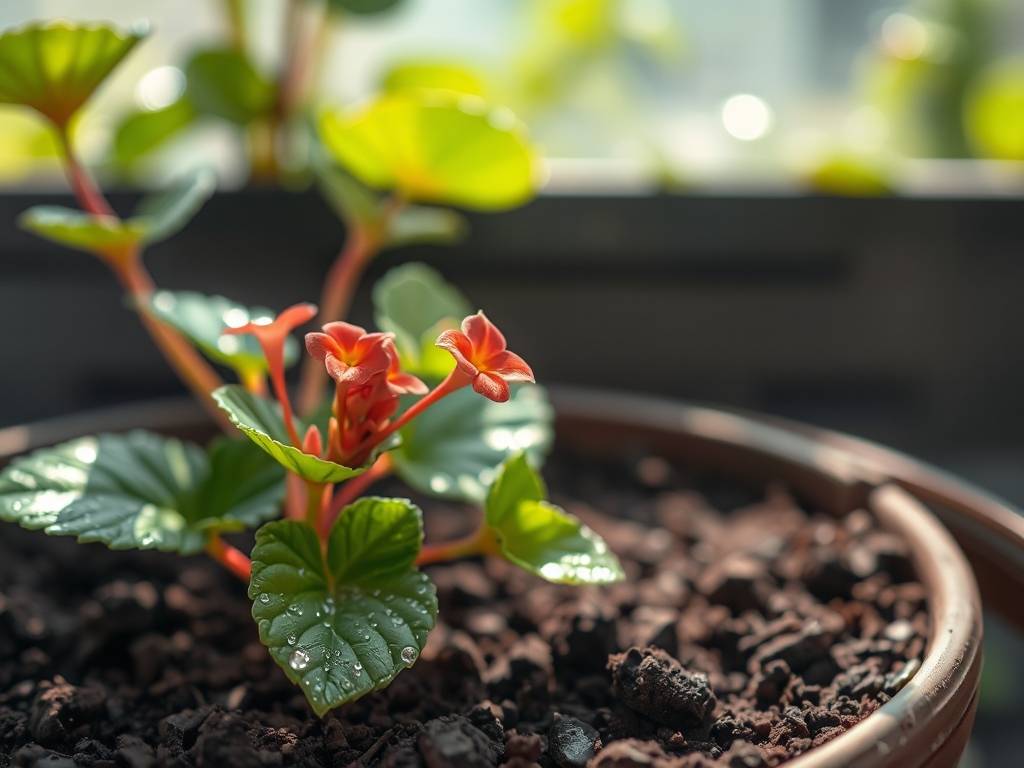
The type of water you use can also make a difference. These plants can be sensitive to the chemicals in tap water. If possible, use filtered water, rainwater, or simply leave tap water out overnight to allow the chlorine to dissipate. This small step can prevent leaf tip burn and promote overall plant health.
Choosing the right soil and pot is foundational for success. Rieger begonias require a loose, well-aerated, and fast-draining potting mix. A standard potting soil amended with perlite, orchid bark, or coco coir will improve drainage significantly. The pot itself must have adequate drainage holes. Terra cotta pots are an excellent choice because they are porous, allowing the soil to dry out more evenly than plastic pots, which helps prevent overwatering. When repotting, which is best done after the blooming cycle, select a pot that is only one size larger than the current one. A pot that's too large will hold excess water around the roots, creating a waterlogging risk.
Feeding your Rieger begonia will support its spectacular flower show. During its active growing and blooming period, feed it with a balanced, water-soluble fertilizer diluted to half the recommended strength. Do this every two to four weeks. Over-fertilizing can damage the delicate roots and even inhibit blooming. Once the flowering period ends, you can reduce or stop fertilizing as the plant enters a rest phase.
These plants prefer a comfortable room temperature, similar to what most people enjoy—between 65°F and 75°F (18°C - 24°C). They are not fond of drastic temperature swings. Keep them away from cold drafts, heating vents, and radiators. Humidity is another important factor. Average home humidity is often sufficient, but if your air is particularly dry, especially in winter, consider using a humidifier or placing the pot on a tray filled with pebbles and water. Just ensure the pot is sitting on the pebbles, not in the water.
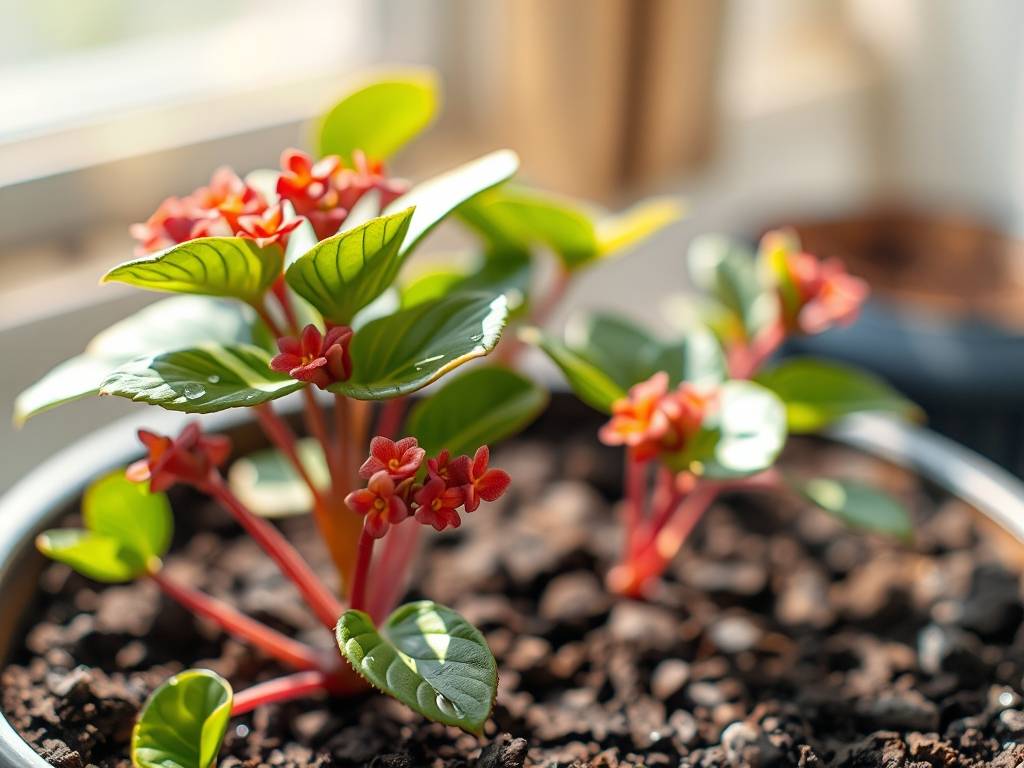
Even with the best care, you might encounter a few common Rieger begonia problems. Yellowing leaves are often a sign of overwatering. Brown, crispy leaf edges usually indicate that the air is too dry or the plant is getting too much direct sun. If you notice powdery mildew, a white powdery substance on the leaves, improve air circulation around the plant and avoid wetting the foliage when you water. For persistent issues, an organic fungicide can be used.
A question I often get is, "How do I get my Rieger begonia to rebloom?" After its initial blooming period, the plant will naturally slow down. This is its time to rest. You can cut back on watering and move it to a slightly cooler spot for a few weeks. With proper seasonal Rieger begonia care, including this brief rest period and a return to regular feeding and watering, you can encourage it to set new buds for another round of beautiful small bright flowers.
Incorporating these Rieger begonia growing tips into your routine will ensure your plant not only survives but thrives. It's a rewarding experience to see those clusters of small, bright flowers return, a vibrant testament to your attentive care.