bluename
 # How to Successfully Grow and Care for Indoor Kalanchoe: A Comprehensive Guide
Kalanchoe, with its vibrant blooms and resilient nature, has become a beloved choice for indoor gardeners worldwide. Known for their long-lasting flowers and low-maintenance requirements, these succulent plants offer a splash of color during the cooler months when many other plants lie dormant. This detailed guide will walk you through everything you need to know to cultivate healthy, thriving kalanchoe plants in your home, focusing on their specific needs and how to address common challenges.
## Understanding Kalanchoe: A Brief Overview
Kalanchoe (Kalanchoe blossfeldiana) belongs to the Crassulaceae family, which includes other popular succulents like jade plants and echeverias. Originating from Madagascar, these plants have adapted to survive in arid, sunny conditions, developing characteristics that make them well-suited for indoor environments.
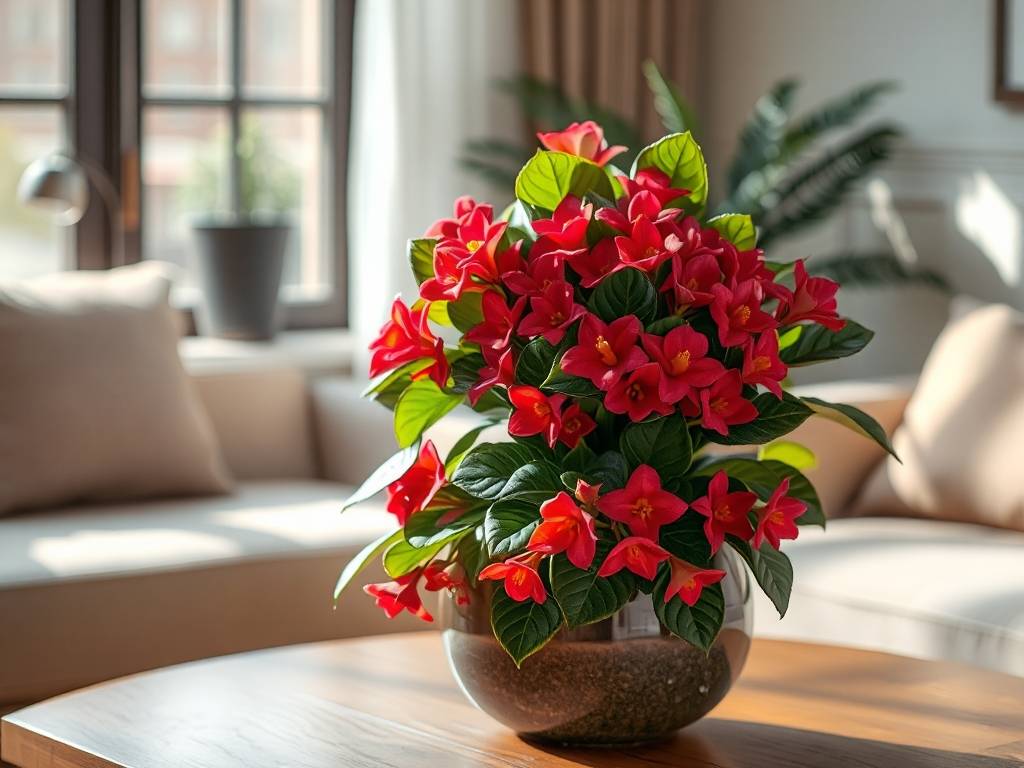
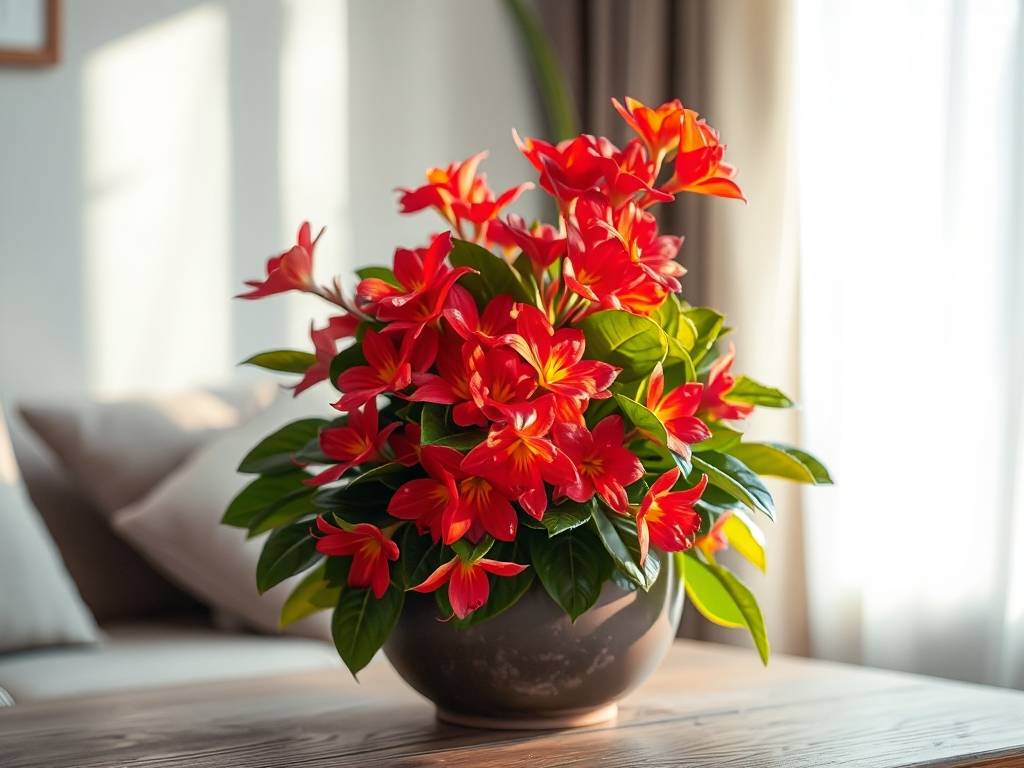
One of the most appealing features of kalanchoe is its flowering period, which typically spans from late winter through spring, often lasting 6-8 weeks or longer with proper care. The flowers come in a stunning array of colors, including vibrant reds, pinks, oranges, yellows, purples, and whites, often with multiple blooms clustered at the ends of sturdy stems.
As succulents, kalanchoes store water in their thick, fleshy leaves, making them naturally drought-tolerant. This adaptation also means they have specific requirements when it comes to watering and soil conditions, which we'll explore in detail throughout this guide.
## Light Requirements: Harnessing the Power of Warm Light
Kalanchoes thrive in bright, indirect light that mimics the warm, filtered sunlight of their native habitat. Understanding their light needs is crucial for both healthy growth and prolific flowering.
### Ideal Lighting Conditions
These plants prefer a location that receives 4-6 hours of bright, indirect sunlight each day. A south-facing or west-facing window is often ideal, as these positions provide the warm light kalanchoes crave without the intense midday sun that can scorch their leaves.
If you don't have access to such a window, you can supplement natural light with artificial grow lights. LED grow lights are an excellent choice, as they provide the appropriate spectrum of light without generating excessive heat. Position the lights 12-18 inches above the plants and keep them on for 12-14 hours a day.
### Avoiding Light Extremes
While kalanchoes need plenty of light, direct, intense sunlight—especially during the hottest part of the day—can cause their leaves to develop sunburn spots or turn yellow. If you notice these signs, move the plant slightly away from the window or use a sheer curtain to filter the light.
On the opposite end of the spectrum, insufficient light will result in leggy growth, where the stems become elongated and weak as the plant stretches toward the light source. Flower production will also decrease significantly in low-light conditions. If your kalanchoe isn't blooming as expected, inadequate light is often the primary culprit.
## Temperature Considerations: Warmth Without Extremes
Kalanchoes flourish in moderate temperatures that align with typical indoor comfort levels, but they are sensitive to both cold and excessive heat.
### Optimal Temperature Range
The ideal temperature range for kalanchoes is between 60-85°F (15-29°C) during the day. At night, they prefer slightly cooler temperatures, around 55-65°F (13-18°C). These temperature fluctuations can actually encourage better flowering.
Most homes naturally maintain these temperature ranges, making kalanchoes excellent houseplants. They adapt well to the consistent conditions found in indoor environments, as long as they're protected from drafts and extreme temperature changes.
### Protecting Against Cold
As mentioned, kalanchoes are intolerant of severe cold. Temperatures below 50°F (10°C) can cause damage to the plant, including leaf drop and stunted growth. Freezing temperatures will almost certainly kill the plant.
To protect your kalanchoe from cold:
- Keep it away from drafty windows and doors during winter months
- Avoid placing it near air conditioning vents that blow cold air
- Move it away from windows at night during cold weather
- Never place it in a room that isn't heated during winter
### Avoiding Excessive Heat
While kalanchoes enjoy warmth, temperatures above 90°F (32°C) can cause stress. High heat often leads to increased water loss and can scorch leaves if combined with direct sunlight.
Protect your plant from excessive heat by:
- Keeping it away from radiators, heating vents, and fireplaces
- Moving it to a cooler location during heatwaves
- Ensuring good air circulation around the plant
## Watering Practices: Balancing Drought Tolerance and Moisture Needs
Proper watering is perhaps the most critical aspect of kalanchoe care. As succulents, they are adapted to survive periods of drought, but this doesn't mean they should be neglected. The key is to find the right balance between underwatering and overwatering.
### The "Soak and Dry" Method
The optimal watering technique for kalanchoes is the "soak and dry" method, which mimics their natural environment where periods of rain are followed by dry conditions.
To implement this method:
1. Check if the soil is completely dry by inserting your finger 1-2 inches into the soil. If it feels dry, it's time to water.
2. Water the plant thoroughly until water drains out of the bottom of the pot.
3. Allow the soil to dry out completely before watering again.
This approach prevents the root rot that can occur when the plant sits in soggy soil, while ensuring the roots receive adequate moisture when needed.
### Frequency of Watering
The frequency of watering will vary depending on factors like temperature, light levels, and humidity, but generally:
- During the growing season (spring and summer), you'll likely water every 1-2 weeks
- During the dormant period (fall and winter), reduce watering to every 3-4 weeks
Always let the soil's dryness be your guide rather than sticking rigidly to a schedule.
### Avoiding Overwatering
Overwatering is the most common cause of problems with kalanchoes. Signs of overwatering include:
- Yellow, mushy leaves
- Soft, rotting stems
- Foul odor from the soil
- Mold growth on the soil surface
If you suspect overwatering, stop watering immediately and check the roots. If they are brown and mushy, you may need to repot the plant in fresh, dry soil, trimming away any damaged roots.
### Watering Techniques
When watering your kalanchoe:
- Use room temperature water to avoid shocking the roots
- Water at the base of the plant rather than overhead to prevent leaf rot
- Ensure excess water can drain freely by using a pot with drainage holes
- Empty the saucer beneath the pot after watering to prevent the plant from sitting in water
## Soil and Potting: Creating the Perfect Growing Medium
Kalanchoes require well-draining soil to prevent water from accumulating around their roots. The right soil mixture and pot selection are essential for their health.
### Ideal Soil Composition
A good soil mixture for kalanchoes should be porous and fast-draining. You can create your own by combining:
- 2 parts cactus or succulent potting mix
- 1 part perlite or pumice
- 1 part coarse sand
This combination allows water to flow through easily while providing some moisture retention and nutrients. Alternatively, you can purchase a commercial cactus and succulent mix, which is specifically formulated for plants with similar needs.
### Pot Selection
When choosing a pot for your kalanchoe:
- Select a container with drainage holes to prevent waterlogging
- Choose a pot that is only slightly larger than the plant's root ball (kalanchoes prefer to be somewhat root-bound)
- Consider using a terra cotta pot, which is porous and helps wick excess moisture away from the soil
### Repotting Guidelines
Kalanchoes don't need frequent repotting. They typically only need to be repotted every 2-3 years, or when they become severely root-bound (roots growing out of the drainage holes or circling the bottom of the pot).
The best time to repot is in spring, at the beginning of the growing season. When repotting:
- Gently remove the plant from its current pot
- Inspect the roots and trim any that are dead or rotting
- Place the plant in the new pot with fresh soil, ensuring it's at the same depth as before
- Water lightly after repotting and then wait until the soil dries out before watering again
## Fertilizing: Providing Nutrients for Growth and Blooms
While kalanchoes aren't heavy feeders, they do benefit from occasional fertilization during their active growing period.
### When to Fertilize
Fertilize your kalanchoe during the spring and summer months when the plant is actively growing. Stop fertilizing in fall and winter when growth slows down.
### Choosing the Right Fertilizer
A balanced, water-soluble fertilizer formulated for succulents or cacti is ideal. Look for a fertilizer with an N-P-K ratio (nitrogen, phosphorus, potassium) of 20-20-20 or 10-10-10. Alternatively, you can use a fertilizer higher in phosphorus (the middle number) to encourage more blooms.
### Fertilizing Technique
Dilute the fertilizer to half the strength recommended on the package to avoid burning the plant's roots. Apply the diluted fertilizer every 2-4 weeks during the growing season, watering the plant first if the soil is dry.
Never fertilize a stressed plant (one that is wilted, diseased, or recently repotted).
## Encouraging Reblooming: Extending the Flowering Period
One of the most desirable features of kalanchoes is their long flowering period, but many growers struggle to get their plants to bloom again after the initial display. With the right conditions, you can encourage your kalanchoe to rebloom year after year.
### Understanding the Bloom Cycle
Kalanchoes are photoperiodic plants, meaning their flowering is influenced by the length of daylight hours. They typically bloom in response to shorter days and longer nights, which is why their natural blooming period is in late winter and spring.
### Light Manipulation for Reblooming
To encourage your kalanchoe to rebloom:
1. After the initial bloom fades, reduce the amount of light the plant receives to 10-12 hours per day.
2. For the remaining 12-14 hours, keep the plant in complete darkness. This can be achieved by placing it in a closet or covering it with a lightproof bag.
3. Maintain this light schedule for 6-8 weeks.
4. Resume normal lighting conditions, and blooms should begin to form within a few weeks.
### Post-Bloom Care
When the flowers fade, remove the spent flower stalks by cutting them back to the base of the plant. This encourages the plant to put energy into new growth rather than seed production. Continue regular care, and with the right light manipulation, your kalanchoe should bloom again.
## Pruning and Maintenance: Keeping Your Kalanchoe Healthy and Attractive
Regular pruning helps maintain the shape of your kalanchoe and promotes bushier growth.
### When to Prune
The best time to prune is after the flowering period has ended. This gives the plant plenty of time to recover and produce new growth before the next blooming cycle.
### Pruning Techniques
- Remove any dead or yellowing leaves as they appear
- Trim back leggy stems to encourage bushier growth
- Cut back flower stalks after blooming, as mentioned above
- Use clean, sharp scissors or pruning shears to avoid damaging the plant or spreading disease
### Cleaning the Plant
Dust can accumulate on kalanchoe leaves, blocking light absorption and making the plant look less attractive. Wipe the leaves gently with a damp cloth occasionally to keep them clean and healthy.
## Common Pests and Diseases: Prevention and Treatment
Kalanchoes are relatively pest-resistant, but they can occasionally be affected by common houseplant pests. Being vigilant and addressing issues early is key to keeping your plant healthy.
### Common Pests
- **Mealybugs**: These small, white, cottony insects often cluster in leaf axils and on the undersides of leaves. They suck sap from the plant, causing weakness and stunted growth. Treat by removing them with a cotton swab dipped in rubbing alcohol, or use insecticidal soap.
- **Aphids**: Tiny green, black, or brown insects that also feed on plant sap. They can be treated similarly to mealybugs—with insecticidal soap or a strong stream of water to dislodge them.
- **Spider mites**: These microscopic pests cause yellow stippling on leaves and may produce fine webbing. Increase humidity around the plant and treat with insecticidal soap or neem oil.
### Diseases
Most diseases affecting kalanchoes are related to overwatering and poor drainage:
- **Root rot**: Caused by excessive moisture around the roots. Prevent by using well-draining soil and avoiding overwatering. If root rot occurs, repot the plant in fresh soil, removing any damaged roots.
- **Leaf spot**: Fungal or bacterial diseases that cause spots on leaves. Avoid overhead watering and ensure good air circulation. Remove affected leaves and treat with a fungicide if necessary.
## Propagation: Growing New Kalanchoes from Your Existing Plant
Kalanchoes are relatively easy to propagate, making it simple to expand your collection or share plants with friends.
### Propagation from Stem Cuttings
1. Take a 3-4 inch cutting from a healthy stem, using clean, sharp scissors.
2. Allow the cutting to dry for 1-2 days, until the cut end forms a callus.
3. Plant the cutting in a well-draining soil mixture.
4. Water lightly and place in bright, indirect light.
5. Keep the soil slightly moist until new growth appears, then switch to the soak and dry method.
### Propagation from Leaf Cuttings
1. Gently remove a healthy leaf from the plant, ensuring the entire leaf is intact.
2. Allow the leaf to dry for a day or two.
3. Lay the leaf on top of well-draining soil, pressing it lightly into the surface.
4. Keep the soil slightly moist and in bright, indirect light.
5. New plants will begin to form at the base of the leaf in a few weeks.
## Troubleshooting Common Issues
Even with the best care, you may encounter problems with your kalanchoe. Here are some common issues and their solutions:
- **Yellow leaves**: Usually a sign of overwatering. Reduce watering and ensure proper drainage.
- **Leggy growth**: Caused by insufficient light. Move the plant to a brighter location.
- **No blooms**: Could be due to insufficient light, improper light cycles, or lack of nutrients. Try the light manipulation technique and ensure proper fertilization.
- **Wilting**: Can be a sign of either overwatering or underwatering. Check the soil moisture to determine which issue you're dealing with.
- **Leaf drop**: May occur due to temperature fluctuations, drafts, or overwatering. Ensure consistent temperatures and proper watering.
## Decorative Uses: Incorporating Kalanchoe into Your Home
Kalanchoes aren't just easy to care for—they're also versatile decorative plants that can enhance various spaces in your home.
- **Kitchen windowsills**: The bright light often found here is perfect for kalanchoes, and their vibrant blooms add a cheerful touch to cooking spaces.
- **Living room displays**: Kalanchoes make excellent additions to coffee tables, mantles, or bookshelves, especially when in bloom.
- **Office spaces**: Their low-maintenance nature and ability to thrive in artificial light make them ideal for offices.
- **Gift plants**: Kalanchoes are popular gifts for birthdays, holidays, or housewarmings, thanks to their beautiful blooms and easy care requirements.
- **Mixed arrangements**: Combine kalanchoes with other succulents in decorative containers for an attractive, low-maintenance display.
## Conclusion: Enjoying the Beauty of Kalanchoe Year-Round
With their stunning, long-lasting blooms and straightforward care requirements, kalanchoes are excellent choices for both novice and experienced indoor gardeners. By providing the right conditions—bright, indirect light, moderate temperatures, well-draining soil, and careful watering—you can enjoy these beautiful plants for years to come.
Remember, the key to successful kalanchoe care is understanding their succulent nature: they prefer to be slightly underwatered rather than overwatered, thrive in warm light, and need protection from cold and excessive moisture. By following the guidelines in this comprehensive guide, you'll be well on your way to growing healthy, vibrant kalanchoes that bring color and life to your indoor spaces, particularly during the winter and spring months when their blooms are most appreciated.