bluename
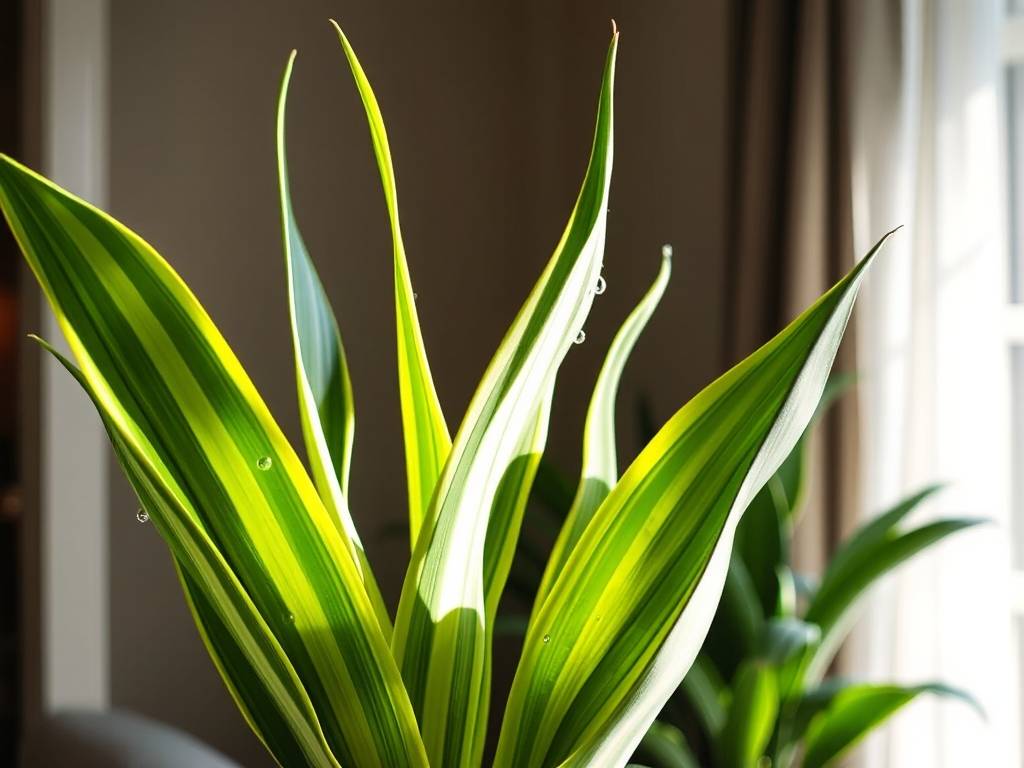
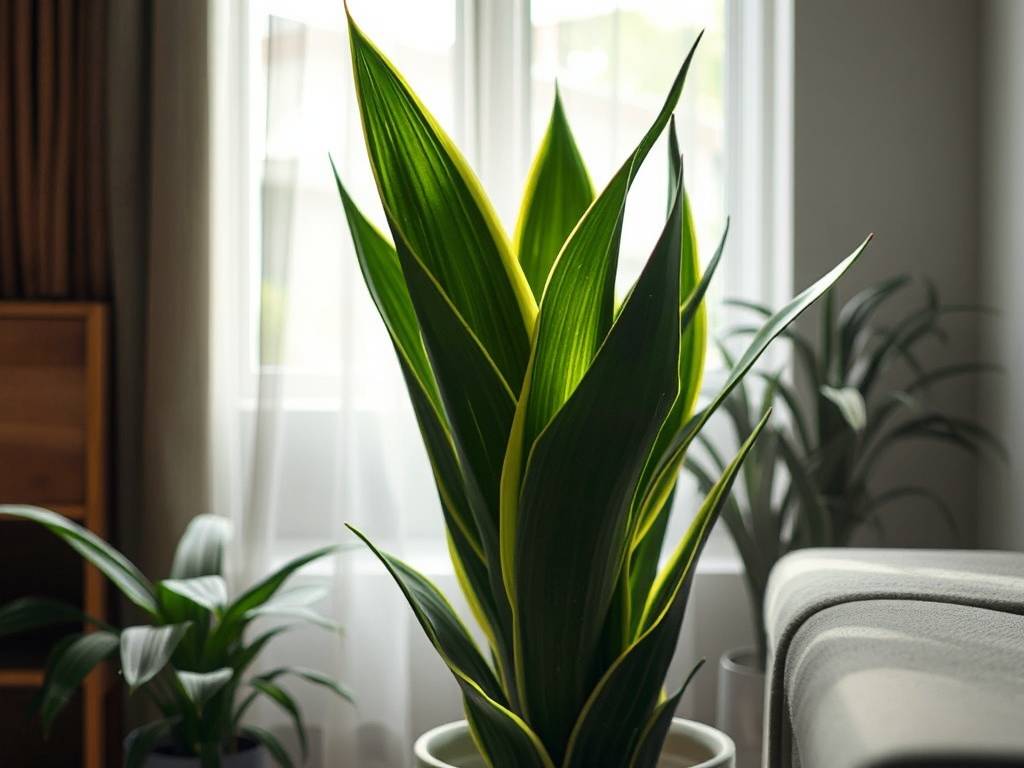
 # How to Grow Snake Plant (Sansevieria) Indoors: Foliage观赏, Striped Leaves, Drought-Tolerant, Shade-Tolerant & Powerful Air Purification The Snake Plant (scientific name: *Sansevieria trifasciata*), also known as Mother-in-Law’s Tongue, is a "lazy-friendly" star among indoor foliage plants. It has become a popular choice thanks to its unique striped leaves (such as golden-edged or silver-veined patterns), exceptional drought and shade tolerance, and outstanding air-purifying abilities (capable of absorbing harmful gases like formaldehyde and benzene). Below is a detailed guide on growing Snake Plants indoors, covering **core basic care (tailored to its drought and shade tolerance)**, **tips for maintaining foliage and leaf stripes**, **maximizing air purification efficiency**, and **solutions to common problems**, ensuring the plant has upright leaves and clear, vibrant stripes. ## I. Basic Care: Focus on the Core of "Drought & Shade Tolerance" and Avoid 3 Common Mistakes Native to arid grasslands in Africa, the Snake Plant has succulent roots that tolerate drought, leaves with strong water storage capacity, and adaptability to low-light environments. However, beginners often cause root rot or leaf spots due to "overwatering" or "excessive direct sunlight". Key attention should be paid to three factors: **watering, light, and soil/pots**. ### 1. Watering: "Keep It Dry Rather Than Wet; Avoid Waterlogging in the Pot" (Core of Drought Tolerance) The biggest threat to Snake Plants is **root rot from waterlogging**. Their leaves and roots can store large amounts of water, so they won’t wither even if not watered for 1-2 weeks. Frequent watering, on the other hand, easily leads to root rot. - **Judging When to Water**: Water only when the potting soil is **completely dry** (key criteria: the soil 3-5 cm below the surface is dry, the pot feels light, or the leaves are slightly wrinkled. Avoid watering based on "instinct"). - **Watering Method**: Pour water slowly along the edge of the pot until a small amount of water flows out of the drainage holes at the bottom (avoid "soaking thoroughly", especially for deep pots where the bottom soil is prone to waterlogging). **Never pour water directly into the leaf center**—water trapped in the leaf rosette can cause rot (known as "heart rot"). If water accidentally gets into the center, blot it dry with a paper towel immediately. - **Seasonal Adjustments**: - Spring & Autumn (growing seasons, 15-25℃): Water once every 10-15 days; - Summer (high temperatures above 30℃): Evaporation speeds up, so water once every 7-10 days, but place the plant in a well-ventilated area to prevent dampness; - Winter (low temperatures below 10℃): The plant enters semi-dormancy; water only once a month (use water close to room temperature to avoid shocking the roots). ### 2. Light: "Tolerates Shade & Adaptable to Light; Avoid Intense Direct Sunlight" (Shade Tolerance Trait) Snake Plants are highly adaptable to light, surviving in both scattered light and low-light conditions. However, long-term lack of light causes leaf stripes to fade and excessive growth (slender, limp leaves), while intense sunlight burns the leaves. - **Optimal Placement**: - First Choice: Next to the living room sofa, beside a study bookshelf, or inside a bedroom windowsill (1-3 hours of scattered light daily to keep stripes sharp); - Second Choice: Bathrooms (with windows) or corridor corners (low-light environments). In such cases, move the plant to a scattered light area for supplementary lighting once every 1-2 months to prevent stripe fading. - **Taboos**: Avoid direct midday sunlight in summer (leaves will develop irreversible brown sunspots) and prolonged placement in completely dark corners (leaves gradually lose luster). ### 3. Soil & Pots: "Good Drainage & Aeration Are Key; Avoid Deep or Oversized Pots" Snake Plants have succulent roots that fear waterlogging, so the "drainage performance" of soil and pots directly determines their survival. - **Soil Selection**: Use "highly porous, well-draining sandy soil". Beginners can directly purchase "special nutrient soil for Snake Plants", or make a homemade mix (3 parts leaf mold + 2 parts garden soil + 3 parts river sand/perlite + 1 part decomposed sheep manure). Mix thoroughly and disinfect by sun-drying. Avoid heavy, clayey garden soil (prone to compaction and waterlogging). - **Pot Selection**: - Material: Prioritize terracotta pots or coarse ceramic pots (excellent drainage and aeration) or plastic pots with multiple drainage holes (lightweight). **Never use decorative pots without drainage holes** (unless using them as outer cache pots with a drainage-hole inner pot). - Size & Depth: The pot diameter should be 2-3 cm larger than the plant’s canopy (e.g., a 15 cm pot for single young seedlings, a 20 cm pot for 3-5 clustered plants). The depth should be such that after the roots spread out, the soil covers the top of the roots by 2-3 cm. **Avoid deep pots**—the bottom soil dries slowly and easily causes root rot. ## II. Foliage & Stripe Maintenance: Keep Leaves Upright & Stripes Clear; Prevent "Excessive Growth & Fading" The main ornamental value of Snake Plants lies in their "upright, rigid leaves and clear stripes". During care, focus on preventing excessive leaf growth, stripe fading, and physical damage. ### 1. Control Excessive Growth: Ensure Sufficient Light & Minimize Fertilizer - Light for Growth Control: Provide at least 10-15 hours of scattered light monthly (e.g., move to a windowsill 2-3 times a week for 1-2 hours each time, avoiding midday sun). This keeps leaves thick and upright, preventing slenderness and limpness. - Fertilizer for Growth Control: Snake Plants have low fertilizer requirements. Excessive fertilization (especially nitrogen) causes excessive growth. During the spring and autumn growing seasons, apply a "balanced N-P-K compound fertilizer" (e.g., 1:1:1 ratio) once a month, diluted to half the concentration recommended on the product label. Stop fertilizing in high summer temperatures and low winter temperatures. ### 2. Protect Stripes: Avoid Light Deficiency & Minimize Leaf Contact - Causes of Stripe Fading: Long-term low light (affects chlorophyll synthesis, "diluting" stripes) and dust accumulation on leaves (obscures stripes and reduces aesthetics). - Solutions: - Regular Supplementary Light: Move the plant to a scattered light area for 3-5 days every 2-3 weeks to enhance stripe vibrancy (e.g., golden-edged Snake Plants may have narrower golden edges if deprived of light); - Leaf Cleaning: Wipe the leaf surface gently with a damp cloth (wrung out to avoid excess water) once a month to remove dust. Avoid rinsing leaves with water to prevent water from collecting in the leaf center. ### 3. Prevent Damage: Avoid Leaf Breakage & Heart Rot - Placement to Prevent Breakage: Snake Plant leaves are hard but brittle. Avoid placing the plant in high-traffic areas (e.g., near doorways or sofa arms). If a leaf breaks, trim the broken part (make a smooth cut) to prevent wound infection. - Watering to Prevent Heart Rot: Keep water away from the leaf center (especially for clustered varieties, where water easily accumulates in the rosette). If water gets into the center, blot it dry with a cotton swab immediately. For leaves with rot in the center, cut them off completely at the base to prevent the rot from spreading. ## III. Maximize Air Purification: Coordinate Placement & Care to Boost Efficiency Snake Plants are NASA-recommended "high-efficiency air-purifying plants". They absorb carbon dioxide and release oxygen at night, while also absorbing harmful gases like formaldehyde, benzene, and trichloroethylene. To maximize their purification effect, pay attention to placement and plant health. ### 1. Placement Tips: Target Polluted Areas - Newly Renovated Rooms: Place 1 plant (mature, over 50 cm tall) per 10-15 square meters. Focus on areas with high formaldehyde accumulation, such as beside wardrobes or bedside tables. Combine with window ventilation (open windows during the day, rely on Snake Plants for auxiliary purification at night). - Bedrooms: Place 1-2 small to medium-sized Snake Plants (30-40 cm tall). They do not compete with humans for oxygen at night and improve sleep quality (avoid overcrowding to save space). - Living Rooms/Studies: Place 1 large clustered plant (5-8 leaves). It serves as decoration while covering air purification needs for larger spaces. ### 2. Care Coordination: Keep the Plant Healthy for Stronger Purification - Timely Pruning: Trim yellow, diseased, or withered leaves (avoids nutrient waste and allows healthy leaves to function more efficiently); - Regular Repotting: Repot once every 2-3 years (in spring). Replace old soil (which depletes nutrients and compacts over time). During repotting, divide clustered plants to provide sufficient growth space, enhancing purification ability. ## IV. Solutions to Common Problems: Yellow Leaves, Root Rot, or Leaf Spots? Address Them Targetedly ### 1. Yellow Leaves: Identify Causes by Type | Type of Yellow Leaves | Possible Causes | Solutions | |------------------------------|-----------------------------------|-------------------------------------------| | Yellow, soft leaves at the base | Overwatering leading to root rot | Remove the plant from the pot, trim rotten roots, repot with dry soil, and pause watering for 1-2 weeks | | Yellow, dry leaf tips | Dry air or excessive fertilization | Trim dry tips, flush the soil with water to dilute excess fertilizer, and spray water around the plant (not on leaves) daily to increase humidity | | Overall yellow, dull leaves | Long-term light deficiency or cold damage (below 5℃) | Move to a scattered light area, maintain temperatures above 10℃, and trim fully yellowed leaves | ### 2. Root Rot: Stop Damage in Time (Most Common Issue) - Symptoms: Leaves suddenly droop, the base rots and emits a foul odor. When removed from the pot, roots appear brown and mushy (healthy roots are white and firm). - Treatment Steps: 1. Remove & Clean: Gently remove the plant from the pot, rinse the roots with water, and clear away rotten parts (if all roots are rotten, keep healthy leaves for propagation via cuttings); 2. Disinfect & Trim: Use disinfected scissors (wiped with alcohol) to cut off all rotten roots. Soak the roots/leaf bases in a "carbendazim solution" (1:1000 ratio) for 20 minutes, then take them out and dry for 1 day (drying is essential to prevent re-rot); 3. Repot: Repot with fresh sandy soil (fill the pot to only half its height—do not overfill). Do not water after repotting. Place in a well-ventilated, scattered light area and water sparingly after 1 week. ### 3. Leaf Spots (Disease/Insect-Related) - Disease Spots (brown circular spots that expand gradually): Mostly fungal diseases (e.g., leaf spot disease), caused by damp environments and poor ventilation. - Solution: Trim leaves with spots, spray the foliage and soil surface with a "thiophanate-methyl solution" (1:800 ratio) once every 7 days for 2-3 consecutive weeks. Improve ventilation simultaneously. - Insect Spots (white dots, sticky residue on leaves): Mostly scale insects (attached to the undersides of leaves), caused by stuffy, hot conditions. - Solution: Wipe off insects with a cotton swab dipped in alcohol, or spray with an "imidacloprid solution" (1:1000 ratio) once a week for 2 consecutive weeks. ## V. Propagation Tips: Easily Expand Your Collection—One Plant Becomes Many Snake Plants are easy to propagate. Beginners can use "division" or "leaf cuttings" to expand their collection, with spring and autumn (15-25℃) being the best seasons. - **Division Propagation** (suitable for clustered varieties, 100% success rate): 1. After removing the plant from the pot, gently separate the clustered plants by hand (or cut with a knife), ensuring each cluster has 2-3 leaves and a complete root system; 2. Apply carbendazim to the cut surfaces, let dry for 1 hour, then plant each cluster in a small pot (with sandy soil). Water sparingly to settle the soil and place in a scattered light area to acclimate for 1 week. - **Leaf Cutting Propagation** (suitable for single-leaf varieties; note: golden-edged Snake Plants may lose their golden edges after cutting): 1. Cut a healthy leaf into 10-15 cm segments, marking the top of each segment (to avoid planting upside down); 2. Let the cut surfaces dry for 2-3 days, then insert each segment into sandy soil (3-5 cm deep). Keep the soil slightly moist, place in a well-ventilated, scattered light area, and roots will form in 1-2 months. As long as you remember the core principles of "water sparingly, avoid waterlogging, and provide scattered light", your Snake Plant will maintain an attractive appearance with upright leaves and clear stripes for a long time. It decorates your space while purifying the air—even beginners can grow it easily!