bluename
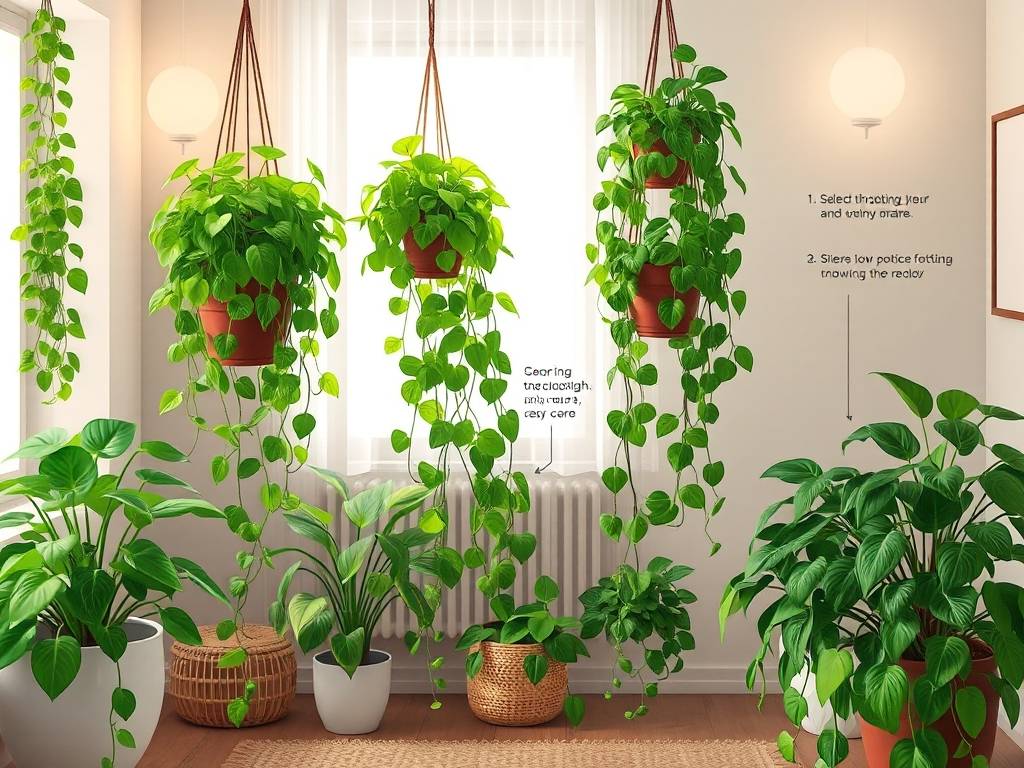
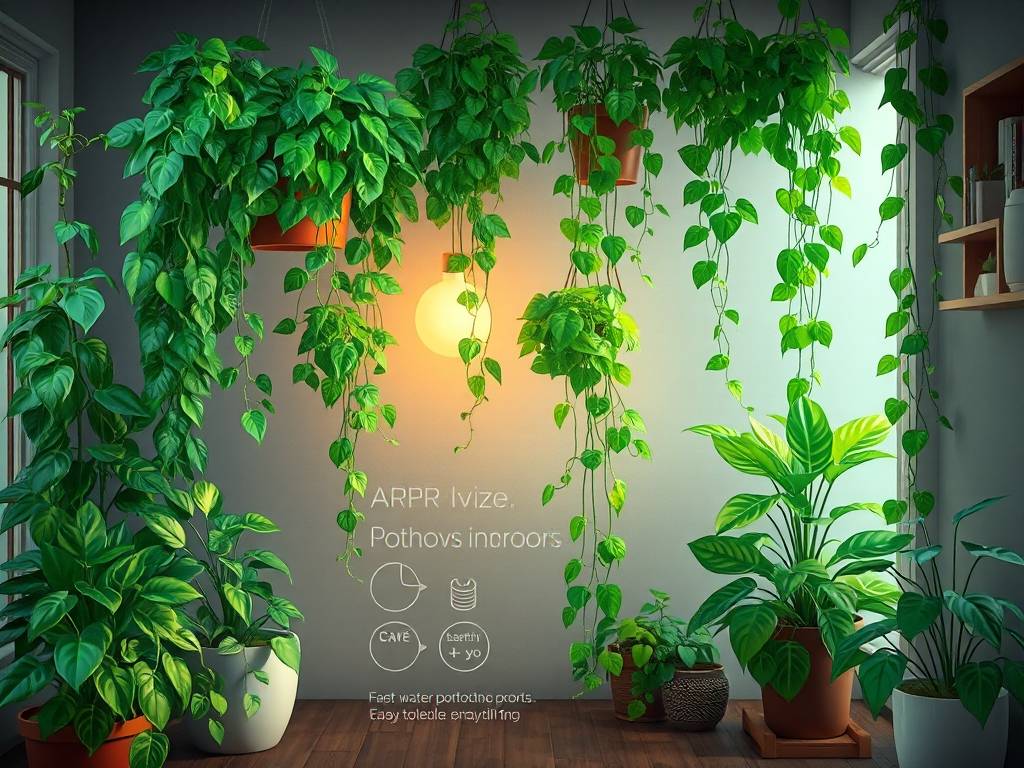
 How to Grow Pothos Indoors: Foliage, Hanging Capability, Shade Tolerance, Easy Care & Formaldehyde Absorption As a classic indoor foliage plant, pothos combines ornamental hanging features, shade tolerance, easy maintenance, and the ability to assist in air purification (such as absorbing some formaldehyde), making it the top choice for novice gardeners. Below is a detailed guide on growing pothos indoors from three aspects: **core points of basic care**, **hanging shaping techniques**, and **solutions to common problems**, ensuring its leaves remain lush green and vines grow long. ## I. Basic Care: Focus on the Core of "Shade-Tolerant and Easy to Grow" and Avoid 3 Common Care Mistakes Pothos has strong adaptability to the environment, but to keep its leaves shiny and free from yellowing, it is crucial to control three key factors: "light, watering, and soil/pot", and avoid common mistakes made by beginners. ### 1. Light: "Tolerates Shade but Not Extreme Darkness; Avoids Direct Strong Light" Pothos originates from the lower layer of tropical rainforests and prefers an **environment with scattered light**. It is a typical "shade-tolerant plant", but long-term lack of light will cause its leaves to thin, turn yellow, and its vines to grow excessively (with longer internodes and sparse leaves). - **Optimal Location**: Place it in the scattered light area near windows indoors (such as beside the living room window, in the corner of a study, or inside the balcony), and avoid direct sunlight on the leaves (especially at noon in summer, as strong light can burn the leaves and cause brown spots). - **Special Scenarios**: If placed in a location with extremely weak light (such as a bathroom or a corridor without windows), it is recommended to move it to a place with scattered light for supplementary lighting once every 2-3 weeks, for 3-5 days each time, to prevent leaf chlorosis. ### 2. Watering: "Water When the Soil Surface Dries; Avoid Waterlogging in the Pot" Pothos likes moisture but is afraid of waterlogging. Over-watering is the most common cause of root rot and leaf yellowing. It is necessary to follow the principle of "watering only when the soil surface is dry, and watering thoroughly when doing so". - **Judging the Timing for Watering**: Insert your finger 1-2 centimeters into the potting soil. Water only when the soil feels dry and has no moisture. Alternatively, observe the bottom of the pot—if the soil at the bottom of the pot turns white and the pot becomes lighter, it is also necessary to replenish water. - **Watering Method**: Water slowly along the edge of the pot until water flows out of the drainage holes at the bottom of the pot (to ensure the roots absorb water sufficiently). Avoid "half-watering" (only wetting the surface soil while the roots are still short of water). After watering, promptly pour out the excess water in the saucer to prevent the roots from being soaked in water for a long time. - **Humidity Adjustment**: In dry seasons (such as when the heater is on in winter or the air conditioner is on in summer), the leaf tips are prone to drying out. You can spray water on the leaves with a sprayer once a day (the water temperature should be close to room temperature to avoid stimulating the leaves), or place a basin of clear water next to the pot to increase the local air humidity. ### 3. Soil and Pot: "Good Drainage and Aeration Are Key; Choose the Right Pot Size" - **Soil Selection**: Prioritize "loose, well-aerated, water-retentive, slightly acidic soil". Beginners can directly purchase ready-made "special nutrient soil for pothos", or make it themselves (formula: 4 parts leaf mold + 2 parts garden soil + 2 parts river sand + 1 part decomposed organic fertilizer, mixed and disinfected before use). Avoid using heavy and sticky soil (which is prone to compaction and root rot). - **Pot Selection**: - Material: Terracotta pots and purple clay pots are recommended (good aeration), or plastic pots with drainage holes (lightweight and affordable). **Drainage holes are a must** (to prevent waterlogging). - Size: The diameter of the pot should be 2-3 centimeters larger than the root crown of the pothos (for example, use a 15-20 centimeter pot for young seedlings and a 20-25 centimeter pot for mature plants). Avoid using overly large pots (the soil is prone to waterlogging and dries slowly, leading to root rot). ## II. Hanging Shaping: Let the Vines Hang Naturally to Create a "Green Waterfall" The vines of pothos can hang down naturally, making it suitable for placement at high positions (such as the top of a bookshelf, a hanging flower stand, or a window hook) to create a hanging landscape. The key is to "guide the growth of the vines + control excessive growth". ### 1. Selection of Hanging Location - Height: Ensure that the bottom of the hanging vines does not touch the ground (to prevent the leaves from rotting due to contact with soil). The hanging height is generally 1.5-2 meters (such as hanging above the living room TV wall or on the ceiling hook of the balcony). - Light: The hanging location still needs to meet the requirement of "scattered light" to avoid excessive growth of the vines (longer internodes and smaller leaves) due to long-term darkness. ### 2. Vine Guidance and Pruning - Promoting Vine Growth for Young Seedlings: For newly bought young seedlings (with short vines), first keep them in a short pot for 1-2 months. Wait until the vines grow to more than 30 centimeters before changing to a hanging pot. During this period, maintain sufficient scattered light and properly apply nitrogen fertilizer (to promote vine growth). - Pruning for Shaping: If the vines are too long and messy, cut off the old and yellowed branches as well as the overly dense side branches, and keep the healthy main vines. After pruning, apply carbendazim to the wounds (to prevent infection). Later, more new leaves will germinate, making the hanging shape fuller. - Avoiding Tangling: If the vines become tangled, gently separate them in a timely manner to allow each vine to hang naturally and maintain a neat plant shape. ### 3. Key Care Points During the Hanging Period - Fertilization: During the peak growth seasons in spring and autumn (March-May, September-November), apply a "balanced compound fertilizer with nitrogen, phosphorus, and potassium" (such as a 1:1:1 ratio) once a month, or diluted special liquid fertilizer for pothos (follow the concentration in the instruction manual to avoid root burn). This promotes lush green leaves and strong vines. Stop fertilizing when the temperature is too high in summer (exceeding 30℃) and too low in winter (below 10℃). - Pot Rotation: Rotate the pot 180 degrees once every 2-3 weeks to ensure that all sides of the plant receive light evenly, preventing the vines from growing tilted to one side and affecting the beauty of the hanging shape. ## III. Solutions to Common Problems: Yellow Leaves, Root Rot, or Non-Climbing Vines? Address the Issues Targeted ### 1. Yellow Leaves: Identify the Causes Based on Different Types | Type of Yellow Leaves | Possible Causes | Solutions | |------------------------------|-----------------------------------|-------------------------------------------| | Entire leaves turn yellow and become soft | Over-watering leading to root rot | Take the plant out of the pot, cut off the rotten roots, replace with dry new soil, and reduce the frequency of watering | | Leaf tips dry and turn yellow | Dry air and excessive light | Spray water to increase humidity every day, move the plant to a place with scattered light, and cut off the dry tips | | Leaves turn yellow and thin | Long-term lack of light and fertilizer | Move the plant to a place with scattered light, and apply diluted liquid fertilizer once a week (for 2 consecutive times) | | Leaf edges turn yellow | Low-temperature damage (below 5℃) | Move the plant to a warm place (above 10℃) and cut off the leaves damaged by freezing | ### 2. Root Rot: Timely Damage Control Is Key - Symptoms: A large number of leaves suddenly turn yellow and become soft, the potting soil has an unusual smell, and after taking the plant out of the pot, the roots are brown and rotten (healthy roots are white or milky white). - Treatment Steps: 1. Take the plant out of the pot: Gently remove the potting soil, rinse the roots with clean water, and expose the rotten parts. 2. Trim the roots: Use disinfected scissors (wiped with alcohol) to cut off all rotten roots until healthy roots are exposed. 3. Disinfect: Soak the roots in a "carbendazim solution" (1:1000 ratio) for 15 minutes, then take them out and dry them for 1-2 hours. 4. Repot: Repot the plant with new loose soil, water thoroughly after repotting, and place it in a well-ventilated area with scattered light for 1-2 weeks to recover. Avoid fertilizing during this period. ### 3. Non-Climbing Vines and Short Vines: Promote Growth - Causes: Lack of light, lack of fertilizer, and inappropriate temperature (below 15℃ or above 30℃). - Solutions: Move the plant to a place with sufficient scattered light, apply high-nitrogen fertilizer (such as diluted urea solution with a ratio of 1:2000) once a month in spring and autumn, and maintain the temperature at 18-25℃ (the optimal growth temperature). The vines will then grow rapidly. ## IV. Bonus: Scientific Understanding of "Formaldehyde Absorption" Pothos can indeed absorb a small amount of formaldehyde through its leaves and roots and convert it into harmless substances. However, its **purification capacity is limited** and cannot replace professional air purifiers or ventilation. The core method for formaldehyde removal indoors is still "opening windows for ventilation". Pothos serves more as a "supplementary purification + decoration" role, and its purification function should not be over-relied on. As long as you master the core principles of "scattered light, watering when the soil surface is dry, and loose soil", pothos can maintain a beautiful state with lush green leaves and hanging vines for a long time, which is easy even for beginners to grow well!