bluename
 Peace Lily (Spathiphyllum) Care Tips for Indoor Growth: A Practical Guide to Nurturing This "Pure Beauty"
1. Light: Adapt to Its "Shade-Tolerant" Trait, Avoid Direct Intense Sunlight
Ideal Placement: Position it in areas with ample filtered light indoors, such as living room corners, beside study bookshelves, or on north-facing windowsills (or south-facing windowsills with two layers of glass). Avoid direct midday sun, especially in summer.
How to Judge Light Levels: Brown spots or withered edges on leaves indicate too much light; thin, pale leaves with no flower buds for a long time mean insufficient light—move it slightly closer to a window for more filtered light.
2. Watering: Leverage Its "Drought-Resistant" Advantage, Follow the "Water When Dry" Rule
When to Water: Touch the surface of the potting soil—water only if it feels dry and powdery, and the soil 2–3 cm below the surface is also dry. In summer, with fast evaporation, water every 5–7 days; in winter, with lower temperatures, water every 10–15 days. (Slight leaf wilting is a sign of water shortage—water promptly, no need to overreact.)
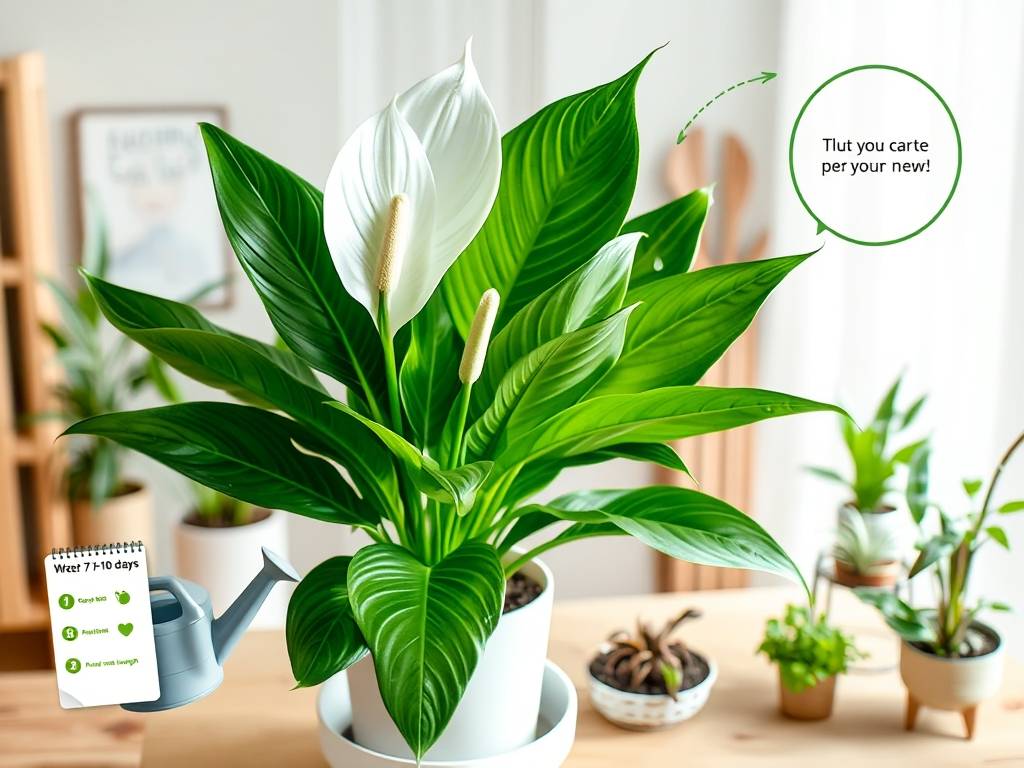

How to Water: Use a small-spouted watering can to pour water slowly along the edge of the pot until water drains from the bottom. Avoid pouring water directly onto the center of the leaves (prone to leaf rot). Occasionally, use the "bottom-watering method": submerge the pot in shallow water for 10 minutes to let the soil absorb water on its own, then take it out to drain—this mimics the moist conditions of its native habitat.
Water Quality: Prefer tap water left to stand for 1–2 days (to remove chlorine), rainwater, or purified water. Ensure the water temperature is close to room temperature (extreme temperature differences irritate the roots).
3. Temperature: Prefers Warm Environments, Guard Against Low-Temperature Frost Damage
Optimal Growth Temperature: 20–28℃ during the day and 15–18℃ at night. In this range, leaves stay lush and flowering is frequent. Sustained temperatures below 10℃ cause brown frost spots on leaves; temperatures below 5℃ may lead to root damage and plant wilting.
Seasonal Protection: In winter, move it to a warm spot away from windows, air conditioner vents, or radiators. If room temperature is too low, wrap the outside of the pot with a layer of insulation cotton (leave small gaps for ventilation). In summer, when temperatures exceed 30℃, mist the air around the plant to cool it down (do not mist the front of leaves to avoid disease from residual water droplets), and keep the area well-ventilated.
4. Fertilizing: Dilute and Apply Frequently, Adjust for Growth vs. Flowering Stages
Growth Stage (Spring and Autumn, no flower buds yet): Apply a balanced N-P-K liquid fertilizer (e.g., 1:1:1 ratio) every 2–3 weeks. Dilute it to half the recommended concentration (e.g., use 1600x dilution if the instructions suggest 800x). Pour it along the pot edge to supply nutrients for leaf growth.
Flowering Stage (From bud formation to flower wilting): Switch to a "high-phosphorus-potassium fertilizer" (e.g., potassium dihydrogen phosphate, 1:0:1 ratio). Apply the diluted fertilizer every 3–4 weeks to help buds stay plump and extend the flowering period. Stop fertilizing for 1 month after flowers wilt to let the plant rest.
Taboos: Do not fertilize when winter temperatures are below 15℃ or summer temperatures exceed 30℃. Avoid uncomposted organic fertilizers (e.g., directly pouring rice water—they ferment and burn roots).
5. Soil and Repotting: Ensure Good Drainage, Repot Every 1–2 Years
Recommended Soil: Mix "leaf mold + garden soil + perlite" in a 2:1:1 ratio, or directly buy all-purpose indoor foliage plant soil (add a small amount of composted sheep manure to boost fertility).
Repotting Timing: Repot in spring (March–April, when temperatures stabilize above 15℃) or 1 month after flowers wilt. If the plant grows vigorously and roots poke out from the pot’s drainage holes, repot promptly. Choose a pot only 1–2 sizes larger than the old one (avoid oversized pots that cause waterlogging).
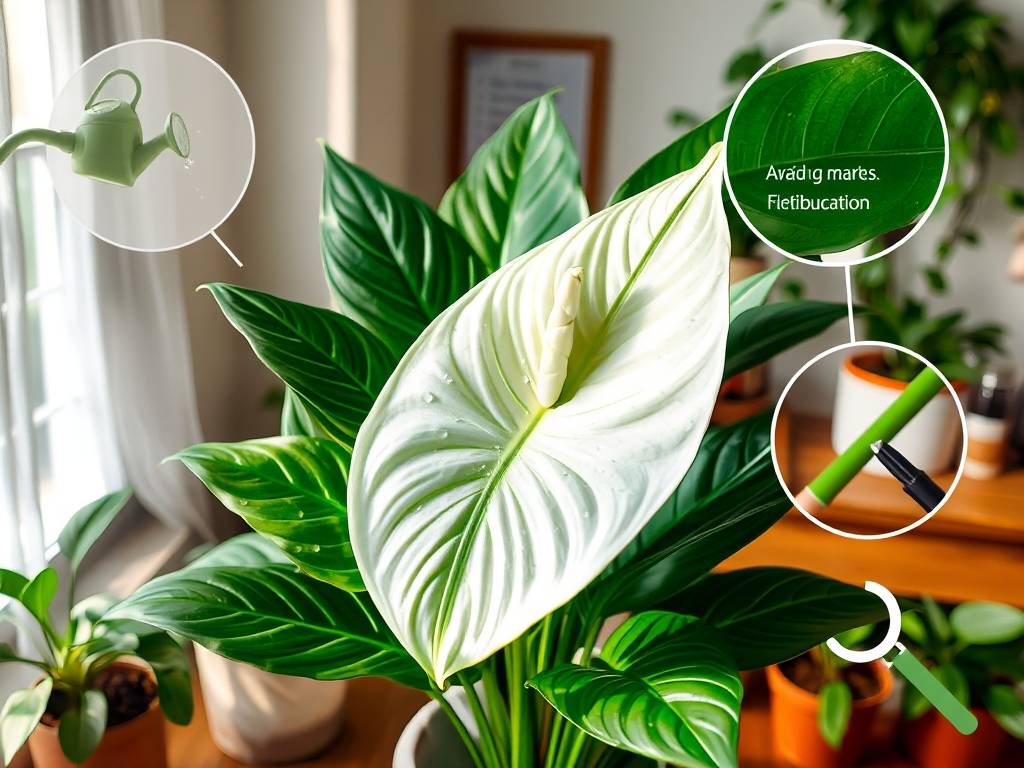
Repotting Steps: ① Gently tap the edge of the pot to remove the plant with its root ball; remove old, compacted soil from the bottom. ② Trim withered or rotten roots using sterilized scissors (apply fungicide to cuts). ③ Line the bottom of the new pot with 1–2 cm of ceramic shards or broken tiles for drainage; add new soil, place the plant in the pot, press the soil lightly, and water thoroughly (to settle the soil). Move it to a filtered light area to acclimate for 1 week.

6. Daily Care and Troubleshooting Common Issues
1. Leaf Cleaning and Humidity Adjustment
2. Solving Common Problems
Leaf Wilting: If leaves recover quickly after watering, the issue is water shortage. If wilting persists after watering, root rot from waterlogging may be the cause—remove the plant from the pot, check roots, trim rotten parts, and repot with new soil.
Bud Drop: Often caused by sudden temperature changes (e.g., direct AC drafts, cold wind from open windows) or inconsistent watering. Keep the environment temperature stable and follow the "water when dry" rule.
Yellow Leaves: Yellowing old leaves at the bottom are normal (natural renewal). Yellowing new leaves may result from overwatering (moist soil) or excessive fertilization—reduce watering, stop fertilizing, and repot if the problem is severe.