bluename
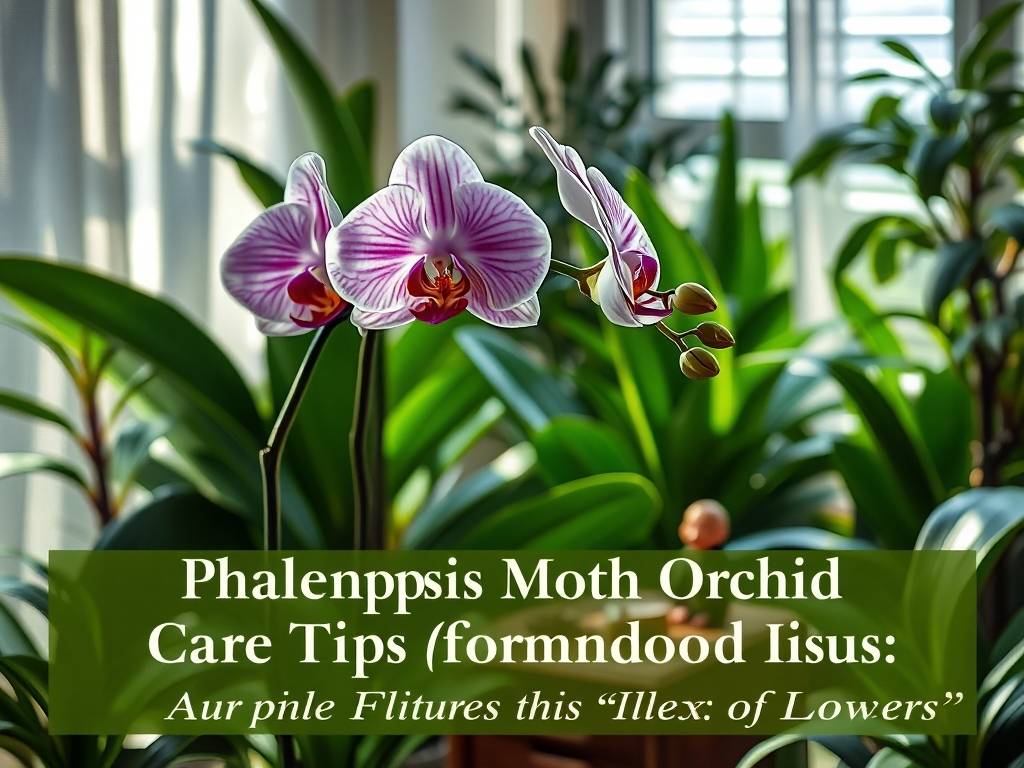
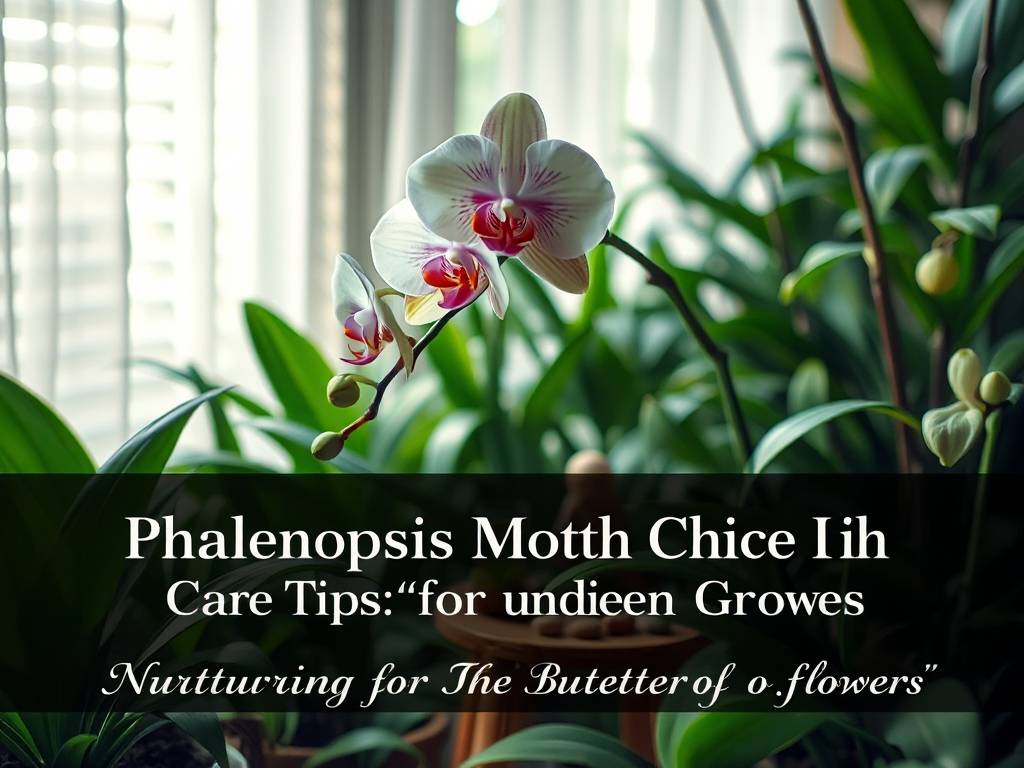
 Phalaenopsis (Moth Orchid) Care Tips for Indoor Growth: Nurturing the "Butterfly of Flowers" Phalaenopsis, known for its blooms that resemble fluttering butterflies, is a popular indoor flowering plant. Successful care revolves around its key requirement—**filtered light**—complemented by precise watering, fertilizing, and temperature control. Follow these guidelines to keep it blooming continuously and thriving: ### 1. Light: Strictly "Filtered Light" – Avoid Direct Sunlight Phalaenopsis originates from the shaded understories of tropical rainforests, making it sensitive to light. **Direct sunlight will scorch its leaves and petals**, while insufficient light leads to poor flowering and dull foliage. - Ideal Placement: Position it near an east or north-facing windowsill (avoid intense afternoon sun from west or south-facing windows), or on a desk/balcony behind a single layer of frosted glass. Ensure it receives 3-4 hours of soft, filtered light daily (e.g., natural light before 9 AM or after 5 PM). - How to Judge: Brown spots or crispy leaf edges indicate too much light; long, pale green leaves with no flower spikes mean insufficient light. ### 2. Watering: "Water When Dry" – Prevent Root Rot from Waterlogging Phalaenopsis has fleshy aerial roots (white or light green with breathable fuzz) that are more tolerant of dryness than waterlogging. Precise moisture control is critical to avoid root rot. - When to Water: Water only when the growing medium (e.g., sphagnum moss, bark) feels dry on the surface but slightly moist inside. This usually happens when sphagnum moss turns white and feels dry to the touch, or when the pot feels significantly lighter when lifted. Water more frequently during blooming; extend intervals to 10-15 days during non-blooming (dormant) periods. - How to Water: Use a small-spouted watering can to pour water slowly along the pot’s edge, or use the "bottom-watering method" (submerge the pot in shallow water for 10-15 minutes, then remove and drain excess water). Avoid splashing water on the center of leaves (risk of leaf rot). - Water Quality: Prefer tap water left to stand for 1-2 days (to remove chlorine), rainwater, or purified water. Ensure the water temperature is close to room temperature (extreme temperature differences stress roots). ### 3. Temperature: Optimal Range 15–28°C – Protect from Low Temperatures in Winter As a typical tropical orchid, Phalaenopsis thrives in warmth and hates sudden temperature fluctuations. Temperature directly affects its flowering and survival: - Growth Temperature: 20–28°C during the day and 15–20°C at night. A daily temperature difference of 5–8°C promotes flower spike formation (e.g., stable temperatures in autumn may trigger spikes in 2–3 months). - Winter Protection: Temperatures below 10°C damage roots and leaves; below 5°C can kill the plant. Move it to a warm spot away from windows or air conditioner vents in winter. If room temperature is too low, cover it with a transparent plastic bag (with air holes) for insulation—avoid damp stagnation. - Summer Cooling: When temperatures exceed 30°C, mist the air around the pot (not the leaves), open windows for ventilation, or move it to a shaded area to prevent yellowing leaves and dropped buds. ### 4. Fertilizing: "Dilute and Frequent" – Adjust for Blooming/Growth Stages Phalaenopsis has low fertilizer needs, but proper feeding boosts flowering and growth. Follow the "low-concentration, frequent small doses" rule to avoid fertilizer burn. - Growth Stages (Spring/Autumn, no flower spikes): Apply a balanced N-P-K fertilizer (e.g., 1:1:1 liquid fertilizer) every 2–3 weeks. Dilute it to half the recommended concentration (e.g., use 2000x dilution if the label suggests 1000x). Pour it along the pot edge or onto the medium surface (avoid touching leaves) to support leaf growth. - Blooming Period (After spike formation until flowers fade): Switch to a high-phosphorus-potassium fertilizer (e.g., potassium dihydrogen phosphate, 1:0:1). Apply diluted fertilizer every 3–4 weeks to strengthen spikes and extend blooming. Stop fertilizing for 1 month after flowers fade to let the plant rest. - Taboos: Do not fertilize during dormancy (temperatures above 30°C in summer or below 15°C in winter); avoid solid organic fertilizers (prone to fermenting and burning roots). ### 5. Growing Medium & Repotting: Choose the Right "Soil" – Repot Every 2 Years Phalaenopsis cannot grow in regular garden soil. It requires a well-aerated, water-retentive (but not waterlogged) specialized medium. Replace old medium promptly to prevent root rot. - Recommended Medium: Sphagnum moss (most common, good water retention, easy to anchor roots—soak and squeeze dry before use) or pine bark chunks (highly breathable, ideal for beginners; mix with a small amount of perlite to enhance drainage). - Repotting Timing: 1–2 months after flowers fade (when the plant resumes growth), or when the medium rots/clumps (e.g., black, smelly sphagnum moss). Repot every 1–2 years. - Repotting Steps: ① Gently remove the plant and trim old/rotten roots with sterilized scissors (apply fungicide to cuts); ② Choose a transparent plastic pot (easy to monitor root health, 1–2 sizes larger than the old pot—avoid oversized pots); ③ Fill with new medium, lightly press to secure, and ensure roots are spread out. The medium should just cover the roots, not the base of leaves. ### 6. Troubleshooting Common Issues - Bud Drop: Usually caused by sudden temperature changes (e.g., direct AC drafts), overwatering, or insufficient light. Stabilize the environment to fix this. - Yellow Leaves: Yellowing old leaves at the bottom are normal (natural renewal); yellowing new leaves may indicate overwatering (root rot) or excessive light. Check roots and adjust care. - No Flowering: Mainly due to insufficient light or lack of temperature difference. Increase filtered light in autumn and keep nighttime temperatures at 15–18°C to stimulate spike formation. By focusing on the core principles—**filtered light, moderate watering, warm conditions, and dilute fertilizing**—your Phalaenopsis will continuously showcase its "butterfly-like blooms" indoors, even flowering twice a year (spring and autumn).