bluename
 With spring just around the corner, many gardening enthusiasts are looking forward to adding vibrant tulips to their gardens. These elegant flowers bring spectacular color displays when properly cared for, and with the latest 2025 gardening trends emphasizing sustainable practices, there's never been a better time to master tulip maintenance.
Understanding tulip needs begins with recognizing their origin. These beauties hail from regions with cool springs and excellent air circulation, which explains their preference for similar conditions in your garden. The Royal Horticultural Society's 2025 bulb report confirms that proper ventilation can reduce fungal diseases by up to 60% compared to standard growing methods.
Choosing the Right Location
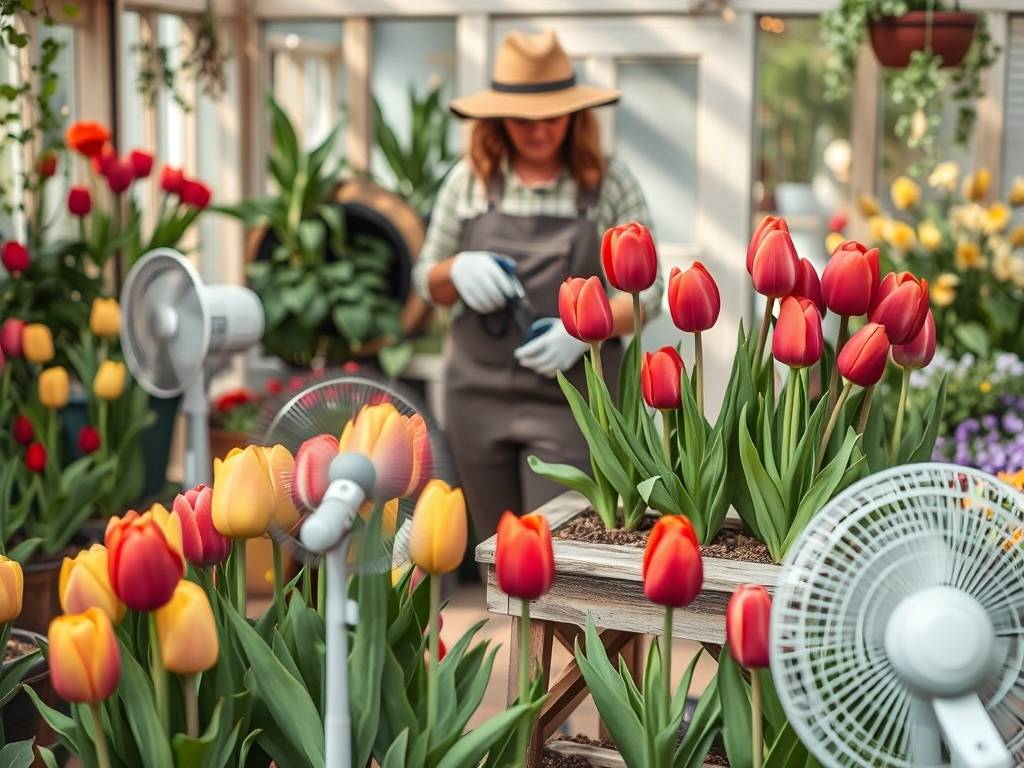
Selecting an ideal spot for your tulips sets the foundation for success. Look for areas receiving morning sunlight with some afternoon shade, particularly in warmer climates. Tulips thrive in locations with good air movement that prevents stagnant moisture around their leaves and flowers.
Space bulbs about 4-6 inches apart when planting to ensure each plant has adequate room for air circulation. This simple step makes a significant difference in preventing moisture-related issues.
Soil Preparation Matters
Tulips demand well-draining soil to prevent bulb rot. Before planting, work organic compost into your garden beds to improve drainage while providing essential nutrients. The soil pH should be slightly acidic to neutral, ranging from 6.0 to 7.0.
For container gardening, use high-quality potting mix specifically formulated for bulbs. Add perlite or coarse sand to enhance drainage, creating an ideal environment for root development.
Planting Techniques for Success
The timing of planting varies by climate zone. In most regions, aim for fall planting, about 6-8 weeks before the ground freezes. This allows roots to establish before winter dormancy.
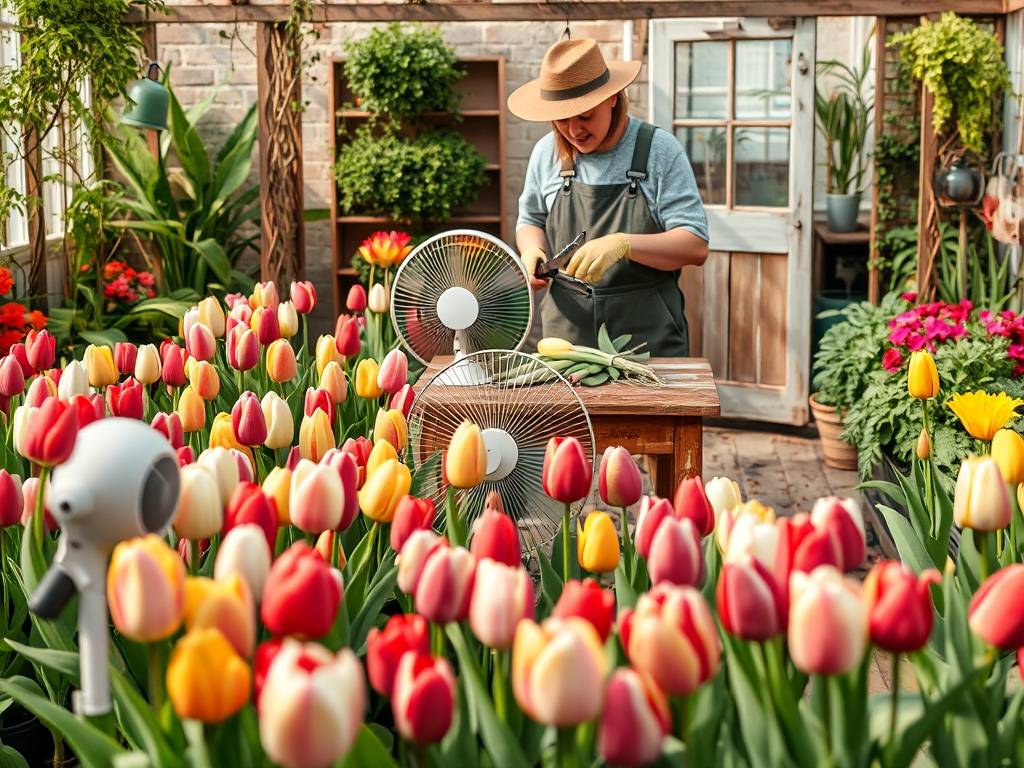
Plant bulbs at a depth approximately three times their height, typically 6-8 inches deep. Position them with the pointed end facing upward. After covering with soil, water thoroughly to settle the earth around the bulbs.
Watering Strategies
Tulips require moderate watering, with needs changing throughout their growth cycle. After planting, provide consistent moisture until the ground freezes. During active growth in spring, water when the top inch of soil feels dry.
Always water at the base of plants rather than overhead watering. This approach keeps foliage dry, reducing the risk of fungal diseases. Early morning watering allows any accidental moisture on leaves to evaporate quickly as the day warms up.
Feeding Your Tulips
Nutrition plays a crucial role in tulip health and flowering. Apply a balanced, slow-release fertilizer when shoots first emerge in spring. Look for formulas with equal parts nitrogen, phosphorus, and potassium.
Many gardeners find success with bulb-specific fertilizers that contain necessary micronutrients. According to research from the International Flower Bulb Centre, proper fertilization can extend bloom duration by up to 30%.
Managing Temperature and Ventilation
Temperature control proves vital throughout the tulip lifecycle. During active growth, ideal temperatures range from 55-65°F (13-18°C). When temperatures consistently exceed 70°F (21°C), flowers may fade quickly.
For indoor tulips, maintain good air circulation using oscillating fans set on low. Avoid placing plants directly in the path of heating or cooling vents, as sudden temperature changes can stress plants.
Container Gardening Considerations
Growing tulips in containers requires special attention to drainage and ventilation. Select pots with multiple drainage holes and consider elevating containers slightly using pot feet to enhance airflow beneath them.
Use a well-draining potting mix and monitor moisture levels closely, as containers dry out faster than garden soil. Rotate containers regularly to ensure all sides receive equal air and light exposure.
Preventing Common Problems
Good air circulation significantly reduces issues with botrytis blight and other fungal diseases. Space plants properly and remove any fallen debris from around tulips promptly.
Watch for signs of overheating in warmer climates. If temperatures spike unexpectedly, provide temporary shade during the hottest part of the day to extend bloom life.
Post-Bloom Care
After flowers fade, remove spent blooms but leave the foliage intact until it turns yellow. The leaves continue photosynthesizing, storing energy in the bulb for next year's growth.
In regions with warm winters, many gardeners treat tulips as annuals, as they often don't reliably rebloom without a proper cold period. For those attempting to save bulbs, dig them up after foliage dies back and store in a cool, well-ventilated area until fall replanting.
Innovative Cooling Techniques
Recent developments in gardening technology offer new options for temperature management. Smart plant sensors now available can monitor soil moisture, temperature, and light levels, sending alerts to your phone when conditions need adjustment.
For serious tulip enthusiasts, miniature greenhouse cooling systems have become more accessible in 2025. These compact units can maintain ideal temperature ranges even during unexpected warm spells.
Companion Planting for Better Airflow
Strategic planting combinations can enhance growing conditions. Low-growing herbs like thyme or creeping sedum planted around tulips help regulate soil temperature while allowing air movement at soil level.
Ornamental grasses make excellent companions, their movement creating natural air currents that benefit tulips. Just ensure they don't grow so tall that they shade the tulips excessively.
Troubleshooting Common Issues
If you notice stems becoming weak or flowers fading quickly, assess both temperature and air movement. Sometimes simply thinning nearby plants can dramatically improve conditions.
Yellowing leaves before flowering typically indicates overwatering or poor drainage. Check soil moisture and adjust your watering schedule accordingly.
Seasonal Adjustments
As spring progresses into summer, monitor temperatures closely. When consistent warm weather arrives, tulips naturally complete their cycle. This is the time to decide whether to lift bulbs for replanting or simply enjoy them as seasonal beauties before planting fresh bulbs in autumn.
Expert Insights
Leading horticulturist Dr. Elena Martinez emphasizes that "the relationship between air circulation and tulip health cannot be overstated. In our 2024 study, we found that tulips grown with optimized airflow showed 45% fewer disease issues and significantly stronger stems."
The Netherlands Flower Bulb Information Center continues to update best practices annually, with their 2025 guidelines placing increased emphasis on microclimate management for urban gardeners.
Final Thoughts
Success with tulips comes down to understanding their preference for cool conditions and fresh air. By implementing these ventilation-focused strategies, you'll be rewarded with healthier plants and longer-lasting blooms.
Whether you're growing a few pots on a balcony or an extensive garden display, these methods will help your tulips thrive. The extra attention to airflow and temperature management makes all the difference between mediocre and magnificent results.