bluename
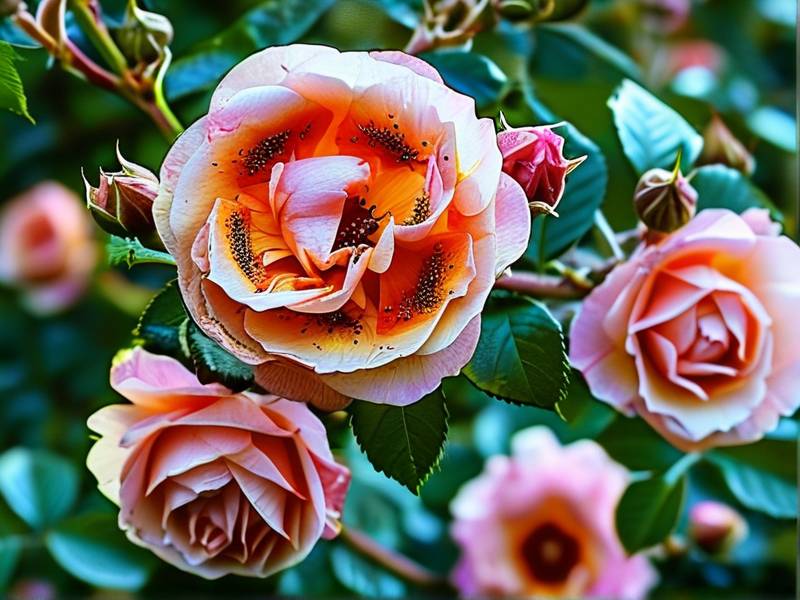
 When you first bring home a rose plant, whether it’s a vibrant hybrid tea rose or a charming miniature variety, one of the most critical factors for its success is light. Roses thrive when they receive adequate sunlight—it fuels their growth, supports blooming, and helps them resist diseases. But what exactly does "adequate light" mean for roses in 2025, especially with changing gardening trends and climate considerations? Let’s explore how to give your roses the light they need to flourish.
Understanding Roses’ Light Needs
Most rose varieties require at least six to eight hours of direct sunlight each day. Morning sun is particularly beneficial because it dries dew from the leaves, reducing the risk of fungal diseases like powdery mildew or black spot. If you’re growing roses in a region with intense afternoon heat, consider providing some light shade during the hottest part of the day to prevent scorching.

For those in urban settings or with limited garden space, don’t worry—many modern rose cultivars, such as the Oso Easy® series, are bred for better performance in partial shade. Always check the specific requirements of your rose type.
Assessing Your Garden’s Light Conditions
Before planting, spend a day observing how sunlight moves across your garden. Note which areas get full sun, partial shade, or are mostly shaded. You can use a sunlight meter or even a smartphone app designed for gardeners to get accurate readings.
Keep in mind that light conditions change with the seasons. A spot that’s sunny in spring might become shaded once trees leaf out in summer. Planning ahead ensures your roses won’t be left in the dark.
Optimizing Light Exposure Through Planting and Pruning
Where you place your roses matters. Aim for an east or south-facing location to maximize morning sunlight. If you’re growing roses in containers, you have the flexibility to move them to sunnier spots as needed.
Pruning is another key strategy. Remove overlapping branches and thin out the center of the plant to allow light to penetrate evenly. This not only improves photosynthesis but also enhances air circulation.
Addressing Common Light-Related Challenges

Sometimes, despite your best efforts, roses may show signs of light stress. If leaves appear pale or growth is leggy, your plant likely needs more sun. On the other hand, if you notice bleached or crispy leaves, it might be getting too much intense light.
For gardeners dealing with limited sunlight, consider supplementing with grow lights. LED full-spectrum grow lights are energy-efficient and can provide the necessary light spectrum for robust growth.
Seasonal Light Management Tips
As we move into 2025, gardeners are paying more attention to adapting to seasonal shifts. During summer, use shade cloth during heatwaves to protect roses from scorching. In winter, ensure that deciduous trees or structures don’t block what little sunlight is available.
For indoor rose varieties, rotate the pots every few days to ensure all sides receive equal light. This prevents the plant from leaning toward the light source and promotes symmetrical growth.
Tools and Techniques for Monitoring Light
Investing in a good-quality light meter can take the guesswork out of managing your roses’ light needs. Some advanced models even connect to gardening apps, providing personalized recommendations based on your plant’s specific requirements.
Another practical tip is to use reflective surfaces, like light-colored mulch or garden mirrors, to redirect sunlight to shaded areas. This simple trick can make a significant difference, especially in small or urban gardens.
Expert Insights on Light and Rose Health
According to the 2024 Global Gardening Report, roses receiving optimized light exposure showed a 40% reduction in disease incidence compared to those grown in suboptimal conditions. Dr. Elena Martinez, a renowned horticulturist, emphasizes that "light is not just about quantity but also quality. Roses need the right balance of light wavelengths to support photosynthesis and blooming."
Tailoring Light Care to Specific Rose Types
Different roses have slightly different needs. Climbing roses, for instance, benefit from being trained on a trellis where their upper portions catch more light. Groundcover roses, on the other hand, are more adaptable and can perform well in dappled shade.
If you’re growing roses for cutting, ensure they get uninterrupted morning sun to develop strong stems and vibrant colors. For exhibition-quality blooms, some gardeners use supplemental lighting to extend "daylight" hours slightly, encouraging larger flowers.
Future-Proofing Your Rose Light Strategy
With climate patterns shifting, gardeners in 2025 need to be proactive. In areas experiencing hotter summers, providing afternoon shade has become a new norm. Similarly, in regions with reduced sunlight due to air quality issues, using protective covers that filter harmful rays while allowing photosynthesis is gaining popularity.
Consider planting roses in raised beds or containers if your garden has drainage issues compounded by low light. Well-drained soil helps roots make the most of available light by maintaining overall plant health.
Simple Steps to Get Started Today
Start by mapping your garden’s light patterns over a weekend. Choose rose varieties that match your conditions—shade-tolerant types like ‘Knock Out’ roses for less sunny spots, and sun-loving varieties like ‘Peace’ roses for bright areas.
When planting, space roses properly to avoid shading each other. Follow up with regular pruning and light monitoring. Small, consistent efforts will reward you with healthy, blooming roses season after season.
Remember, light is just one piece of the puzzle. Combine proper light care with balanced nutrition, adequate water, and pest management for truly thriving roses.