bluename
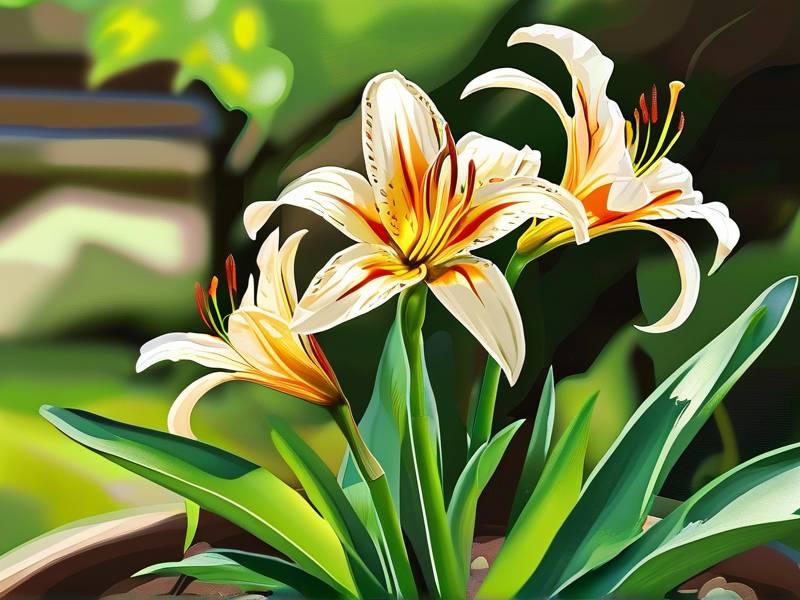
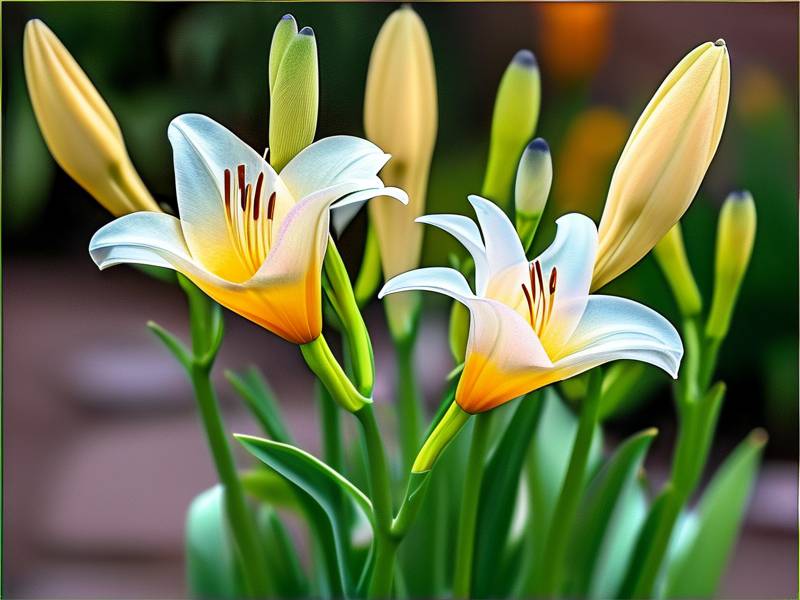
 Lilies have always been a garden favorite, but with new 2025 horticultural research, we're discovering even better ways to help these stunning flowers thrive. Whether you're growing elegant Oriental lilies in containers or cheerful Asiatic varieties in garden beds, understanding their specific needs makes all the difference.
Let's start with the foundation - light requirements. Lilies prefer what gardeners call "filtered sunlight" or "dappled shade." Imagine how light filters through tree branches in a forest - that's the ideal condition. Morning sun with afternoon protection works beautifully for most varieties. In 2025, we're seeing more gardeners use shade cloth with 30-40% density for optimal lily light management, especially in hotter climates.
When planting, position your lilies where they'll receive about 4-6 hours of sunlight daily, preferably during cooler morning hours. If you notice leaves turning yellow or brown at the edges, your plants might be getting too much direct exposure. Conversely, leggy stems and reduced flowering signal insufficient light.
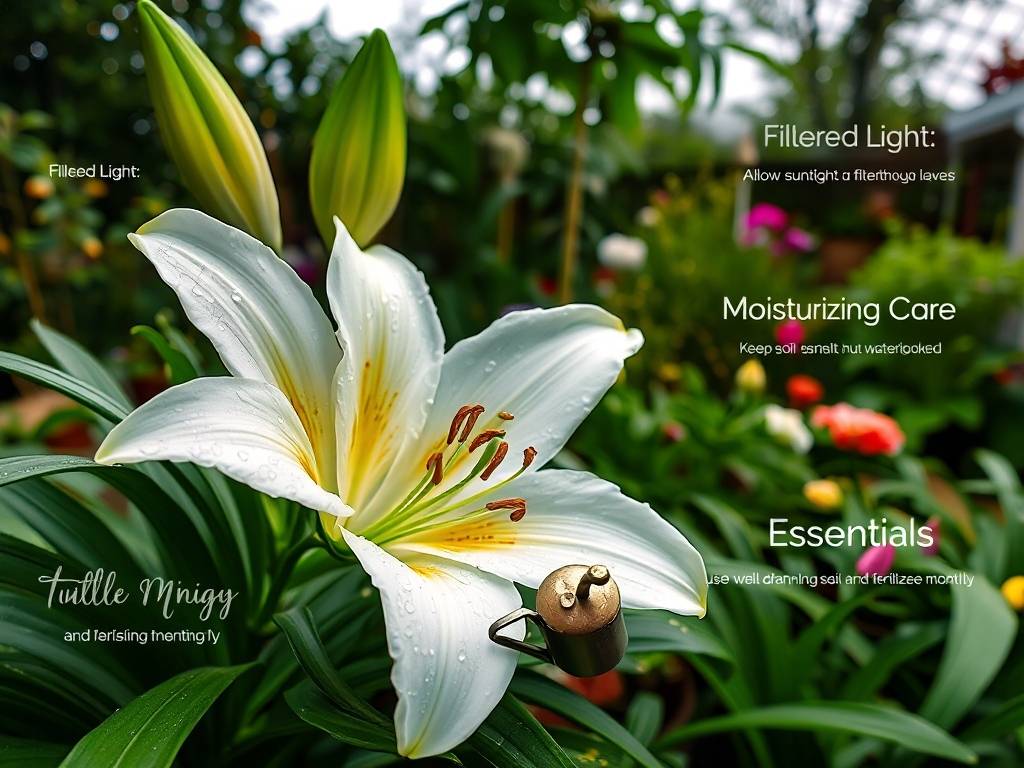
Now, let's dive into the art of proper hydration. Lilies crave consistent moisture but despise soggy conditions. The goal is maintaining evenly moist soil without waterlogging. Here's a professional tip: insert your finger about two inches into the soil. If it feels dry, it's watering time. Early morning watering allows leaves to dry before evening, preventing fungal issues.
For container-grown lilies, consider self-watering pots with built-in reservoirs. These innovative containers, increasingly popular in 2025 gardening trends, provide steady moisture while preventing root rot. Traditional pots should have adequate drainage holes and be filled with quality potting mix amended with perlite or vermiculite.
Watering technique matters greatly. Use a watering can with a rose attachment or a hose with a gentle spray setting to distribute water evenly without disturbing the soil or damaging tender stems. Deep, thorough watering encourages strong root development, while frequent light sprinklings promote shallow roots that dry out quickly.
Mulching plays a crucial role in moisture retention. A two-inch layer of organic mulch like bark chips or compost helps maintain soil moisture and temperature. Recent studies from the International Gardening Association show that proper mulching can reduce watering needs by up to 25% while suppressing weeds.
Feeding your lilies ensures vigorous growth and spectacular blooms. Use a balanced, slow-release fertilizer when planting and again as flower buds begin to form. Many gardeners are switching to organic options like fish emulsion or compost tea, which provide gentle, sustained nutrition without chemical buildup.
For potted lilies, liquid fertilizers applied every two weeks during the growing season work wonderfully. Always water thoroughly before and after fertilizing to prevent root burn. If leaves appear scorched at the edges, you might be overfeeding - flush the soil with plain water to dilute excess nutrients.
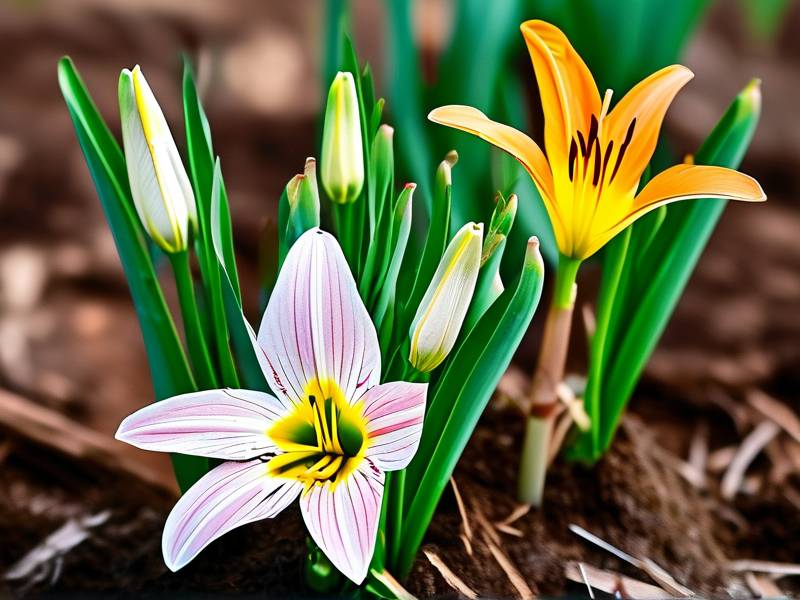
Proper planting depth makes a significant difference. Place bulbs about three times their height deep, with the pointed end facing upward. Deeper planting encourages strong root development and stabilizes tall varieties. Many gardeners add a handful of sand beneath each bulb to improve drainage, a technique that's gained popularity in recent lily cultivation guides.
When it comes to soil, lilies prefer well-draining mixtures rich in organic matter. If you have heavy clay soil, amend it with compost and coarse sand. For sandy soils that drain too quickly, incorporate peat moss or coconut coir to improve water retention. The ideal soil pH ranges from 6.0 to 6.5, slightly acidic.
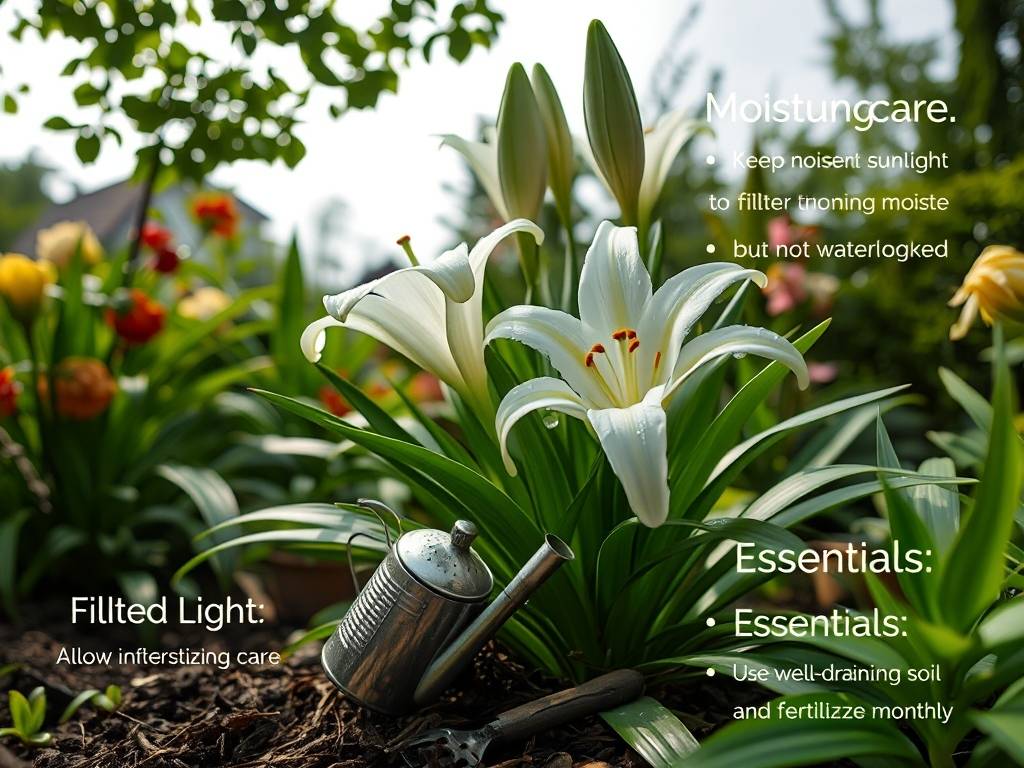
Pest management has evolved significantly. Instead of reaching immediately for chemicals, try companion planting. Marigolds, garlic, and chives planted nearby naturally repel aphids and other common lily pests. For stubborn infestations, insecticidal soaps or neem oil solutions applied weekly usually solve the problem.
Regular maintenance keeps lilies healthy and beautiful. Remove spent flowers promptly but leave the stem and leaves intact until they yellow naturally. This allows the plant to store energy for next year's growth. Stake tall varieties early to prevent wind damage to heavy flower heads.
Overwintering strategies vary by climate. In colder regions, apply an extra layer of mulch after the ground freezes to protect bulbs from temperature fluctuations. Container-grown lilies in freezing climates should either be moved to a protected area or buried in the ground with ample mulch insulation.
For those growing lilies indoors, position them near east or west-facing windows where they'll receive bright, indirect light. Rotate pots regularly to ensure even growth, and maintain humidity levels around 40-60%. Grouping plants together or using a humidity tray creates a favorable microclimate.
The latest 2025 research from the Royal Horticultural Society emphasizes the importance of air circulation in preventing fungal diseases. Whether growing indoors or out, ensure adequate spacing between plants and avoid overcrowding. This simple practice significantly reduces moisture-related issues.
When cutting lilies for arrangements, choose buds just beginning to open. Cut early in the morning when plants are most hydrated, and immediately place stems in warm water. Remove lower leaves that would sit underwater, and change the water every two days to prolong vase life.
Troubleshooting common issues becomes easier with experience. Yellowing leaves often indicate overwatering, while drooping stems suggest underwatering. If buds form but drop before opening, the plant might be experiencing temperature stress or insufficient light.
For continuous blooms throughout the season, consider planting early, mid-season, and late-blooming varieties. This strategic approach, combined with proper deadheading, can extend your lily display from early summer through fall in many climates.
Remember that different lily types have slightly different preferences. Asiatic lilies tolerate more sun than Oriental varieties, while Trumpet lilies need excellent drainage. Research your specific variety's needs for optimal results.
Gardening experts consistently emphasize observation as the most valuable tool. Notice how your lilies respond to their environment and adjust your care accordingly. Plants communicate their needs through their appearance - we just need to learn their language.
With these comprehensive care strategies, your lilies should reward you with spectacular, healthy blooms season after season. The combination of filtered light management and proper moisturizing techniques forms the foundation of successful lily cultivation, whether you're a beginner gardener or seasoned horticulturalist.