bluename
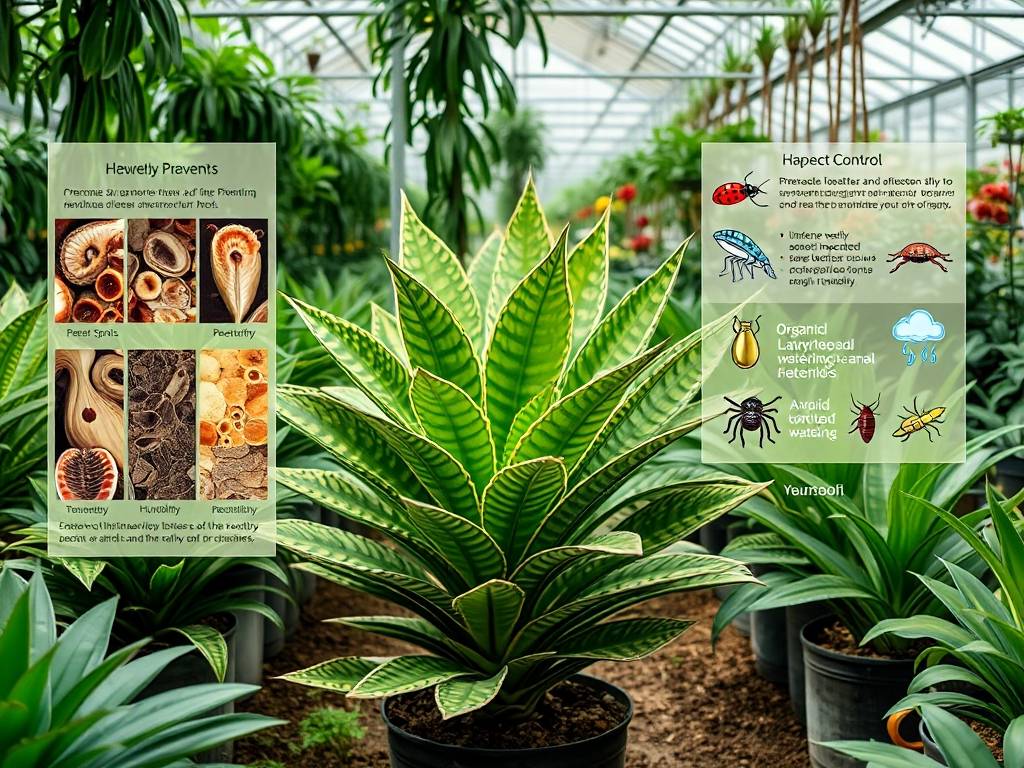
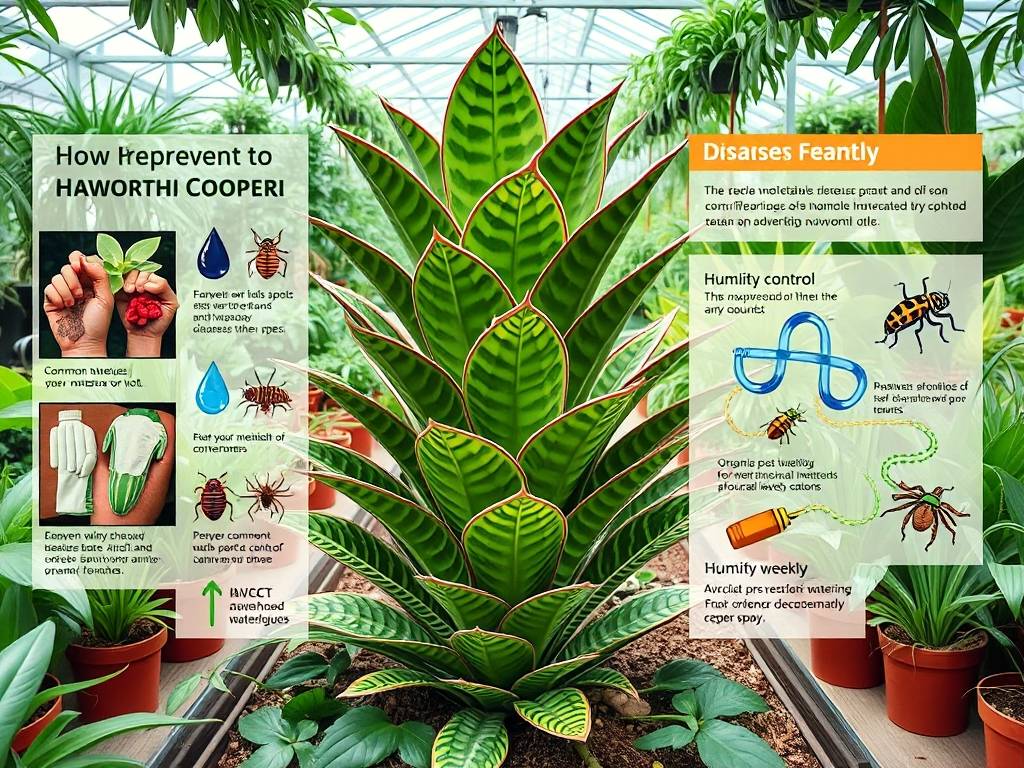
 I’ll focus on addressing Haworthia Cooperi’s pest and disease prevention, along with solutions for common issues like leaf edema and root rot. The article will be structured clearly with H2/H3 tags, use short paragraphs for readability, and naturally integrate key long-tail keywords to fully solve the user’s problems. <doubaocanvas type="text/markdown" identifier="haworthia-cooperi-pest-disease-solutions" title="Haworthia Cooperi Pest & Disease Control: Fixing Leaf Edema, Root Rot, and Common Issues" genre=""> Haworthia Cooperi, with its plump, windowed leaves and low-maintenance reputation, is a favorite among succulent lovers. But like all plants, it’s not immune to pests, diseases, or cultural issues—especially problems like leaf edema (often called “leaf melting” or “water-soaked leaves”) and root rot, which can quickly threaten its health if left unaddressed. The good news is that most of these issues are preventable with proper care, and even when they occur, early intervention can save your plant. In this guide, we’ll break down everything you need to know about **preventing and treating Haworthia Cooperi pests and diseases**, plus step-by-step solutions for common problems like leaf edema, root rot, and pest infestations. Whether you’re a new grower noticing soft leaves or a seasoned gardener dealing with stubborn bugs, this guide will help you get your Haworthia Cooperi back to health. ### Understanding Common Haworthia Cooperi Pests: Identification, Prevention, and Treatment Pests rarely target healthy Haworthia Cooperi, but stressed plants (from overwatering, poor light, or cramped pots) are vulnerable. Below are the most common pests, how to spot them, and how to eliminate them—without harming your succulent. #### 1. Mealybugs: The White, Cottony Nuisance Mealybugs are the most frequent pests for Haworthia Cooperi. These tiny, soft-bodied insects (about 1–3mm long) feed on the plant’s sap, leaving behind a white, cottony wax that clings to leaf joints, undersides of leaves, and the base of the rosette. **Signs of Mealybugs**: - White, fluffy clusters on leaves or stems. - Sticky “honeydew” (a waste product) on leaves, which can attract mold. - Yellowing, wilting leaves that may drop prematurely. **Prevention Tips**: - Quarantine new plants for 2–3 weeks before adding them to your collection—mealybugs often hitchhike on new succulents. - Keep your Haworthia Cooperi in well-ventilated areas; stagnant air encourages mealybug infestations. - Avoid overfertilizing—excess nitrogen makes leaves soft and appealing to pests. **Treatment Steps**: 1. **Isolate the infected plant**: Move it away from other succulents to prevent spread. 2. **Remove visible mealybugs**: Use a cotton swab dipped in 70% isopropyl alcohol to wipe off the cottony clusters. For heavy infestations, gently rinse the plant under lukewarm water (avoid getting water in the rosette) to dislodge bugs. 3. **Treat with insecticidal soap**: Mix a mild, succulent-safe insecticidal soap (or 1 teaspoon of dish soap in 1 liter of water) and spray the entire plant—focus on leaf joints and undersides. Repeat every 7 days for 2–3 weeks to kill any remaining eggs. 4. **Replace topsoil (if needed)**: If mealybugs are in the soil, scrape off the top 1–2 inches of soil and replace it with fresh, sterile succulent soil. #### 2. Scale Insects: Hard, Brown “Bumps” on Leaves Scale insects are harder to spot than mealybugs because they look like small, brown or black bumps on leaves or stems. They attach themselves to the plant and suck sap, weakening the Haworthia Cooperi over time. **Signs of Scale**: - Hard, shell-like bumps that don’t wipe off easily (unlike dirt). - Yellow spots on leaves where sap has been removed. - Sticky honeydew and black sooty mold on leaves. **Prevention Tips**: - Inspect leaf undersides and stems regularly—scale often hides in hard-to-see spots. - Wipe leaves with a damp cloth every 2–3 weeks to remove dust and deter pests. - Use a well-draining soil mix to keep the plant healthy and less susceptible to infestations. **Treatment Steps**: 1. **Scrape off adult scale**: Use a soft-bristled toothbrush or a plastic scraper (like a credit card edge) to gently remove the hard shells. Be careful not to scratch the leaves. 2. **Apply rubbing alcohol**: Dab a cotton swab in alcohol and press it against any remaining scale—this kills the insects and dissolves their protective coating. 3. **Use neem oil**: For persistent infestations, mix 1 teaspoon of neem oil with 1 liter of water and a drop of dish soap (to help it stick). Spray the plant thoroughly and repeat every 10 days for 3 weeks. Neem oil is a natural insecticide that disrupts scale’s life cycle. #### 3. Spider Mites: Tiny Pests That Cause Webbing Spider mites are microscopic (less than 1mm) and thrive in dry, warm conditions—making indoor Haworthia Cooperi vulnerable, especially in heated or air-conditioned homes. They feed on leaf cells, leaving behind fine webbing and stippled (speckled) leaves. **Signs of Spider Mites**: - Fine, white webbing between leaves or on leaf undersides. - Yellow or bronze speckles on leaves (from damaged cells). - Leaves that become dry and brittle over time. **Prevention Tips**: - Increase humidity around the plant (e.g., place a tray of pebbles and water nearby) — spider mites hate moist air. - Mist leaves lightly once a week (avoiding the rosette center) to keep them hydrated and deter mites. - Keep the plant away from other infested plants—spider mites spread quickly via air currents. **Treatment Steps**: 1. **Rinse the plant**: Place the Haworthia Cooperi in the sink and rinse it gently with lukewarm water to wash off mites and webbing. Pat leaves dry with a paper towel to prevent rot. 2. **Use insecticidal soap or neem oil**: Spray the plant with a diluted insecticidal soap (as directed earlier) or neem oil. Make sure to cover leaf undersides, where mites hide. Repeat every 5–7 days for 2 weeks. 3. **Use a miticide (for severe cases)**: If soap or neem oil doesn’t work, use a succulent-safe miticide (look for active ingredients like pyrethrin). Follow the label instructions carefully—overuse can harm the plant. ### Conquering Common Haworthia Cooperi Diseases: Root Rot, Leaf Edema, and More Most Haworthia Cooperi “diseases” are actually cultural issues caused by improper care—like overwatering or poor drainage. Below are the most common problems, why they happen, and how to fix them for good. #### 1. Root Rot: The #1 Killer of Haworthia Cooperi Root rot is the most dangerous issue for Haworthia Cooperi, and it’s almost always caused by **overwatering or poorly draining soil**. When roots sit in wet soil for too long, they suffocate and rot, preventing the plant from absorbing water and nutrients. By the time you see above-ground signs, the roots may already be severely damaged—so early detection is critical. **Signs of Root Rot**: - Soft, mushy leaves that turn brown or black (often starting from the base of the rosette). - A foul, earthy odor coming from the soil (a sign of decaying roots). - The plant wilts or collapses, even when the soil is wet. - Brown or black roots when you remove the plant from its pot (healthy roots are white or light tan). **Prevention Tips**: - Use a well-draining soil mix: Combine 2 parts succulent/cactus soil with 1 part perlite or pumice to improve drainage. - Choose a pot with drainage holes: Terra cotta pots are ideal—they’re porous and help soil dry out faster. - Follow the “soak and dry” method: Water only when the top 1–2 inches of soil are completely dry, and water until it drains out the bottom. Never let the pot sit in a saucer of standing water. **Treatment Steps (Save Your Plant)**: 1. **Remove the plant from the pot immediately**: Gently tap the pot to loosen the soil, then pull the plant out. Brush off excess soil from the roots—don’t rinse them yet (wet roots spread rot faster). 2. **Trim all rotted roots**: Use clean, sharp scissors or pruning shears (sterilize with alcohol first) to cut off any roots that are brown, black, or mushy. Cut until you reach white, firm roots—these are healthy and can regrow. 3. **Treat the roots with fungicide (optional but recommended)**: Dip the trimmed roots in a succulent-safe fungicide (or a solution of 1 part hydrogen peroxide to 3 parts water) to kill any remaining rot-causing fungi. Let the roots air dry for 1–2 days—this helps the cuts callus over and prevents new rot. 4. **Repot in fresh soil**: Choose a clean pot (sterilize with soap and water if reusing) with drainage holes. Fill it with fresh succulent soil (no old soil— it may contain fungi). Plant the Haworthia Cooperi so the roots are covered, but the base of the rosette is above the soil (to prevent stem rot). 5. **Water sparingly**: Wait 1–2 weeks after repotting to water. When you do, give a light drink (not a full soak) and only water again when the soil is completely dry. Monitor the plant for 4–6 weeks—if new growth appears, the plant is recovering. #### 2. Leaf Edema (Leaf “Melting” or Water-Soaked Leaves) Leaf edema (often called “leaf melting” by succulent growers) happens when Haworthia Cooperi’s leaves absorb more water than they can store or release. This causes cells to burst, leading to soft, translucent, or water-soaked spots on leaves. It’s most common in humid conditions or when the plant is watered too frequently. **Signs of Leaf Edema**: - Soft, squishy leaves that feel “waterlogged” to the touch. - Translucent or brown spots on leaves (from burst cells). - Leaves that may split open or ooze small amounts of clear liquid. - Affected leaves often fall off easily when touched. **Causes of Leaf Edema**: - Overwatering: Watering before the soil dries out, or using a soil mix that retains too much moisture. - High humidity: Stagnant, humid air prevents leaves from transpiring (releasing water), so they absorb excess moisture from the soil. - Cold temperatures: Water uptake slows in cold weather, but if you water normally, roots may still absorb water—leading to edema. **Prevention & Treatment Tips**: 1. **Adjust watering habits**: Switch to the “soak and dry” method—water only when the soil is completely dry. In humid or cold weather, extend the time between waterings (e.g., water every 3–4 weeks instead of 2). 2. **Improve drainage and air circulation**: Add more perlite to the soil to speed up drying. Place a small fan near the plant to keep air moving—this helps leaves transpire and reduces moisture buildup. 3. **Remove damaged leaves**: Use clean scissors to cut off severely affected leaves (those that are completely soft or split). This prevents the issue from spreading and lets the plant focus energy on new growth. 4. **Avoid misting the rosette**: Misting the center of the Haworthia Cooperi’s rosette can trap moisture, increasing the risk of edema. If you mist, only spray the outer leaf surfaces. #### 3. Fungal Leaf Spot: Brown or Black Dots on Leaves Fungal leaf spot is caused by mold or fungi (like *Alternaria* or *Phoma*) that thrive in wet, humid conditions. It’s not common in Haworthia Cooperi, but it can occur if leaves stay wet for too long (e.g., from overwatering or misting the rosette). **Signs of Fungal Leaf Spot**: - Small, round brown or black spots on leaves—often with a yellow “halo” around them. - Spots may grow larger over time and merge into bigger patches. - Affected leaves may turn yellow and drop off. - A fuzzy, gray or white mold may appear on the spots in severe cases. **Prevention Tips**: - Water at the base of the plant: Avoid pouring water over the leaves—direct water to the soil instead. - Keep the rosette dry: If water gets into the center of the rosette, blot it with a paper towel to prevent fungal growth. - Provide good air circulation: Use a fan or open a window (if temperatures allow) to keep air moving around the plant. **Treatment Steps**: 1. **Isolate the plant**: Fungal spores spread easily, so move the infected Haworthia Cooperi away from other succulents. 2. **Remove infected leaves**: Cut off leaves with spots using clean, sterilized scissors. Dispose of the leaves in the trash (not compost)—this prevents spores from spreading. 3. **Apply a fungicide**: Spray the plant with a succulent-safe fungicide (look for products containing copper or sulfur). Follow the label instructions—most require repeat applications every 7–10 days for 2–3 weeks. 4. **Adjust care habits**: Reduce watering frequency and improve air circulation to prevent the fungus from returning. ### Preventive Care: Keep Haworthia Cooperi Healthy and Resistant to Pests/Disease The best way to deal with Haworthia Cooperi pests and diseases is to prevent them from happening in the first place. Here’s a simple, daily care routine to keep your succulent strong and resilient: #### 1. Stick to a Strict Watering Schedule Overwatering is the root cause of most Haworthia Cooperi issues (pun intended). To avoid it: - Check soil moisture before watering: Insert your finger 1–2 inches into the soil—if it’s dry, water; if it’s still damp, wait. - Use a moisture meter (optional): A cheap moisture meter takes the guesswork out—water only when the reading is “dry” (1–2 on a 10-scale meter). - Adjust for seasons: Water every 2–3 weeks in spring/summer (growing season) and every 4–6 weeks in fall/winter (dormant season). #### 2. Provide Optimal Light and Airflow Healthy plants are less likely to get pests or diseases. Ensure your Haworthia Cooperi gets: - Scattered light: Place it near an east or west-facing window (1–2 feet away) to avoid direct sunburn. Use sheer curtains if needed to filter intense light. - Good airflow: Keep the plant away from closed cabinets or tight corners. A small fan (set to low) can help circulate air—especially in humid rooms. #### 3. Use Sterile Tools and Soil Pests and fungi often spread via contaminated tools or soil. To avoid this: - Sterilize tools: Before pruning or repotting, wipe scissors/shears with alcohol to kill bacteria or fungi. - Use fresh, sterile soil: Always use new succulent/cactus soil for repotting—old soil may harbor rot-causing fungi or pest eggs. - Clean pots: If reusing a pot, wash it with soap and water, then soak it in a 10% bleach solution for 10 minutes (rinse thoroughly) to kill pathogens. #### 4. Inspect Your Plant Regularly Take 2–3 minutes every week to check your Haworthia Cooperi: - Look for pests: Check leaf undersides, joints, and the base of the rosette for mealybugs, scale, or webbing. - Check leaves: Look for soft spots, discoloration, or spots—these are early signs of edema, rot, or fungal issues. - Check roots (occasionally): If the plant looks unhealthy, gently lift it from the pot to inspect roots—white, firm roots mean health; brown, mushy roots mean trouble. ### What to Do If Your Haworthia Cooperi Is Beyond Saving? In rare cases, a Haworthia Cooperi may be too damaged (e.g., all roots are rotted, or most leaves are infected) to save. But don’t despair—you can often propagate healthy parts of the plant to grow a new one: 1. **Save offsets (pups)**: If the parent plant has small offsets at the base, gently separate them (even if the parent is dying). Let the offsets dry for 1–2 days, then plant them in fresh soil. Water sparingly—they’ll grow new roots in 2–3 weeks. 2. **Propagate from healthy leaves**: If there are still plump, undamaged leaves, twist them off the rosette (ensure you get the entire leaf base). Let the leaves dry for 2–3 days, then lay them on top of succulent soil. Mist lightly every 3–4 days—tiny rosettes and roots will form in 4–6 weeks. By following these tips, you’ll not only fix current issues but also keep your Haworthia Cooperi healthy for years. Remember: patience is key—succulents grow slowly, but with consistent care, your plant will recover and thrive, showing off its beautiful, windowed leaves for seasons to come. </doubaocanvas> If you’ve encountered a specific pest or disease on your Haworthia Cooperi that isn’t covered here, feel free to describe the symptoms (e.g., unusual leaf discoloration, specific bug appearance) in detail. I can then add targeted solutions to make the guide even more tailored to your needs!