Ivy: A Popular and Problematic Plant
Ivy, with its lush, ever - green foliage and elegant, trailing or climbing growth habit, is a beloved choice among plant enthusiasts for both indoor and outdoor decoration. Its ability to thrive in a variety of conditions, from low - light indoor corners to shaded outdoor gardens, makes it a versatile addition to any space. Not only does it add a touch of natural beauty, but it also has air - purifying qualities, helping to filter out harmful pollutants such as benzene, formaldehyde, and trichloroethylene, thus improving the air quality in our living and working environments.
However, like all plants, ivy is not immune to problems. It can fall victim to a range of pests and diseases that can quickly turn its healthy, vibrant appearance into a sickly, withered state. Common pests that plague ivy include spider mites, aphids, and scale insects, while diseases such as leaf spot, powdery mildew, and root rot can also pose significant threats. These issues not only mar the plant's aesthetics but can also ultimately lead to its death if left untreated.
In addition to pest and disease problems, ivy can also experience other common issues such as yellowing leaves, wilting, and stunted growth. Yellowing leaves can be caused by a variety of factors, including over - watering, under - watering, nutrient deficiencies, or exposure to excessive sunlight or cold temperatures. Wilting may be a sign of water stress, root problems, or pest infestations. Stunted growth can result from poor soil quality, lack of nutrients, or overcrowding.
The purpose of this article is to provide you with a comprehensive guide on how to prevent, identify, and treat the common pests, diseases, and other problems that ivy plants may encounter. Whether you're a seasoned gardener or a novice plant parent, the information here will help you keep your ivy healthy, vibrant, and thriving.
Common Pests of Ivy
Aphids: Tiny Troublemakers
Aphids are small, soft - bodied insects that are often found in large groups on the undersides of ivy leaves and on new growth, such as tender shoots and buds. They typically range in color from green, black, brown, to even pink. These minuscule pests measure only about 1 - 4 millimeters in length, but their impact on ivy can be significant.
Aphids feed by piercing the plant tissue with their needle - like mouthparts and sucking out the sap. As they extract the sap, they deprive the ivy of essential nutrients and water. This can lead to a variety of visible symptoms. One of the first signs of an aphid infestation is often the curling and yellowing of leaves. The affected leaves may become distorted, with the edges curling inwards or upwards. In severe cases, the growth of the ivy can be stunted, and the plant may produce fewer new shoots and leaves. Additionally, aphids excrete a sticky, sugary substance called honeydew. This honeydew can coat the leaves and stems of the ivy, making them feel sticky to the touch. Honeydew also serves as a medium for the growth of sooty mold, a black, powdery fungus. Sooty mold not only makes the ivy look unsightly but can also interfere with photosynthesis by blocking sunlight from reaching the leaves.
To determine if your ivy has an aphid problem, closely examine the undersides of the leaves. Look for small, moving insects. Aphids are often clustered together, and their presence may be accompanied by the tell - tale signs of honeydew or sooty mold. You may also notice ants crawling on the ivy, as ants are attracted to the honeydew produced by aphids and will often “farm” aphids for this sweet substance.
Spider Mites: Invisible Invaders
Spider mites are extremely tiny arachnids that are often difficult to spot with the naked eye. Measuring less than 1 millimeter in size, they are usually pale in color, ranging from yellowish - green to almost translucent, with two dark spots on their bodies. These minuscule pests are so small that they can easily go unnoticed until the damage they cause becomes apparent.
Spider mites are voracious feeders. They use their sharp mouthparts to puncture the plant cells of ivy leaves and suck out the contents, mainly the chlorophyll - rich cell sap. As a result, the first visible signs of a spider mite infestation are the appearance of small, yellow or white stippling or speckling on the leaves. These spots are the result of the damaged plant cells. As the infestation progresses, the leaves may turn a dull gray or bronze color, and in severe cases, they may wither and drop prematurely. Another characteristic sign of spider mites is the presence of fine webbing. They spin this webbing on the undersides of leaves and between leaf joints as a means of protection and a way to move around the plant. The webbing can also trap dust and debris, further contributing to the unhealthy appearance of the ivy.
To check for spider mites, hold a white piece of paper under a suspected leaf and gently tap the leaf. If spider mites are present, they will fall onto the paper, appearing as tiny moving dots. You can also use a magnifying glass to closely examine the undersides of leaves for the presence of the mites, their eggs (which are small, spherical, and often translucent), and the characteristic webbing.
Mealybugs: The Fuzzy Foes
Mealybugs are small, soft - bodied insects that are easily recognizable by their white, cottony or powdery appearance. They are covered in a waxy, filamentous substance that gives them a fuzzy look, which serves as a form of protection. Adult mealybugs are typically around 2 - 5 millimeters in length and have a somewhat oval - shaped body.
These pests primarily feed on the sap of ivy plants, inserting their piercing mouthparts into the plant tissue to extract nutrients. As they feed, mealybugs can cause a range of problems for the ivy. The affected parts of the plant may experience stunted growth, and the leaves may turn yellow, wilt, and eventually drop off. One of the most troublesome aspects of mealybug infestations is the honeydew they secrete, similar to aphids. This honeydew can attract ants and promote the growth of sooty mold, which can cover the leaves and stems, reducing the plant's ability to photosynthesize and making it more vulnerable to other diseases.
Mealybugs often hide in the leaf axils (the angles between the leaves and the stems), along the stems, and in other protected areas of the ivy. To detect a mealybug infestation, carefully inspect these hidden areas. Look for the characteristic white, cottony masses that indicate the presence of mealybugs. You may also notice the tell - tale signs of honeydew and sooty mold on the surrounding plant parts.
Common Diseases of Ivy
Leaf Spot Diseases: Spotted Concerns
Leaf spot diseases are a common affliction for ivy plants and can be caused by both fungi and bacteria. Two of the most prevalent types are black spot and brown spot.
Black spot, as the name implies, manifests as small, black or dark - brown spots on the leaves of the ivy. These spots are often circular or irregular in shape. In the early stages, they may be barely noticeable, but as the disease progresses, the spots can grow in size. The affected areas may also develop a yellow halo around the edges. Severe black spot infections can lead to defoliation, as the leaves become so damaged that they can no longer carry out their normal functions.
Brown spot presents as brown - colored spots on the ivy leaves. These spots can range in size from tiny pinpricks to larger, more extensive patches. Similar to black spot, brown spot - affected leaves may also turn yellow and eventually drop off.
The causes of leaf spot diseases are mainly related to environmental factors. Fungal or bacterial pathogens can infect the ivy when the conditions are right. High humidity levels, especially when combined with poor air circulation, create an ideal environment for these pathogens to thrive. When the leaves stay wet for extended periods, whether from over - watering, high dew, or frequent rain, the fungi or bacteria can easily penetrate the plant tissue through natural openings like stomata or through small wounds on the leaves.
Root Rot: A Hidden Danger
Root rot is a serious disease that can have a devastating impact on ivy plants. It is characterized by the decay of the roots. As the roots rot, they lose their ability to absorb water and nutrients effectively. This, in turn, leads to a lack of essential resources for the rest of the plant.
The first visible signs of root rot are often above - ground symptoms. The ivy may start to wilt, even when the soil appears to be adequately moist. The leaves may turn yellow and gradually lose their vitality, eventually withering and falling off. If the root rot progresses unchecked, the entire plant will become weak and may ultimately die.
Over - watering is one of the primary causes of root rot. When the soil is constantly saturated with water, the roots are deprived of oxygen. In such waterlogged conditions, the roots become more susceptible to fungal infections. Fungi such as Pythium and Phytophthora are commonly associated with root rot in ivy. These fungi can quickly multiply in the damp soil and attack the roots, causing them to decay. Poor soil drainage also exacerbates the problem. If the soil does not allow water to drain away efficiently, it remains wet for too long, creating a perfect breeding ground for the root - rotting pathogens.
To determine if your ivy has root rot, you need to carefully inspect the roots. Gently remove the plant from its pot or dig around the roots in the garden. Healthy roots are firm, white, and have a fresh appearance. In contrast, roots affected by root rot are often black or dark brown, mushy, and may have a foul odor.
Powdery Mildew: The White Coating
Powdery mildew is another common fungal disease that affects ivy. It is easily recognizable by the appearance of a white, powdery substance on the surface of the ivy leaves. This powdery coating is actually made up of fungal spores and mycelium.
As the disease progresses, the white powder can spread to cover large portions of the leaves. The leaves may become distorted, and their growth can be stunted. The powdery mildew can also affect the photosynthetic ability of the ivy. Since photosynthesis occurs in the chloroplasts within the leaf cells, the presence of the powdery mildew layer on the leaf surface can block sunlight from reaching these chloroplasts. As a result, the ivy is unable to produce enough energy through photosynthesis, leading to a weakened plant.
Powdery mildew thrives in conditions of high humidity and moderate temperatures, typically between 60 - 80°F (15 - 27°C). When the air is humid and there is poor air circulation around the ivy, such as in a crowded or enclosed growing space, the spores of the powdery mildew fungus can easily land on the leaves and germinate. Once germinated, the fungus grows and spreads, forming the characteristic white coating.
Prevention Measures
Proper Growing Conditions
Providing the right growing conditions is fundamental to keeping your ivy healthy and less susceptible to pests and diseases.
Ivy thrives in bright, indirect light. Placing it near a north - or east - facing window indoors is ideal, as it will receive gentle, filtered sunlight throughout the day. If you're growing ivy outdoors, a location under the shade of trees or on a shaded porch can protect it from the harsh mid - day sun. Direct sunlight, especially during the hot summer months, can scorch the leaves, making them more vulnerable to pests and diseases. For example, if an ivy plant is placed in direct sunlight for extended periods, the leaves may develop brown, crispy edges, and the plant's overall health will decline, attracting pests like spider mites which prefer stressed plants.
Temperature also plays a crucial role. The optimal temperature range for ivy growth is between 18 - 25℃. Temperatures above 30℃ can cause the ivy to become stressed, and it may enter a semi - dormant state. In such conditions, the plant's metabolism slows down, and its natural defenses weaken, making it easier for diseases like powdery mildew to take hold. During the winter, make sure the temperature doesn't drop below 5℃, as cold stress can also harm the ivy and increase its susceptibility to problems.
Ivy prefers a humidity level of 40% - 60%. In dry indoor environments, especially during the winter when heating systems are in use, the air can become very dry. Low humidity can cause the leaves to dry out, curl, and turn brown at the edges. You can increase humidity around the ivy by placing a tray filled with water and pebbles beneath the plant pot. As the water evaporates, it adds moisture to the air. Another option is to use a humidifier, especially in rooms with low humidity.
Soil quality is equally important. Ivy grows best in a well - drained, fertile, and slightly acidic soil. A good soil mixture could consist of equal parts of peat moss, perlite, and compost. This combination provides excellent drainage, allowing excess water to flow away from the roots, which helps prevent root rot. The peat moss and compost also supply essential nutrients to the plant, promoting healthy growth. The ideal pH range for the soil is between 5.5 and 6.5. If the soil is too alkaline, the ivy may have difficulty absorbing certain nutrients, leading to yellowing leaves and stunted growth.
Regular Inspection
Regularly inspecting your ivy is an essential preventive measure. It allows you to catch any potential pest or disease problems in their early stages, when they are easier to treat. Aim to check your ivy at least once a week.
When inspecting, start by examining the undersides of the leaves. This is where many pests, such as aphids, spider mites, and mealybugs, tend to hide. Look for any signs of small insects, discoloration, or unusual markings. Aphids, for example, may appear as tiny, clustered insects that can be green, black, or brown. Spider mites are so small that they are often difficult to see with the naked eye, but you can look for the tell - tale signs of stippling on the leaves and fine webbing.
Next, check the stems. Look for any signs of damage, such as cuts, bruises, or areas where the bark appears to be peeling. Pests like scale insects may attach themselves to the stems, appearing as small, raised bumps. Also, check for any signs of wilting or abnormal growth, such as swollen or distorted areas.
If your ivy is potted, it's a good idea to carefully remove the plant from the pot every few months to inspect the roots. Healthy roots should be firm, white, or light brown in color. If the roots are dark, mushy, or have a foul odor, it could be a sign of root rot. Early detection of root problems can save your ivy from further damage.
Good Hygiene Practices
Maintaining good hygiene around your ivy plants can go a long way in preventing pest and disease problems.
Regularly clean the leaves of your ivy. Dust can accumulate on the leaves over time, which not only makes the plant look dull but can also clog the stomata (the tiny pores on the leaves that are used for gas exchange). You can gently wipe the leaves with a soft, damp cloth. This not only keeps the leaves clean but also helps to dislodge any pests that may be present. For example, a light wipe can remove aphids or small spider mites that are just starting to infest the plant.
Promptly clean up any fallen leaves or dead plant material around the ivy. These can serve as breeding grounds for pests and diseases. Fungi, in particular, can quickly grow on decaying leaves, and pests like slugs and snails may be attracted to the moist, sheltered environment provided by the debris. By removing fallen leaves and dead plant parts regularly, you eliminate these potential sources of trouble.
When pruning or handling your ivy, use clean tools. Dirty pruning shears or scissors can spread diseases from one plant to another. Before and after each use, disinfect your tools with a solution of rubbing alcohol or a diluted bleach solution. This simple step can prevent the transmission of fungal or bacterial pathogens that could infect your ivy.
Treatment Methods
Natural Remedies for Pests
When dealing with pest problems in ivy, natural remedies can be a safe and effective first line of defense. These methods are especially suitable for those who prefer to avoid the use of chemical pesticides, either due to environmental concerns or because the ivy is grown indoors where chemical exposure may be a risk.
Soapy water is a simple and commonly used natural pest control solution. To make soapy water, mix a few drops of mild liquid dish soap (preferably one without added scents or harsh chemicals) with one liter of water. Stir the mixture gently to ensure the soap is well - dissolved. The soap in the water works by breaking down the protective outer layer of soft - bodied pests such as aphids, spider mites, and mealybugs. This causes the pests to dehydrate and die. Use a spray bottle to apply the soapy water to the affected parts of the ivy, making sure to coat both the upper and lower surfaces of the leaves, as well as the stems. Repeat this treatment every 3 - 4 days until the pest problem is under control. However, be careful not to over - apply the soapy water, as it can damage the ivy if left on the leaves for too long. After about an hour or two, it's a good idea to rinse the leaves with clean water to remove any residue.
Garlic water is another natural option that can be effective against a variety of pests. To make garlic water, crush 3 - 4 cloves of garlic and soak them in one liter of water for 24 hours. The garlic contains sulfur - containing compounds like allicin, which have insect - repellent properties. After soaking, strain the mixture to remove the garlic pieces and pour the garlic - infused water into a spray bottle. Spray the garlic water onto the ivy, focusing on the areas where pests are present. The strong smell of the garlic will deter pests from feeding on the plant. For best results, spray the garlic water once a week. This not only helps to get rid of existing pests but also acts as a preventive measure against future infestations.
Alcohol can be used to target small, stubborn pests like spider mites and mealybugs, especially when they are in the early stages of infestation. Use a 70% isopropyl alcohol solution. Dip a cotton swab or a soft cloth in the alcohol and gently wipe the affected areas of the ivy, such as the undersides of leaves where pests often hide. The alcohol will kill the pests on contact by dehydrating them. This method is best for small - scale infestations, as applying alcohol to large parts of the plant can potentially damage the foliage. If using alcohol, test it on a small, inconspicuous part of the ivy first to make sure it doesn't cause any adverse effects.
Chemical Treatments for Severe Infestations
In cases where pest infestations are severe and natural remedies have proven ineffective, chemical treatments may be necessary. However, it's important to use chemical pesticides with caution, following all safety instructions carefully.
Imidacloprid is a common and effective chemical insecticide for treating ivy pests. It belongs to the neonicotinoid class of pesticides and works by interfering with the nervous system of insects. When using imidacloprid, the dilution ratio typically depends on the product concentration. For a 10% imidacloprid wettable powder, a common dilution is to mix 10 grams of the powder with 15 - 20 liters of water. This creates a solution that can be sprayed onto the ivy. Spray the solution evenly over the entire plant, making sure to cover both the upper and lower surfaces of the leaves, as well as the stems. Repeat the spraying every 7 - 10 days, depending on the severity of the infestation. However, imidacloprid is toxic to bees and other beneficial insects, so it should be used when bees are less active, such as early in the morning or late in the evening. Also, keep the treated ivy away from areas where bees are likely to visit.
Abamectin is another chemical option for controlling pests in ivy. It is a macrolide insecticide and miticide that works by paralyzing the nervous system of pests. For a 1.8% abamectin emulsion, the typical dilution ratio is to mix 10 - 15 milliliters of the emulsion with 15 liters of water. Spray this diluted solution onto the ivy, ensuring complete coverage. Abamectin is effective against a wide range of pests, including spider mites and aphids. It can be sprayed every 7 - 10 days as needed. But like all chemical pesticides, abamectin should be used with care. Wear protective clothing, gloves, and a mask when applying it to avoid skin contact and inhalation.
Treating Diseases
Treating diseases in ivy requires a targeted approach based on the specific disease affecting the plant.
For leaf spot diseases, fungicides can be an effective treatment. If the leaf spot is caused by a fungal pathogen, products containing copper - based fungicides, such as copper sulfate or copper hydroxide, can be used. These fungicides work by releasing copper ions that inhibit the growth of the fungus. Dilute the copper - based fungicide according to the manufacturer's instructions, usually around 4 - 6 grams of the product per liter of water. Spray the solution onto the affected ivy leaves, covering both sides thoroughly. Repeat the spraying every 7 - 10 days until the symptoms improve. Another option is to use fungicides containing active ingredients like chlorothalonil or mancozeb. These are broad - spectrum fungicides that can control a variety of fungal leaf spot diseases. Dilute them as directed on the label, typically around 5 - 10 grams per liter of water, and apply the spray to the ivy at regular intervals.
Root rot is a serious disease that requires immediate attention. If your ivy has root rot, the first step is to improve the soil drainage. If the ivy is potted, remove the plant from the pot and carefully inspect the roots. Cut away any black, mushy, or diseased roots using clean, sharp scissors or pruning shears. Then, replace the old soil with a fresh, well - drained potting mix. You can also add a fungicide to the new soil to help prevent further fungal growth. For example, products containing thiophanate - methyl can be used. Mix the fungicide with the soil according to the package instructions, usually at a rate of about 1 - 2 grams per liter of soil. If the ivy is planted in the ground, you may need to dig around the plant and amend the soil with materials like perlite or sand to improve drainage. Additionally, applying a fungicide drench to the soil around the plant can help kill the root - rotting fungi.
Powdery mildew can be treated with fungicides containing sulfur or potassium bicarbonate. Sulfur - based fungicides work by interfering with the metabolism of the powdery mildew fungus. Dilute the sulfur fungicide according to the label instructions, usually around 5 - 10 grams per liter of water, and spray it onto the affected ivy. Make sure to cover all parts of the plant, including the undersides of leaves where the powdery mildew often starts. Potassium bicarbonate fungicides act by changing the pH on the leaf surface, making it less favorable for the growth of the fungus. Dilute the potassium bicarbonate in water as directed, typically around 2 - 3 grams per liter, and spray it onto the ivy. Repeat the spraying every 5 - 7 days until the powdery mildew is under control.
Solving Common Problems: Yellow Leaves and Withered Vines
Reasons for Yellow Leaves
Watering Issues: Over - watering is a common culprit. When the soil is constantly waterlogged, the roots are deprived of oxygen. This suffocates the roots and prevents them from effectively absorbing nutrients and water, leading to yellowing leaves. On the other hand, under - watering can also cause problems. If the ivy doesn't receive enough water, the leaves will lose turgidity and start to turn yellow as the plant becomes dehydrated. For example, in a pot with poor drainage, even moderate watering can lead to over - watering conditions, while in a very porous soil or a large, unglazed pot, the water may evaporate too quickly, resulting in under - watering.
Light Problems: Ivy thrives in bright, indirect light. Exposure to direct sunlight for extended periods, especially during the hot summer months, can scorch the leaves, causing them to turn yellow. The intense sunlight can damage the chlorophyll in the leaves, which is essential for photosynthesis. Conversely, if the ivy is kept in a location with too little light, it may not be able to produce enough energy through photosynthesis. As a result, the plant may start to shed its leaves, and the remaining ones may turn yellow due to the lack of proper nutrition.
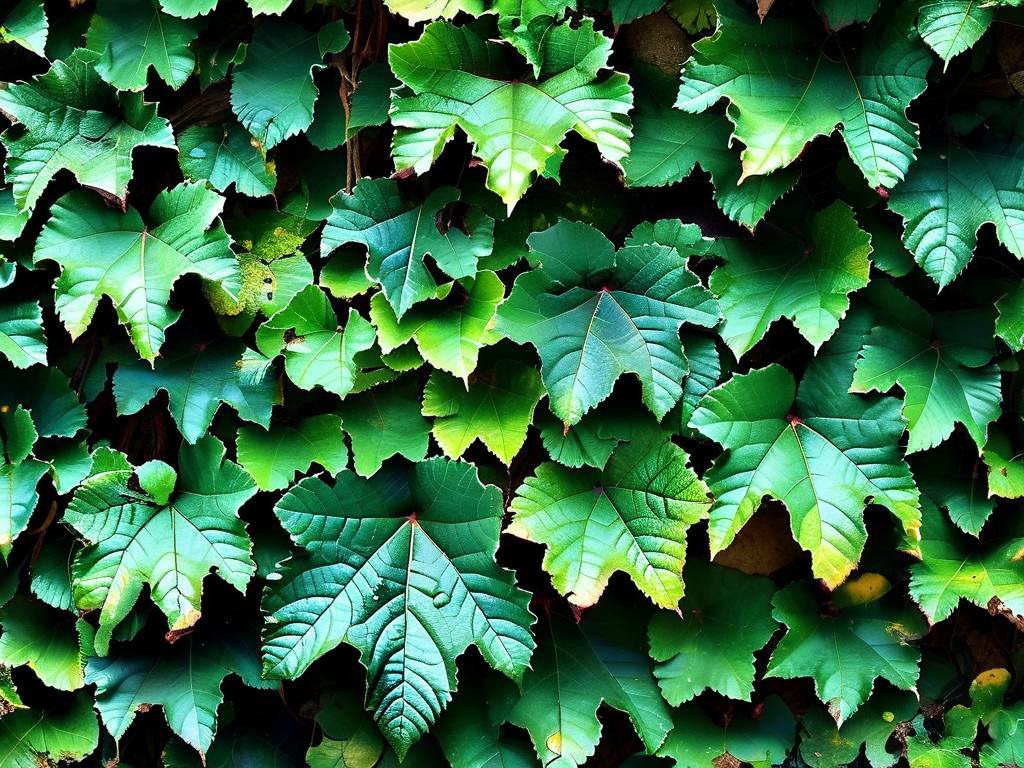
Nutrient Deficiencies: A lack of essential nutrients can cause yellowing leaves. Nitrogen is crucial for the growth and development of plants. When ivy lacks nitrogen, the older leaves typically turn yellow first. This is because the plant translocates the available nitrogen from the older leaves to the younger, more actively growing parts. Iron is also essential for the synthesis of chlorophyll. An iron deficiency can lead to a condition called chlorosis, where the leaves turn yellow while the veins remain green. This is often seen in alkaline soils, as iron is less available to the plant in such conditions.
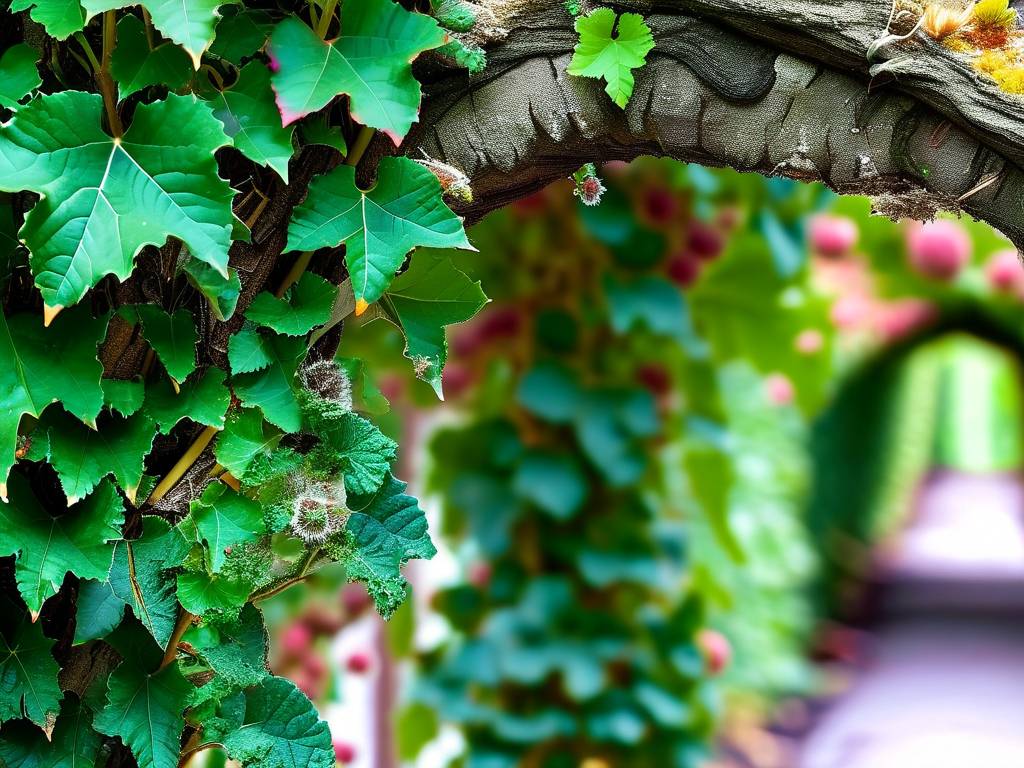
Pest and Disease Infestations: Certain pests and diseases can cause yellow leaves. For instance, aphids feed on the sap of the ivy, depriving it of nutrients. As they suck out the sap, the leaves may start to curl and turn yellow. Spider mites can also cause yellowing. Their feeding punctures the leaf cells, leading to a stippled appearance and eventual yellowing of the leaves. Fungal diseases like leaf spot can cause yellowing as the fungus attacks the leaf tissue, disrupting its normal functions.
Solutions for Yellow Leaves
Adjusting Watering: To correct over - watering, allow the soil to dry out between waterings. If the ivy is potted, you can check the soil moisture by inserting your finger about an inch into the soil. If it feels wet, don't water yet. For under - watering, establish a regular watering schedule. In the growing season (spring and summer), ivy generally needs more water. Water the plant thoroughly until water drains out of the bottom of the pot, but make sure the pot has proper drainage holes to prevent waterlogging. In winter, reduce the watering frequency as the plant's growth slows down.
Managing Light: If the ivy is getting too much direct sunlight, move it to a location with more filtered light, such as near a north - or east - facing window indoors. If it's not getting enough light, place it closer to a window or provide artificial grow lights. You can also rotate the plant regularly to ensure all sides receive equal light exposure.
Proper Fertilization: To address nitrogen deficiency, use a balanced fertilizer that contains nitrogen, phosphorus, and potassium (N - P - K). A ratio of 10 - 10 - 10 or 20 - 20 - 20 is suitable for ivy. Apply the fertilizer according to the package instructions, usually every 2 - 3 months during the growing season. For iron deficiency, you can use a chelated iron fertilizer. This form of iron is more easily absorbed by the plant. Dilute the chelated iron fertilizer in water and apply it to the soil or as a foliar spray.
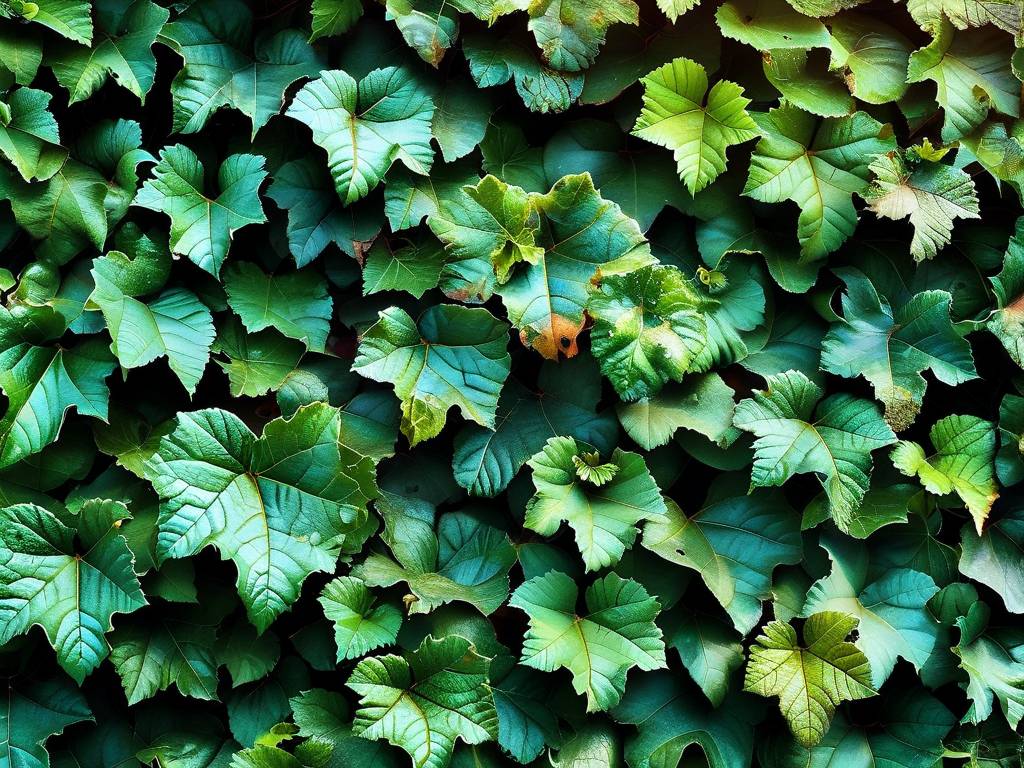
Treating Pests and Diseases: For pest infestations, use natural remedies like soapy water or neem oil for mild cases. If the infestation is severe, chemical pesticides may be necessary, but use them with caution. For fungal diseases, apply a suitable fungicide. Remove any infected leaves to prevent the spread of the disease.
Reasons for Withered Vines
Root Problems: Root rot, often caused by over - watering and poor soil drainage, can lead to withered vines. The rotting roots are unable to supply the plant with water and nutrients, causing the vines to wilt. Physical damage to the roots, such as from over - zealous repotting or root - feeding pests, can also disrupt the root system's ability to function properly, resulting in vine withering.
Water Deficiency: Long - term drought conditions can cause the ivy to wilt. If the soil dries out completely and remains so for an extended period, the plant will not be able to take up enough water to maintain its turgor pressure. This leads to the vines losing their rigidity and eventually withering.
Low Temperatures: Ivy is sensitive to cold. When exposed to temperatures below its tolerance level, especially during winter, the plant can suffer from frost damage. The cold can cause the water inside the plant cells to freeze, expanding and bursting the cells. This damage to the cells leads to the withering of the vines.
Over - Pruning: While pruning can be beneficial for the health and appearance of ivy, over - pruning can be harmful. Removing too much of the plant's foliage and stems can shock the plant and disrupt its growth processes. It can also reduce the plant's ability to produce energy through photosynthesis, leading to withered vines as the plant struggles to recover.
Solutions for Withered Vines
Treating Root Diseases: If root rot is the issue, carefully remove the plant from its pot and trim away the diseased roots. Repot the ivy in a well - drained potting mix and consider adding a fungicide to the soil to prevent further fungal growth. If the roots have been damaged by pests, treat the soil with an appropriate insecticide to eliminate the pests.
Providing Adequate Water: If the withering is due to water deficiency, water the ivy thoroughly. Saturate the soil until water drains out of the bottom of the pot. However, be careful not to over - water, as this can lead to other problems. You can also increase the humidity around the plant by misting the leaves regularly or placing a tray of water near the plant.
Protecting from Cold: In winter, bring potted ivy indoors or provide protection to outdoor ivy. You can cover the plant with a frost - cloth or move it to a more sheltered location. If the ivy has already been frost - damaged, wait until spring to see if it will recover. Prune away any dead or severely damaged parts in the spring.
Proper Pruning: If over - pruning has caused the problem, give the plant time to recover. Provide it with optimal growing conditions, including proper watering, light, and fertilization. In the future, when pruning ivy, follow the proper guidelines. Only remove about one - third of the plant's growth at a time, and make clean cuts just above a leaf node or bud to encourage new growth.
Conclusion
In conclusion, maintaining the health of your ivy plants requires a combination of preventive measures, vigilant inspection, and timely treatment. By providing the proper growing conditions, including the right amount of light, temperature, humidity, and well - drained soil, you create a strong foundation for your ivy to thrive. Regular inspections allow you to detect the early signs of pests, diseases, or other problems, making it easier to address them before they escalate. Good hygiene practices, such as cleaning the leaves, removing fallen debris, and using clean tools, help prevent the spread of pests and diseases.
When problems do occur, there are a variety of treatment options available. Natural remedies can be effective for mild pest infestations and are a great choice for those who prefer a more environmentally - friendly approach. However, in cases of severe infestations, chemical treatments may be necessary, but they should be used with caution, following all safety guidelines. Treating diseases requires a targeted approach, depending on the specific disease, whether it's leaf spot, root rot, or powdery mildew.
Solving common problems like yellow leaves and withered vines also involves identifying the underlying causes, which can range from watering and light issues to nutrient deficiencies, pest attacks, or root problems. Once the cause is determined, appropriate solutions can be implemented, such as adjusting watering, managing light exposure, fertilizing correctly, or treating pests and diseases.
Remember, every ivy plant is unique, and the care it requires may vary slightly depending on factors like the variety, the growing environment, and the time of year. So, be patient, observant, and willing to adapt your care routine as needed. With a little attention and care, your ivy can continue to beautify your indoor or outdoor space, bringing a touch of nature's elegance and purifying the air around you.
 bluename