bluename
 Why Cool, Indirect Light Is Perfect for Ivy
Mastering Watering: The Most Critical Part of Ivy Care
Step 1: Check When to Water
Step 2: Water the Right Way
Watering the leaves: Wet leaves (especially in cool, low-light areas) can lead to fungal diseases like powdery mildew. Always water the soil, not the foliage.
Using cold water: Cold water can shock ivy’s roots, causing leaves to yellow or drop. Let tap water sit out for 24 hours first—this lets chlorine evaporate and brings the water to room temperature.
Step 3: Manage Excess Water
Humidity: Keeping Ivy Happy in Dry Indoor Air
How to Measure Humidity
Easy Ways to Boost Humidity
Use a pebble tray: Fill a shallow tray with small pebbles, then add water until it reaches just below the top of the pebbles. Place your ivy pot on top of the pebbles (make sure the pot doesn’t sit directly in the water—this prevents root rot). As the water evaporates, it adds moisture to the air around the plant. Refill the tray when the water dries up.
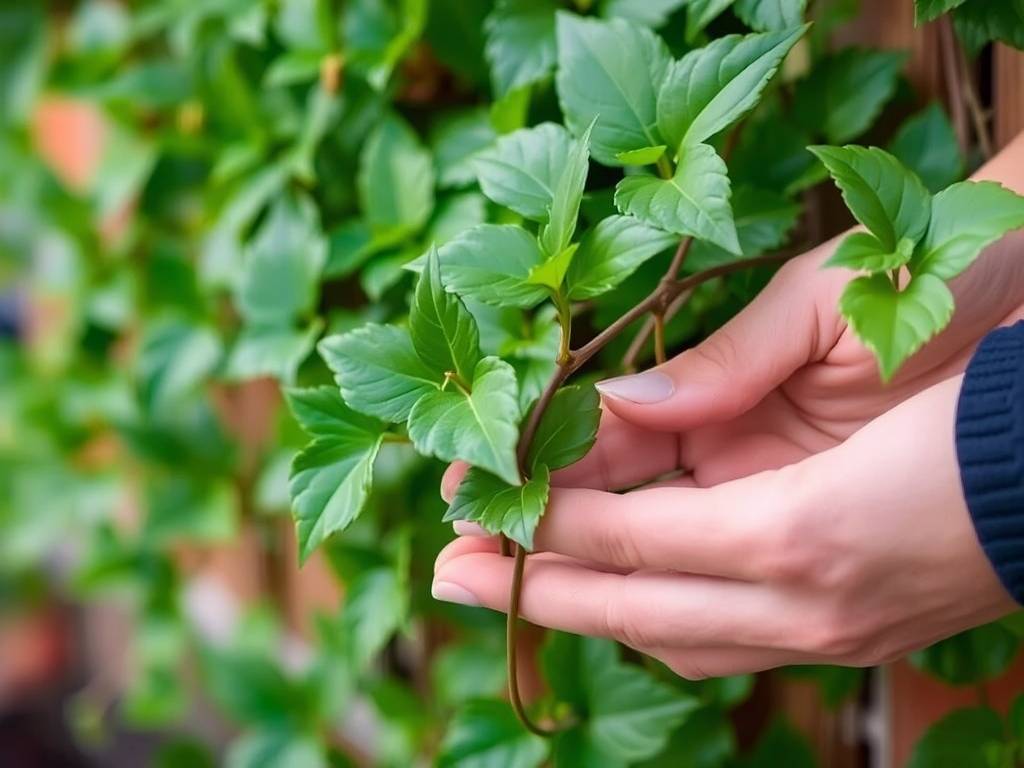
Mist the leaves (sparingly): Fill a spray bottle with room-temperature water and mist the ivy’s leaves once or twice a week. In cool, indirect light, don’t mist too often—wet leaves can stay damp longer, increasing the risk of fungus. Only mist if the air is very dry (below 30% humidity).
Group plants together: Plants release moisture through their leaves (a process called transpiration). Grouping your ivy with other humidity - loving plants (like pothos, ferns, or peace lilies) creates a “microclimate” of higher humidity around all the plants.
Use a humidifier: For long - term humidity control (especially in winter), a small room humidifier is a great investment. Set it to maintain 40%–60% humidity, and place it near your ivy (but not so close that the leaves get wet from the mist).
Temperature Control: Keeping Ivy in the Cool Zone
What to Avoid
Drafty areas: Don’t place your ivy near open windows in winter, drafty doors, or air conditioner vents. Cold drafts can cause leaves to drop, while hot drafts (from heaters or vents) dry out the plant and soil.
Heat sources: Keep ivy at least 3 feet away from radiators, space heaters, TVs, or stovetops. These sources emit dry heat that can scorch leaves and speed up soil drying.
Sudden temperature changes: Moving ivy from a cool room to a warm one (or vice versa) can shock the plant. For example, don’t take your ivy outside in summer if the outdoor temperature is above 80°F, then bring it back inside to a 60°F room the same day. If you need to move it, do it gradually—let the plant adjust to small temperature changes over 2–3 days.
Winter Care Tips
Soil and Repotting: Giving Ivy Room to Grow
Choosing the Right Soil
2 parts peat moss or coconut coir (retains moisture and adds organic matter)
1 part perlite or vermiculite (improves drainage and keeps the soil light)
1 part compost or aged manure (adds nutrients to feed the plant)
When and How to Repot
Roots growing out of the drainage holes at the bottom of the pot
Soil drying out within 1–2 days of watering (because the roots are taking up most of the space)
Stunted growth (the plant stops producing new leaves or vines)
The pot feels tight, and you can see roots pushing against the sides of the pot
Choose the right pot size: Pick a pot that’s 1–2 inches larger in diameter than the current pot. For example, if your ivy is in a 6 - inch pot, move it to an 8 - inch pot. Avoid oversized pots—too much soil will hold onto water, increasing the risk of root rot (especially in cool, indirect light where soil dries slowly).
Prepare the new pot: Add a 1 - inch layer of gravel or broken pottery shards to the bottom of the new pot for extra drainage. Then add a small amount of potting mix.
Remove the ivy from its old pot: Gently tap the sides of the pot to loosen the soil, then pull the plant out by the base of the stems. If the roots are tightly tangled, use your fingers to gently loosen them—this helps the roots spread out in the new soil.
Plant in the new pot: Place the ivy in the center of the new pot, making sure the top of the root ball is level with the top of the soil. Fill in the gaps around the root ball with potting mix, pressing gently to remove air pockets.
Water thoroughly: After repotting, water the ivy until water drains out of the bottom of the pot. This helps the soil settle around the roots. Place the plant back in its cool, indirect light spot and avoid fertilizing for 4–6 weeks (to let the roots recover).
Fertilizing: Feeding Ivy in Cool, Indirect Light
When to Fertilize
Growing season (spring/summer): Fertilize every 4–6 weeks. This is when ivy is producing new leaves and vines, so it needs extra nutrients.
Dormant season (fall/winter): Stop fertilizing. Ivy grows very little in winter, and fertilizing during this time can lead to nutrient buildup in the soil, which damages the roots.
Choosing the Right Fertilizer
High - nitrogen fertilizers: These can cause ivy to grow too quickly, leading to weak, leggy vines.
Slow - release fertilizer pellets: In cool, indirect light, these pellets break down too slowly, leading to nutrient buildup over time.
How to Fertilize
Water first: Always water your ivy thoroughly before fertilizing. Fertilizing dry soil can burn the roots—watering first ensures the roots are moist and can absorb the fertilizer without damage.
Mix the fertilizer: Follow the instructions on the fertilizer package, but use half the recommended amount of fertilizer. For example, if the package says to use 1 teaspoon per gallon of water, use ½ teaspoon instead.
Apply the fertilizer: Pour the diluted fertilizer over the soil (not the leaves) until it starts to drain out of the bottom of the pot. Don’t let the plant sit in the fertilizer - water—empty the saucer after 30 minutes.
Pruning: Shaping Ivy and Encouraging Bushy Growth
When to Prune
What to Prune
Dead or yellow leaves: These leaves won’t recover, and they can attract pests or diseases. Use clean, sharp scissors or pruning shears to cut them off at the base of the stem.
Leggy vines: If your ivy’s vines are stretching out thin with few leaves, cut them back to 2–3 inches above a leaf node (the small bump where a leaf grows from the stem). New growth will sprout from the node, making the plant bushier.
Overgrown vines: If your ivy is getting too long (especially trailing ivy in hanging pots), trim the vines to the desired length. Cut just above a leaf node to encourage new growth.
How to Prune Safely
Use clean tools: Wipe your scissors or pruning shears with rubbing alcohol before and after pruning to prevent the spread of diseases.
Don’t over - prune: Never cut back more than ⅓ of the plant at once. Over - pruning can stress ivy, especially in cool, indirect light where recovery is slower.
Shape the plant: Prune to create the shape you want. For climbing ivy (growing on a trellis or moss pole), trim vines that are growing outside the support to keep it neat. For trailing ivy, trim the ends of the vines to keep them from getting too long.
Pest and Disease Prevention: Keeping Ivy Healthy
Common Pests and How to Treat Them
Spider mites: These tiny pests (too small to see with the naked eye) live on the undersides of leaves and suck sap from the plant. Signs include fine webbing on the leaves, yellow spots, and dry, crispy foliage.
Treatment: Wipe the leaves with a damp cloth to remove mites. For severe infestations, spray the plant with insecticidal soap (diluted according to the package instructions) every 7–10 days until the mites are gone. Increase air circulation around the plant (open a window slightly, or use a small fan on low) to prevent future infestations.
Mealybugs: Mealybugs are small, white, fuzzy pests that cluster on leaf nodes and the undersides of leaves. They secrete a sticky substance (honeydew) that can attract mold.
Treatment: Use a cotton swab dipped in rubbing alcohol to wipe off individual mealybugs. For large infestations, spray with insecticidal soap. Check the plant weekly for new mealybugs—they can hide in hard - to - reach spots.
Aphids: Aphids are small, green, black, or brown pests that gather on new growth (like young leaves and stems). They suck sap, causing leaves to curl and turn yellow.
Treatment: Rinse the plant with a strong stream of room - temperature water to knock off aphids. For severe cases, use insecticidal soap. Prune off heavily infested stems to prevent the aphids from spreading.
Common Diseases and How to Prevent Them
Root rot: Caused by overwatering or poor drainage, root rot is the most common disease in ivy. Signs include wilting leaves (even when the soil is damp), brown or mushy roots, and a foul smell from the soil.
Prevention: Use well - draining soil and a pot with drainage holes. Water only when the top 1–2 inches of soil are dry, and empty the saucer after watering.
Treatment: If you suspect root rot, remove the plant from the pot and cut off all brown, mushy roots with clean scissors. Repot the plant in fresh, well - draining soil and a clean pot. Water lightly and place in a cool, indirect light spot—monitor the plant for 2–3 weeks to see if it recovers.
Powdery mildew: A fungal disease that appears as a white, powdery coating on leaves. It thrives in cool, humid environments with poor air circulation.
Prevention: Avoid misting leaves too often (especially in low - light areas). Increase air circulation around the plant, and don’t overcrowd it with other plants.
Treatment: Wipe the leaves with a damp cloth to remove the mildew. For severe cases, spray the plant with a fungicide (diluted according to the package instructions) every 7–1
Leaf spot: This bacterial or fungal disease causes dark brown or black spots on ivy leaves, often with a yellow halo around them. It spreads quickly in cool, damp conditions (like when leaves stay wet for too long).
Prevention: Avoid overhead watering (always water the soil, not the leaves). If you mist the plant, do it in the morning so the leaves have time to dry before nightfall. Keep the area around the ivy clean—remove fallen leaves or debris that can harbor bacteria or fungi.
Treatment: Prune off heavily spotted leaves (dispose of them in the trash, not compost, to prevent spread). For bacterial leaf spot, spray the plant with a copper - based fungicide (safe for most houseplants when diluted). For fungal leaf spot, use a broad - spectrum fungicide. Repeat the treatment every 7–10 days until new growth appears without spots.
Handling Common Ivy Care Challenges
Yellow Leaves
Overwatering: If the leaves are yellow and soft (not crispy), and the soil is damp, overwatering is likely. Let the soil dry out completely (wait until the top 2–3 inches are dry) before watering again. If the problem persists, check for root rot (follow the treatment steps above).
Underwatering: If the yellow leaves are crispy at the edges, and the soil is bone dry, underwatering is the issue. Water the ivy thoroughly, and make sure to check the soil moisture more often (in cool, indirect light, you might still need to water every 7–10 days—don’t let the soil stay dry for too long).
Lack of light: If the leaves are pale yellow and the vines are leggy, the ivy isn’t getting enough light. Move it to a brighter spot with indirect light (like a north - facing window with more exposure, or an east - facing window with a sheer curtain). Avoid direct sunlight, though—this can make the problem worse by scorching the leaves.
Nutrient deficiency: If the yellowing starts on the older leaves (near the base of the plant), the ivy might need more nutrients. Fertilize it with a diluted balanced fertilizer (follow the steps in the fertilizing section) once every 4 weeks during the growing season until the leaves turn green again.
Brown Leaf Tips
Boost humidity: Use one of the methods from the humidity section—set up a pebble tray, group the ivy with other plants, or use a humidifier. Aim for 40%–60% humidity.
Trim the brown tips: Use clean scissors to cut off the brown parts of the leaves—this makes the plant look neater and prevents the dryness from spreading to the rest of the leaf. Cut just above the edge of the brown part (don’t cut into the green tissue).
Check for other causes: If boosting humidity doesn’t help, make sure you’re not fertilizing too much (fertilizer burn can also cause brown tips). If you’ve fertilized recently, flush the soil with water—pour water over the soil until it drains out of the bottom of the pot—to remove excess nutrients.
Leggy Vines
Increase light: Move the ivy to a slightly brighter spot with indirect light. For example, if it’s near a north - facing window, move it closer to the window (but keep it out of direct sunlight). If it’s in a corner, move it to a spot with more ambient light.
Prune the leggy vines: Cut back the leggy vines to 2–3 inches above a leaf node (as explained in the pruning section). New growth will sprout from the node, making the plant bushier.
Rotate the pot: Every 2–3 weeks, rotate the ivy pot 90 degrees. This ensures all parts of the plant get equal light—if you don’t rotate it, the vines will grow toward the light source, leading to uneven, leggy growth.
Long - Term Ivy Care: Keeping Your Plant Thriving for Years
Monitor Growth and Adjust Care as Needed
Check the pot size: If the roots are growing out of the drainage holes, or the plant is top - heavy, it’s time to repot (follow the repotting steps above).
Adjust watering: As the plant grows, it will need more water—but in cool, indirect light, don’t increase watering too much. Always check the soil moisture first.
Update light exposure: If the ivy starts to look leggy or pale, even after pruning, it might need a brighter spot. Over time, windows can become shaded by trees or buildings—adjust the plant’s position to ensure it still gets 4–6 hours of indirect light daily.
Propagate Your Ivy to Expand Your Collection
Take cuttings: Use clean scissors to cut a 4–6 inch vine from the healthy part of the plant. Make sure the cutting has at least 2–3 leaf nodes (the small bumps where leaves grow from the stem). Remove the leaves from the bottom 2 inches of the cutting (this is where the roots will grow).
Root the cutting: Place the cutting in a glass of room - temperature water. Make sure the bottom 2 inches of the stem are submerged, but the leaves are above the water (if leaves are in water, they’ll rot).
Place in indirect light: Put the glass in a cool, indirect light spot (like near a north - facing window). Change the water every 2–3 days to keep it clean and prevent bacteria growth.
Plant the cutting: After 2–3 weeks, you’ll see small roots growing from the bottom of the stem. Once the roots are 1–2 inches long, plant the cutting in a small pot (4–6 inches) with well - draining soil. Water it thoroughly, and place it back in a cool, indirect light spot.
Care for the new plant: Treat the new ivy plant like a mature ivy—water when the soil is dry, boost humidity if needed, and fertilize during the growing season. It will start to grow new leaves within a few weeks.
Clean the Leaves Regularly
Wipe with a damp cloth: Once a month, use a soft, damp cloth (dipped in room - temperature water) to wipe each leaf gently. This removes dust without damaging the leaves. For small leaves, use a soft brush (like a paintbrush) to dust them off.
Avoid leaf shine products: Leaf shine sprays or wipes can clog the pores on ivy’s leaves, preventing the plant from breathing. Stick to water—this is all you need to keep the leaves clean and shiny.