When you bring home a vibrant ivy plant, the next important step is finding the right pot to support its climbing nature. Ivy, with its trailing vines and aerial roots, thrives when placed in containers that match its growth habits. Whether you’re drawn to hanging pots that let vines cascade down or stand - type pots with supports for upward climbing, making the right choice can mean the difference between a struggling plant and a lush, healthy one. This guide will walk you through everything you need to know to pick the perfect ivy pot, covering both hanging and stand - type options, key features to look for, and answers to common questions.
Understanding Ivy’s Growth Needs: Why the Right Pot Matters
Before diving into pot styles, it’s essential to understand why ivy has specific container requirements. Unlike some houseplants that stay compact, ivy is a natural climber and spreader. It produces aerial roots along its vines, which help it attach to surfaces like walls, trellises, or even the sides of pots. Without a pot that accommodates this growth, ivy can become root - bound, develop yellow leaves, or stop producing new growth.
The right pot should not only fit the plant’s current size but also give it room to expand. Ivy’s roots need space to breathe, and the pot’s design should support either its trailing (for hanging pots) or climbing (for stand - type pots) tendencies. For example, a hanging pot that’s too small might cause the vines to bunch up, while a stand - type pot without a support structure will leave the vines sprawling on the floor instead of growing upward.
Choosing Between Hanging and Stand - Type Pots for Ivy
Ivy’s versatility means it can thrive in both hanging and stand - type pots, but each style serves a different purpose. Your choice will depend on your space, how you want the ivy to look, and the specific variety of ivy you have (some varieties, like English ivy, are more vigorous climbers, while others, like Algerian ivy, have longer trailing vines).
Hanging Pots for Trailing Ivy
Hanging pots are ideal if you want to showcase ivy’s trailing vines, whether in a window, from a ceiling hook, or on a shelf. They keep the vines off the floor and add a touch of greenery to vertical spaces. When selecting a hanging ivy pot, there are a few key factors to keep in mind.
First, consider the material. Hanging pots need to be lightweight enough to hang safely without risking damage to your ceiling or wall. Plastic hanging pots are a great option because they’re light, affordable, and come in a variety of colors. Ceramic hanging pots are more decorative but can be heavy—if you choose ceramic, make sure the hanging hardware (like chains or ropes) is strong enough to support the weight, especially when the pot is watered (wet soil adds significant weight).
Second, drainage is non - negotiable. Hanging pots can be prone to waterlogging if they don’t have drainage holes, which can lead to root rot in ivy. Look for hanging pots with at least one drainage hole at the bottom. Some hanging pots also come with saucers to catch excess water, preventing it from dripping onto floors or furniture—this is a useful feature if you’re hanging the pot indoors, especially over carpets or wooden surfaces.
Third, size matters. A hanging pot that’s too small will restrict the ivy’s root growth. As a general rule, choose a hanging pot that’s 1 - 2 inches larger in diameter than the current root ball of your ivy. For example, if your ivy is in a 6 - inch nursery pot, a 7 - 8 inch hanging pot will give it enough room to grow for the next 6 - 12 months. Avoid oversized hanging pots, though—too much soil can hold onto water, increasing the risk of root rot.
Stand - Type Pots with Climbing Supports
If you prefer ivy to grow upward, a stand - type pot with a built - in or attached support structure is the way to go. These pots are perfect for placing on floors, tables, or plant stands, and the supports (like trellises, stakes, or moss poles) give ivy’s aerial roots something to cling to. When choosing a stand - type ivy pot, focus on the support structure, pot stability, and material.
The support structure is the most important part of a stand - type pot for ivy. Look for supports that are tall enough to accommodate your ivy’s growth—most ivy varieties can grow several feet long, so a support that’s at least 2 - 3 feet tall is a good starting point. Trellises made of wood or metal are popular choices; wood adds a natural look, while metal is durable and can be shaped into decorative designs. Moss poles are another excellent option—they’re made of a porous material (like coconut coir) wrapped around a pole, which holds moisture and encourages ivy to attach more easily.
Stability is also key. Stand - type pots with tall supports can be top - heavy, especially as the ivy grows and adds weight to the top of the support. Choose a pot with a wide, sturdy base to prevent it from tipping over. Heavy materials like ceramic or terracotta are good for the base because they add weight, while lightweight materials like plastic may need to be weighted down (you can add a layer of gravel at the bottom of the pot for extra stability).
Like hanging pots, stand - type pots must have drainage holes. Ivy’s roots don’t like to sit in water, so make sure the pot has multiple drainage holes to allow excess water to escape. If the pot doesn’t come with a saucer, consider buying one separately to protect your floors from water damage.
Key Features to Look for in Any Ivy Pot (Hanging or Stand - Type)
No matter whether you choose a hanging or stand - type pot, there are several universal features that every good ivy pot should have. These features will ensure your ivy stays healthy and grows well for years to come.
Drainage: The Most Critical Feature
As mentioned earlier, drainage is non - negotiable for ivy pots. Without proper drainage, water will collect at the bottom of the pot, leading to root rot—a common problem that can kill ivy plants. When shopping for pots, always check for drainage holes. If you fall in love with a pot that doesn’t have holes (like a decorative ceramic pot), you can drill your own—just make sure to use a drill bit designed for the material (e.g., a masonry bit for ceramic).
In addition to drainage holes, consider the pot’s depth. Ivy has a shallow root system, so it doesn’t need an extremely deep pot. A pot that’s too deep can trap water in the lower soil layers, where the roots aren’t reaching, leading to waterlogging. Aim for a pot that’s slightly deeper than it is wide—this balances root space with proper drainage.
Material: Balancing Aesthetics and Functionality
The material of the pot affects everything from its weight (important for hanging pots) to how well it retains moisture (important for ivy’s roots). Here’s a breakdown of the most common pot materials and how they work for ivy:
Plastic: Plastic pots are lightweight, affordable, and come in a wide range of colors and styles. They retain moisture well, which is good for ivy (but make sure there’s proper drainage to avoid overwatering). Plastic is a great choice for hanging pots because it won’t weigh down your hanging hardware. It’s also durable and won’t crack if knocked over, making it ideal for homes with pets or kids.
Ceramic/terracotta: Ceramic and terracotta pots are more decorative than plastic and add a touch of elegance to any space. Terracotta is porous, which means it allows air and moisture to pass through the sides of the pot—this helps prevent overwatering by drying out the soil more quickly. However, terracotta is heavy, so it’s better suited for stand - type pots than hanging ones. Ceramic pots are less porous than terracotta but still retain moisture well; they’re also heavier, so make sure your stand or surface can support the weight.
Metal: Metal pots (like those made of iron or aluminum) are durable and modern - looking. They’re lightweight (especially aluminum) and can be used for both hanging and stand - type pots. However, metal can get hot in direct sunlight, which can damage ivy’s roots. If you choose a metal pot, place it in a shaded area or line the inside with a layer of plastic to insulate the soil.
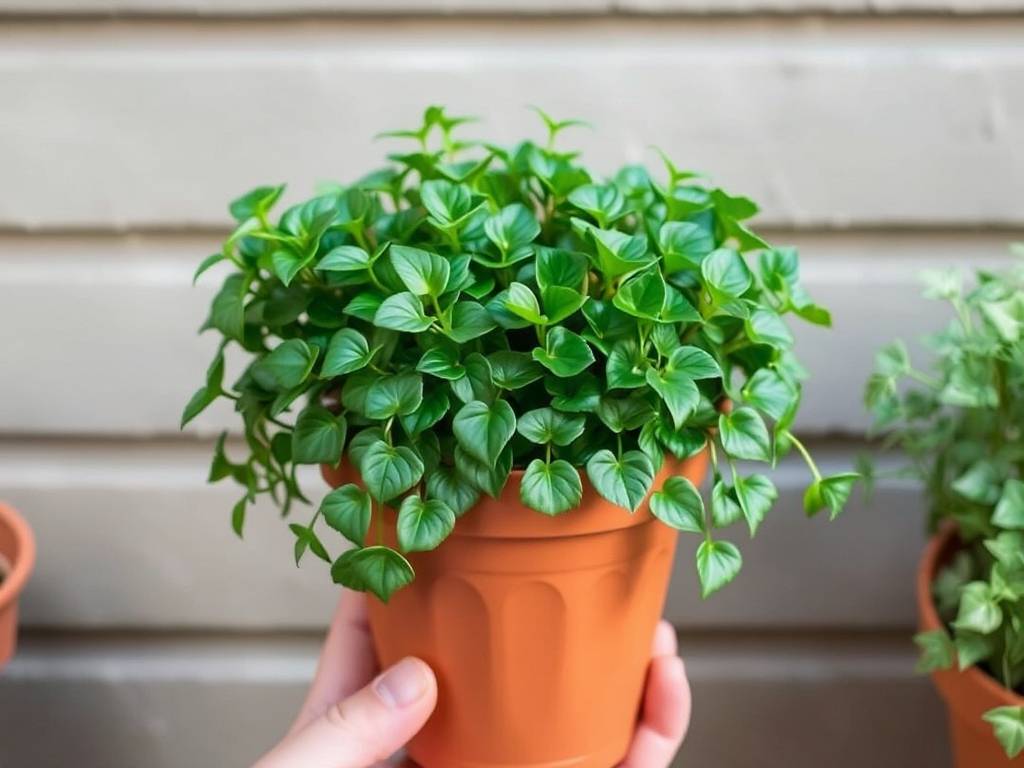
Wood: Wooden pots add a natural, rustic look to your space. They’re lightweight (depending on the type of wood) and can be used for stand - type pots with trellises. However, wood can rot over time if it’s exposed to constant moisture. To prevent this, line the inside of the wooden pot with plastic or treat the wood with a water - resistant sealant.
Size: Giving Ivy Room to Grow
Choosing the right size pot is crucial for ivy’s growth. As a general rule, ivy should be repotted every 1 - 2 years, or when you notice the roots growing out of the drainage holes or circling the bottom of the pot. When repotting, choose a pot that’s 1 - 2 inches larger in diameter than the current pot.
For young ivy plants (less than a year old), a 6 - 8 inch pot is usually sufficient. As the plant grows, you can move it to a 10 - 12 inch pot. Avoid jumping to a pot that’s too large—for example, moving a 6 - inch ivy to a 14 - inch pot—because the excess soil will hold onto water, increasing the risk of root rot.
For hanging pots, size is also important for weight. A large hanging pot filled with soil and water can be very heavy, so make sure your hanging hardware (hooks, chains, ropes) is rated to support the weight. Most ceiling hooks can support 10 - 20 pounds, so check the weight of the pot (empty) plus the weight of the soil and water before hanging.
How to Set Up Your Ivy Pot for Success
Once you’ve chosen the perfect pot (hanging or stand - type), it’s time to set it up to support your ivy’s growth. Follow these steps to ensure your ivy gets off to a great start:
Step 1: Prepare the Pot with Drainage Materials
Even if your pot has drainage holes, adding a layer of drainage material at the bottom can help prevent soil from clogging the holes. This is especially important for hanging pots, where clogged drainage holes can lead to water dripping onto floors.
Add a 1 - 2 inch layer of gravel, pebbles, or broken pottery shards to the bottom of the pot. This layer creates a space for excess water to collect without saturating the soil. Avoid using materials like sand, which can compact and block the drainage holes.
Step 2: Choose the Right Soil for Ivy
Ivy prefers well - draining, nutrient - rich soil. A good potting mix for ivy should be light and airy, with a mix of organic matter and perlite or vermiculite to improve drainage. You can buy a pre - made indoor plant potting mix or make your own by combining:
Avoid using garden soil, which is too heavy and can compact in pots, leading to poor drainage. Garden soil may also contain pests or diseases that can harm your ivy.
Step 3: Plant the Ivy Correctly
When planting your ivy, gently remove it from its nursery pot and loosen the root ball with your fingers. This helps the roots spread out in the new pot. Place the ivy in the center of the new pot, making sure the top of the root ball is level with the top of the soil (don’t plant it too deep, as this can cause the stem to rot).
Fill in the gaps around the root ball with potting mix, pressing gently to remove air pockets. Water the ivy thoroughly after planting to help the soil settle and the roots establish.
Step 4: Add Supports (for Stand - Type Pots)
If you’re using a stand - type pot, add the support structure (trellis, stake, or moss pole) before or after planting. If adding it after planting, be careful not to damage the ivy’s roots. Gently push the support into the soil, making sure it’s firmly anchored.
Once the support is in place, guide the ivy’s vines toward it. You can use soft plant ties (like twine or Velcro ties) to attach the vines to the support, but be gentle—ivy’s stems are delicate, and tight ties can damage them. As the ivy grows, it will produce aerial roots that attach to the support on their own.
Step 5: Hang the Pot Safely (for Hanging Pots)
For hanging pots, make sure the hanging hardware is secure before placing the pot. Use a ceiling hook that’s rated for the weight of the pot (empty) plus soil and water. If you’re hanging the pot from a shelf or wall hook, check that the shelf or wall can support the weight.
Adjust the height of the hanging pot so that the ivy’s vines have room to trail down without touching the floor. If the pot is hanging near a window, make sure the ivy gets enough light (most ivy varieties prefer bright, indirect light).
Common Questions About Choosing Ivy Pots
Even with the right guide, you might still have questions about choosing the perfect pot for your ivy. Here are answers to some of the most common questions:
Can I Use a Decorative Pot Without Drainage Holes for Ivy?
While decorative pots without drainage holes can look beautiful, they’re not ideal for ivy. Without drainage, water will collect at the bottom of the pot, leading to root rot. If you really want to use a decorative pot without holes, you can use it as a “cachepot”—place the ivy in a plastic pot with drainage holes inside the decorative pot. Make sure to empty the decorative pot of excess water after watering, so the ivy’s roots aren’t sitting in water.
How Often Should I Repot My Ivy?
Ivy should be repotted every 1 - 2 years, or when you notice signs that it’s root - bound. Signs of a root - bound ivy include roots growing out of the drainage holes, soil drying out quickly (because the roots are taking up most of the space), and stunted growth. When repotting, choose a pot that’s 1 - 2 inches larger in diameter than the current pot.
What’s the Best Hanging Hardware for Ivy Pots?
The best hanging hardware depends on the weight of the pot and where you’re hanging it. For ceiling hooks, choose ones made of metal (not plastic) that are rated for at least 10 - 20 pounds (more if the pot is large or heavy). For wall or shelf hooks, make sure they’re anchored into studs (for walls) or can support the weight of the pot. Chains are more durable than ropes for hanging pots, as ropes can rot or break over time.
Do Stand - Type Ivy Pots Need to Be Heavy?
Stand - type ivy pots don’t necessarily need to be heavy, but they do need to be stable. A lightweight pot with a wide base can be just as stable as a heavy pot. If you’re using a lightweight plastic pot, you can add a layer of gravel at the bottom to weigh it down and prevent tipping. Avoid tall, narrow pots with small bases, as they’re more likely to tip over when the ivy grows and adds weight to the top.
Can I Use a Hanging Pot for Climbing Ivy?
While hanging pots are designed for trailing ivy, you can use them for climbing ivy if you add a small support structure. For example, you can place a mini trellis inside a hanging pot and train the ivy to climb up the trellis. This creates a unique, vertical look for your hanging ivy. Just make sure the hanging hardware can support the weight of the pot, soil, ivy, and trellis.
Final Tips for Keeping Your Ivy Healthy in Its New Pot
Choosing the right pot is the first step to a healthy ivy, but there are a few more things you can do to ensure your plant thrives:
Water correctly: Ivy likes to be kept evenly moist but not waterlogged. Water your ivy when the top 1 - 2 inches of soil feel dry to the touch. In hanging pots, water until excess water drains out of the holes; in stand - type pots, avoid overwatering by emptying the saucer after 30 minutes.
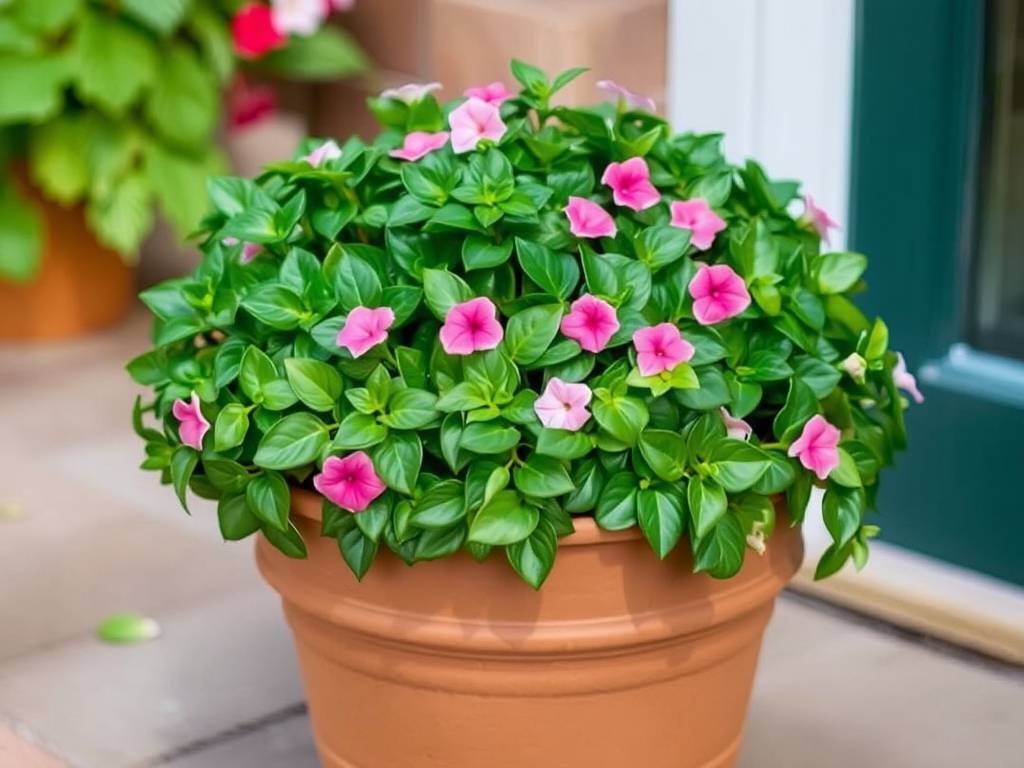
Provide enough light: Most ivy varieties prefer bright, indirect light. Avoid placing your ivy in direct sunlight (especially in metal pots, which can get hot) or in dark corners, where it will become leggy and lose its vibrant color.
Prune regularly: Pruning helps keep your ivy in shape and encourages bushier growth. For trailing ivy, trim the vines to keep them from getting too long; for climbing ivy, prune any dead or yellow leaves and trim back overgrown vines to keep them attached to the support.
Fertilize occasionally: Ivy doesn’t need a lot of fertilizer, but a light feeding every 4 - 6 weeks during the growing season (spring and summer) can help it grow. Use a balanced, water - soluble fertilizer diluted to half strength.
By following this guide, you’ll be able to choose a pot that not only looks great in your space but also supports your ivy’s climbing and trailing habits. Whether you opt for a hanging pot that lets vines cascade down or a stand - type pot with a trellis for upward growth, your ivy will reward you with lush, healthy foliage for years to come.
 bluename