 bluename
 How to Care for Indoor Ivy: Tips for Climbing Growth and Lush Foliage
Understanding Your Indoor Ivy: Common Varieties and Growth Habits
Light Requirements: Finding the Perfect Spot for Your Ivy
Ideal Light Conditions for Lush Foliage
Adjusting for Low-Light Areas
Place the ivy as close to a window as possible, even if it’s a south-facing window with a curtain.
Avoid placing it in dark corners or rooms without windows—this will eventually cause leaf drop.
Consider using a grow light if the light is extremely low. A LED grow light set on a 12-hour timer can provide the extra light your ivy needs to stay green and full.
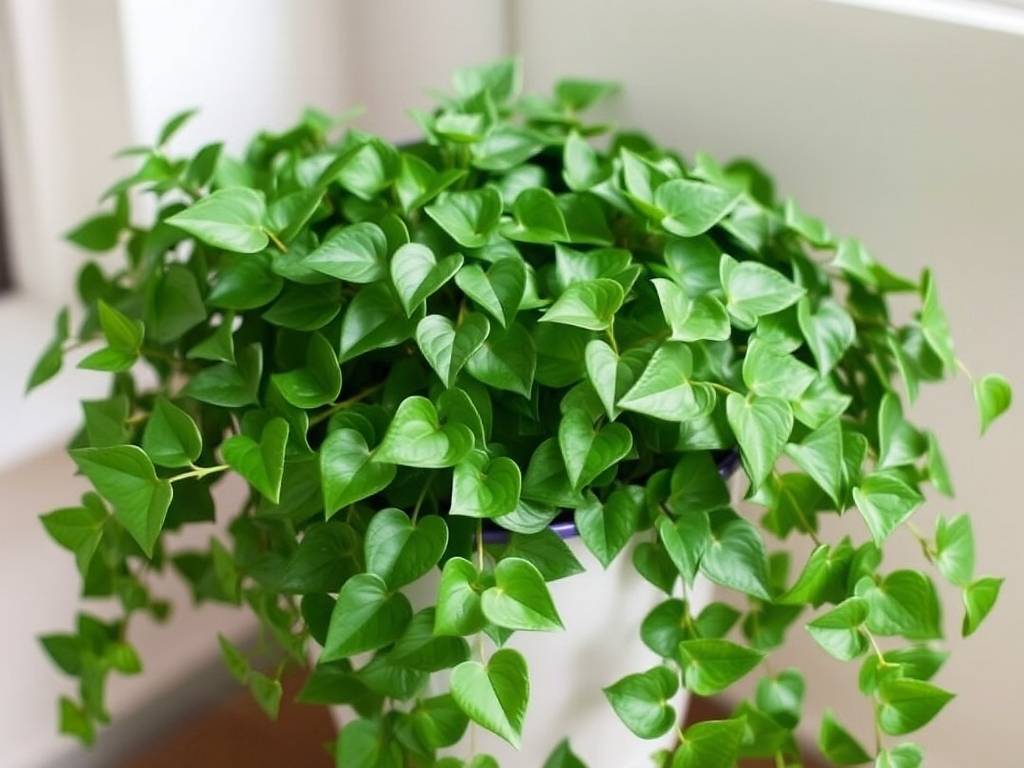
Signs Your Ivy Isn’t Getting Enough Light
Leggy vines with few leaves.
Pale, yellow leaves that fall off easily.
Slow growth (you haven’t seen new leaves in months).
Watering Tips: Keeping Soil Moist (But Not Wet)
How Often to Water Your Ivy
How to Water Correctly
Signs of Overwatering and Underwatering
Overwatering: Yellow leaves (especially near the base of the plant), wilting even though the soil is wet, a foul smell from the soil (a sign of root rot).
Underwatering: Dry, crispy leaves that curl at the edges, soil that’s hard and pulls away from the pot, vines that feel limp and brittle.
Soil and Potting: Choosing the Right Foundation for Growth
Best Soil Mix for Indoor Ivy
2 parts peat moss or coconut coir (retains moisture)
1 part perlite or vermiculite (improves drainage)
1 part compost or worm castings (adds nutrients)
Choosing the Right Pot
When and How to Repot
Gently remove the ivy from its current pot. If it’s stuck, tap the sides of the pot or run a knife around the edge of the soil to loosen it.
Inspect the roots: healthy roots are white or light brown, while unhealthy roots are brown and mushy. Trim off any unhealthy roots with clean, sharp scissors.
Fill the new pot with a layer of fresh soil. Place the ivy in the pot so that the top of the root ball is about 1 inch below the rim of the pot.
Add more soil around the root ball, pressing gently to remove air pockets.
Water the plant thoroughly to help the soil settle around the roots.
Temperature and Humidity: Creating a Comfortable Environment
Ideal Temperature Range
Avoid placing the ivy near doors that open to the outside (especially in winter).
Keep it away from heating vents, air conditioners, and radiators.
If you have a fireplace, don’t put the ivy too close—sudden temperature changes from the fire can damage the leaves.
Humidity: Keeping Leaves Bright and Preventing Dryness
Mist the leaves: Use a spray bottle filled with room-temperature water to mist the leaves 2-3 times a week. Avoid misting too much—you don’t want the leaves to stay wet all day (this can lead to fungal diseases).
Use a pebble tray: Fill a shallow tray with pebbles and add water until the pebbles are half-submerged. Place the pot on top of the pebbles (make sure the pot doesn’t touch the water). As the water evaporates, it will increase the humidity around the plant.
Group plants together: Plants release moisture through their leaves (a process called transpiration). Grouping your ivy with other houseplants will create a more humid microclimate.
Use a humidifier: If you have multiple plants or live in a very dry area, a humidifier is the easiest way to keep humidity levels consistent. Set it to 40-60% and place it near the ivy.
Signs of Temperature or Humidity Stress
Temperature stress: Leaves turning yellow and dropping off, wilting, slow growth.
Low humidity: Brown, crispy leaf edges, dull foliage, dry soil that dries out quickly.
Fertilizing: Feeding Your Ivy for Growth and Bright Leaves
When to Fertilize
Choosing the Right Fertilizer
How to Fertilize Correctly
Dilute the fertilizer according to the label instructions. It’s better to use a weaker solution than a stronger one—over-fertilizing is more harmful than under-fertilizing.
Water the plant with the diluted fertilizer instead of plain water. This ensures that the nutrients are evenly distributed and absorbed by the roots.
Don’t fertilize more often than recommended. For most fertilizers, once every 2-4 weeks during the growing season is enough.
Signs of Over-Fertilizing
Brown or yellow tips on the leaves.
A white, crusty substance on the surface of the soil (this is excess fertilizer salt).
Wilting, even though the soil is moist.
Training Ivy to Climb: Tips for Vertical Growth
Choosing a Support for Climbing
Trellises: Small, portable trellises are perfect for potted ivy. They come in a variety of shapes (like squares, arches, or triangles) and materials (like wood, metal, or plastic). Place the trellis in the pot with the ivy, making sure it’s stable.
Moss poles: Moss poles are great for ivy that needs a more natural-looking support. They’re made of a pole wrapped in moss, which the ivy’s aerial roots can cling to. Moss poles also help increase humidity around the plant.
Wall hooks and string: If you want your ivy to climb up a wall, use small wall hooks and string. Attach the hooks to the wall at intervals, and tie the ivy’s vines to the string with soft twine (don’t tie too tight—you don’t want to damage the vines).
Furniture: You can also train ivy to climb up bookshelves, mantels, or chair legs. Just gently guide the vines along the furniture and use small clips (like plant clips) to hold them in place.
How to Train Ivy to Climb
Start when the plant is young: Young ivy vines are more flexible and easier to train than mature ones. If you have a mature ivy, you can still train it, but it may take longer.
Guide the vines: Gently wrap the ivy’s vines around the support. Make sure the aerial roots (the small, brown roots that grow along the vines) are touching the support—these roots will cling to the surface and help the ivy climb on its own.
Secure the vines: Use soft twine, plant clips, or even paperclips (bent open) to hold the vines in place. Don’t use tape or anything sticky—this can damage the vines.
Trim as needed: As the ivy grows, it may send out new vines that don’t follow the support. Trim these vines back to keep the plant looking neat and to encourage
Troubleshooting Climbing Issues
Vines won’t cling to the support: Make sure the support is rough enough for the aerial roots to grip. Smooth surfaces like plastic or glass are hard for ivy to cling to—try wrapping the support in burlap or moss to create a rougher texture. You can also mist the support lightly to keep it moist, which helps the aerial roots attach.
Vines are growing downward instead of upward: This is usually a sign that the ivy isn’t getting enough light. Ivy grows toward light, so if the light source is below the plant, the vines will grow down. Move the ivy to a spot where the light is above or to the side of the support, and gently redirect the vines upward.
Vines are too weak to climb: Weak vines are often a result of poor care—like too little light, overwatering, or lack of nutrients. Fix the underlying issue first (e.g., move to a brighter spot, adjust watering, or fertilize) and then start training the vines once they become stronger.
Pruning: Keeping Your Ivy Neat and Encouraging Full Growth
When to Prune Your Ivy
How to Prune Correctly
Identify what to prune: Look for vines that are too long, leggy (with few leaves), or dead/diseased. You can also prune to shape the plant—for example, if you want a climbing ivy to stay within the bounds of its trellis, trim any vines that grow outside of it.
Make clean cuts: Cut the vine just above a leaf node (the small bump where a leaf grows from the vine). This is where new growth will emerge, so cutting above a node ensures that the plant will grow back fuller. Avoid cutting too close to the main stem—leave a small section of the vine above the node to prevent damage.
Don’t over-prune: It’s okay to trim back up to one-third of the plant at a time, but more than that can stress the ivy. If your ivy is very overgrown, prune it in stages over a few weeks—this gives the plant time to recover between cuts.
Using Pruned Cuttings to Propagate New Ivy Plants
Prepare the cuttings: Take a cutting that’s 4-6 inches long and has at least 2-3 leaf nodes. Remove the leaves from the bottom 2 inches of the cutting (this is where the roots will grow).
Root the cuttings: Place the cutting in a glass of room-temperature water, making sure the bottom 2 inches are submerged. Keep the glass in a bright, indirect light spot and change the water every 2-3 days to prevent rot.
Plant the cuttings: After 2-4 weeks, you’ll see roots growing from the bottom of the cutting. Once the roots are 1-2 inches long, plant the cutting in a small pot filled with well-draining soil. Water it thoroughly and keep it in a shaded spot for a few days to help it acclimate.
Pest and Disease Control: Keeping Your Ivy Healthy
Common Pests That Affect Indoor Ivy
Aphids: These small, green or black insects cluster on the undersides of leaves and along the stems. They suck sap from the plant, causing leaves to turn yellow and curl. To treat aphids, spray the plant with a strong stream of water to knock them off, then apply insecticidal soap (follow the label instructions) every 3-5 days until they’re gone.
Spider mites: These tiny, red or brown mites are hard to see with the naked eye, but you’ll notice fine webbing on the leaves and stems. They also suck sap, leading to yellow, stippled leaves. To treat spider mites, increase humidity around the plant (they thrive in dry air) and spray with insecticidal soap or neem oil. You may need to repeat the treatment several times to kill all the mites.
Mealybugs: These white, fuzzy insects hide in the crevices between leaves and stems. They secrete a sticky substance called honeydew, which can attract mold. To treat mealybugs, dab them with a cotton swab dipped in rubbing alcohol (this kills them on contact). For severe infestations, use insecticidal soap.
Scale insects: These small, brown or black insects look like tiny bumps on the stems and leaves. They also suck sap and secrete honeydew. To treat scale, scrape them off with a fingernail or a soft brush, then apply neem oil to kill any remaining insects.
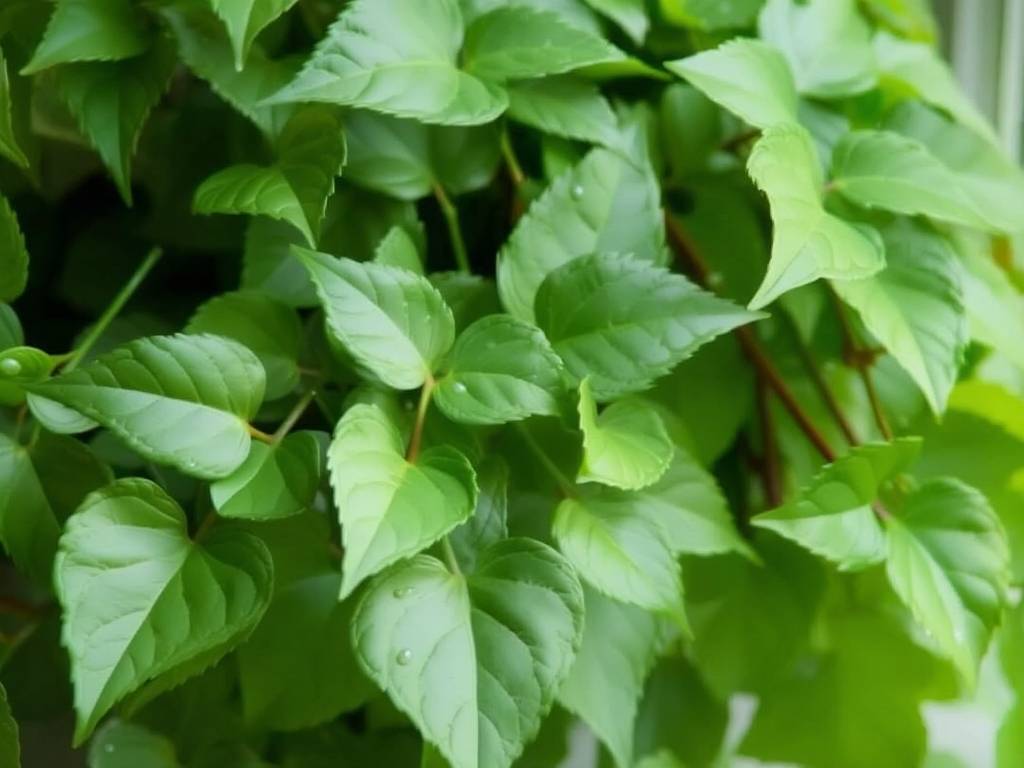
Common Diseases That Affect Indoor Ivy
Powdery mildew: This disease appears as a white, powdery coating on the leaves. It’s caused by high humidity and poor air circulation. To prevent powdery mildew, avoid misting the leaves too much, make sure the plant has enough space for air to circulate, and keep it away from other diseased plants. To treat it, remove the affected leaves and spray the plant with a fungicide (like baking soda mixed with water: 1 teaspoon baking soda, 1 quart water, and a few drops of dish soap).
Root rot: As we mentioned earlier, root rot is caused by overwatering and poor drainage. To prevent it, use well-draining soil and a pot with drainage holes, and avoid letting the plant sit in standing water. To treat root rot, remove the plant from the pot, trim off the brown, mushy roots, repot it in fresh soil, and reduce watering.
Preventing Pests and Diseases
Inspect new plants: Before bringing a new ivy (or any houseplant) into your home, inspect it carefully for pests or signs of disease. Quarantine new plants for 2-3 weeks to make sure they don’t spread pests to your other plants.
Keep the plant clean: Dust the leaves regularly with a soft cloth—this not only keeps the leaves shiny but also removes pests and spores that can cause disease.
Provide proper care: A healthy ivy is less likely to be attacked by pests or diseases. Make sure your ivy gets the right light, water, and humidity, and fertilize it regularly during the growing season.
Special Tips for Keeping Ivy Leaves Bright and Lush
Cleaning the Leaves
For small plants: Use a soft, damp cloth to wipe each leaf gently. Avoid scrubbing too hard—you don’t want to damage the leaf surface.
For large plants: Fill a spray bottle with room-temperature water and a few drops of mild dish soap (make sure it’s biodegradable and doesn’t contain harsh chemicals). Spray the leaves lightly, then rinse with a spray of plain water. Let the plant dry in a shaded spot to avoid sunburn.
Avoiding Leaf Damage
Don’t touch the leaves too much: The oils from your hands can build up on the leaves, making them look dull. Only touch the leaves when you’re cleaning or pruning.
Keep away from pets and children: Pets (especially cats) love to chew on ivy leaves, which can cause damage to the plant and be toxic to the pet. Ivy leaves are also toxic to children, so keep the plant out of reach.
Avoid cold drafts: As we mentioned earlier, cold drafts can cause leaves to turn yellow and drop off. Make sure your ivy is placed in a spot with stable temperatures.
Enhancing Leaf Color
Provide enough light: Pale leaves are often a sign of too little light. Move the ivy to a brighter spot (but not direct sunlight) to help the leaves regain their green color.
Fertilize with iron: Iron deficiency can cause leaves to turn yellow (while the veins stay green). If you notice this, use a fertilizer that contains iron (look for “iron chelate” on the label) to restore the leaf color.
Avoid overwatering: Overwatering can dilute the nutrients in the soil, leading to pale leaves. Make sure you’re only watering when the top 1-2 inches of soil are dry.





