bluename
 How to Identify Pepperwood Varieties and Care for Different Leaf-Type Pepperwoods
H2: Key Methods to Identify Pepperwood Varieties
H3: 1. Observe Leaf Shape, Color, and Edge Details
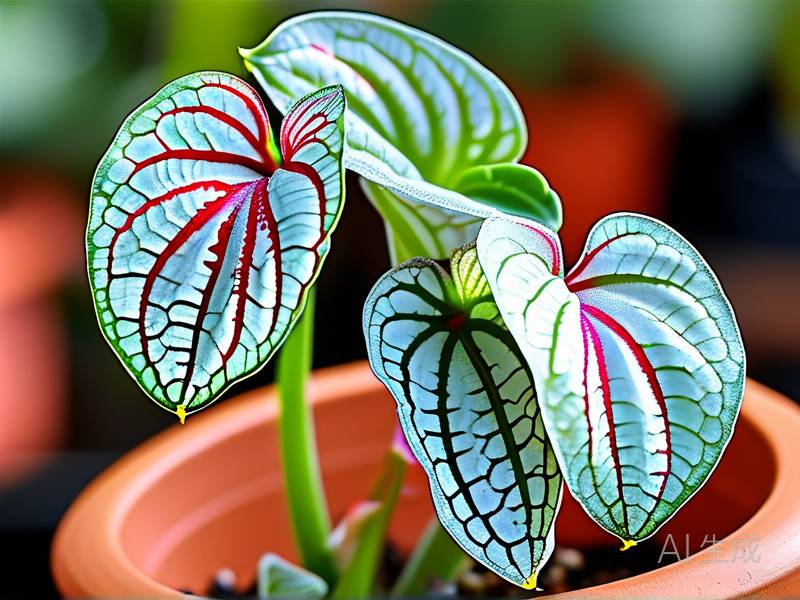
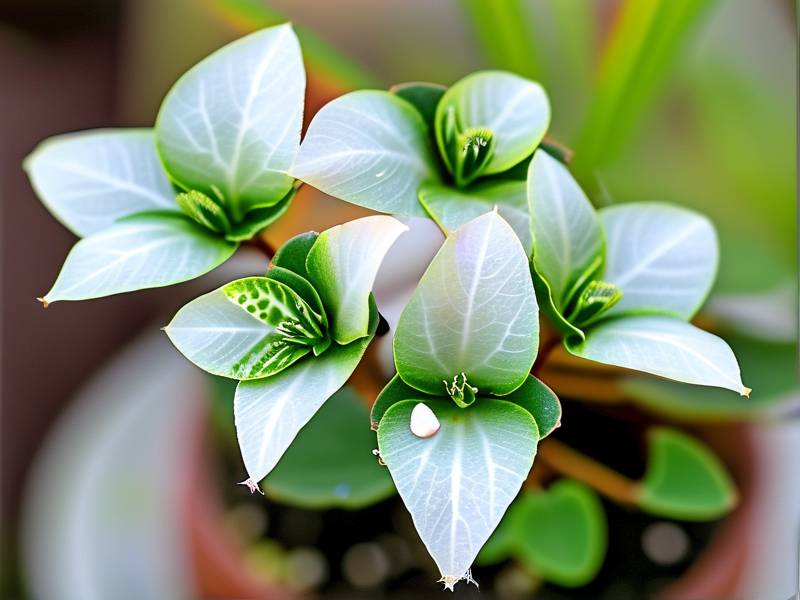
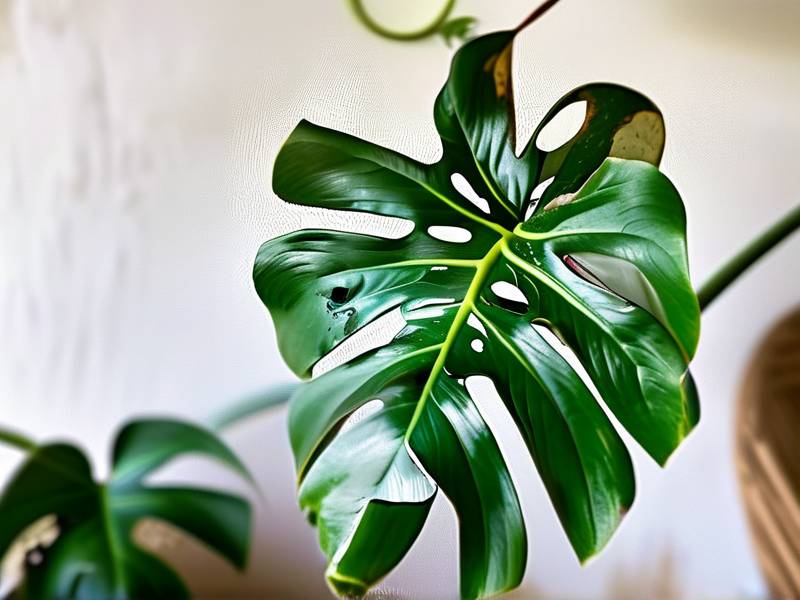
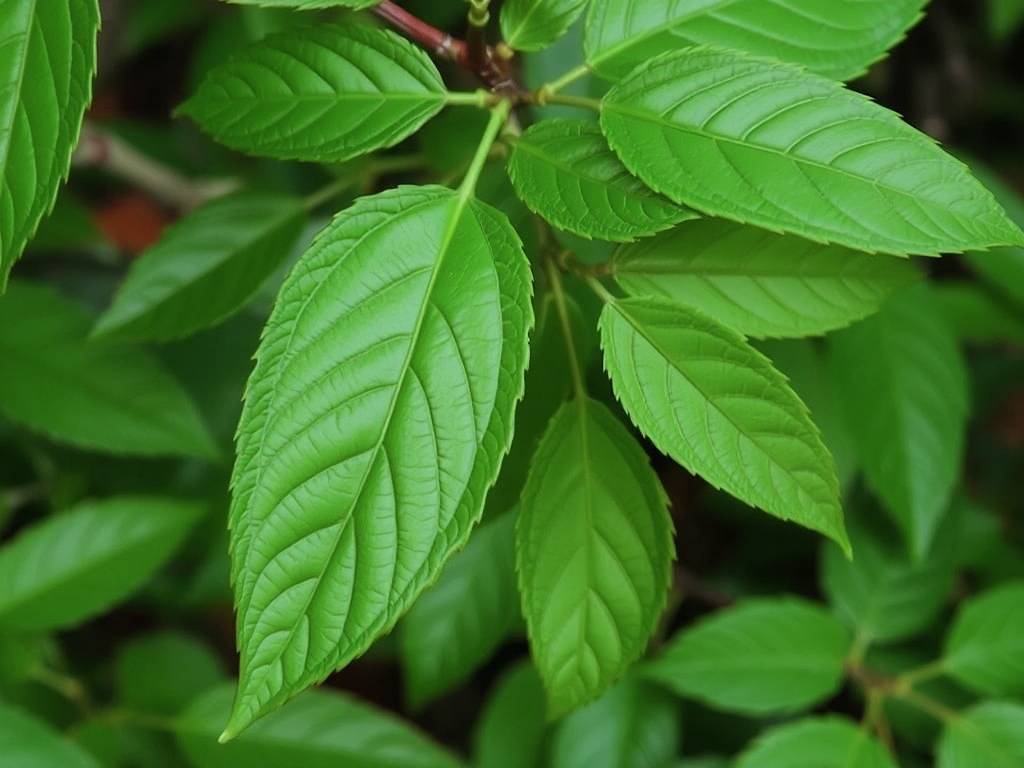
Shape: Most pepperwood varieties have oval or lance-shaped leaves, but the size and proportion vary. For example, Zanthoxylum piperitum (Japanese pepperwood) has small, oval leaves (about 2–4 cm long) with a rounded tip, while Zanthoxylum simulans (Sichuan pepperwood) has longer, narrower leaves (3–6 cm long) with a pointed tip. Some rare varieties, like Zanthoxylum acanthopodium, have slightly curved leaves that give them a unique appearance.
Color: Young pepperwood leaves often have a reddish or bronze tint, which fades as they mature. Mature leaves of common varieties are deep green, but Zanthoxylum schinifolium (Korean pepperwood) has lighter green leaves with a glossy sheen. If you notice variegated leaves (green with white or yellow spots), you might be looking at a cultivated hybrid, though variegation is rare in wild pepperwood species.
Edge Texture: Run your finger along the leaf edge—some varieties have smooth edges (Z. piperitum), while others have fine, tooth-like serrations (Z. simulans). Zanthoxylum clava-herculis (Hercules’ club pepperwood) has more prominent, sharp serrations, which is a key trait to distinguish it from other types.
H3: 2. Check Stem and Thorn Characteristics
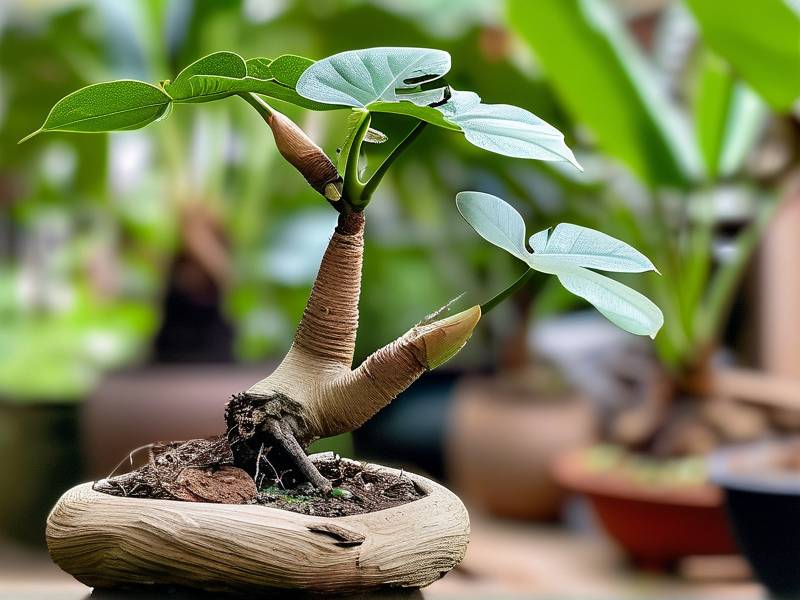
Stem Color and Texture: Young stems of most pepperwood varieties are green or reddish-green, turning brown or gray as they age. Z. piperitum has smooth stems, while Z. simulans has slightly fuzzy stems (especially when young). Z. clava-herculis has thick, woody stems with a rough, bumpy texture that becomes more pronounced with age.
Thorn Presence and Shape: Not all pepperwoods have thorns, but many do—and their size and placement are unique to each variety. Z. piperitum has small, thin thorns (1–2 mm long) that grow sparsely along the stems. Z. simulans has longer, stiffer thorns (3–5 mm long) that cluster near leaf nodes. Z. clava-herculis is known for its large, curved thorns (up to 2 cm long) that resemble small claws, which is how it got its common name “Hercules’ club.” If you encounter a pepperwood with no thorns at all, it might be Zanthoxylum armatum (Himalayan pepperwood), a thornless variety native to mountainous regions.
H3: 3. Smell the Leaves (Aromatic Test)
Z. piperitum (Japanese pepperwood) releases a strong, peppery scent with hints of lemon.
Z. simulans (Sichuan pepperwood) has a more intense, numbing spice aroma (similar to Sichuan peppercorns used in cooking).
Z. schinifolium (Korean pepperwood) has a milder, fresh citrus scent, making it popular for use in herbal teas.
Z. clava-herculis has a sharp, slightly bitter aroma that’s less pleasant than other varieties, which helps distinguish it from more commonly cultivated types.
H3: 4. Consider Growth Habit and Native Habitat
Growth Habit: Z. piperitum is a small shrub that grows 1–2 meters tall, making it ideal for indoor pots or small gardens. Z. simulans can grow into a medium-sized tree (3–5 meters tall) with a spreading canopy. Z. clava-herculis is a large tree (up to 10 meters tall) with a straight trunk, often found in forested areas. Z. armatum (Himalayan pepperwood) is a low-growing shrub (0.5–1.5 meters tall) that thrives in rocky, high-altitude soils.
Native Habitat: Knowing where a pepperwood originates can narrow down the variety. Japanese pepperwood (Z. piperitum) is native to Japan, Korea, and China’s eastern regions. Sichuan pepperwood (Z. simulans) comes from central and western China. Korean pepperwood (Z. schinifolium) is found in Korea and northeastern China. Hercules’ club (Z. clava-herculis) is native to North America, growing in the eastern and southern U.S. If you purchased your pepperwood from a nursery, asking about its origin can save you time in identification.
H2: Care Differences for Pepperwoods with Different Leaf Thickness (Leaf-Type Variations)
H3: 1. Thin-Leaved Pepperwoods: Care Tips for Delicate Foliage
Light Requirements
Watering Schedule
Humidity and Temperature
Soil and Fertilizer
H3: 2. Medium-Thick-Leaved Pepperwoods: Balanced Care for Versatile Foliage
Light Requirements
Watering Schedule
Humidity and Temperature
Soil and Fertilizer
H3: 3. Thick-Leaved Pepperwoods: Care Tips for Drought-Tolerant Foliage
Light Requirements
Watering Schedule
Humidity and Temperature
Soil and Fertilizer
H2: Common Mistakes to Avoid When Caring for Pepperwoods (Regardless of Leaf Type)
H3: 1. Overwatering (the #1 Mistake)
H3: 2. Ignoring Pest Infestations
H3: 3. Pruning at the Wrong Time
H3: 4. Using the Wrong Pot Size
H2: Final Tips for Successful Pepperwood Care
Monitor Leaf Health: The leaves are a good indicator of your pepperwood’s health. If leaves turn yellow, it’s often a sign of overwatering; if they turn brown at the edges, it could be too much sun or low humidity. Adjust your care routine based on what the leaves tell you.
Rotate Indoor Plants: If you’re growing your pepperwood indoors, rotate the pot every 2–3 weeks to ensure all sides of the plant get equal light—this prevents it from leaning toward the light source and keeps its shape balanced.
Outdoor vs. Indoor Care: If you move your pepperwood outdoors for summer (common for potted varieties), acclimate it to outdoor light gradually (as mentioned earlier) to avoid sunburn. Bring it indoors before the first frost in fall, as most pepperwoods can’t tolerate freezing temperatures.
**Enjoy the
H2: Troubleshooting Common Pepperwood Problems (By Leaf Type)
H3: 1. Issues with Thin-Leaved Pepperwoods
Curling or Crispy Leaves: This is usually a sign of low humidity or underwatering. If the leaves are crispy at the edges and curled inward, increase humidity by misting the plant daily or placing a humidifier nearby. If the soil is dry, water thoroughly and check the soil more frequently (every 2 days) until the leaves recover.
Yellowing Leaves with Soft Stems: Overwatering is the culprit here—soggy soil causes root rot, which leads to yellow, droopy leaves and soft stems. Stop watering immediately and check the roots: gently remove the plant from its pot. If the roots are brown and mushy (not white or tan), trim off the rotted roots with clean scissors, repot the plant in fresh, well-draining soil, and water sparingly for the next 2–3 weeks.
Sunscald (Brown Spots on Leaves): Direct sunlight causes thin leaves to develop brown, dry spots. Move the plant to a spot with filtered light and trim off the damaged leaves—new growth will be healthy if protected from harsh sun.
H3: 2. Issues with Medium-Thick-Leaved Pepperwoods
Leggy Growth (Long Stems with Few Leaves): This happens when the plant doesn’t get enough light— it stretches toward the light source, resulting in sparse foliage. Move the plant to a brighter spot (partial sun or bright indirect light) and prune the leggy stems back to encourage bushier growth. New leaves will grow closer together once the plant gets enough light.
Pale Green Leaves: Pale leaves are a sign of nutrient deficiency, especially nitrogen. Fertilize the plant with a balanced, water-soluble fertilizer (diluted to half strength) once a month for 2–3 months—this will restore the leaves’ deep green color. Avoid overfertilizing, though, as this can cause leaf burn.
Leaf Drop in Winter: Medium-thick-leaved pepperwoods may drop a few leaves in winter (normal dormancy), but excessive leaf drop is a sign of cold stress. If the plant is near a cold window or draft, move it to a warmer spot (15–20°C/59–68°F) and reduce watering—this will stop further leaf loss.
H3: 3. Issues with Thick-Leaved Pepperwoods
Mushy Leaves and Root Rot: Overwatering causes thick leaves to become soft and mushy (instead of firm and fleshy). Follow the same steps as for overwatered thin-leaved pepperwoods: stop watering, check roots, trim rotted roots, repot in fresh soil, and water sparingly. Thick-leaved pepperwoods need to dry out completely between waterings—never let the soil stay wet.
Leaf Burn (Brown Tips on Leaves): Too much fertilizer causes the tips of thick leaves to turn brown and dry. Flush the soil with water to remove excess fertilizer: water the plant thoroughly until water runs out of the drainage holes, and repeat 2–3 times. Stop fertilizing for 1–2 months, then resume with a diluted fertilizer (1/4 strength instead of 1/2) to avoid future burn.
Slow Growth in Summer: Thick-leaved pepperwoods grow fastest in warm, sunny conditions—if growth slows in summer, check the light: make sure the plant is getting 6–8 hours of direct sun. If it’s in a spot with partial sun, move it to full sun (acclimate gradually to avoid sunburn) and water when the soil is dry—this will boost growth.
H2: How to Propagate Different Pepperwood Varieties (By Leaf Thickness)
H3: 1. Propagating Thin-Leaved Pepperwoods (Stem Cuttings)
Step 1: Choose a Healthy Cutting: Select a stem that’s 5–7 cm long with 3–4 leaves. Make a clean cut just below a leaf node (where leaves attach to the stem) using sharp, sterilized scissors.
Step 2: Prepare the Cutting: Remove the lower 2 leaves (leave the top 1–2 leaves) to reduce moisture loss. Dip the cut end in rooting hormone powder (optional but helps speed up rooting).
Step 3: Plant the Cutting: Fill a small pot with a mix of peat moss and perlite (1:1 ratio). Make a hole in the soil with your finger, insert the cutting 2–3 cm deep, and gently press the soil around it.
Step 4: Care for the Cutting: Water the soil lightly to keep it moist (not soggy) and cover the pot with a clear plastic bag (to retain humidity). Place the pot in a spot with filtered light (avoid direct sun). Remove the bag every 2–3 days to let the cutting breathe.
Step 5: Transplant When Rooted: After 4–6 weeks, gently tug the cutting—if you feel resistance, roots have formed. Transplant the new plant into a slightly larger pot with well-draining soil and care for it as you would a mature thin-leaved pepperwood.
H3: 2. Propagating Medium-Thick-Leaved Pepperwoods (Stem Cuttings or Seed)
Propagation by Stem Cuttings: Follow the same steps as for thin-leaved pepperwoods, but use semi-hardwood cuttings (slightly woody stems) taken in late summer. Semi-hardwood cuttings are more resilient than softwood cuttings and root in 6–8 weeks.
Propagation by Seed:
Collect seeds from mature pepperwood berries (ripe berries are red or black). Remove the pulp from the seeds and rinse them with water.
Stratify the seeds (模拟 winter conditions) to improve germination: place the seeds in a plastic bag with moist peat moss, seal the bag, and store it in the refrigerator for 4–6 weeks.
After stratification, plant the seeds 1 cm deep in a pot with potting soil and sand (2:1 ratio). Water lightly and place the pot in partial sun.
Keep the soil moist—seeds will germinate in 2–3 weeks. Once the seedlings have 2–3 true leaves, transplant them into individual pots.
H3: 3. Propagating Thick-Leaved Pepperwoods (Leaf Cuttings or Stem Cuttings)
Propagation by Leaf Cuttings:
Select a healthy, mature leaf—gently twist it from the stem (make sure the leaf has a small piece of the stem attached, called a “petiole”).
Let the leaf cutting dry for 1–2 days in a warm, dry spot—this forms a callus on the cut end, which prevents rot.
Fill a pot with cactus/succulent soil and perlite (1:1 ratio). Place the leaf cutting on top of the soil (don’t bury it—just press the petiole slightly into the soil to hold it in place).
Water the soil lightly (only when it’s completely dry) and place the pot in bright, indirect light. Avoid direct sun, which can dry out the leaf.
After 3–4 weeks, small roots and new leaves will grow from the petiole. Once the new plant is 3–4 cm tall, transplant it into a small pot with fast-draining soil.
Propagation by Stem Cuttings: Follow the same steps as medium-thick-leaved pepperwoods, using semi-hardwood cuttings. Thick-leaved cuttings root quickly (4–5 weeks) if kept in warm, bright conditions.
H2: Choosing the Right Pepperwood Variety for Your Space
H3: 1. Indoor vs. Outdoor Space
Indoor Spaces: Choose small, compact varieties like Zanthoxylum piperitum (Japanese pepperwood, 1–2 meters tall) or young Zanthoxylum armatum (Himalayan pepperwood). These varieties adapt well to pots and don’t need too much space. Avoid large varieties like Z. clava-herculis (Hercules’ club), which grow into trees and are too big for indoor use.
Outdoor Spaces: For small gardens or patios, Z. piperitum or Z. schinifolium (Korean pepperwood) are great. For larger gardens or as a focal tree, Z. simulans (Sichuan pepperwood, 3–5 meters tall) or Z. clava-herculis (up to 10 meters tall) work well. If you live in a rocky or high-altitude area, Z. armatum (Himalayan pepperwood) will thrive.
H3: 2. Climate and Weather Conditions
Cold Climates (Temperatures Below 0°C/32°F): Choose frost-tolerant varieties like Z. clava-herculis (Hercules’ club) or Z. piperitum. These varieties can handle short periods of frost but should be covered or brought indoors during extended cold snaps.
Warm Climates (Temperatures Above 25°C/77°F): Thick-leaved varieties like Zanthoxylum coriaceum (Leathery pepperwood) or Z. simulans (Sichuan pepperwood) tolerate heat well. Thin-leaved varieties like Z. schinifolium need shade in hot climates to avoid sunscald.
Humid Climates: Thin-leaved and medium-thick-leaved varieties thrive in humid conditions (e.g., Z. schinifolium, Z. piperitum). Thick-leaved varieties can also grow in humidity but need well-draining soil to prevent root rot.
Dry Climates: Thick-leaved varieties are the best choice—they store moisture and tolerate low humidity (e.g., Z. coriaceum). If you choose a thin-leaved variety, use a humidifier indoors or mist the plant regularly outdoors.
H3: 3. Purpose (Culinary, Decorative, or Aromatic)
Culinary Use: Choose varieties with edible leaves or berries, like Z. piperitum (Japanese pepperwood, used in Japanese cuisine) or Z. simulans (Sichuan pepperwood, used in Sichuan dishes). Avoid Z. clava-herculis, which has bitter leaves and is not used for cooking.
Decorative Use: For variegated foliage (rare but available), look for cultivated hybrids of Z. piperitum. For unique shapes, Z. clava-herculis (with its large thorns) makes a striking focal point outdoors, while Z. schinifolium (light green, glossy leaves) adds elegance to indoor spaces.
Aromatic Use: Z. schinifolium (mild citrus scent) is perfect for potpourri or herbal teas. Z. piperitum (peppery-lemon scent) adds a fresh aroma to kitchens or living rooms.