bluename
 Comprehensive Guide to Pepper Wood Pest and Disease Control: Solving Leaf Wilt, Root Rot, and Waterlogging Issues
Understanding Common Pepper Wood Pests and How to Manage Them
Aphids: Tiny Pests That Sap Plant Vitality
Manual Removal: For small infestations, use a strong stream of water from a hose to wash aphids off the leaves. Repeat every 2-3 days until they’re gone.
Natural Predators: Introduce beneficial insects like ladybugs, lacewings, or parasitic wasps to your garden. These predators feed on aphids and help keep their populations in check. You can purchase them from garden centers or online.
Homemade Remedies: Mix 1 teaspoon of liquid dish soap with 1 liter of water and spray it on the affected leaves (focus on the undersides). The soap suffocates aphids without harming the plant. Avoid using this in direct sunlight to prevent leaf burn.
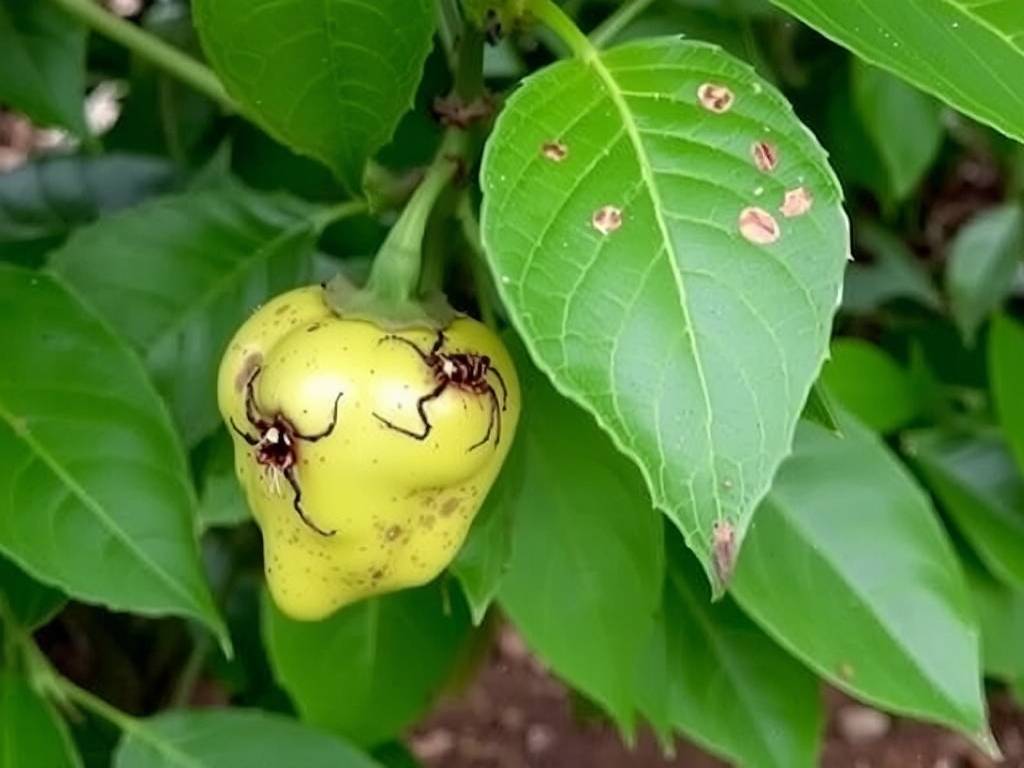
Chemical Treatments: If infestations are severe, use an insecticidal soap or neem oil. Follow the product instructions carefully, and apply it in the early morning or late evening to avoid harming pollinators.
Spider Mites: Invisible Threats to Foliage
Increase Humidity: Spider mites hate moist environments. Mist your pepper wood’s leaves regularly with water, or place a tray of water and pebbles near the plant (if it’s potted) to raise humidity levels.
Prune Infested Parts: Cut off heavily infested leaves or stems and dispose of them in the trash (not compost, as this can spread mites). Sterilize your pruning shears with rubbing alcohol before and after use to prevent cross-contamination.
Neem Oil Spray: Neem oil is effective against spider mites. Mix 2 tablespoons of neem oil with 1 liter of water and a few drops of liquid soap (to help the oil stick to leaves). Spray the entire plant, including the undersides of leaves, every 7-10 days for 2-3 weeks.
Insecticidal Soap: Use a commercial insecticidal soap specifically labeled for spider mites. Apply it thoroughly to all infested areas, and repeat as needed. Avoid using broad-spectrum pesticides, as they kill beneficial insects that control mite populations.
Scale Insects: Hard Shell Pests That Damage Stems and Leaves
Manual Scraping: For small infestations, use a soft-bristled brush or your fingernail to scrape scale insects off stems and leaves. Wipe the area with a damp cloth afterward to remove any remaining pests.
Horticultural Oil: Horticultural oil (also called dormant oil) works by suffocating scale insects. Apply it to the entire plant during cool, dry weather (avoid temperatures below 10°C or above 30°C). Make sure to cover all surfaces, including the undersides of leaves and crevices in stems. Repeat the application after 2-3 weeks to kill any newly hatched scales.
Systemic Insecticides: For severe infestations, use a systemic insecticide that is absorbed by the plant’s roots and transported to its leaves and stems. When scale insects feed on the sap, they ingest the insecticide and die. Follow the product instructions closely, and note that systemic insecticides may take a few weeks to work.
Identifying and Treating Pepper Wood Diseases
Powdery Mildew: White Fungal Growth on Leaves
Improve Air Circulation: Trim overcrowded branches or move potted pepper wood to a location with better air flow. This helps reduce humidity around the plant and prevents fungal growth.
Remove Infected Leaves: Pick off leaves with powdery mildew and dispose of them. Do not compost infected plant material, as the fungus can survive and spread.
Baking Soda Spray: Mix 1 tablespoon of baking soda, 1 teaspoon of liquid soap, and 1 liter of water. Spray this solution on the affected leaves every 7-10 days until the mildew disappears. Baking soda raises the pH level on leaf surfaces, making it difficult for the fungus to grow.
Fungicides: If the infection is severe, use a fungicide containing sulfur or potassium bicarbonate. Apply it according to the product label, and continue treatments until all signs of mildew are gone.
Leaf Spot: Brown or Black Spots on Foliage
Avoid Overhead Watering: Water pepper wood at the base of the plant (not from above) to prevent water from splashing on leaves. This reduces the spread of fungal spores and bacteria.
Prune Infected Leaves: Remove leaves with spots and dispose of them properly. Sterilize pruning tools with rubbing alcohol to prevent spreading the disease to healthy parts of the plant.
Fungal/Bacterial Treatments: If the leaf spot is fungal, use a fungicide containing chlorothalonil or mancozeb. For bacterial leaf spot, copper-based fungicides are effective. Follow the product instructions and apply treatments every 10-14 days until the disease is under control.
Clean Up Debris: Rake up fallen leaves and plant debris around the base of the pepper wood. This removes potential sources of fungal spores and bacteria that can overwinter and re-infect the plant in spring.
Solving Waterlogging-Related Issues: Leaf Wilt and Root Rot
How to Identify Waterlogging, Leaf Wilt, and Root Rot in Pepper Wood
Leaf Wilt: Leaves may look limp, droopy, or yellow, even when the soil is wet. This is because waterlogged roots can’t absorb nutrients and water properly, so the plant wilts despite having enough moisture.
Root Rot: To check for root rot, gently remove the pepper wood from its pot (or dig up a small section of soil if it’s planted in the ground). Healthy roots are white or light brown and firm. Rotting roots are dark brown, mushy, and have a foul odor.
Soil Conditions: If the soil is constantly wet, squelches when you press it, or has standing water around the base of the plant, this is a clear sign of waterlogging.
Step 1: Stop Overwatering and Improve Drainage
Check the Pot Drainage Holes: Make sure the pot has drainage holes at the bottom. If not, drill 3-4 holes (1/2 inch in diameter) to allow excess water to escape.
Remove Excess Water: If there’s water in the saucer under the pot, empty it immediately. Do not let the pot sit in standing water.
Repot with Well-Draining Soil: If the soil is heavy (e.g., mostly clay) or waterlogged, repot the pepper wood using a well-draining potting mix. A good mix is 2 parts potting soil, 1 part perlite, and 1 part coarse sand. This combination allows water to flow through quickly and prevents root suffocation.
Elevate the Pot: Place the pot on a tray of pebbles to raise it slightly. This helps air circulate under the pot and prevents water from pooling around the base.
Dig a Drainage Trench: If the area around the pepper wood is prone to waterlogging, dig a shallow trench (6-8 inches deep) leading away from the plant. Fill the trench with gravel to help channel excess water away from the roots.
Amend the Soil: Mix organic matter (like compost or well-rotted manure) and coarse sand into the soil around the plant. This improves soil structure, increases drainage, and adds nutrients. Aim to amend the soil in a 2-foot radius around the base of the pepper wood to cover the root zone.
Avoid Compacted Soil: Compacted soil doesn’t drain well, so avoid walking or placing heavy objects near the pepper wood’s root zone. If the soil is compacted, gently loosen it with a garden fork (being careful not to damage the roots) to improve air flow and drainage.
Step 2: Treat Root Rot to Save the Plant
Gently Remove the Plant from Soil/Pot: Carefully dig up the pepper wood (for in-ground plants) or take it out of its pot (for potted plants). Shake off excess soil from the roots to get a clear view.
Trim Rotting Roots: Use clean, sharp pruning shears or scissors to cut off all dark brown, mushy roots. Make sure to cut back to healthy, white or light brown roots—this is crucial to stop the rot from spreading.
Disinfect the Roots: Soak the remaining roots in a solution of 1 part hydrogen peroxide (3%) and 3 parts water for 10-15 minutes. This kills any remaining fungal or bacterial spores that cause root rot. Alternatively, you can use a solution of 1 teaspoon of bleach per liter of water (soak for 5 minutes, then rinse thoroughly to avoid damaging the roots).
Repot or Replant in Fresh Soil: For potted plants, use a clean pot (washed with soap and water, then disinfected with bleach) and fresh, well-draining potting mix (as described earlier). For in-ground plants, replant the pepper wood in the amended, well-draining soil you prepared in Step 1. Make sure the plant is planted at the same depth as it was before—planting too deep can lead to further root issues.
Water Sparingly: After repotting or replanting, water the pepper wood lightly to help the soil settle around the roots. Then, wait until the top 1-2 inches of soil are dry before watering again. Overwatering at this stage will only worsen root rot.
Step 3: Revive Wilted Leaves and Promote Recovery
Prune Damaged Foliage: Cut off severely wilted, yellow, or brown leaves. This reduces the plant’s stress and allows it to focus its energy on growing new, healthy leaves. Sterilize your pruning tools before and after use to prevent disease spread.
Provide Proper Light: Place the pepper wood in a location with bright, indirect sunlight. Avoid direct sunlight (especially during the hottest part of the day), as this can dry out the leaves and stress the plant further. If it’s an outdoor plant, consider providing temporary shade (e.g., with a shade cloth) until it recovers.
Avoid Fertilizing Immediately: Do not fertilize the pepper wood for at least 4-6 weeks after treating root rot. Fertilizer can burn the damaged roots and slow down recovery. Once the plant starts growing new leaves, you can use a balanced, water-soluble fertilizer (diluted to half strength) every 2-3 weeks during the growing season.
Monitor Progress: Check the plant regularly for new growth. Healthy new leaves are a sign that the plant is recovering. If you notice more wilting or root rot symptoms, repeat the treatment steps and adjust your watering habits further.
Preventive Measures to Keep Pepper Wood Healthy Long-Term
1. Choose the Right Location
Sunlight: Pepper wood needs 4-6 hours of bright, indirect sunlight per day. Avoid planting it in areas with full shade (which can lead to weak growth and fungal diseases) or intense midday sun (which can scorch leaves).
Soil: Plant pepper wood in well-draining soil. If your soil is heavy clay, amend it with compost, perlite, or sand before planting. For potted plants, always use a high-quality, well-draining potting mix.
Space: If planting multiple pepper wood plants or other shrubs, make sure to space them at least 3-4 feet apart. This allows for good air circulation and reduces the risk of pest and disease spread.
2. Water Correctly
Check Soil Moisture: Before watering, stick your finger 1-2 inches into the soil. If it feels dry, water the plant. If it’s still wet, wait a few days. Overwatering is the main cause of waterlogging and root rot, so err on the side of underwatering rather than overwatering.
Water at the Base: Water the soil around the base of the plant, not the leaves. This prevents water from splashing on foliage (which can spread diseases) and ensures that water reaches the roots where it’s needed.
Adjust for Weather: Reduce watering during rainy periods. During hot, dry weather, you may need to water more frequently, but always check the soil moisture first.
3. Regular Maintenance
Prune Annually: Prune pepper wood in late winter or early spring to remove dead, damaged, or overcrowded branches. This improves air circulation, reduces pest and disease habitat, and promotes healthy new growth.
Clean Up Debris: Rake up fallen leaves, twigs, and other plant debris around the base of the pepper wood regularly. This removes potential sources of pests and diseases.
Inspect Regularly: Check your pepper wood for signs of pests (e.g., aphids, spider mites) or diseases (e.g., powdery mildew, leaf spot) at least once a week. Early detection makes treatment much easier and more effective.
4. Boost Plant Health
Fertilize Appropriately: Feed pepper wood with a balanced, slow-release fertilizer in spring (when new growth starts) and again in summer. Avoid overfertilizing, as this can cause salt buildup in the soil and damage roots.
Mulch: Apply a 2-3 inch layer of organic mulch (e.g., wood chips, straw, or compost) around the base of the pepper wood. Mulch helps retain soil moisture (reducing the need for frequent watering), suppresses weeds, and adds nutrients to the soil as it decomposes. Keep the mulch a few inches away from the plant’s trunk to prevent rot.
Monitor for Stress: Stress (from drought, extreme temperatures, or poor soil) makes pepper wood more susceptible to pests and diseases. Keep an eye out for signs of stress (e.g
Troubleshooting Common Post-Treatment Issues
Issue 1: New Growth Looks Weak or Discolored
Check Light Exposure: Ensure the plant is getting bright, indirect light. If new growth is pale, it may be getting too little light—gradually move it to a brighter spot (avoid sudden changes, which can shock the plant). If leaves are curled or scorched, it may be getting too much direct sun—add temporary shade.
Light Fertilization: Once new growth appears (usually 4-6 weeks after treatment), feed the plant with a diluted, balanced fertilizer (e.g., 10-10-10) at half the recommended strength. This provides gentle nutrients without burning damaged roots. Repeat every 3-4 weeks until growth improves.
Monitor Soil pH: Pepper wood prefers slightly acidic to neutral soil (pH 6.0-7.0). If new growth is yellow with green veins, this may indicate iron chlorosis (a common issue in alkaline soil). Add chelated iron to the soil or spray it on leaves to correct the deficiency.
Issue 2: Soil Still Stays Wet Too Long (Even After Improving Drainage)
Check Pot Size (for Potted Plants): If the pot is too large for the plant, the soil will take longer to dry out (since the roots can’t absorb all the moisture). Repot the pepper wood into a pot that’s 1-2 inches larger in diameter than the root ball. This ensures the soil volume matches the plant’s water needs.
Add More Drainage Materials: For in-ground plants, mix additional perlite or gravel into the soil to improve drainage. For potted plants, line the bottom of the pot with a 1-inch layer of gravel before adding soil—this prevents the drainage holes from clogging with soil.
Adjust Watering Frequency: Even with good drainage, overwatering can keep soil wet. Wait until the top 2 inches of soil are completely dry before watering again. Use a moisture meter (available at garden centers) to check soil moisture if you’re unsure.
Issue 3: Pests or Diseases Return After Treatment
Repeat Treatment: For pests like spider mites or scale, repeat the treatment (e.g., neem oil spray, horticultural oil) 2-3 times at 7-10 day intervals. This kills any eggs or larvae that survived the first treatment.
Address the Root Cause: If powdery mildew returns, improve air circulation further (e.g., prune more branches, move the plant to a windier spot). If root rot comes back, double-check your watering habits—you may be watering too often, even if the soil seems dry.
Use Resistant Varieties: If your pepper wood is repeatedly affected by diseases like leaf spot, consider replacing it with a disease-resistant variety (ask your local nursery for recommendations). Resistant varieties are less likely to be damaged by common pathogens.
Seasonal Care Tips for Pepper Wood (to Prevent Issues Year-Round)
Spring (March-May): Growth Season Prep
Prune: Remove dead or damaged branches before new growth emerges. This stimulates healthy growth and reduces pest habitat.
Fertilize: Apply a slow-release, balanced fertilizer to support new growth. Avoid high-nitrogen fertilizers, which can promote soft, pest-prone foliage.
Inspect for Pests: As temperatures rise, pests like aphids and spider mites become active. Check new leaves weekly for signs of infestation.
Summer (June-August): Heat and Humidity Management
Water Smartly: Water early in the morning or late in the evening to avoid evaporation. For potted plants, move them to a shaded spot during the hottest part of the day (12-3 PM) to prevent heat stress.
Prevent Fungal Diseases: Mist leaves occasionally (for outdoor plants) to increase humidity (but avoid wetting leaves for extended periods, which can cause mold). For indoor plants, use a fan to improve air circulation.
Monitor for Leaf Spot: Heavy rain can splash soil-borne fungi onto leaves, causing leaf spot. Cover outdoor pepper wood with a tarp during heavy downpours, or water at the base to prevent splashing.
Fall (September-November): Prep for Dormancy
Reduce Watering: As temperatures drop, the plant’s water needs decrease. Water only when the top 2-3 inches of soil are dry.
Clean Up Debris: Rake up fallen leaves and plant debris around the base of the plant. This removes pests and fungi that can overwinter in debris and re-infect the plant in spring.
Apply Mulch: Add a fresh layer of mulch around the base of the plant to insulate the roots from cold temperatures and retain soil moisture.
Winter (December-February): Dormancy Care
Protect from Frost: Pepper wood is hardy to USDA zones 5-9, but young plants or those in colder zones may need protection from frost. Cover the plant with a frost cloth on cold nights, or bring potted plants indoors (keep them in a cool, bright spot with temperatures above 5°C).
Avoid Overwatering: Cold soil retains moisture longer, so water even less frequently than in fall. Allow the top 3 inches of soil to dry out before watering.
Skip Fertilizing: The plant doesn’t need fertilizer during dormancy—fertilizing now can stimulate new growth, which is vulnerable to frost damage.