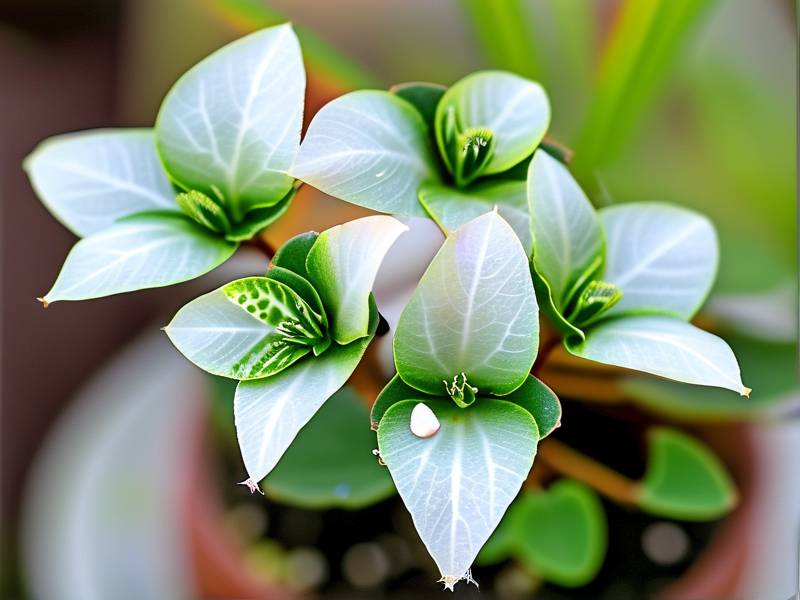
How to grow pepper wood? It should be shade-tolerant and avoid water accumulation

The Complete Guide to Growing Pepper Wood: Key Tips for Shade-Tolerant, Waterlogging-Avoidant Soil C...

The Complete Guide to Growing Pepper Wood: Key Tips for Shade-Tolerant, Waterlogging-Avoidant Soil Cultivation

Understanding Pepper Wood: Basics for Successful Growth

Pepper wood, known for its aromatic foliage and compact growth habit, is a popular choice for both indoor and outdoor gardens. But to help it thrive, you need to focus on two critical needs: its preference for shade and its intolerance to waterlogging. Before diving into daily care, let’s get to know this plant a little better.
Native to subtropical regions, pepper wood (scientific name: Zanthoxylum piperitum) is a small shrub that can reach 2-3 meters in height when mature. Its leaves emit a spicy scent when crushed, and it sometimes produces small, berry-like fruits. While it’s not the same as the pepper plant used for culinary spices, its hardy nature makes it a great addition to gardens that don’t get full sun all day.
The most important thing to remember about pepper wood is that it’s a shade-tolerant plant, which means it doesn’t need intense, direct sunlight to grow. In fact, too much direct sun can scorch its leaves, especially during hot summer months. Additionally, it has a low tolerance for standing water—waterlogging can quickly lead to root rot, a common issue that kills many pepper wood plants. So, the key to successful soil cultivation lies in balancing these two needs: providing enough shade and ensuring the soil drains well.

Step 1: Choosing the Right Soil for Pepper Wood (Avoid Waterlogging!)

Since pepper wood hates waterlogging, the first and most crucial step is selecting the right soil. The soil needs to be well-draining to prevent water from pooling around the roots, but it also should retain enough moisture to keep the plant hydrated. Here’s how to create or choose the perfect soil mix:

What to Look for in Soil

  • Well-draining texture: The soil should feel light and crumbly, not heavy or clay-like. Clay soils hold too much water, which is a big no-no for pepper wood. Sandy soils drain too quickly, so they’re not ideal either—they can dry out the roots before the plant gets enough water.

  • Rich in organic matter: Organic matter helps improve drainage while also retaining just the right amount of moisture. It also provides nutrients that the plant needs to grow healthy leaves and stems.

  • Neutral to slightly acidic pH: Pepper wood prefers soil with a pH between 6.0 and 7.5. You can test your soil’s pH using a simple soil test kit from a garden center. If the soil is too acidic (below 6.0), add a little lime to raise the pH. If it’s too alkaline (above 7.5), mix in some peat moss or compost to lower it.
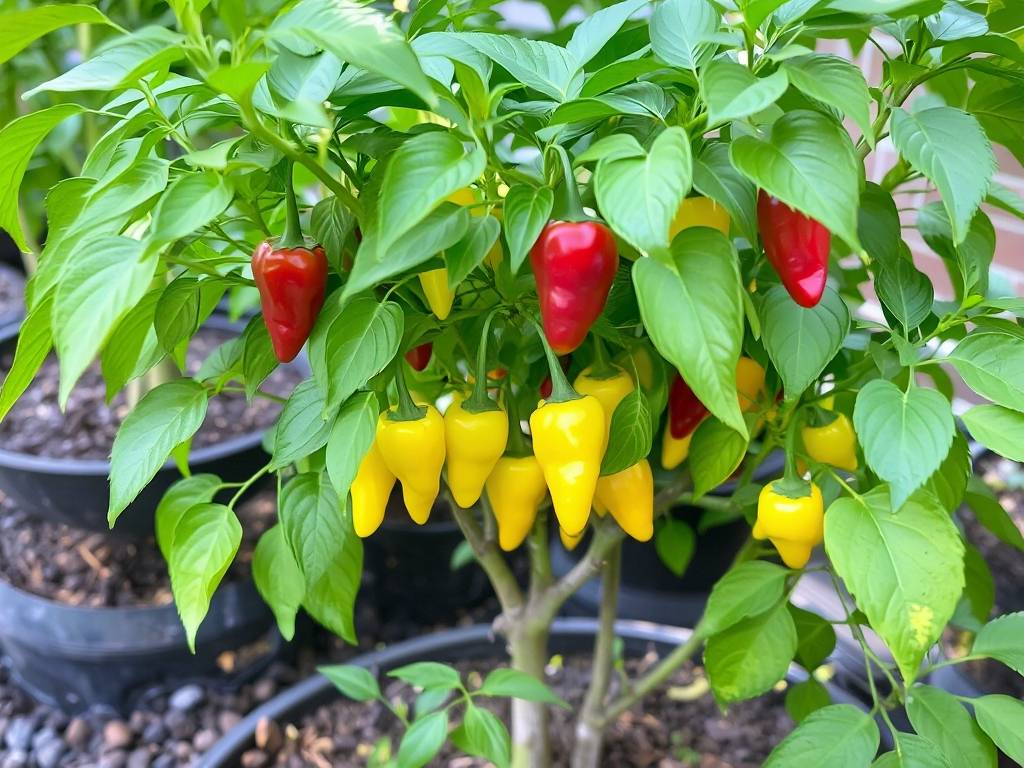
    How to grow pepper wood? It should be shade-tolerant and avoid water accumulation

Recommended Soil Mix

A great DIY soil mix for pepper wood is a combination of:
  • 2 parts garden soil (make sure it’s not heavy clay)

  • 1 part perlite or coarse sand (to improve drainage)

  • 1 part compost or well-rotted manure (to add organic matter)

This mix ensures that water drains quickly but doesn’t leave the soil too dry. If you’re buying pre-made soil from a store, look for “well-draining potting mix” or “shrub potting mix”—just check the label to make sure it doesn’t contain too much clay. Avoid mixes labeled “water-retentive” or “for wet-loving plants,” as these will hold too much moisture.

Preparing the Soil Before Planting

Whether you’re planting pepper wood in a pot (indoor or outdoor) or directly in the ground, prepare the soil first:
  • For pots: Choose a pot with drainage holes at the bottom—this is non-negotiable. Even the best soil won’t prevent waterlogging if the pot doesn’t drain. Fill the pot with your soil mix, leaving about 2 inches of space at the top to avoid overflow when watering.

  • For in-ground planting: Dig a hole that’s twice as wide and just as deep as the plant’s root ball. Mix the excavated soil with your perlite/compost mix (as above) to improve drainage. If your garden soil is very clay-heavy, consider adding extra perlite (up to 2 parts perlite to 3 parts soil) to ensure water flows through.

Step 2: Finding the Perfect Spot (Maximize Shade, Avoid Direct Sun)

Pepper wood’s shade tolerance is one of its best features, but that doesn’t mean it can grow in complete darkness. It needs filtered or partial shade—think areas that get 2-4 hours of indirect sunlight per day, or dappled light through trees. Here’s how to choose the right spot:

Indoor Placement

If you’re growing pepper wood indoors, place it near a window that gets indirect light. North-facing windows are ideal because they provide soft, consistent light without the harsh midday sun. East-facing windows are also okay—they get morning sun, which is less intense than afternoon sun. Avoid south-facing or west-facing windows, especially during summer, as the direct sunlight can burn the leaves.
If your indoor space doesn’t have a lot of natural light, you can use artificial grow lights. Choose LED grow lights (they’re energy-efficient) and set them to stay on for 8-10 hours a day. Keep the lights about 12-18 inches above the plant—too close, and they’ll scorch the leaves; too far, and the plant won’t get enough light.

Outdoor Placement

For outdoor pepper wood, look for spots that are shaded for most of the day. Good options include:
  • Under tall trees (where the leaves filter the sun)

  • Next to a building or wall that blocks direct sun (especially afternoon sun)

  • In a covered patio or porch (where it gets light but not direct rays)

Avoid planting pepper wood in open areas that get full sun for 6 or more hours a day. If you live in a hot climate (USDA zones 8-10), even morning sun can be too intense—stick to full shade in these areas. In cooler climates (zones 6-7), a little morning sun (1-2 hours) is okay, but still protect it from afternoon heat.

Step 3: Watering Pepper Wood Correctly (Prevent Waterlogging!)

Watering is where many gardeners go wrong with pepper wood. Since it hates waterlogging, you need to water it just enough to keep the soil moist, not soggy. Here’s a step-by-step guide to proper watering:

How Often to Water

The frequency of watering depends on several factors: the size of the plant, the type of pot (clay pots dry out faster than plastic), the weather, and the season. A good rule of thumb is to water only when the top 1-2 inches of soil feel dry to the touch.
  • Indoor plants: Check the soil every 3-5 days. In winter, when the plant grows slower, you can water less often—maybe every 7-10 days.

  • Outdoor plants: Check the soil every 2-4 days, especially during hot, dry weather. After rain, skip watering—too much rain can lead to waterlogging, so if the soil is still wet 2 days after rain, hold off.

How to Water

When watering, pour the water slowly and evenly around the base of the plant, not over the leaves. This helps the water reach the roots without wetting the foliage (which can lead to fungal diseases). For potted plants, keep watering until water starts to drain out of the holes at the bottom—this ensures that the entire root ball gets hydrated, but it also flushes out any excess water.
Never let the pot sit in a saucer of water—empty the saucer within 30 minutes of watering. If you’re planting in the ground, make sure the area doesn’t have low spots where water pools. If it does, you can build a small mound of soil around the plant to help water drain away from the roots.

Signs of Overwatering vs. Underwatering

It’s important to know the signs of too much or too little water so you can adjust your routine:
  • Overwatering: Yellowing leaves (especially at the bottom of the plant), soft or mushy stems, a foul smell from the soil (this is a sign of root rot). If you see these signs, stop watering immediately. If the plant is in a pot, remove it from the pot and check the roots—if they’re brown and mushy, trim off the rotten parts, repot in fresh, dry soil, and water sparingly.

  • Underwatering: Dry, crispy leaves (they may curl at the edges), the soil pulls away from the sides of the pot. To fix this, water the plant slowly until the soil is moist, but don’t soak it. You may need to water twice in one day (waiting 30 minutes between waterings) to rehydrate very dry soil.

Step 4: Fertilizing Pepper Wood (Keep It Healthy, Not Overfed)

Pepper wood doesn’t need a lot of fertilizer, but a little nutrition can help it grow lush and healthy. The key is to use a balanced fertilizer and avoid overfeeding—too much fertilizer can burn the roots, which is even worse when combined with waterlogging.

When to Fertilize

Fertilize pepper wood during its growing season, which is spring and summer. In fall and winter, the plant goes dormant, so it doesn’t need extra nutrients—fertilizing during this time can do more harm than good.
  • Indoor plants: Fertilize once a month from March to September.

  • Outdoor plants: Fertilize every 6-8 weeks from April to August.

What Type of Fertilizer to Use

Choose a balanced, water-soluble fertilizer with equal parts nitrogen (N), phosphorus (P), and potassium (K)—look for a ratio like 10-10-10 or 14-14-14. You can also use an organic fertilizer, such as fish emulsion or compost tea, which is gentler on the plant and adds organic matter to the soil.
Avoid high-nitrogen fertilizers, which can cause the plant to grow too quickly (resulting in weak stems) and make it more susceptible to pests. Also, never use fertilizer on a dry plant—water the plant first, then apply the fertilizer. This helps the roots absorb the nutrients without getting burned.

How to Apply Fertilizer

  • For water-soluble fertilizers: Mix the fertilizer with water according to the package instructions (don’t use more than recommended!). Pour the mixture around the base of the plant, just like you would when watering.

  • For organic fertilizers: If using compost tea, dilute it with water (1 part tea to 4 parts water) and pour it over the soil. If using fish emulsion, follow the package directions—usually, 1 tablespoon per gallon of water.

Step 5: Pruning and Shaping Pepper Wood

Pruning helps keep pepper wood compact and healthy, and it also improves air circulation (which reduces the risk of fungal diseases). You don’t need to prune a lot—just a little trimming here and there to maintain its shape.

When to Prune

The best time to prune pepper wood is in late winter or early spring, before new growth starts. This gives the plant time to recover and grow new leaves in the spring. Avoid pruning in fall or winter, as this can stress the plant during its dormant period.

How to Prune

  • Remove dead or damaged branches: Use clean, sharp pruning shears to cut off any branches that are brown, dry, or broken. Cut them back to the base of the plant or to a healthy leaf node (a small bump on the stem where new leaves grow).

  • Trim overgrown branches: If the plant is getting too tall or wide, trim the tips of the branches to keep it compact. Cut just above a leaf node to encourage new growth.

  • Shape the plant: If you want your pepper wood to have a specific shape (like a bush or a small tree), prune the branches to achieve that shape. For example, if you want a bushier plant, prune the top branches to encourage side growth.

Always clean your pruning shears with rubbing alcohol before and after use to prevent the spread of diseases.

Step 6: Dealing with Pests and Diseases

Pepper wood is relatively pest-resistant, but it can still be attacked by a few common pests. Diseases are usually caused by overwatering or poor air circulation, so the best way to prevent them is to follow the watering and pruning tips above.

Common Pests

  • Aphids: These small, green or black insects suck the sap from the leaves, causing them to turn yellow and curl. To get rid of aphids, spray the leaves with a strong stream of water (this knocks them off) or use insecticidal soap (follow the package directions).

  • Spider mites: These tiny pests live on the undersides of leaves and spin small webs. They cause the leaves to turn yellow and have tiny white spots. To control spider mites, increase humidity around the plant (mist the leaves with water every few days) and spray with insecticidal soap.

  • Scale insects: These small, brown or black pests attach themselves to the stems and leaves, sucking sap. They look like small bumps on the plant. To remove scale, wipe the stems and leaves with a cotton ball dipped in rubbing alcohol.

Common Diseases

  • Root rot: As mentioned earlier, this is caused by waterlogging. Signs include yellowing leaves, soft stems, and a foul smell. To treat root rot, remove the plant from the soil, trim off the rotten roots (use clean shears), repot in fresh, well-draining soil, and water sparingly.

  • Powdery mildew: This fungal disease appears as a white, powdery coating on the leaves. It’s caused by poor air circulation and high humidity. To treat it, remove the infected leaves and spray the plant with a mixture of 1 tablespoon baking soda, 1 tablespoon vegetable oil, and 1 gallon of water. Repeat every 7-10 days until the mildew is gone.

Step 7: Repotting Pepper Wood (For Potted Plants)

If you’re growing pepper wood in a pot, you’ll need to repot it every 2-3 years, or when you see roots growing out of the drainage holes. Repotting gives the plant more space to grow and refreshes the soil (which can become compacted over time, leading to poor drainage).

When to Repot

The best time to repot is in spring, just before new growth starts. This gives the plant time to adjust to its new pot before the growing season.

How to Repot

  1. Choose a new pot that’s 1-2 sizes larger than the current pot (don’t use a pot that’s too big—this can lead to waterlogging, as the soil will take longer to dry out). Make sure the new pot has drainage holes.

  1. Fill the bottom of the new pot with 1-2 inches of your soil mix.

  1. Gently remove the plant from its current pot. If the roots are tightly packed (root-bound), loosen them slightly with your fingers to encourage new growth.

  1. Place the plant in the new pot, making sure the top of the root ball is level with the top of the soil (don’t bury it too deep—this can cause the stem to rot).

  1. Fill in the gaps around the root ball with the soil mix, pressing it down gently to remove air pockets.

  1. Water the plant thoroughly, until water drains out of the bottom of the pot.

  1. Place the plant in its usual spot (with filtered shade) and avoid fertilizing for 4-6 weeks—this gives the roots time to recover.

Final Tips for Success

  • Monitor the soil moisture: Always check the top 1-2 inches of soil before watering—this is the best way to avoid overwatering.
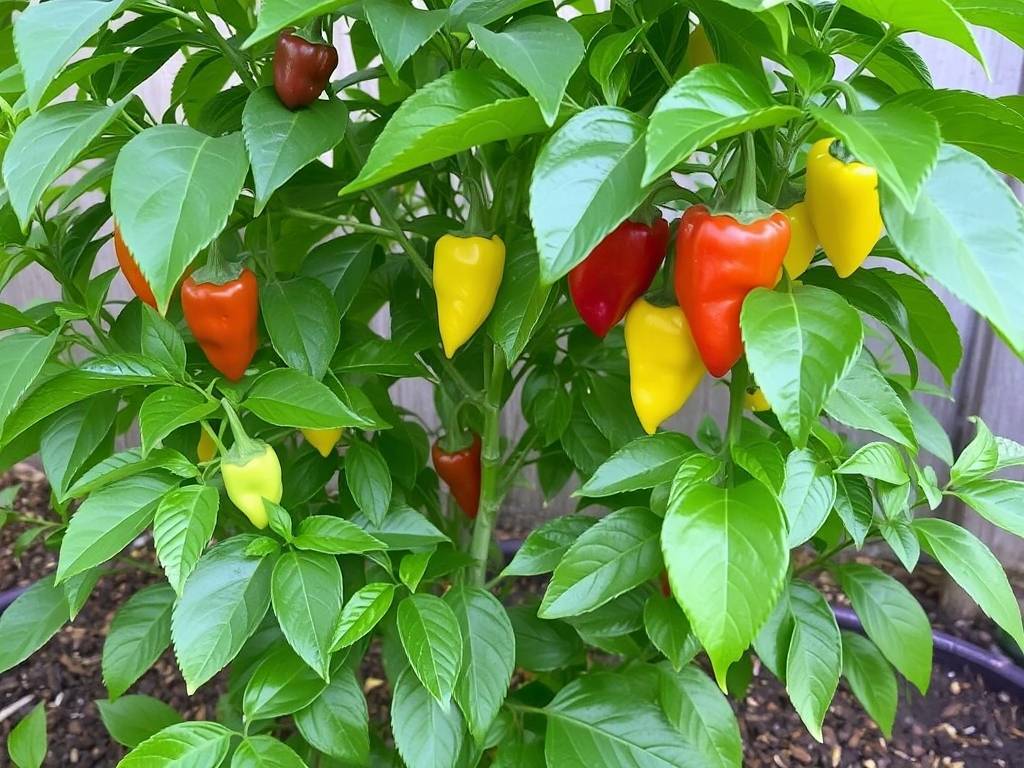
    How to grow pepper wood? It should be shade-tolerant and avoid water accumulation(1)

  • Protect from extreme temperatures: Pepper wood can tolerate mild cold (down to 0°C/32°F) but not frost. If you live in a cold climate, bring outdoor potted plants indoors during winter. In hot climates, make sure the plant is in full shade to avoid heat stress.

  • Don’t move the plant too often: Pepper wood doesn’t like to be moved around. Once you find a spot that works (with good shade and well-draining soil), leave it there. Moving it can cause stress, leading to leaf drop.
By following these tips, you’ll be able to grow a healthy, thriving pepper wood plant that stays happy in shade and avoids the dangers of waterlogging. Remember, the key is balance—enough moisture to keep the roots hydrated, but not so much that they rot, and enough light to keep the plant growing, but not so much that it burns. With a little care, your pepper wood will reward you with its aromatic foliage for years to come.


上一篇:How to choose a pepper wood flowerpot?
下一篇:How to prevent and control diseases and pests of pepper wood? The leaves wither and the roots rot

为您推荐

About Us | Contact Us | Privacy Policy | Disclaimer | Terms & Conditions
This website uses cookies and third-party advertising (Google AdSense) to improve your experience. By continuing to browse, you agree to our Privacy Policy.