bluename
 The Ultimate Guide to Choosing the Best Soil-Growing Pots for Pepper Trees: Key Tips to Prevent Waterlogging
Understanding Why the Right Pot Matters for Soil-Grown Pepper Trees
Key Factor 1: Choosing the Best Pot Material for Soil-Grown Pepper Trees
Terracotta (Clay) Pots: The Top Choice for Drainage
Excess water evaporates faster, reducing the risk of waterlogging.
The soil stays aerated, which is crucial for healthy root growth.
The pot itself stays cool in hot weather, protecting roots from overheating (pepper trees prefer temperatures between 60–85°F/15–29°C).
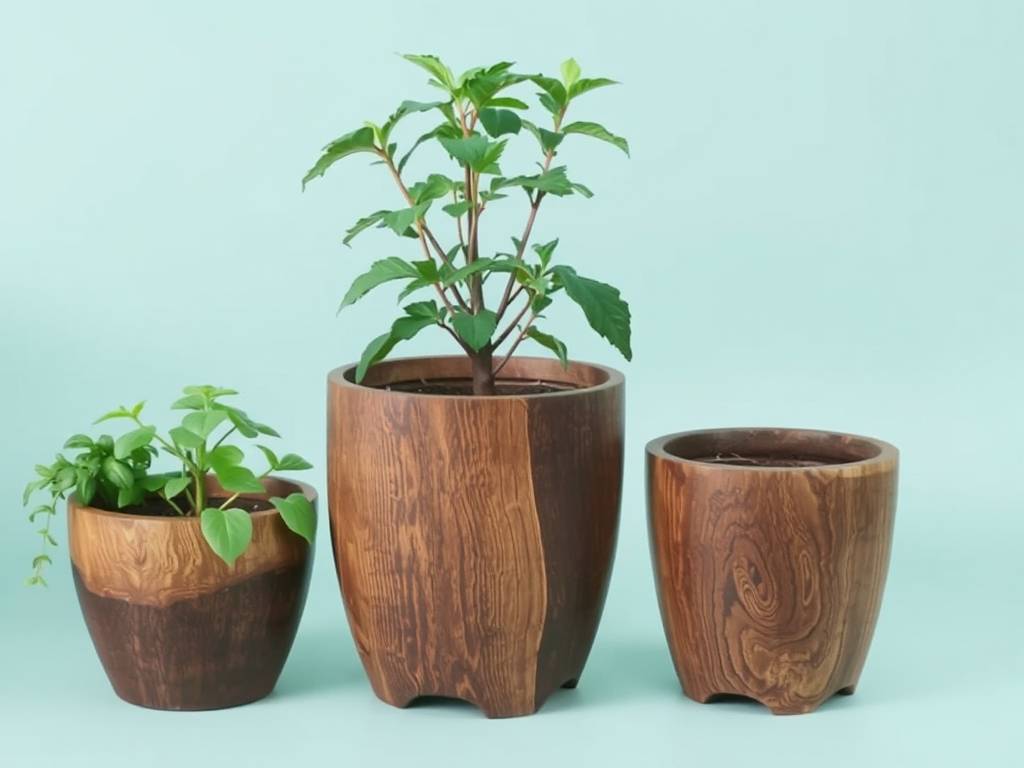
Opt for unglazed terracotta—glazed versions are less porous and won’t drain as well.
Terracotta is heavy, which is a plus for taller pepper trees (it prevents tipping). But it can crack in freezing temperatures, so bring it indoors if you live in a cold climate.
Since terracotta dries out faster, you may need to water more often—especially in hot, windy weather. This is a small trade-off for better drainage.
Plastic Pots: Affordable and Lightweight (But Watch for Drainage)
Choose thick, sturdy plastic—thin plastic can crack over time, especially if exposed to direct sunlight.
Look for pots with “breathable” designs (some have small vents or textured sides) to improve air flow to the soil.
Avoid dark-colored plastic in hot climates—it absorbs heat, which can warm the soil too much and stress the roots.
Ceramic Pots: Stylish but Requires Care
Only use ceramic pots if you’re confident in your watering habits (i.e., you don’t overwater).
Ensure the pot has multiple large drainage holes (not just one small hole) to let excess water escape.
Pair ceramic pots with a well-draining soil mix (we’ll cover soil later) to offset their moisture-retention properties.
Concrete or Stone Pots: Heavy-Duty but Slow to Dry
Key Factor 2: Getting the Pot Size Right (Avoid Too Big or Too Small)
How to Choose the Right Size for Your Pepper Tree
Check the current root ball: If you’re repotting a young pepper tree, measure the diameter of its root ball (the clump of roots and soil). The new pot should be 2–3 inches (5–7.5 cm) wider than the root ball. This gives the roots just enough space to grow without leaving too much empty soil.
For mature trees: A mature pepper tree (3–4 feet tall) needs a pot that’s 12–16 inches (30–40 cm) in diameter and at least 10–12 inches (25–30 cm) deep. The depth is important—pepper tree roots grow downward slightly, so the pot needs to accommodate this without becoming too shallow (shallow pots dry out too quickly).
Avoid “upsizing too fast”: It’s tempting to put a small pepper tree in a large pot to “save time” repotting later. But this is a mistake—excess soil in a big pot will stay wet for weeks, even if you water sparingly. This is one of the most common causes of waterlogging in potted pepper trees. Instead, repot your tree every 1–2 years (in spring) into a pot that’s 2–3 inches wider than the previous one.
Signs Your Pepper Tree Needs a Bigger Pot
Roots growing out of the drainage holes or the top of the soil.
The tree dries out within a day of watering (this means the roots have filled the pot and there’s no soil left to retain moisture).
Slow growth or yellowing leaves (even with proper watering and sunlight).
Key Factor 3: Drainage Features to Prevent Waterlogging (Non-Negotiable!)
1. Number and Size of Drainage Holes
At least 2–3 holes: A single small hole isn’t enough—if it gets clogged with soil, water will back up. Look for pots with 2–3 holes that are at least ½ inch (1.25 cm) in diameter. For larger pots (12+ inches wide), add 1–2 more holes.
Avoid “decorative” pots without holes: Some pots (like ceramic cachepots) are designed to hold other pots—they don’t have drainage holes themselves. If you use one of these, place your pepper tree in a plastic or terracotta pot (with drainage holes) inside the decorative one. Empty the excess water from the cachepot after watering—never let the inner pot sit in water.
2. Using Pot Feet or Risers
3. Adding a Drainage Layer (Optional but Helpful)
Small gravel or pebbles (½–1 inch in size).
Broken terracotta pieces (from old pots).
Perlite (lightweight and porous—great for improving soil drainage too).
Key Factor 4: Pairing Your Pot with the Right Soil Mix
What to Look for in a Soil Mix for Pepper Trees
Well-draining base: Use a mix that includes ingredients like perlite, vermiculite, or coarse sand (not fine sand) to improve drainage. These materials create air pockets in the soil, allowing water to flow through and roots to breathe.
Organic matter: Add compost or peat moss to provide nutrients and help the soil retain just enough moisture (without becoming waterlogged). Aim for a mix that’s ⅓ organic matter, ⅓ perlite/vermiculite, and ⅓ regular potting soil.
Avoid heavy soils: Never use garden soil straight from the ground—it’s too heavy and can compact in a pot, leading to poor drainage. Similarly, avoid soil mixes designed for water-loving plants (like ferns or bog plants) as they retain too much moisture.
Recommended Soil Mix Recipe for Pepper Trees
4 parts premium potting soil (look for one labeled “well-draining” or “for woody plants”).
2 parts perlite.
1 part compost (aged compost works best—fresh compost can burn roots).
1 part coarse sand (optional, for extra drainage).
Step-by-Step Guide to Repotting Your Pepper Tree (Without Causing Stress)
Prepare your supplies: Gather your new pot, soil mix, drainage material, a trowel, and a watering can (with room-temperature water).
Water the tree lightly: Water your pepper tree 1–2 days before repotting. This helps the root ball stay intact when you remove it from the old pot—dry roots are more likely to break.
Prepare the new pot: Add 1–2 inches of drainage material to the bottom of the new pot. Then add a layer of soil mix on top (about 2–3 inches, depending on the pot size) to create a base for the root ball.
Remove the tree from the old pot: Gently tap the sides of the old pot to loosen the soil. Hold the tree by the base of the trunk (near the soil line) and pull gently. If it’s stuck, use a trowel to loosen the soil around the edges.
Inspect the roots: Once the tree is out, check the roots for signs of rot (brown/black, mushy roots with a bad smell). If you see rot, trim the affected roots with clean, sharp scissors (sterilize the scissors with rubbing alcohol first to prevent spreading disease).
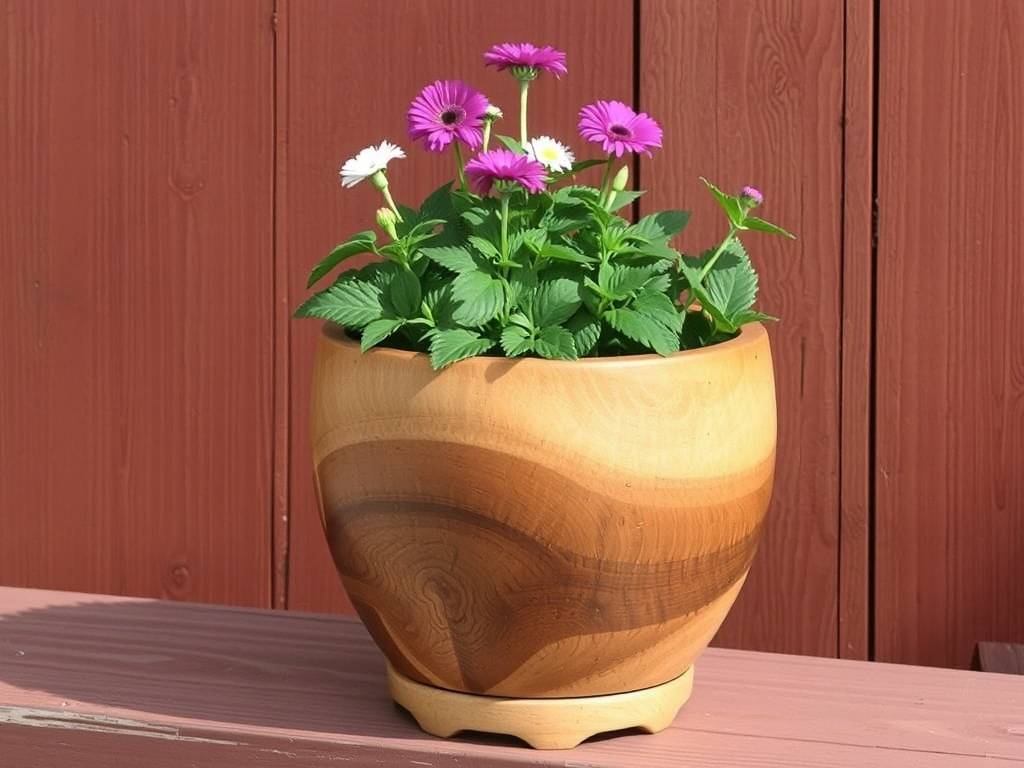
Place the tree in the new pot: Set the root ball in the center of the new pot. The top of the root ball should be 1 inch (2.5 cm) below the rim of the pot—this leaves room for watering without soil overflowing.
Fill in with soil: Add soil mix around the root ball, gently pressing it down to remove air pockets (don’t pack it too tightly—compact soil blocks drainage). Make sure the soil is evenly distributed around the roots.
Water thoroughly: After repotting, water the tree until water flows out of the drainage holes. This helps settle the soil around the roots and removes any remaining air pockets.
Place in the right spot: Put the repotted tree in a location with bright, indirect sunlight (pepper trees need 4–6 hours of sunlight daily but can get sunburned in intense afternoon sun). Avoid moving it to a drastically different spot right away—give it 1–2 weeks to adjust.
Common Mistakes to Avoid When Choosing a Pepper Tree Pot
Mistake 1: Ignoring Drainage Holes
Mistake 2: Using a Pot That’s Too Big
Mistake 3: Overwatering (Even with a Good Pot)
Mistake 4: Forgetting to Clean the Pot
Final Tips for Maintaining a Healthy Potted Pepper Tree
Monitor soil moisture: Use a moisture meter (available at garden centers) if you’re unsure when to water. It takes the guesswork out of watering.
Rotate the pot: Turn the pot ¼ turn every 2 weeks to ensure all sides of the tree get equal sunlight. This prevents lopsided growth.
Fertilize sparingly: Pepper trees don’t need much fertilizer. Feed them with a balanced, slow-release fertilizer once in spring and once in summer. Too much fertilizer can burn roots and stress the tree.
Prune as needed: Trim dead or yellowing leaves to keep the tree looking neat and improve air flow (good air flow helps the soil dry out faster).