bluename
 Indoor Pepperwood Care: Nurturing Thick Foliage in Shady Environments
Understanding Pepperwood: Key Traits for Indoor Care
Light Requirements: Finding the Perfect Shady Spot
Ideal Light Sources for Indoor Pepperwood
North-facing windows: These windows provide soft, consistent indirect light year-round—perfect for pepperwood. Avoid placing the plant directly in front of the window if there’s a cold draft, but a spot 2–3 feet away works well.
East-facing windows: Morning sun from east-facing windows is gentle and won’t burn the leaves. A spot near the window (but not in direct sunlight) will give the plant the light it needs without stress.
Filtered south or west windows: If you only have south or west-facing windows (which get intense afternoon sun), use a sheer curtain or blind to filter the light. Direct afternoon sun can scorch pepperwood’s leaves, turning them brown at the edges and damaging their thick texture.
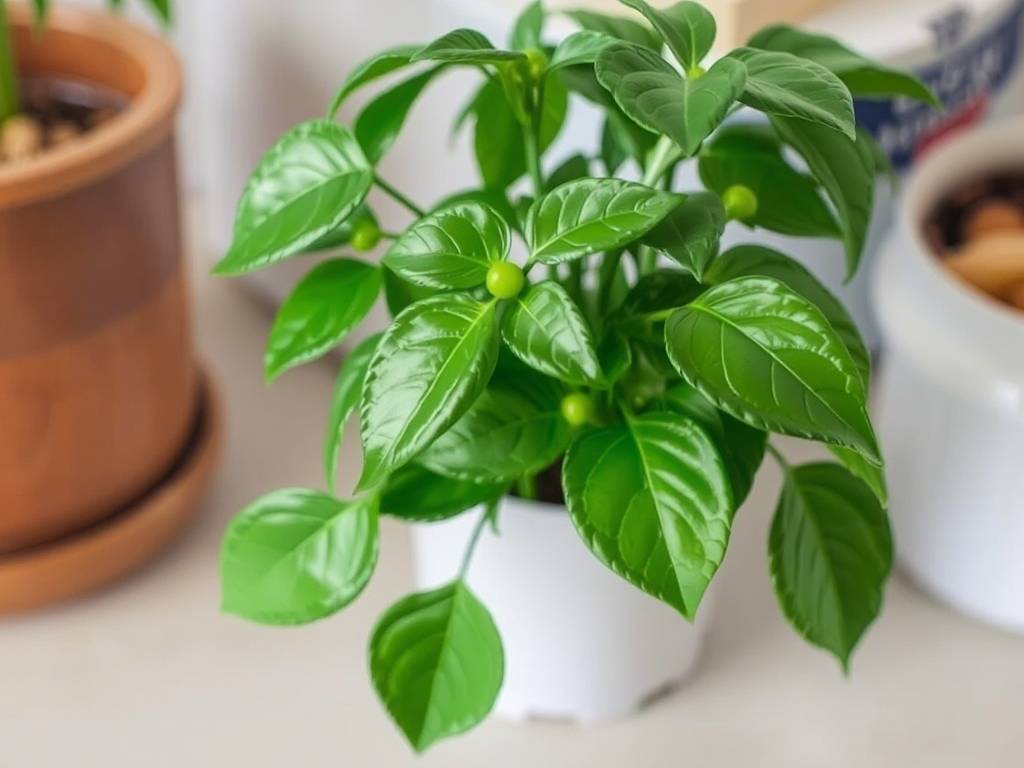
Artificial light: If your space has no natural light (e.g., a basement office), pepperwood can thrive under LED grow lights. Use a medium-intensity grow light and position it 12–18 inches above the plant, keeping it on for 10–12 hours a day. This mimics the filtered light the plant would get in its natural habitat.
Signs of Light Stress
Too little light: Leaves become pale, thin, and leggy (the plant stretches toward light). New growth is smaller than older leaves, and the plant may drop leaves from the bottom up.
Too much light: Leaves develop brown, crispy edges or spots. The glossy surface of the leaves may fade, and the plant may look wilted even when the soil is moist.
Watering: Balancing Moisture for Thick Leaves
How to Water Indoor Pepperwood
Check the soil first: Before watering, stick your finger 1–2 inches into the soil. If the top inch feels dry, it’s time to water. If the soil is still moist, wait 2–3 days and check again. This prevents overwatering and ensures the roots get the oxygen they need.
Use room-temperature water: Cold water can shock the plant’s roots, leading to leaf drop. Fill a watering can and let it sit for 30 minutes to allow the water to reach room temperature. Avoid using softened water, as the salts can build up in the soil and damage the plant.
Water thoroughly: Pour water slowly over the soil, making sure it soaks through to the bottom of the pot. Stop watering when water starts to drain out of the drainage holes—this ensures the entire root ball is moistened. Don’t let the plant sit in a saucer of standing water, as this can cause root rot. Empty the saucer within 15–20 minutes after watering.
Adjust for season and environment: Pepperwood needs more water in the spring and summer (when it’s actively growing) and less in the fall and winter (when growth slows down). If your home is dry (e.g., from heating or air conditioning), you may need to water slightly more often, but always check the soil first.
Signs of Watering Issues
Overwatering: Leaves turn yellow and feel soft (not thick and firm). The soil may have a musty smell, and the roots may look brown and mushy if you gently remove the plant from the pot.
Underwatering: Leaves wilt, curl, and feel dry to the touch. The soil pulls away from the edges of the pot, and the plant may drop leaves to conserve moisture.
Soil and Potting: Creating a Well-Draining Environment
Best Soil Mix for Indoor Pepperwood
2 parts peat moss or coco coir (retains moisture without compacting)
1 part perlite or pumice (adds air pockets and improves drainage)
1 part potting soil (provides nutrients for growth)
Optional: 1/4 part orchid bark (adds extra drainage and mimics the plant’s natural forest floor habitat)
Choosing the Right Pot
Size: Select a pot that’s 1–2 inches larger in diameter than the plant’s current root ball. A pot that’s too big will hold too much soil, which stays moist longer and increases the risk of overwatering. As the plant grows (usually every 2–3 years), repot it into a slightly larger pot to give the roots more space.
Material: Terra cotta pots are ideal for pepperwood because they’re porous—they allow excess moisture to evaporate through the sides, helping the soil dry out faster. Plastic pots retain more moisture, so if you use plastic, be extra careful not to overwater and make sure the pot has plenty of drainage holes.
Drainage holes: Never use a pot without drainage holes. Even the best soil mix won’t prevent root rot if water can’t escape. If you love a decorative pot that doesn’t have holes, use it as a cachepot—place the plant in a plastic pot with drainage holes inside the decorative one, and empty any water that collects in the bottom.
Repotting Pepperwood
Prepare the new pot: Fill the bottom 1–2 inches of the new pot with fresh soil mix.
Remove the plant from its old pot: Gently tap the sides of the pot to loosen the soil, then pull the plant out by the base of the stem. If the roots are tightly packed (root-bound), use your fingers to gently loosen them—this encourages new root growth.
Place the plant in the new pot: Set the plant on top of the soil in the new pot, making sure the top of the root ball is 1 inch below the rim of the pot (this leaves room for watering).
Fill in with soil: Add soil around the sides of the root ball, pressing gently to remove air pockets. Don’t pack the soil too tightly—this will prevent drainage.
Water thoroughly: After repotting, water the plant to help the soil settle around the roots. Place it in a shaded spot for a week to let it recover from repotting stress.
Humidity: Keeping Thick Leaves Glossy and Healthy
Easy Ways to Increase Humidity for Indoor Pepperwood
Mist the leaves: Use a spray bottle filled with room-temperature water to mist the leaves 2–3 times a week. Avoid misting too often (this can lead to fungal diseases) and make sure the leaves dry off within a few hours.
Use a humidity tray: Fill a shallow tray with pebbles and add water until the pebbles are partially submerged. Place the pot on top of the pebbles (make sure the pot doesn’t touch the water—this prevents root rot). As the water evaporates, it increases the humidity around the plant. Refill the tray when the water dries up.
Group plants together: Placing pepperwood with other humidity-loving plants (like pothos, ferns, or peace lilies) creates a "microclimate" of higher humidity. The plants release moisture through their leaves, which benefits each other.
Use a humidifier: If your home is very dry, a small humidifier near the plant is the most effective way to maintain consistent humidity. Set it to 40–60% and position it a few feet away from the plant (direct mist from a humidifier can cause leaf rot).
Signs of Low Humidity
Brown, crispy tips on the leaves (the rest of the leaf may still be green and thick).
Leaves lose their glossy shine and look dull.
New growth is small and stunted.
Temperature and Air Circulation: Maintaining a Stable Environment
Ideal Temperature Range
Daytime: 65–75°F (18–24°C) – this is the typical temperature of most homes, so pepperwood usually adapts well.
Nighttime: 55–65°F (13–18°C) – slightly cooler temperatures at night are fine, but avoid letting the temperature drop below 50°F (10°C). Cold drafts (e.g., from open windows in winter) can damage the leaves, causing them to turn brown and drop.
Avoiding Temperature Stress
Keep the plant away from cold sources: This includes windows with cold drafts, doorways that open to the outside, and refrigerators or freezers.
Keep the plant away from heat sources: Heat vents, radiators, stovetops, and space heaters can dry out the plant and scorch the leaves. Even a small space heater near the plant can cause the temperature to fluctuate too much.
Avoid sudden temperature changes: Moving the plant from a warm room to a cold room (or vice versa) can shock it, leading to leaf drop. If you need to move the plant, do it gradually—e.g., place it in a transitional spot for a few days before moving it to its new location.
Air Circulation
Open windows occasionally (when the temperature is mild) to let fresh air in. Just make sure the plant isn’t in a direct draft.
Use a small fan on low speed, placed a few feet away from the plant. This moves the air gently without drying out the leaves or soil.
Avoid overcrowding the plant with other objects or plants—leave a few inches of space around it to allow air to flow.
Fertilizing: Feeding for Thick, Lush Foliage
Choosing the Right Fertilizer
How to Fertilize Indoor Pepperwood
Dilute the fertilizer: Follow the instructions on the fertilizer label, but dilute it to half strength. Pepperwood is sensitive to strong fertilizer, and full-strength fertilizer can burn the roots and damage the leaves.
Fertilize during the growing season: Apply the diluted fertilizer every 4–6 weeks from spring (when new growth appears) to early fall. Stop fertilizing in late fall and winter.
Water before fertilizing: Always water the plant thoroughly before applying fertilizer. Dry soil can absorb too much fertilizer, leading to root burn.
Avoid fertilizing newly repotted plants: Wait 6–8 weeks after repotting before fertilizing. The fresh soil already contains nutrients, and fertilizing too soon can stress the plant.
Signs of Fertilizer Issues
Overfertilization: Leaves develop brown tips or spots, and the soil may have a salty crust on the surface. The roots may turn brown and mushy (similar to overwatering). If this happens, flush the soil with water—pour water slowly over the soil until it drains out of the bottom, and repeat 2–3 times. This washes away excess fertilizer.
Underfertilization: Leaves become pale green (not dark green and glossy), and growth slows down. New leaves are smaller than older leaves. If this happens, start fertilizing regularly (at half strength) during the growing season.
Pruning: Shaping the Plant and Maintaining Thick Foliage
When to Prune Indoor Pepperwood
How to Prune Pepperwood
Gather the right tools: Use clean, sharp pruning shears or scissors. Wipe the blades with rubbing alcohol before and after pruning to prevent the spread of disease.
Remove dead or damaged leaves: Cut off any leaves that are yellow, brown, or wilted. Make the cut at the base of the leaf stem (where it attaches to the main stem).
Shape the plant: If you want to keep the plant compact, trim back the tips of the stems. Cut just above a leaf node (the spot where a leaf attaches to the stem)—this encourages new growth to sprout from the node, making the plant bushier.
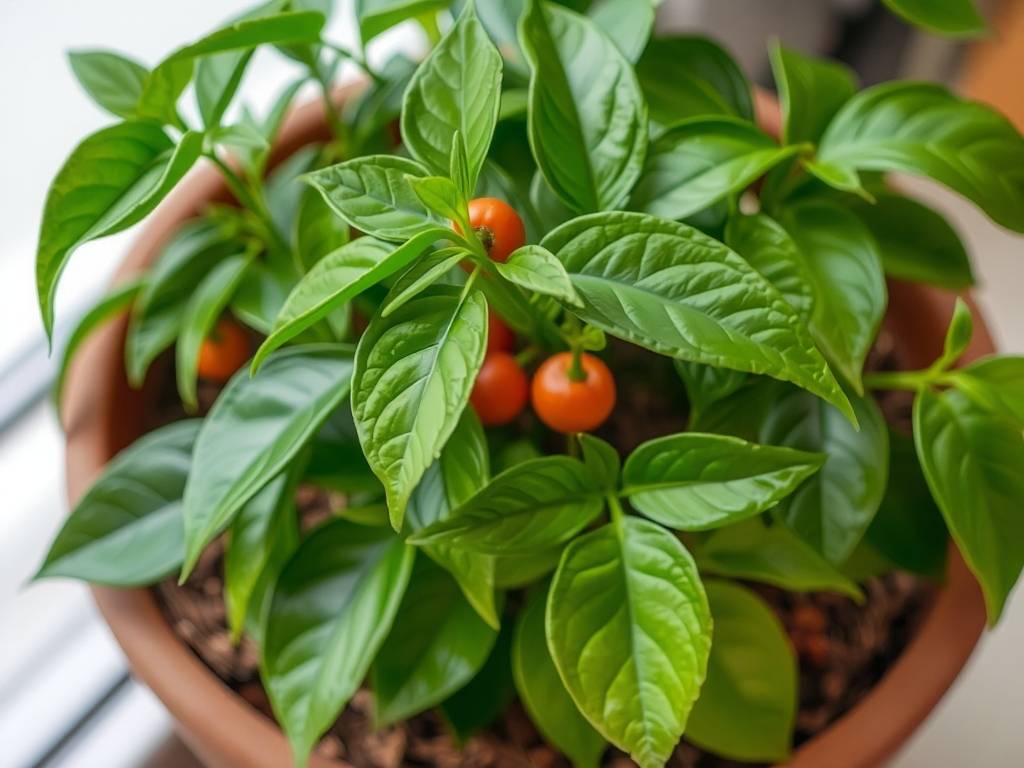
Don’t overprune:
After-Pruning Care
Pest and Disease Control: Protecting Thick Foliage
Common Pests Affecting Indoor Pepperwood
Spider mites: These tiny pests thrive in dry air. They appear as small red or brown dots on the undersides of leaves, and you may see fine webbing between stems. Spider mites suck sap from the leaves, causing them to turn yellow, dry out, and drop.
Treatment: Wipe the leaves with a damp cloth to remove mites. For severe infestations, use a neem oil spray (dilute 1 teaspoon neem oil in 1 quart of water) and spray the leaves (including undersides) every 7–10 days until the mites are gone. Increase humidity to prevent future infestations.
Mealybugs: Mealybugs look like small, white, cottony clusters on leaf nodes and undersides of leaves. They also suck sap, leading to yellow, wilted leaves.
Treatment: Use a cotton swab dipped in rubbing alcohol to remove individual mealybugs. For larger infestations, use insecticidal soap (follow the label instructions) and spray the plant thoroughly. Repeat every 5–7 days until mealybugs disappear.
Scale insects: Scale are small, brown or black, shell-like pests that attach to stems and leaves. They secrete a sticky substance (honeydew) that can attract mold.
Treatment: Scrape off scale with a fingernail or a soft brush. For heavy infestations, use horticultural oil (dilute according to label) and spray the plant—oil suffocates the scale. Apply every 2 weeks until scale is gone.
Common Diseases Affecting Indoor Pepperwood
Root rot: Caused by overwatering or poorly draining soil, root rot is the most serious disease for pepperwood. Signs include yellow, soft leaves, a musty smell from the soil, and mushy brown roots.
Treatment: Remove the plant from its pot and trim off all damaged roots (use clean scissors). Wash the remaining roots with water to remove old soil. Repot the plant in fresh, well-draining soil and a clean pot with drainage holes. Water sparingly for the next 2–3 weeks to let roots recover.
Powdery mildew: A fungal disease that appears as white, powdery spots on leaves. It thrives in humid, poorly ventilated areas.
Treatment: Remove infected leaves (dispose of them, don’t compost). Improve air circulation by placing a fan near the plant. Spray the plant with a baking soda solution (1 tablespoon baking soda + 1 teaspoon dish soap + 1 quart water) every 7 days until the mildew is gone.
Leaf spot: Caused by bacteria or fungi, leaf spot appears as brown or black spots on leaves (often with a yellow halo around them). It’s usually due to overwatering or splashing water on leaves.
Treatment: Remove infected leaves. Avoid getting water on leaves when watering—water at the base of the plant instead. For fungal leaf spot, use a copper fungicide (follow label instructions) and spray the plant every 10 days until spots disappear.
Troubleshooting Common Pepperwood Care Issues
Problem 1: Leaves Dropping Suddenly
Possible causes: Sudden temperature change (e.g., moving from a warm room to a cold draft), overwatering, underwatering, or too little light.
Fix: Check the soil moisture first—if too wet, let it dry out; if too dry, water thoroughly. Move the plant to a spot with stable temperatures (away from drafts) and ensure it gets enough filtered light. Leaves should stop dropping within 1–2 weeks once the issue is fixed.
Problem 2: Leaves Turning Yellow (But Not Soft)
Possible causes: Underfertilization, too much light, or nutrient deficiency (e.g., lack of iron).
Fix: If it’s the growing season (spring/summer), fertilize the plant with a diluted balanced fertilizer. If the plant is in direct light, move it to a shaded spot. For iron deficiency (common in alkaline soil), use a chelated iron supplement (follow label instructions) to restore leaf color.
Problem 3: Leaves Losing Gloss and Thinning Out
Possible causes: Too little light, low humidity, or old soil (nutrients depleted).
Fix: Move the plant to a spot with more filtered light (e.g., closer to a north-facing window). Increase humidity with a humidifier or humidity tray. If the plant hasn’t been repotted in 2+ years, repot it in fresh soil to replenish nutrients.
Problem 4: New Growth Is Small and Weak
Possible causes: Underfertilization, too little light, or root-bound plant (roots have no space to grow).
Fix: Fertilize during the growing season (half-strength). Ensure the plant gets enough indirect light. Check if the plant is root-bound (roots growing out of drainage holes)—if yes, repot it into a slightly larger pot.
Long-Term Care Tips: Keeping Pepperwood Healthy for Years
Rotate the plant regularly: Every 2–3 weeks, rotate the pot 90 degrees. This ensures all sides of the plant get equal light, preventing it from leaning toward the light source and keeping growth even.
Dust the leaves: Pepperwood’s glossy leaves can collect dust, which blocks light and reduces photosynthesis. Wipe the leaves with a damp cloth every 2–4 weeks to keep them clean and shiny.
Monitor soil pH: Pepperwood prefers slightly acidic soil (pH 5.5–6.5). If your tap water is alkaline (common in some areas), the soil pH can rise over time, leading to nutrient deficiencies. Test the soil pH annually (use a soil pH test kit from a garden center). If pH is too high, add a small amount of peat moss to the soil (peat moss lowers pH) or use distilled water for watering.
Avoid frequent repotting: Pepperwood likes to be slightly root-bound—repotting too often (more than every 2–3 years) can stress the plant. Only repot when roots are growing out of the drainage holes or the soil is compacted.
Observe seasonal changes: In fall, as growth slows, reduce watering and stop fertilizing. In spring, when new growth appears, increase watering and start fertilizing again. This aligns with the plant’s natural growth cycle.
Propagate to expand your collection: If your pepperwood is healthy, you can propagate it to grow new plants. The easiest method is stem cuttings:
Take a 4–6 inch cutting from a healthy stem (make the cut just below a leaf node).
Remove the lower leaves (leave 2–3 top leaves).
Dip the cut end in rooting hormone (optional, but it speeds up root growth).
Plant the cutting in a small pot with moist, well-draining soil (use the same mix as the parent plant).
Cover the pot with a plastic bag (to create humidity) and place it in a shaded spot with indirect light.
Water the soil when it feels dry. After 4–6 weeks, check for roots by gently tugging the cutting—if there’s resistance, roots have formed. Remove the plastic bag and care for the new plant as you would a mature pepperwood.