bluename
 Anthurium Pest and Disease Control: Solving Common Issues Like Flower Wilting and Leaf Yellowing
Understanding the Root Causes: Why Anthuriums Develop Issues
Common Anthurium Pests: Identification, Prevention, and Treatment
Spider Mites
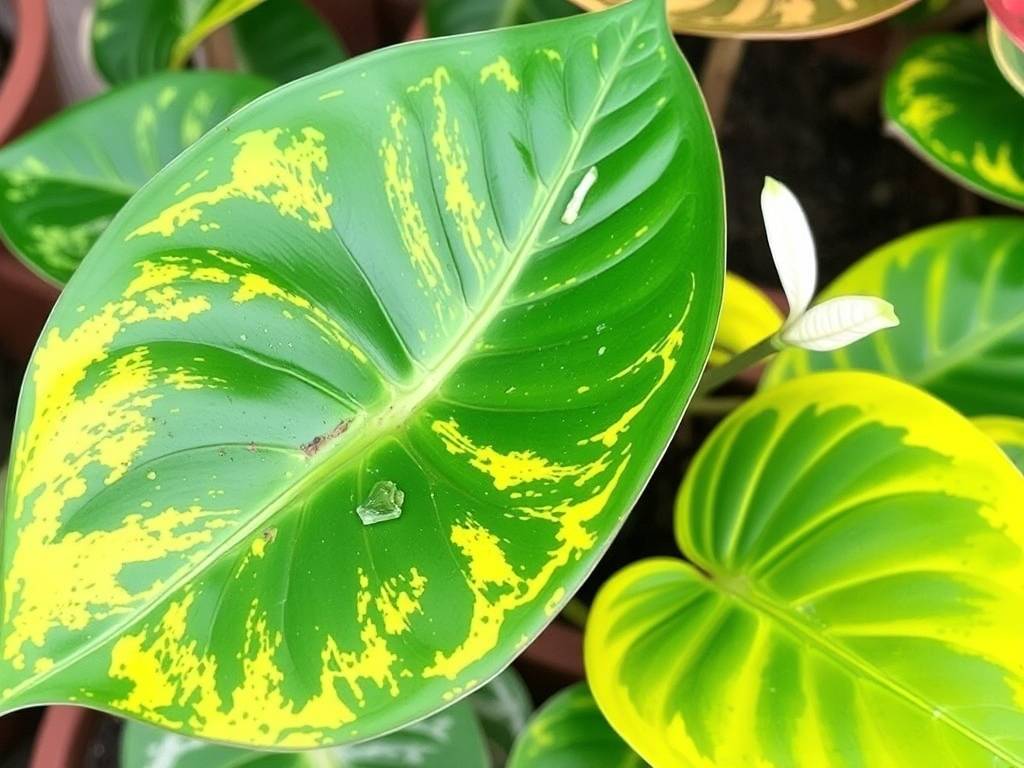
Tiny yellow or white spots on leaves (called stippling).
Leaves turning dry, brown, and crispy over time.
Webbing around leaf joints or undersides of leaves.
Maintain high humidity (spider mites thrive in dry air). Use a humidifier, pebble tray, or regular misting to keep moisture levels up.
Dust leaves regularly with a damp cloth—this removes potential hiding spots and disrupts mite activity.
Isolate new plants for 2–3 weeks before placing them near your anthurium to prevent introducing pests.
Wash the plant: Take the anthurium to the sink or shower and rinse the leaves (top and bottom) with lukewarm water. This removes most mites and webbing.
Use insecticidal soap: Mix a mild insecticidal soap (or 1 teaspoon of liquid dish soap in 1 quart of water) and spray it on all leaf surfaces, including undersides. Repeat every 3–5 days for 2–3 weeks to kill any remaining eggs or mites.
Try neem oil: For severe infestations, use a diluted neem oil solution (follow product instructions). Neem oil suffocates mites and disrupts their life cycle. Avoid using it in direct sunlight, as it can burn leaves.
Aphids
Sticky “honeydew” residue on leaves (a byproduct of aphid feeding).
Sooty mold (a black, powdery fungus) growing on honeydew.
Curled, distorted leaves or stunted new growth.
Presence of ants (ants are attracted to honeydew and often protect aphids).
Inspect new growth regularly—aphids love tender, young leaves.
Encourage natural predators like ladybugs or lacewings (you can purchase them online for indoor use).
Avoid over-fertilizing with nitrogen-rich fertilizers, which promote soft growth that attracts aphids.
Remove by hand: For small infestations, gently wipe aphids off leaves with a damp cloth or cotton swab dipped in water.
Spray with water: Use a spray bottle to blast aphids off the plant with a strong stream of lukewarm water. Focus on new growth and leaf undersides.
Insecticidal soap or neem oil: Treat the plant with insecticidal soap (as directed above) or neem oil. Repeat every 7 days until aphids are gone. For sooty mold, wipe leaves with a damp cloth after treating aphids—without honeydew, the mold will die off.
Mealybugs
White, cottony masses on the plant.
Sticky honeydew and sooty mold (similar to aphids).
Yellowing leaves and weak growth.
For soil-grown anthuriums: Mealybugs on roots may cause stunted growth and wilting, even with proper watering.
Check leaf axils and root balls (when repotting) for signs of mealybugs.
Keep the area around your anthurium clean—fallen leaves or debris can attract mealybugs.
Avoid overwatering, as damp soil creates a favorable environment for root mealybugs.
Spot-treat with alcohol: Dip a cotton swab in rubbing alcohol and dab it directly on mealybugs. This kills them on contact. Be careful not to use too much alcohol, as it can dry out leaves.
Insecticidal soap or neem oil: Spray the entire plant (including leaf undersides and axils) with insecticidal soap or neem oil. For root mealybugs, remove the plant from its pot, rinse the roots with water, and soak them in a diluted neem oil solution for 10–15 minutes before repotting in fresh soil.
Repeat treatments: Mealybugs have a long life cycle, so repeat treatments every 7–10 days for 4–6 weeks to ensure all eggs and adults are eliminated.
Scale Insects
Hard, bumpy “scales” on leaves or stems (they may look like part of the plant).
Yellowing leaves and leaf drop.
Sticky honeydew and sooty mold.
Weak growth and reduced blooming.
Inspect the undersides of leaves and stems regularly—scale often hides in these areas.
Quarantine new plants to prevent introducing scale to your anthurium.
Wipe leaves with a damp cloth monthly to remove dust and potential scale eggs.
Manual removal: For small infestations, scrape scale off leaves and stems with a soft-bristled brush (like a toothbrush) or your fingernail. Dispose of the scales immediately to prevent them from reattaching.
Horticultural oil: Use a horticultural oil (like mineral oil) diluted according to product instructions. Spray the entire plant, making sure to coat the scales—oil suffocates them by clogging their breathing pores. Avoid using oil in temperatures above 80°F (27°C) or on stressed plants.
Insecticidal soap: For young, soft-bodied scale (before they develop their hard shell), insecticidal soap is effective. Spray every 5–7 days until scale is gone. For hard-shelled scale, you may need to combine soap with manual removal.
Common Anthurium Diseases: Causes, Signs, and Solutions
Root Rot
Wilting leaves (even when the soil is wet).
Yellowing or browning leaves that feel soft and mushy.
A foul, rotten smell coming from the soil (for soil-grown plants) or water (for hydroponic plants).
For soil-grown anthuriums: When you remove the plant from the pot, roots are brown, mushy, and easily breakable (healthy roots are white or light green and firm).
For hydroponic anthuriums: Roots turn brown or black and may have a slimy texture.
Use well-draining soil (orchid bark + peat moss + perlite) for soil-grown anthuriums.
Choose pots with multiple drainage holes to avoid standing water.
Water only when the top 1–2 inches of soil are dry (soil-grown) or change water every 7–10 days (hydroponic).
Avoid over-fertilizing, as excess nutrients can damage roots and make them more susceptible to rot.
Remove the plant from its growing medium: For soil-grown anthuriums, gently take the plant out of the pot and shake off excess soil. For hydroponic anthuriums, empty the container and remove the plant.
Trim affected roots: Use clean, sharp scissors or pruning shears to cut off all brown, mushy roots. Make sure to cut back to healthy, white roots—leaving any rotted tissue will allow the disease to spread.
Disinfect tools and roots: Wipe your tools with rubbing alcohol to prevent spreading the disease. For severe rot, soak the remaining roots in a diluted fungicide solution (like hydrogen peroxide: 1 part 3% hydrogen peroxide to 3 parts water) for 10–15 minutes.
Repot or refresh the growing medium:
For soil-grown anthuriums: Use a clean pot with drainage holes and fresh, well-draining soil. Do not reuse old soil, as it may be contaminated.
For hydroponic anthuriums: Clean the container thoroughly with soap and water (or a diluted bleach solution: 1 part bleach to 10 parts water) and refill with fresh, room-temperature water.
Adjust watering habits: After treatment, water sparingly (soil-grown) or change water less frequently (hydroponic) until the plant recovers. Monitor the roots closely for new growth—this indicates the plant is healing.
Leaf Spot Diseases (Fungal and Bacterial)
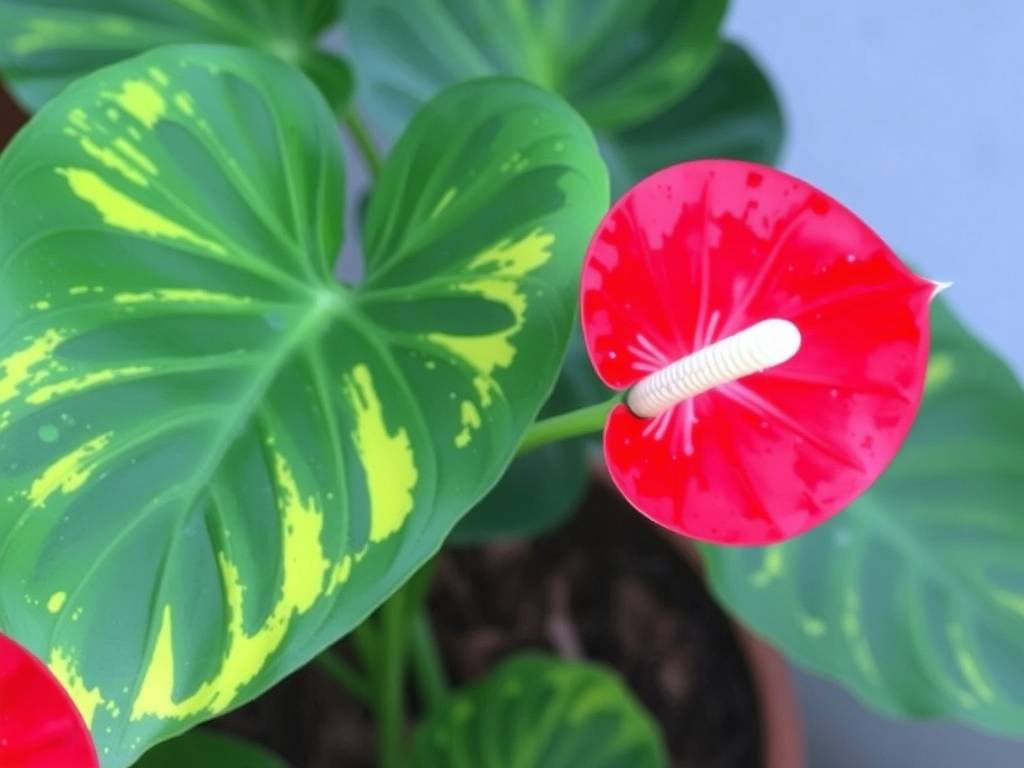
Fungal leaf spot: Circular or irregular spots with dark brown or black edges and lighter centers. Some spots may have a yellow “halo” around them. As the disease progresses, spots merge, causing large areas of leaf damage.
Bacterial leaf spot: Small, water-soaked spots that turn brown or black over time. The spots may be angular (due to leaf veins) and can spread quickly, leading to leaf yellowing and drop.
Water at the base of the plant (not over the leaves) to keep foliage dry.
Ensure good air circulation—place the anthurium near a fan (on low) or in a well-ventilated room.
Avoid overcrowding plants—give your anthurium space to breathe.
Remove dead or dying leaves promptly to prevent disease spread.
Remove infected leaves: Use clean, sharp tools to cut off leaves with spots. Cut at least 1 inch below the infected area to ensure you remove all diseased tissue. Dispose of infected leaves in the trash (not compost), as compost can spread the disease.
Treat with fungicide or bactericide:
For fungal leaf spot: Use a broad-spectrum fungicide (like copper-based fungicide) diluted according to product instructions. Spray the entire plant, including undersides of leaves. Repeat every 7–10 days for 3–4 weeks.
For bacterial leaf spot: Bacterial diseases are harder to treat—use a copper-based bactericide or streptomycin sulfate (follow product guidelines). In severe cases, you may need to remove heavily infected plants to prevent spreading to other houseplants.
Adjust growing conditions: Reduce humidity temporarily (if possible) and improve air circulation. Avoid overhead watering until the disease is gone.
Powdery Mildew
White, powdery spots on leaves (starting small and spreading to cover the entire leaf).
Leaves turning yellow, curling, and dropping prematurely.
Reduced growth and blooming.
Maintain good air circulation around the plant.
Avoid overcrowding—keep the anthurium away from other plants if humidity is high.
Water at the base of the plant to keep leaves dry.
Monitor humidity levels—if they exceed 80%, use a dehumidifier or fan to reduce moisture.
Remove infected parts: Trim off leaves or stems with heavy powdery mildew growth. Dispose of them in the trash.
Use a fungicide: Apply a powdery mildew-specific fungicide (like sulfur-based fungicide or potassium bicarbonate) according to product instructions. These products work by disrupting the fungus’s cell structure.
Try home remedies (for mild cases): Mix 1 teaspoon of baking soda and 1 teaspoon of liquid dish soap in 1 quart of water. Spray the solution on infected leaves every 7 days until the mildew is gone. Note: Test this solution on a small leaf first to ensure it doesn’t burn the plant.
Adjust conditions: Increase air circulation and reduce humidity. Move the plant to a brighter spot (but avoid direct sunlight) to help dry out the foliage.
Solving Common Anthurium Growth Issues: Flower Wilting and Leaf Yellowing
Flower Wilting: Why It Happens and How to Fix It
1. Natural Bloom Senescence (Normal Wilting)
2. Underwatering (Dehydration)
For soil-grown anthuriums: Water the plant thoroughly with room-temperature water until it drains out of the bottom of the pot. Let the soil dry slightly before watering again (check the top 1–2 inches of soil).
For hydroponic anthuriums: Add room-temperature water to the container until the roots are fully submerged (don’t cover the crown). Check the water level every 2–3 days to ensure roots stay hydrated.
3. Overwatering (Root Stress)
For soil-grown anthuriums: Stop watering immediately and let the soil dry out. If wilting continues, check for root rot and treat as directed.
For hydroponic anthuriums: Change the water to fresh, clean water. Check roots for rot—if present, trim and disinfect before returning the plant to the container.
4. Low Humidity
Place a pebble tray filled with water under the pot (don’t let the pot sit in water).
Mist the leaves (not the blooms) 2–3 times a week with room-temperature water
- Use a room humidifier near the plant to maintain consistent moisture in the air. - Group your anthurium with other humidity-loving plants (like ferns or calatheas) to create a microclimate with higher humidity. #### 5. Temperature Extremes **Signs**: Blooms wilt suddenly, and leaves may turn brown at the edges. This happens if the plant is exposed to temperatures below 60°F (15°C) (cold damage) or above 85°F (29°C) (heat stress). Cold drafts from windows or air conditioners, or direct heat from radiators or vents, can also cause wilting. **Solution**: - Move the anthurium to a location with stable temperatures between 65°F–80°F (18°C–27°C). - Keep it away from cold drafts (like open windows in winter) and heat sources (like radiators, space heaters, or oven vents). - If the plant was exposed to cold, wrap it in a light cloth for a few hours to help it recover gradually—avoid sudden temperature changes. #### 6. Nutrient Deficiency **Signs**: Blooms wilt and look pale, and leaves may also turn yellow (especially older leaves). This is rare in well-fertilized anthuriums but can happen if the plant hasn’t been fed in 6+ months (soil-grown) or if nutrients are washed away too quickly (hydroponic). **Solution**: - For soil-grown anthuriums: Feed with a balanced, water-soluble fertilizer (10-10-10) diluted to half strength. Apply every 4–6 weeks during the growing season (spring–fall). - For hydroponic anthuriums: Add a diluted liquid fertilizer (1/4 strength) to the water every 2–3 weeks during the growing season. Avoid over-fertilizing, as this can burn roots and cause more damage. ### Leaf Yellowing: Diagnosing the Cause and Fixing It Leaf yellowing is one of the most common anthurium issues, and it can be caused by everything from overwatering to nutrient imbalances. The key to fixing it is identifying the *pattern* of yellowing (e.g., older leaves vs. new leaves, whole leaves vs. spots) and pairing it with other symptoms (like wilting or brown edges). Below are the most common causes and solutions: #### 1. Overwatering (Most Common Cause) **Signs**: Older leaves turn yellow first, and the leaves feel soft and mushy (not dry). The soil is wet to the touch, and there may be a foul smell (a sign of root rot, which often accompanies overwatering). The plant may also wilt, even with wet soil. **Solution**: - Stop watering immediately and let the soil dry out completely (for soil-grown anthuriums). Check the top 1–2 inches of soil—only water when it’s dry. - For hydroponic anthuriums: Change the water to fresh, clean water and reduce the frequency of water changes (wait 10–14 days instead of 7–10). - If root rot is present (brown, mushy roots), follow the root rot treatment steps outlined earlier (trim affected roots, disinfect, repot in fresh soil or clean water). - Adjust your watering schedule: Water soil-grown anthuriums every 7–10 days in summer, 14–21 days in winter. For hydroponic plants, change water every 7–10 days in summer, 10–14 days in winter. #### 2. Underwatering **Signs**: Leaves turn yellow and feel dry, crispy, or brittle—starting at the tips and spreading to the rest of the leaf. The soil is completely dry (soil-grown), or the water level is too low (hydroponic, roots not submerged). The plant may also wilt. **Solution**: - For soil-grown anthuriums: Water thoroughly with room-temperature water until it drains out the bottom of the pot. Let the soil dry slightly (top 1 inch) before watering again—don’t let it dry out completely. - For hydroponic anthuriums: Add enough room-temperature water to submerge the roots (don’t cover the crown). Check the water level every 2–3 days to ensure roots stay hydrated. - Mist the leaves with water to help the plant recover from dehydration—this provides immediate moisture to the foliage. #### 3. Nutrient Deficiency **Signs**: Yellowing patterns vary based on which nutrient is missing: - **Nitrogen deficiency**: Older leaves turn yellow first (nitrogen moves from old leaves to new growth), and the entire plant may look pale. - **Iron deficiency**: New leaves turn yellow, but the veins remain green (called “interveinal chlorosis”). This is common in alkaline soil or water (anthuriums prefer slightly acidic conditions, pH 5.5–6.5). - **Potassium deficiency**: Leaf edges turn yellow or brown, and the plant may produce smaller blooms. **Solution**: - **Nitrogen deficiency**: Feed with a balanced fertilizer (10-10-10) or a fertilizer high in nitrogen (like 20-10-10) diluted to half strength. Apply every 4 weeks during the growing season. - **Iron deficiency**: Use a chelated iron supplement (formulated for houseplants) diluted according to product instructions. This type of iron is easier for plants to absorb in alkaline conditions. For soil-grown anthuriums, you can also add a small amount of peat moss to the soil to lower the pH. - **Potassium deficiency**: Use a fertilizer high in potassium (like 10-10-20) diluted to half strength. Apply every 4–6 weeks during the growing season. - For hydroponic anthuriums: Use a hydroponic fertilizer that contains all essential micronutrients (iron, magnesium, calcium) to prevent deficiencies. #### 4. Too Much Direct Sunlight **Signs**: Leaves turn yellow with brown, crispy spots (sunburn). The yellowing is most severe on the parts of the plant exposed to direct sun (e.g., the side facing a south or west window). New growth may also be smaller or stunted. **Solution**: - Move the anthurium to a spot with bright, indirect light. Good options include a north-facing window, an east-facing window (morning sun only), or a south/west window with a sheer curtain to filter light. - Trim off severely sunburned leaves (those with large brown spots) to redirect energy to healthy growth. - If you can’t move the plant, use a sheer curtain or blind to block direct sunlight during the hottest part of the day (10 AM–4 PM). #### 5. Pest Infestations **Signs**: Leaves turn yellow and may have tiny spots (stippling from spider mites) or sticky residue (from aphids or mealybugs). You may also see pests on the undersides of leaves or in leaf axils. **Solution**: - Identify the pest (using the pest identification section earlier) and treat it immediately. For example: - Spider mites: Wash the plant and use insecticidal soap or neem oil. - Aphids: Blast with water or use insecticidal soap. - Mealybugs: Spot-treat with alcohol and use neem oil. - After treating the pest, trim off heavily yellowed leaves—new, healthy leaves will grow once the infestation is gone. #### 6. Natural Aging (Normal Yellowing) **Signs**: Only the oldest leaves (closest to the base of the plant) turn yellow. The rest of the plant looks healthy, with new growth and vibrant blooms. This happens as the plant redirects energy from old leaves to new growth. **Solution**: This is normal! Use clean scissors to cut off the yellowed leaves at the base of the plant. This keeps the plant looking tidy and prevents the old leaves from attracting pests or diseases. ## Long-Term Prevention: Keeping Your Anthurium Healthy Once you’ve solved your anthurium’s pest, disease, or growth issues, the key to long-term success is consistent, proactive care. Here are simple habits to keep your plant thriving: ### 1. Stick to a Regular Watering Schedule - For soil-grown anthuriums: Water when the top 1–2 inches of soil are dry. Use room-temperature water and water thoroughly until it drains out the bottom. - For hydroponic anthuriums: Change water every 7–14 days (more often in summer, less in winter). Use filtered water or let tap water sit overnight to remove chlorine. ### 2. Monitor Humidity and Temperature - Keep humidity levels between 60%–80%. Use a hygrometer to check humidity—if it’s too low, use a humidifier, pebble tray, or misting. - Maintain temperatures between 65°F–80°F (18°C–27°C). Avoid cold drafts and heat sources. ### 3. Provide the Right Light - Place your anthurium in bright, indirect light. Avoid direct sunlight (causes sunburn) and low light (causes yellowing and no blooms). ### 4. Fertilize Appropriately - Feed soil-grown anthuriums with a balanced fertilizer (10-10-10) diluted to half strength every 4–6 weeks in spring–fall. - Feed hydroponic anthuriums with a diluted liquid fertilizer (1/4 strength) every 2–3 weeks in spring–fall. - Stop fertilizing in winter, when the plant is dormant. ### 5. Inspect for Pests and Diseases Weekly - Check the undersides of leaves, leaf axils, and root systems (when repotting) for pests like spider mites, aphids, and mealybugs. - Look for signs of disease (spots, powdery mildew, root rot) and treat immediately if found. ### 6. Prune and Clean Regularly - Trim off yellowed, browned, or diseased leaves. - Remove spent blooms to encourage new growth. - Wipe leaves with a damp cloth every 2–3 weeks to remove dust (helps with light absorption) and prevent pest infestations. ### 7. Repot When Necessary - Soil-grown anthuriums need repotting every 1–2 years, or when roots start to grow out of the drainage holes. Use a pot 1–2 inches larger than the current one and fresh, well-draining soil (orchid bark + peat moss + perlite). - Hydroponic anthuriums don’t need repotting often, but you should clean the container every time you change the water to prevent algae growth. By following these steps, you’ll be able to prevent most common anthurium issues and keep your plant looking lush and blooming for years. Remember: anthuriums are resilient plants—even if they develop yellow leaves or wilted blooms, with the right care, they can recover quickly. The key is to act promptly, identify the cause, and adjust your care routine to meet their tropical needs.