A Comprehensive Guide to Growing Anthuriums: Mastering Water and Soil Cultivation in Warm, Humid, Semi-Shady Conditions
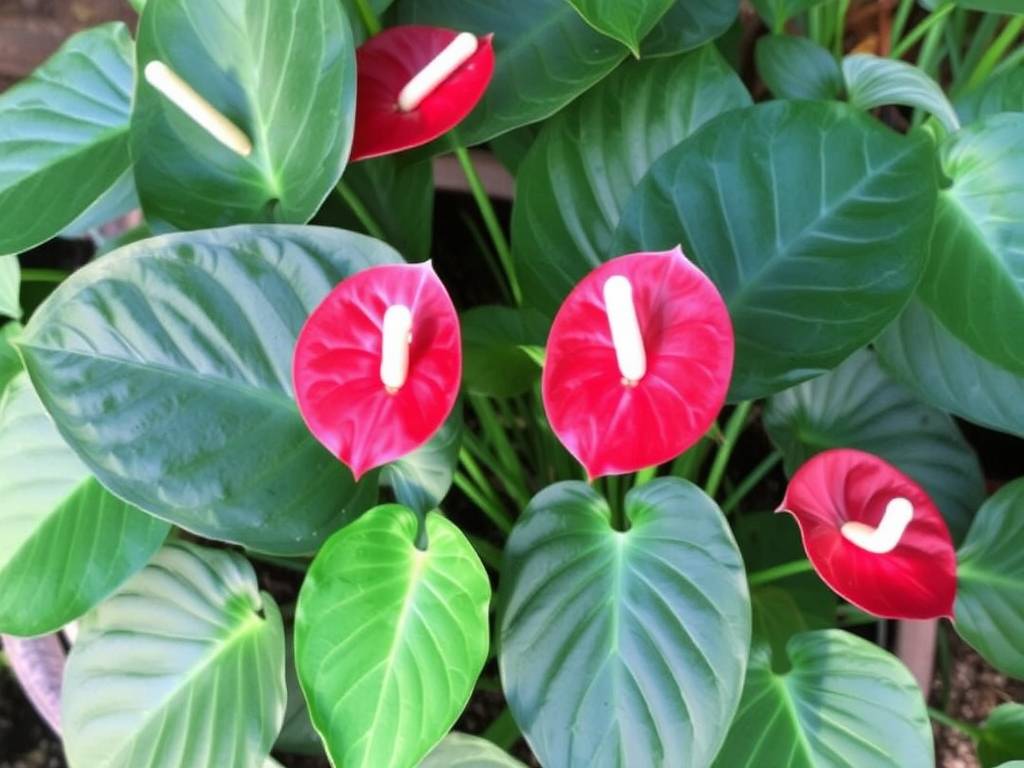
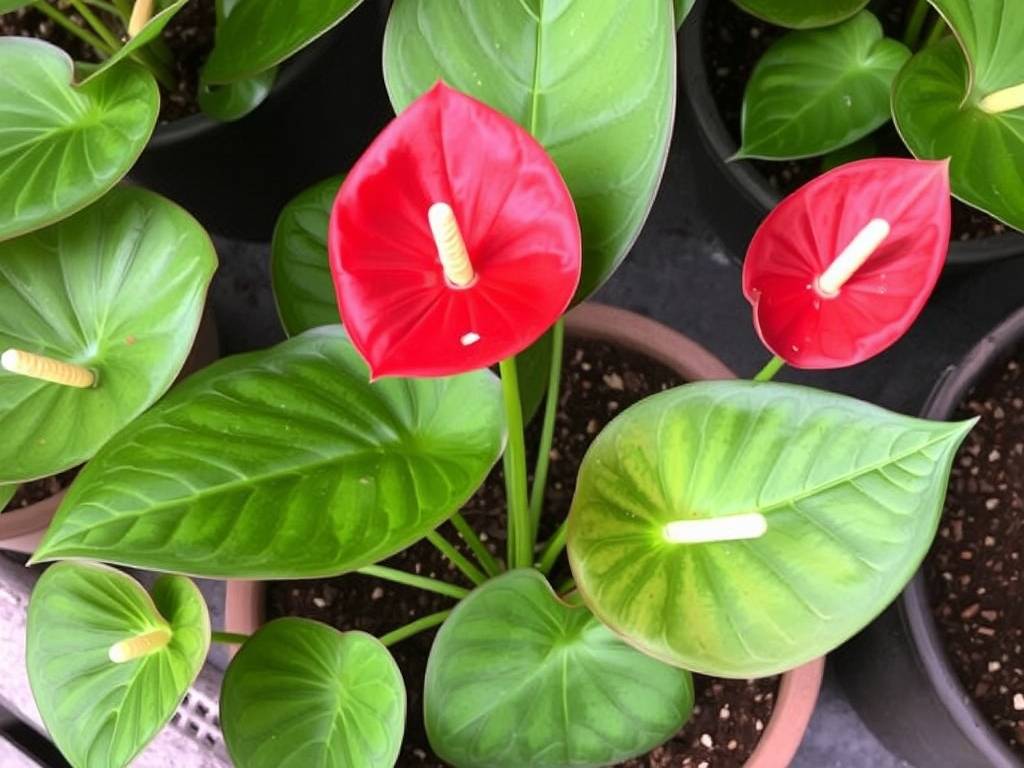
Anthuriums, with their glossy, heart-shaped spathes and long-lasting blooms, are beloved houseplants that add a touch of tropical elegance to any space. Whether you choose to grow them in water or soil, the key to their success lies in recreating their natural habitat—warm, humid, and semi-shady environments. This guide will walk you through everything you need to know about daily care for both water-cultivated and soil-cultivated anthuriums, ensuring your plants thrive year-round.
Understanding Anthurium Basics: Why Environment Matters
Before diving into specific cultivation methods, it’s important to understand why anthuriums have such specific environmental needs. Native to the tropical rainforests of Central and South America, these plants evolved under the canopy of tall trees. This means they’re accustomed to:
Ignoring these needs often leads to common issues like brown leaf tips, drooping blooms, or stunted growth. By aligning your care routine with their natural preferences, you’ll set your anthuriums up for long-term health.
Soil Cultivation: Building the Perfect Foundation
Soil-grown anthuriums rely on a well-draining, nutrient-rich medium to support their root systems. Unlike many houseplants, they don’t thrive in dense, waterlogged soil—so getting the potting mix right is crucial.
Choosing the Right Soil Mix
The ideal soil for anthuriums is a lightweight blend that retains moisture without becoming soggy. A recommended recipe includes:
You can also purchase pre-made orchid mixes and amend them with extra perlite to suit anthuriums. Avoid using standard potting soil alone, as it tends to compact over time and can suffocate the roots.
Selecting the Proper Pot
When choosing a pot for your soil-grown anthurium, opt for one with multiple drainage holes at the bottom. Terra cotta pots are an excellent choice because they’re porous, allowing excess moisture to evaporate through the sides—this helps prevent root rot. The pot should be slightly larger than the root ball (about 1-2 inches wider) to give the roots room to grow, but not so large that the soil stays wet for too long.
Watering Soil-Grown Anthuriums: Balance is Key
Overwatering is the number one mistake new anthurium growers make. To avoid this, follow these steps:
Check soil moisture first: Stick your finger 1-2 inches into the soil. If it feels dry at this depth, it’s time to water. If it’s still damp, wait a few more days.
Water thoroughly: Pour room-temperature water slowly over the soil until it drains out of the bottom of the pot. This ensures the entire root system gets hydrated.
Empty saucers promptly: Don’t let the pot sit in standing water, as this can lead to root rot. Empty any excess water from the saucer within 30 minutes of watering.
The frequency of watering will vary based on factors like temperature, humidity, and pot size. In general, you’ll water every 7-10 days in the growing season (spring and summer) and every 14-21 days in the dormant season (fall and winter).
Providing Warmth: Keeping Temperatures Stable
Anthuriums thrive in temperatures between 65°F (18°C) and 80°F (27°C). They’re sensitive to cold drafts and temperatures below 60°F (15°C), which can cause leaf damage and slow growth. To maintain the right temperature:
Boosting Humidity: Mimicking Tropical Conditions
Low humidity is a common issue in indoor spaces, especially during winter when heaters dry out the air. Anthuriums need humidity levels of 60% to 80% to thrive. Here are easy ways to increase humidity:
Use a pebble tray: Fill a shallow tray with pebbles, add water until it reaches just below the top of the pebbles, and place the pot on top. As the water evaporates, it adds moisture to the air around the plant.
Lighting for Soil-Grown Anthuriums: Semi-Shade is Best
Direct sunlight will burn anthurium leaves, causing brown spots or crispy edges. Instead, provide bright, indirect light for 4-6 hours a day. Good locations include:
If your anthurium isn’t getting enough light, it may stop blooming, and its leaves may become smaller or darker. If you notice these signs, move it to a brighter spot—but always avoid direct sunlight.
Fertilizing Soil-Grown Anthuriums: Feed Sparingly
Anthuriums don’t need heavy feeding, but they do benefit from occasional fertilization during the growing season. Use a balanced, water-soluble fertilizer (like 10-10-10 or 20-20-20) diluted to half strength. Apply it every 4-6 weeks from spring to early fall.
Avoid fertilizing in winter, when the plant is dormant—this can lead to fertilizer burn, as the roots aren’t actively absorbing nutrients. Also, never apply fertilizer to dry soil; water the plant first to prevent root damage.
Pruning and Maintenance
Regular pruning helps keep your anthurium healthy and looking its best. Remove any yellow or brown leaves at the base of the plant using clean, sharp scissors or pruning shears. This prevents the spread of disease and redirects energy to new growth.
You should also remove spent blooms (the colorful spathes) once they start to fade. Cut the stem just above the base of the plant—this encourages the plant to produce new blooms.
Water Cultivation: Growing Anthuriums in Water
Water-cultivated anthuriums (also known as hydroponic anthuriums) are a popular choice for plant lovers who want a low-maintenance option or enjoy the look of roots growing in water. While the care is similar to soil-grown plants, there are a few key differences to keep in mind.
Preparing Your Anthurium for Water Cultivation
If you’re converting a soil-grown anthurium to water, start by gently removing all the soil from the roots. Rinse the roots under room-temperature water to ensure no soil remains—any leftover soil can cause bacteria or algae growth in the water.
Inspect the roots for any signs of rot (soft, brown, or mushy roots). If you find rot, trim the affected roots with clean scissors before placing the plant in water.
Choosing the Right Container
For water-grown anthuriums, use a clear or opaque glass or plastic container. Clear containers allow you to monitor the roots and water quality, but they can also promote algae growth if placed in direct light. Opaque containers prevent algae but make it harder to check the roots.
The container should be large enough to hold the roots without crowding them, and the base of the plant (where the stems meet the roots) should sit just above the water level. This prevents the stem from rotting—only the roots should be submerged.
Maintaining Water Quality: The Key to Success
Clean water is essential for water-cultivated anthuriums. Stagnant or dirty water can lead to root rot and bacterial infections. Follow these steps to keep the water fresh:
Change the water regularly: Replace the water every 7-10 days, or sooner if it starts to look cloudy. Use room-temperature, filtered water if possible—tap water may contain chlorine or fluoride, which can harm the plant over time. If you use tap water, let it sit out overnight to allow the chemicals to evaporate.
Clean the container: Every time you change the water, rinse the container with mild soap and water to remove any algae or residue. This prevents the buildup of harmful bacteria.
Monitor root health: Check the roots each time you change the water. Healthy roots should be white or light green and firm. If you notice any brown, mushy roots, trim them immediately and replace the water.
Water Level: Don’t Submerge the Entire Plant
As mentioned earlier, only the roots of the anthurium should be submerged in water. The base of the plant (the crown) should stay above the water level to avoid rot. If the water level drops over time, add more water to keep the roots covered—but never let the crown get wet.
Lighting for Water-Grown Anthuriums
Water-cultivated anthuriums have the same lighting needs as soil-grown ones: bright, indirect light. If you’re using a clear container, be extra careful to avoid direct sunlight—this can heat up the water and cause algae growth, which can compete with the plant for nutrients.
A north or east-facing window is ideal. If you notice algae growing in the container, move it to a slightly shadier spot and clean the container more frequently.
Temperature and Humidity for Water-Grown Anthuriums
The temperature requirements for water-grown anthuriums are the same as soil-grown ones: 65°F (18°C) to 80°F (27°C). Avoid placing the container near cold drafts or heat sources, as sudden temperature changes can stress the plant.
Humidity is still important for water-grown anthuriums, even though they’re in water. The leaves and blooms still need moist air to stay healthy. Use the same methods as soil-grown plants (pebble tray, misting, humidifier) to maintain humidity levels between 60% and 80%.
Fertilizing Water-Grown Anthuriums
Water-grown anthuriums need fertilizer more frequently than soil-grown ones, as nutrients are washed away each time you change the water. Use a liquid, balanced fertilizer (like 10-10-10) diluted to 1/4 strength. Add the fertilizer to the water every 2-3 weeks during the growing season (spring to fall).
In winter, reduce fertilization to once a month or stop altogether, depending on how active the plant is. Always follow the dilution instructions—over-fertilizing can burn the roots and harm the plant.
Pruning Water-Grown Anthuriums
Pruning water-grown anthuriums is similar to soil-grown ones. Remove yellow or brown leaves and spent blooms at the base of the plant. Use clean, sharp tools to avoid damaging the plant or introducing bacteria into the water.
You may also need to trim overgrown roots occasionally. If the roots become too long or start to crowd the container, trim them back by 1/3 using clean scissors. This encourages new root growth and keeps the plant healthy.
Troubleshooting Common Anthurium Problems
Even with the best care, anthuriums can sometimes develop issues. Here are some common problems and how to fix them:
Brown Leaf Tips
Brown leaf tips are usually a sign of low humidity or underwatering. If the tips are crispy and brown, try increasing humidity (mist more often, use a humidifier) or watering more frequently. If the tips are soft and brown, it may be a sign of overwatering—check the roots for rot and adjust your watering schedule.
Yellow Leaves
Yellow leaves can be caused by several factors:
No Blooms
If your anthurium isn’t blooming, it’s likely due to insufficient light or incorrect fertilization. Move the plant to a brighter spot with indirect light, and make sure you’re fertilizing regularly during the growing season. It may take 4-6 weeks for the plant to start producing blooms after adjusting the light or fertilizer.
Root Rot
Root rot is a serious issue caused by overwatering or poor drainage. Signs include soft, brown roots, droopy leaves, and a foul smell from the soil or water. To fix root rot:
Remove the plant from the soil or water.
Trim all rotted roots with clean scissors.
Rinse the remaining roots under room-temperature water.
For soil-grown plants: Repot in fresh, well-draining soil and a pot with drainage holes. Water sparingly for the next few weeks.
For water-grown plants: Clean the container thoroughly, replace the water, and monitor the roots closely for new growth.
Final Tips for Thriving Anthuriums
Whether you choose water or soil cultivation, these final tips will help your anthuriums stay healthy and beautiful:
Watch for pests: Common pests include spider mites, aphids, and mealybugs. If you notice small bugs or webbing on the leaves, treat the plant with insecticidal soap or neem oil.
Be patient: Anthuriums grow slowly, and it may take several months for a new plant to start blooming. With consistent care, however, they can live for many years and produce blooms year-round.
By following this guide, you’ll be able to create the warm, humid, semi-shady environment that anthuriums need to thrive—whether you grow them in soil or water. With a little patience and attention to detail, you’ll enjoy the beauty of their glossy leaves and vibrant blooms for years to come.
 bluename