bluename
 How to Choose Anthurium Pots: Key Tips for Selecting Suitable Containers (Hydroponic/Soil-Based)
Understanding Anthurium Root Needs: The Foundation of Pot Selection
Key Root Needs to Guide Pot Choice
Aeration: Roots need oxygen to breathe. Pots that trap moisture without airflow will suffocate roots.
Moisture balance: Soil pots need to retain some moisture but drain excess; hydroponic pots need to keep water fresh without stagnation.
Space: Roots need room to spread— but not too much, as empty space in a pot can lead to water buildup.
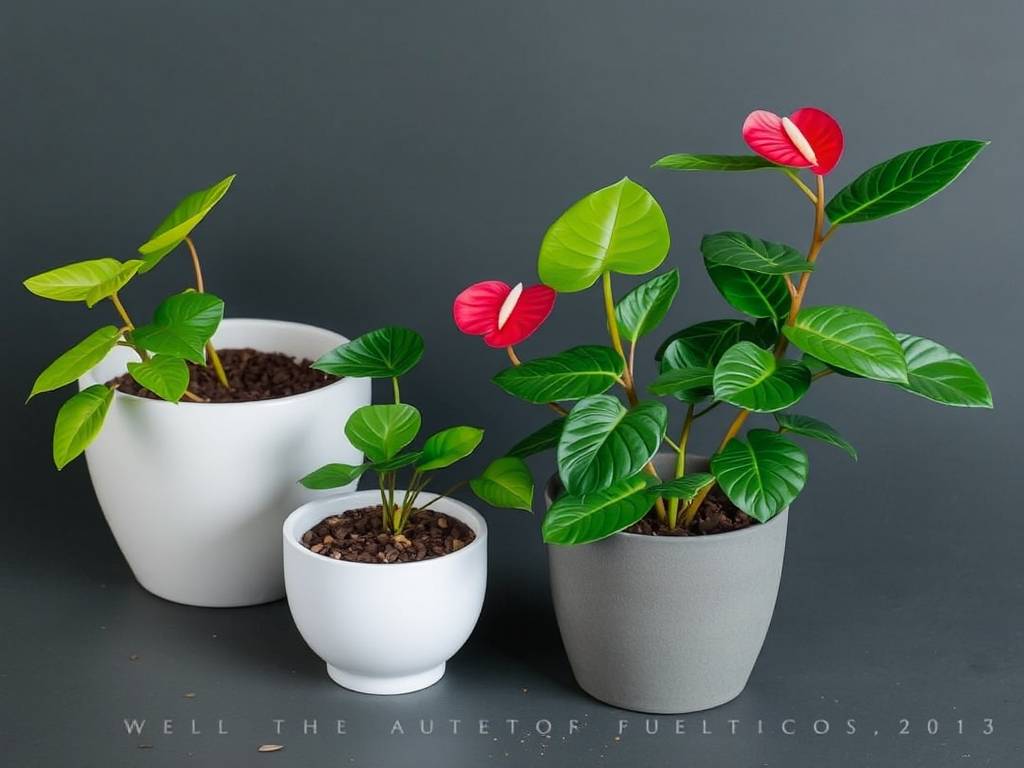
Soil-Based Anthurium Pots: What to Look For
1. Drainage: Non-Negotiable for Soil Pots
How to Check for Good Drainage
Look for drainage holes: The pot must have at least one hole (preferably 2–3) at the bottom. Small pots (6–8 inches) need 1/4–1/2 inch holes; larger pots (10+ inches) need 1/2–1 inch holes to let water escape quickly.
Avoid solid-bottom pots: Even if you add gravel or perlite to the bottom of a pot without holes, it won’t fix poor drainage. Water will still collect above the gravel, drowning roots.
Use saucers wisely: A saucer under the pot catches excess water—but empty it within 30 minutes of watering. Never let the pot sit in standing water, as this pulls moisture back into the soil and rots roots.
2. Pot Material: Breathability Matters
Top Materials for Soil Anthurium Pots
Terracotta (Clay): The best choice for most soil-grown anthuriums. Terracotta is porous, so it lets air flow through the sides of the pot to the roots. It also absorbs excess moisture from the soil, preventing overwatering. However, terracotta dries out soil faster—so if you tend to underwater, you may need to water more often. Avoid glazed terracotta, as the glaze blocks pores and reduces breathability.
Ceramic (Unglazed): Similar to terracotta, unglazed ceramic is porous and breathable. It’s a bit heavier and more durable than terracotta, making it a good option for larger anthuriums. Glazed ceramic is less ideal, but if you choose it, make sure it has multiple drainage holes to compensate for reduced breathability.
Plastic: Lightweight and affordable, plastic pots are a good budget option. However, plastic is non-porous, so it traps moisture and doesn’t let air reach roots as well as terracotta. To fix this, choose plastic pots with extra drainage holes (3–4) and add perlite to the soil to improve aeration. Plastic also retains heat, so keep it out of direct sunlight to avoid warming the roots too much.
Concrete: Heavy and durable, concrete pots are porous (like terracotta) and drain well. They’re great for outdoor or large indoor anthuriums, but they’re heavy—so make sure your surface can support the weight. Concrete can leach minerals into the soil over time, so test the soil pH every 6 months (anthuriums prefer slightly acidic soil, pH 5.5–6.5) and adjust if needed.
3. Pot Size: Get the Fit Right
How to Choose the Correct Size
Measure the root ball: The pot should be 1–2 inches larger in diameter than the anthurium’s root ball (the cluster of roots and soil at the base of the plant). For example, if the root ball is 6 inches wide, choose an 8-inch pot.
Avoid “upgrading” too much: Don’t jump from a 6-inch pot to a 12-inch pot—this is too much extra space. Increase pot size gradually (1–2 inches at a time) when repotting.
Check for root-bound signs: If roots are growing out of the drainage holes or circling the top of the soil, it’s time to repot into a slightly larger pot. If the plant is healthy and not root-bound, you don’t need to repot—even if it’s been in the same pot for 2–3 years.
4. Additional Features for Soil Pots
Height: Choose a pot that’s slightly taller than it is wide (e.g., 8 inches wide x 10 inches tall) for anthuriums with longer stems. This prevents the plant from tipping over, especially when it has large spathes.
Weight: Heavy pots (terracotta, concrete) are better for top-heavy anthuriums, as they provide stability. Lightweight plastic pots may need a layer of gravel at the bottom to add weight.
Style: While function comes first, you can choose a pot that matches your decor—just make sure it meets the drainage, material, and size requirements first.
Hydroponic Anthurium Pots: Special Considerations
1. Hydroponic Pot Design: Balance Water and Oxygen
Key Design Features
Separated reservoir: The reservoir should be at the bottom of the pot, with a barrier (like a grid or platform) that keeps the plant’s root ball 1–2 inches above the water. This way, submerged roots can reach the water, and aerial roots stay above to get air.
Airflow holes: The holder part of the pot should have small holes (1/8–1/4 inch) around the sides to let air circulate around the roots. This prevents stagnation and keeps roots healthy.
Easy water access: Choose a pot with a fill hole or removable reservoir, so you can add water without moving the plant. This also makes it easy to change the water (critical for hydroponics).
2. Hydroponic Pot Materials: Avoid Toxicity
Top Materials for Hydroponic Anthurium Pots
Food-grade plastic: The safest and most common choice. Look for pots labeled “food-grade” (e.g., PET or HDPE plastic), as these don’t leach harmful chemicals into water. Avoid cheap plastic pots, which may release toxins over time.
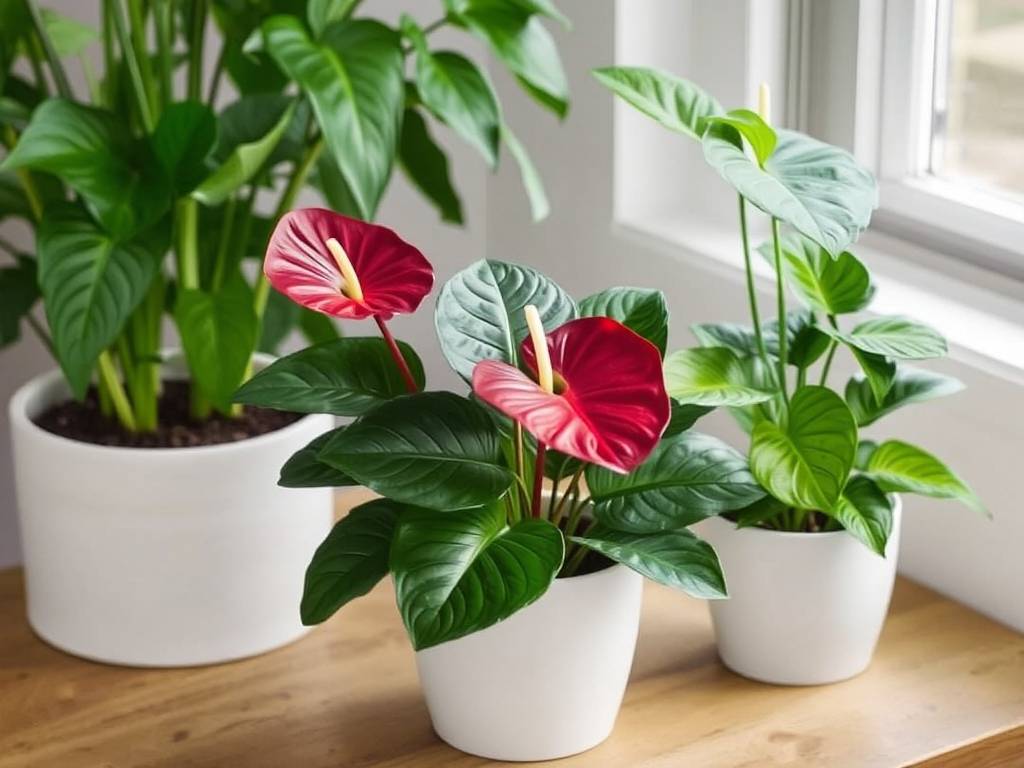
Glass: Stylish and non-toxic, glass pots let you see the water level and root growth—great for monitoring root health. However, glass is heavy and can break easily. Choose a glass pot with a wide base for stability, and avoid clear glass in direct sunlight (it can cause algae growth in the water).
Ceramic (Glazed, Food-Safe): Glazed ceramic is non-porous, so it doesn’t absorb water—and if it’s food-safe, it won’t leach chemicals. It’s durable and stylish, but make sure the glaze is intact (cracks can harbor bacteria). Ceramic hydroponic pots often have a removable reservoir for easy cleaning.
Stainless steel: Non-toxic and durable, stainless steel pots are a good option for modern decor. They don’t leach chemicals, but they can get hot in direct sunlight—so keep them in bright, indirect light.
3. Water Level Control: Critical for Hydroponic Health
How to Set the Right Water Level
Submerge 1/3 of the roots: The water should cover the bottom 1/3 of the root system. Aerial roots (the ones growing above the root ball) should stay above water—these need air to breathe.
Use a water level indicator: Many hydroponic pots come with a small tube or window that shows the water level. If not, add water until you see it reach 1/3 of the root ball (you can lift the plant slightly to check).
Change water regularly: Stagnant water breeds bacteria and algae, which can rot roots. Change the water every 7–10 days, and rinse the pot and roots gently with room-temperature water to remove any algae or debris.
4. Additional Tips for Hydroponic Pots
Avoid deep reservoirs: A shallow reservoir (2–3 inches deep) is better than a deep one, as it prevents water from stagnating. Deep reservoirs are harder to clean and can trap bacteria.
Add a small air stone: If you live in a dry climate or notice roots looking dull, add a small air stone (from a fish tank) to the reservoir. The air stone bubbles oxygen into the water, keeping roots healthy.
Clean the pot monthly: Even with regular water changes, algae or bacteria can build up on the pot’s inside. Once a month, empty the reservoir, wash the pot with mild soap and water (food-safe soap for plastic/glass/ceramic), and rinse thoroughly before refilling.
Comparing Soil vs. Hydroponic Pots: Which Is Right for You?
Soil Pots: Best For
New plant parents: Soil is more forgiving than hydroponics—if you overwater once, the soil can absorb some excess (as long as the pot drains well).
Anthuriums that need stability: Soil anchors the plant, so top-heavy anthuriums (with large spathes) are less likely to tip over.
Those who prefer traditional care: If you enjoy watering, fertilizing, and repotting (occassionally), soil pots let you engage more with the plant.
Hydroponic Pots: Best For
Busy plant parents: Hydroponics requires less frequent care—no soil to check for dryness, just weekly water changes.
Those who hate root rot: Hydroponics eliminates overwatering from poor soil drainage (as long as you change water regularly).
Stylish displays: Glass or ceramic hydroponic pots show off the roots and spathes, making them a focal point in a room.
Step-by-Step Guide to Choosing an Anthurium Pot
Step 1: Assess Your Anthurium’s Current Size
Measure the root ball (width and height) with a ruler.
Check if it’s root-bound (roots growing out of drainage holes or circling the soil). If yes, you need a pot 1–2 inches larger; if not, you can keep the same size (or go up 1 inch if repotting after 2+ years).
Step 2: Decide Between Soil or Hydroponics
If you’re new to anthuriums or prefer traditional care: Choose a soil pot.
If you want low-maintenance care or stylish displays: Choose a hydroponic pot.
Step 3: Prioritize Key Features
For soil pots:
Ensure it has 2–3 drainage holes at the bottom.
Pick a breathable material (terracotta, unglazed ceramic) if possible.
Choose a size 1–2 inches larger than the root ball.
For hydroponic pots:
Look for a separated reservoir and holder (to keep roots partially submerged).
Choose a non-toxic material (food-grade plastic, glass, food-safe ceramic).
Make sure it has a way to check/adjust water level (indicator, window, or removable reservoir).
Step 4: Test for Stability
Place the empty pot on the surface where you’ll keep the anthurium. Does it tip over easily? If yes, choose a pot with a wider base or heavier material (terracotta, concrete for soil; glass with wide base for hydroponics).
Step 5: Check for Cleanliness and Durability
For new pots: Rinse them with water before use (to remove any dust or residue).
For used pots: Wash them with mild soap and water, then sterilize with a 10% bleach solution (1 part bleach to 9 parts water) to kill bacteria—especially important for hydroponic pots.
Choose durable materials (terracotta, ceramic, stainless steel) if you want the pot to last for years.
Common Mistakes to Avoid When Choosing Anthurium Pots
1. Choosing a Pot Without Drainage (Soil)
2. Using a Pot That’s Too Large (Soil or Hydroponics)
3. Ignoring Material Toxicity (Hydroponics)
4. Over-Submerging Roots (Hydroponics)
5. Forgetting to Clean Hydroponic Pots
Final Tips for Pot Maintenance
Soil pots: Every 6 months, scrub the drainage holes with a small brush to remove soil clogs (clogged holes reduce drainage). If the pot is terracotta, soak it in water for 30 minutes once a year to remove mineral buildup (white crust on the outside).
Hydroponic pots: After each water change, wipe the inside of the reservoir with a soft cloth to remove algae. Once a month, soak the pot in a solution of 1 part white vinegar to 4 parts water for 10 minutes—
Both pot types: Inspect the pot for cracks or damage every 3–4 months. Cracks in soil pots can lead to soil leakage and uneven moisture, while cracks in hydroponic pots can cause water spills and bacterial growth. Replace damaged pots immediately to protect your anthurium.
Pot Adaptation for Different Indoor Environments
1. Low-Humidity Spaces (e.g., Air-Conditioned Rooms, Heated Homes in Winter)
Soil pots: Choose terracotta or unglazed ceramic pots. Their porous material absorbs moisture from the soil, but in low humidity, the soil may dry out too quickly. To fix this, place a pebble tray under the pot (fill the tray with water and pebbles, set the pot on top—ensure the pot doesn’t touch the water) to boost local humidity. Avoid plastic pots here, as they trap moisture but won’t help with the dry air around the plant’s leaves.
Hydroponic pots: Opt for a pot with a larger reservoir (still shallow, 3 inches max) to reduce how often you need to add water. Add an air stone to the reservoir to increase oxygen in the water—dry air can make roots more prone to drying out, and the air stone keeps them hydrated and healthy. Choose a glass or ceramic pot over plastic, as these materials don’t retain heat (which can worsen dryness around roots).
2. High-Humidity Spaces (e.g., Bathrooms, Kitchens, Near Humidifiers)
Soil pots: Plastic pots work well here, as the high humidity slows down soil drying—plastic’s non-porous material helps keep the soil consistently moist without overwatering. If you prefer terracotta, check the soil moisture more often (it may dry out slower than in low-humidity areas, so you’ll water less frequently). Ensure the pot has extra drainage holes (3–4) to prevent excess moisture from pooling in the soil.
Hydroponic pots: A basic food-grade plastic hydroponic pot is sufficient here. The high humidity reduces the risk of root drying, so you won’t need an air stone (unless you notice algae growth). Choose a pot with a removable reservoir for easy cleaning—high humidity can speed up algae growth, so being able to take apart the pot makes maintenance easier.
3. Bright, Indirect Light Areas (e.g., East-Facing Windows, Near Skylights)
Soil pots: Avoid dark-colored plastic pots, as they absorb light and heat up the soil—this can damage roots. Instead, choose light-colored terracotta, unglazed ceramic, or light plastic pots. These reflect light and keep the soil at a stable temperature. Ensure the pot has a saucer to catch excess water, as bright light can speed up soil evaporation (you may water more often, so the saucer prevents spills).
Hydroponic pots: Use opaque pots (e.g., frosted glass, colored ceramic, or dark food-grade plastic) instead of clear glass. Clear glass lets light reach the water, which encourages algae growth—opaque pots block light and keep the water clean. If you love the look of clear glass, place the pot slightly away from the light source (still in bright, indirect light) to reduce algae.
4. Low-Light Areas (e.g., North-Facing Windows, Hallways, Offices with Fluorescent Light)
Soil pots: Choose porous materials like terracotta or unglazed ceramic. In low light, the plant grows slower, so it uses less water—porous pots help the soil dry out slightly between waterings, preventing root rot. Avoid large pots here, as excess soil will stay wet longer in low light. Stick to a pot that’s only 1 inch larger than the root ball.
Hydroponic pots: Use a pot with a water level indicator, as it’s harder to tell when water needs changing in low light (the plant uses less water, so the water may stay in the reservoir longer). Change the water every 10 days instead of 7—slower growth means less water uptake, and longer water retention increases stagnation risk. Choose a lightweight pot (like plastic) so you can easily move it to a brighter spot occasionally (e.g., once a week for a few hours) to boost growth.
Troubleshooting Pot-Related Anthurium Issues
Issue 1: Soil stays wet for weeks (soil pots)
Possible causes: Pot is too large, pot has poor drainage, or material is non-porous (e.g., glazed ceramic without enough holes).
Fix: If the pot is too large, repot into a smaller one (1–2 inches larger than the root ball). If drainage is poor, drill extra holes in the bottom (use a ceramic drill bit for terracotta/ceramic pots). If the material is non-porous, add more perlite to the soil (1 part perlite to 2 parts soil) to improve drainage.
Issue 2: Hydroponic roots turn brown or mushy
Possible causes: Water is stagnant (not changed often enough), pot material is toxic, or roots are over-submerged.
Fix: Change the water immediately, and rinse the roots gently with room-temperature water. If the pot is made of cheap plastic, replace it with food-grade plastic, glass, or ceramic. Adjust the water level to submerge only 1/3 of the roots—remove excess water if needed.
Issue 3: Pot tips over easily (both soil and hydroponic)
Possible causes: Pot is too light, pot has a narrow base, or the plant is top-heavy (large spathes, long stems).
Fix: For soil pots, add a layer of gravel to the bottom of the pot to add weight. For hydroponic pots, choose a pot with a wide base (at least 2 inches wider than the top of the pot). If the plant is top-heavy, place the pot against a wall or use a plant stand to support it. You can also prune some of the larger leaves or spathes to reduce weight.
Issue 4: Mineral buildup on pot (both soil and hydroponic)
Possible causes: Tap water with high mineral content (hard water) or over-fertilizing.
Fix: For soil pots, soak the pot in a 1:4 vinegar-to-water solution for 30 minutes, then scrub with a brush to remove buildup. For hydroponic pots, soak the reservoir in the same vinegar solution, then rinse thoroughly. Use filtered or distilled water instead of tap water to prevent future buildup. If fertilizing, dilute the fertilizer to half strength (anthuriums don’t need much fertilizer, especially in hydroponics).
Issue 5: Aerial roots are drying out (both soil and hydroponic)
Possible causes: Pot doesn’t allow enough airflow to aerial roots (e.g., tight soil in soil pots, no airflow holes in hydroponic pots) or low humidity.
Fix: For soil pots, gently loosen the soil around the base of the plant to let air reach aerial roots. For hydroponic pots, ensure the holder has airflow holes—if not, drill small holes (1/8 inch) around the sides. Increase humidity by misting aerial roots 2–3 times a week or using a pebble tray.