bluename
 How to Care for Indoor Anthurium: Tips for Keeping Red Spathe Flowers and Leaves Vibrant
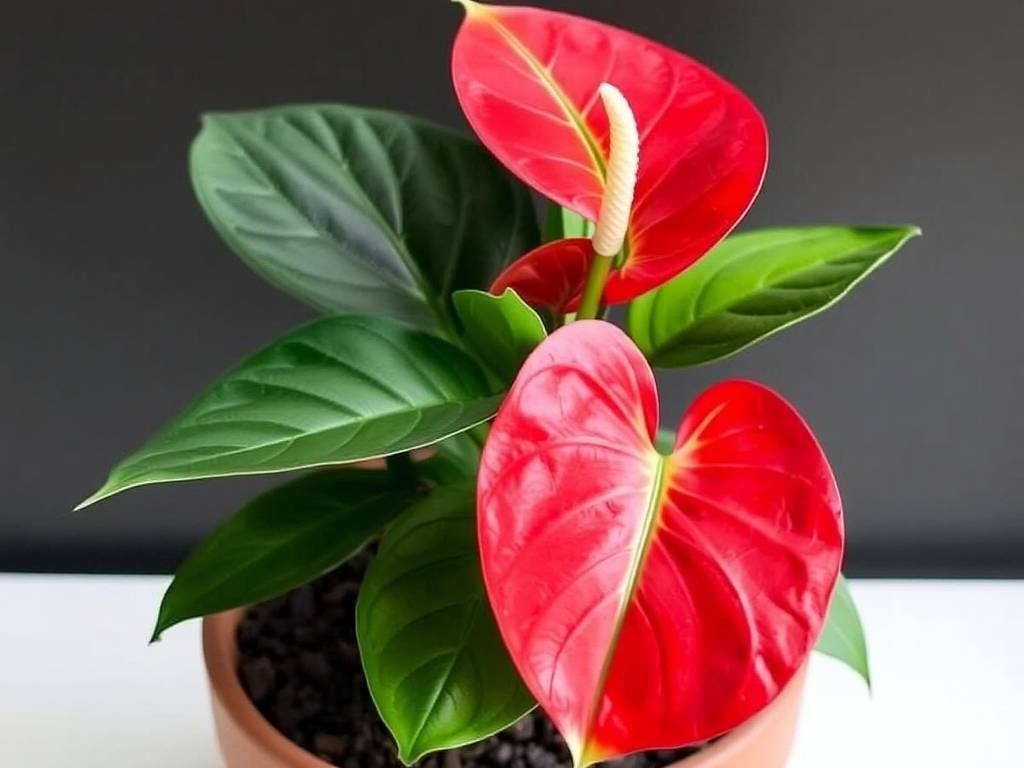
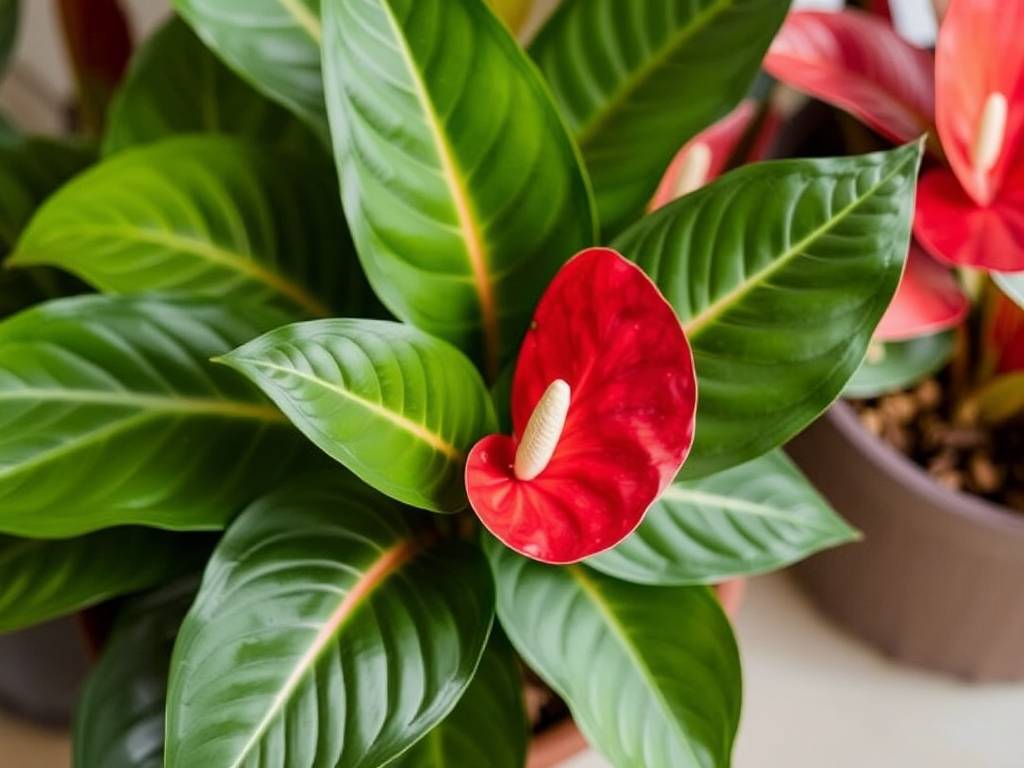
Understanding the Anthurium’s Red Spathe: Not Just a Flower
Why Spathes Fade or Wilting Occurs
Light Requirements: Find the Perfect Spot
How to Choose the Right Location
Avoid direct sunlight: Placing your anthurium in a window with direct morning or afternoon sun can cause the spathe to fade and the leaves to develop brown, scorched spots. If your only window gets direct light, use a sheer curtain to filter it.
Opt for bright, indirect light: A north-facing or east-facing window is ideal. North-facing windows provide consistent, soft light year-round, while east-facing windows get gentle morning light (which is less intense than afternoon sun).
Check for low light signs: If your anthurium is in a spot with too little light, it will grow slowly, and new leaves may be smaller than usual. The spathe may also take longer to develop or fade quickly. If you notice these signs, move the plant to a brighter area (but still avoid direct sun).
Watering Tips: Keep Soil Moist, Not Soggy
Step-by-Step Watering Guide
Check the soil first: Before watering, stick your finger 1 to 2 inches into the soil. If the top layer feels dry, it’s time to water. If it’s still moist, wait a few more days.
Use room-temperature water: Cold water can shock the plant’s roots, so let tap water sit out for a few hours to reach room temperature. This also helps remove chlorine, which can be harmful to anthuriums over time.
Water thoroughly: Pour water slowly over the soil until it starts to drain out of the bottom of the pot. This ensures that the roots get enough water, not just the top layer of soil.
Empty the saucer: After watering, make sure to empty any excess water from the saucer under the pot. Standing water leads to root rot, which will cause the leaves to wilt and turn yellow.
Adjust for seasons: In the growing season (spring and summer), your anthurium will need more water because it’s actively producing new leaves and spathes. Water every 5 to 7 days. In fall and winter, growth slows down, so reduce watering to every 10 to 14 days.
Humidity: Create a Tropical Environment
Easy Ways to Increase Humidity
Use a pebble tray: Fill a shallow tray with pebbles and add water until the pebbles are half-submerged. Place your anthurium pot on top of the pebbles (make sure the pot doesn’t touch the water—this prevents root rot). As the water evaporates, it increases the humidity around the plant.
Mist the leaves regularly: Use a spray bottle filled with room-temperature water to mist the leaves and spathe 2 to 3 times a week. Avoid misting too much, though—if the leaves stay wet for too long, they can develop fungal diseases.
Group plants together: Placing your anthurium near other houseplants creates a “microclimate” of higher humidity, as plants release moisture through their leaves (a process called transpiration).
Use a humidifier: If you have multiple tropical plants or live in a very dry climate, a humidifier is a great investment. Set it to maintain 60% to 80% humidity in the room where your anthurium is located.
Temperature: Keep It Warm and Stable
Ideal Temperature Range
Daytime temperatures: Keep your anthurium in a room where the temperature is between 70°F and 85°F (21°C and 29°C). This is the range where they grow most actively and produce healthy spathes.
Nighttime temperatures: Don’t let the temperature drop below 60°F (15°C) at night. Temperatures below this can cause the leaves to turn yellow and the spathe to wilt.
Avoid cold drafts: Keep your anthurium away from windows that are left open in winter, air conditioning vents, and doors that open to the outside. Cold air blowing directly on the plant will stress it out.
Soil and Potting: Choose the Right Mix
Best Soil Mix for Anthuriums
1 part peat moss (or coco coir, which is more sustainable)
1 part perlite (to improve drainage)
1 part orchid bark (to add texture and help with aeration)
Repotting Your Anthurium
Step-by-Step Repotting Process
Choose the right pot size: Select a pot that is 1 to 2 inches larger in diameter than the current pot. A pot that’s too big will hold too much water, increasing the risk of root rot.
Prepare the new soil: Mix the peat moss, perlite, and orchid bark as mentioned above, or use pre-made orchid mix.
Remove the plant from the old pot: Gently tap the sides of the pot to loosen the soil, then carefully pull the plant out. If the roots are tightly packed, gently tease them apart with your fingers to encourage new growth.
Check for root rot: Look for roots that are brown, mushy, or have a bad smell—these are signs of rot. Use clean scissors to cut off any rotted roots (make sure to sterilize the scissors with rubbing alcohol first to prevent spreading disease).
Plant in the new pot: Add a layer of soil to the bottom of the new pot, then place the anthurium in the center. Fill in the sides with more soil, making sure the plant is at the same depth as it was in the old pot (don’t bury the leaves or spathe).
Water thoroughly: After repotting, water the plant well to help the soil settle around the roots. Empty any excess water from the saucer.
Fertilizing: Feed for Healthy Growth and Spathes
When and What to Fertilize
Growing season (spring and summer): Fertilize every 4 to 6 weeks with a balanced, water-soluble fertilizer (like 10-10-10 or 20-20-20). Dilute the fertilizer to half the strength recommended on the package—anthuriums are sensitive to strong fertilizers.
Fall and winter: Stop fertilizing during this time, as the plant’s growth slows down and it doesn’t need extra nutrients.
Choose the right fertilizer: Look for a fertilizer that is high in phosphorus (the middle number on the package), as phosphorus helps promote flower (spathe) production. For example, a 10-30-20 fertilizer is a good choice for encouraging spathes.
Tips for Fertilizing
Never fertilize a dry plant: Water the plant first, then apply the fertilizer. Fertilizing a dry plant can burn the roots.
Avoid getting fertilizer on the leaves or spathe: If you accidentally get fertilizer on the foliage, wipe it off with a damp cloth to prevent burning.
Pruning: Remove Dead or Damaged Parts
How to Prune Your Anthurium
Use clean, sharp tools: Use scissors or pruning shears that have been sterilized with rubbing alcohol to prevent spreading disease.
Cut dead leaves: Look for leaves that are completely yellow or brown. Cut the leaf stem at the base of the plant (where it meets the main stem), not just the leaf itself.
Remove faded spathes: Once a spathe starts to fade (turns brown or loses its bright red color), cut it off at the base of the stem. This tells the plant to focus its energy on producing a new spathe instead of maintaining the old one.
Avoid over-pruning: Don’t cut healthy leaves or stems—this can stress the plant and slow down growth. Only prune what’s necessary.
Common Pests and Diseases: How to Identify and Treat
Common Pests
Aphids: Small, green or black insects that suck sap from the leaves and spathes. They leave behind a sticky residue (honeydew) that can attract mold.
Treatment: Wipe the pests off with a damp cloth, or spray the plant with insecticidal soap (follow the package instructions). Repeat every 3 to 5 days until the aphids are gone.
Mealybugs: White, fuzzy insects that cluster on the undersides of leaves or along the stems. They also suck sap and leave honeydew.
Treatment: Use a cotton swab dipped in rubbing alcohol to wipe off the mealybugs. For severe infestations, use insecticidal soap.
Spider mites: Tiny, red or brown mites that spin webs on the undersides of leaves. They cause leaves to turn yellow and dry out.
Treatment: Increase humidity (spider mites thrive in dry conditions) and spray the plant with water to knock off the mites. Use insecticidal soap for severe cases.
Common Diseases
Root rot: Caused by overwatering or poorly draining soil. Signs include yellow leaves, wilting, and a bad smell from the soil.
Treatment: Remove the plant from the pot, cut off any rotted roots, and repot it in fresh, well-draining soil. Reduce watering frequency.
Leaf spot: Fungal disease that causes brown or black spots on the leaves. It’s often caused by too much moisture on the leaves (from over-misting or poor air circulation).
Treatment: Remove the infected leaves, reduce misting, and improve air circulation. Spray the plant with a fungicide (follow the package instructions) if the disease spreads.
Troubleshooting: Fix Common Anthurium Problems
Problem 1: Leaves are wilting but soil is moist
Cause: Overwatering (root rot) or root-bound plant.
Fix: Check the roots—if they’re brown and mushy, repot the plant (removing rotted roots) in fresh soil. If the roots are tightly packed, repot into a larger pot.
Problem 2: Spathe is fading quickly (less than 4 weeks)
Cause: Too much direct sunlight, low humidity, or lack of nutrients.
Fix: Move the plant to a spot with bright, indirect light, increase humidity (use a pebble tray or humidifier), and fertilize during the growing season.
Problem 3: Leaf edges are turning brown and crispy
Cause: Low humidity or underwatering.
Fix: Increase humidity (mist the leaves, use a pebble tray) and check the soil more often—water when the top 1 to 2 inches are dry.
Problem 4: No new spathes are growing
Cause: Too little light, not enough fertilizer, or the plant is too young.
Fix: Move the plant to a brighter spot, fertilize with a phosphorus-rich fertilizer during the growing season, and be patient—young anthuriums (less than 1 year old) may not produce spathes yet.
Final Tips for Long-Term Anthurium Health
Consistency is key: Stick to a regular watering and fertilizing schedule, and keep the light, temperature, and humidity levels stable.
Observe your plant: Check your anthurium every few days for signs of stress (yellow leaves, fading spathes, pests). The earlier you catch a problem, the easier it is to fix.
Be patient: Anthuriums grow slowly, so don’t expect new leaves or spathes to appear overnight. With the right care, your plant will reward you with vibrant growth.